GCC Condemns Israeli Airstrike Near Damascus Presidential Palace

This aerial photo shows the Syrian presidential palace in Damascus' Mount Qasyoun on May 2, 2025. (AFP)
TT

GCC Condemns Israeli Airstrike Near Damascus Presidential Palace

This aerial photo shows the Syrian presidential palace in Damascus' Mount Qasyoun on May 2, 2025. (AFP)

Gulf Cooperation Council (GCC) Secretary-General Jasem Albudaiwi strongly condemned on Friday the Israeli airstrike near the presidential palace in Damascus.

He stated that this act by the Israeli occupation forces is a grave violation that undermines security and stability in the region and reflects a pattern of escalating tensions in the Middle East.

Albudaiwi underlined the GCC's complete rejection and condemnation of all Israeli violations that threaten the sovereignty, stability, and security of Syria and its people.

He stressed the importance of respecting Syria's sovereignty, independence, and territorial integrity, rejecting any external interference in its internal affairs.

The security and stability of Syria are crucial for regional and international peace, he added.


Saudi Arabia Offers Condolences to Türkiye over Victims of a Military Helicopter Crash

Saudi Arabia Offers Condolences to Türkiye over Victims of a Military Helicopter Crash
TT

Saudi Arabia Offers Condolences to Türkiye over Victims of a Military Helicopter Crash

Saudi Arabia Offers Condolences to Türkiye over Victims of a Military Helicopter Crash

Saudi Arabia expressed on Friday the Kingdom’s condolences to the families of the deceased and to the government and people of Türkiye following the crash of a military helicopter during routine operations.

A Foreign Ministry statement expressed solidarity with the victims' families and the government and people of Türkiye in the wake of the tragedy and wished security and safety for all.


Iran's Guards Say They Targeted US Radar System in Bahrain

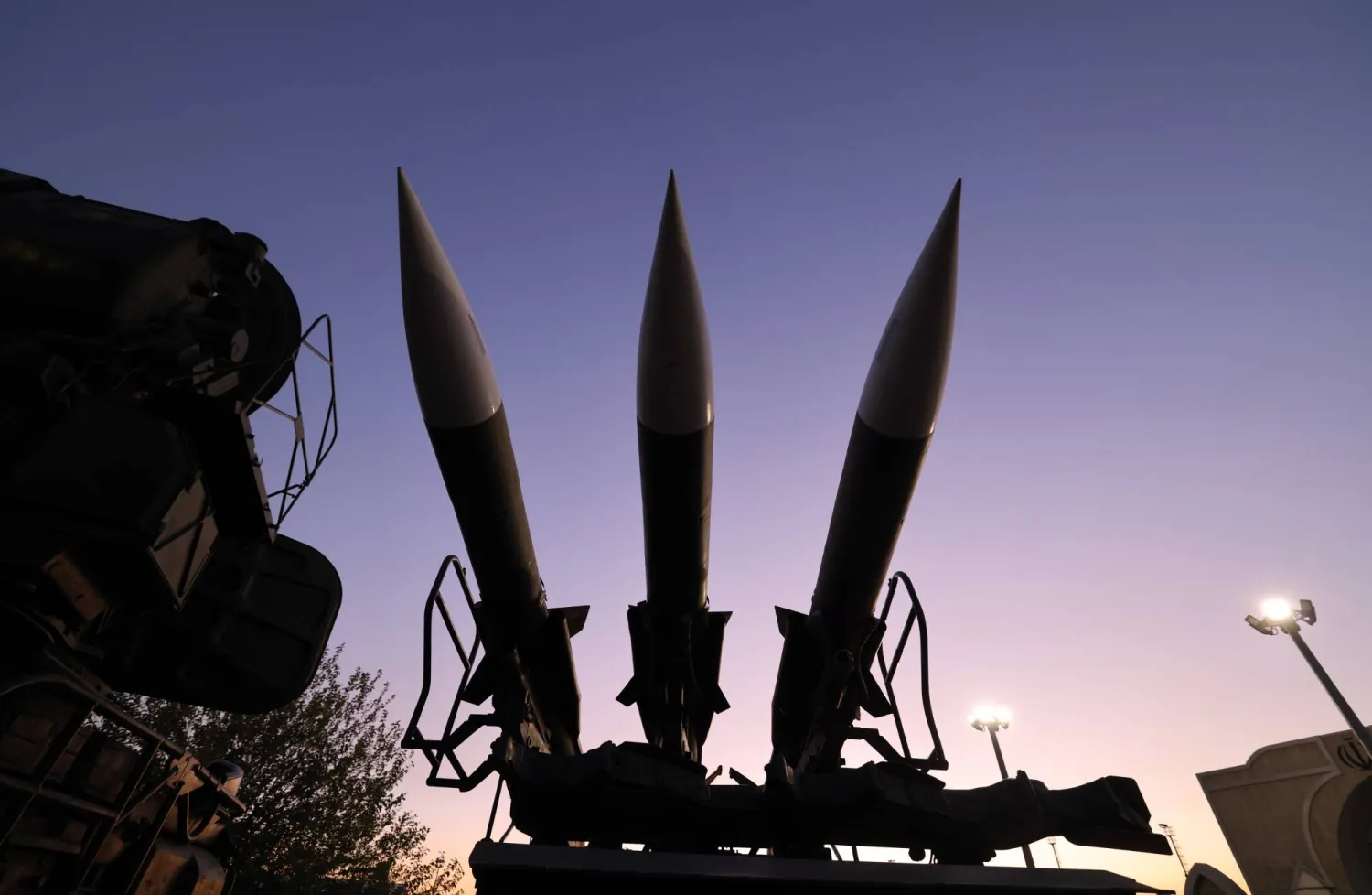
Visitors tour the Iranian Revolutionary Guard Corps (IRGC) Aerospace Achievements Exhibition at the National Aerospace Park outside Tehran, Iran, 12 November 2026. (EPA)
TT

Iran's Guards Say They Targeted US Radar System in Bahrain

Visitors tour the Iranian Revolutionary Guard Corps (IRGC) Aerospace Achievements Exhibition at the National Aerospace Park outside Tehran, Iran, 12 November 2026. (EPA)

Iran's Revolutionary Guards said their forces had targeted a US early warning radar system in Bahrain, according to a statement carried by the Iranian state broadcaster on Friday.

There was no immediate confirmation of a strike on Bahrain by Manama or the United States, whose bases and equipment in the Gulf were repeatedly targeted earlier in its eight-month war with Iran.

"A few hours ago, IRGC Aerospace Force fighters targeted and destroyed the US aggressors' early-warning radar on the island of Bahrain in response to the enemy's air aggression against a telecommunications tower in Sirik," the Guards said in the statement, referring to a port city in southern Iran.

"This is a serious warning to the aggressor enemy to stop its aerial provocations and oil smuggling in the Strait of Hormuz," it added in the statement, posted by the state broadcaster on Telegram.

Gulf countries bore the brunt of Tehran's wrath after the United States and Israel launched attacks on Iran on February 28, triggering the war.

In retaliation, Iran restricted shipping through Hormuz and struck infrastructure including airports, seaports, energy facilities, landmarks and American assets in the US-allied countries.

The United States imposed a blockade on Iranian ports early in the war and in August, Washington announced what it called an "economic asphyxiation" campaign on Iran aimed at curbing its trade and financial flows.

Washington has appeared to dial back threats of renewed strikes after the defeat of President Donald Trump's Republican party in recent midterm elections, in part due to the unpopularity of the war on Iran.


Hajj Conference Marks Major Leap, More Than Fivefold Growth

Saudi Minister of Hajj and Umrah meets with journalists on the sidelines of the conference (Asharq Al-Awsat)
TT

Hajj Conference Marks Major Leap, More Than Fivefold Growth

Saudi Minister of Hajj and Umrah meets with journalists on the sidelines of the conference (Asharq Al-Awsat)

The sixth Hajj Conference and Exhibition wrapped up in the Saudi city of Jeddah on Wednesday, drawing more than 200,000 attendees and participants from over 150 countries, a sharp rise from around 14,000 at its 2022 debut.

The four-day gathering brought together officials, experts and service providers for talks and agreements aimed at improving pilgrim services and accelerating preparations for future Hajj seasons.

Saudi Minister of Hajj and Umrah Tawfiq Al-Rabiah hailed the event as a "major qualitative leap," citing soaring attendance, wider international participation and a growing number of contracts to improve services for pilgrims.

Speaking to reporters at the close of the conference, Al-Rabiah said the event had expanded significantly since its launch in 2022 with just 84 participating companies.

The minister said the gathering attracted representatives from more than 150 countries, including ministers, religious leaders, muftis and government officials, reflecting its growing role in shaping pilgrim services.

He said the conference had grown more than fivefold, praising the organizers and expressing hope for further improvements in services.

Held under the theme "From Makkah to the World" at Jeddah Superdome, the conference was organized by the Ministry of Hajj and Umrah in cooperation with the Pilgrim Experience Program.

It brought together government planning and operations agencies, Hajj affairs offices, service providers and technology companies to tackle challenges facing pilgrims and finalize preparations for the 1448 AH Hajj season.

The program focused on three areas: infrastructure and operational services; empowerment and integration; and development and sustainability.

Discussions covered transportation, accommodation, catering, crowd management, healthcare, security and safety, digital transformation and workforce training.

A key focus was the shift toward all-inclusive service packages for pilgrims, alongside tighter contracting procedures, stronger oversight and better ways to measure service quality.

Artificial intelligence and data analytics also featured prominently in discussions on streamlining operations and improving the pilgrimage experience.

Conference sessions revealed that the Nusuk app had surpassed 65 million users worldwide and offered more than 100 services.

The electronic Hajj platform, meanwhile, connects more than 70 entities inside and outside Saudi Arabia, helping coordinate pilgrim reception, transportation, accommodation, group movements and departures.

Participants also examined advances in housing, transportation and healthcare, including the growing use of smart technologies, sensors and communications systems.

Discussions highlighted stronger governance and oversight, and a shift from measuring operational readiness to assessing how services actually affect pilgrims.

On the final day, attention turned to preparations for the next Hajj season, with sessions exploring artificial intelligence, the future of digital services, smart infrastructure, medical readiness and the role of regulations in improving hospitality standards.

The contributions of Saudi Scouts to pilgrim services were also highlighted.

Specialized workshops on the fourth day addressed emergency response coordination, the shift from prevention to healthcare, food safety, catering and services linked to the Nusuk Card.

Other sessions focused on crowd management at the holy sites, early warning systems and improving the skills of Hajj sector workers.

Beyond the formal conference sessions, the program featured the Hajj Council, showcasing personal and professional experiences in serving pilgrims, alongside the Innovation Council, the Awareness and Training Diwaniya and the Hajj Affairs Offices Forum.

Dedicated spaces also allowed participating organizations to exchange expertise and explore cooperation.

The accompanying exhibition showcased technological and operational solutions for the pilgrimage journey, with specialized areas covering healthcare, aviation, technology, innovation and media.

A business center and partner platform provided opportunities for meetings, contract negotiations and partnerships ahead of future Hajj seasons.

The conference's previous five editions generated more than 1,850 agreements related to pilgrim services and hosted over 310 discussion sessions, underscoring the event's expansion over the years.

With the sixth edition concluded, the focus now shifts from discussions and agreements to implementation, as Saudi Arabia seeks to turn new partnerships and technological solutions into practical improvements for the 1448 AH Hajj season.

The effort reflects a broader push to strengthen coordination among service providers, improve efficiency and deliver a better experience for pilgrims at every stage of their journey.