When Saudi artifacts were exhibited at the Louvre Museum, the Saudi-French relationship had not yet reached its current breadth. At the time, culture was a window through which the French could discover the Kingdom's history, while Riyadh was testing a new avenue to introduce its heritage beyond its borders.
More than a decade and a half later, the landscape has changed. Culture has become one of the foundational components of the Saudi-French relationship, and AlUla has turned into one of the clearest examples of this cooperation.
Meanwhile, cinema, museums, heritage, tourism, sports, and major events have entered the network of interests linking the two nations.
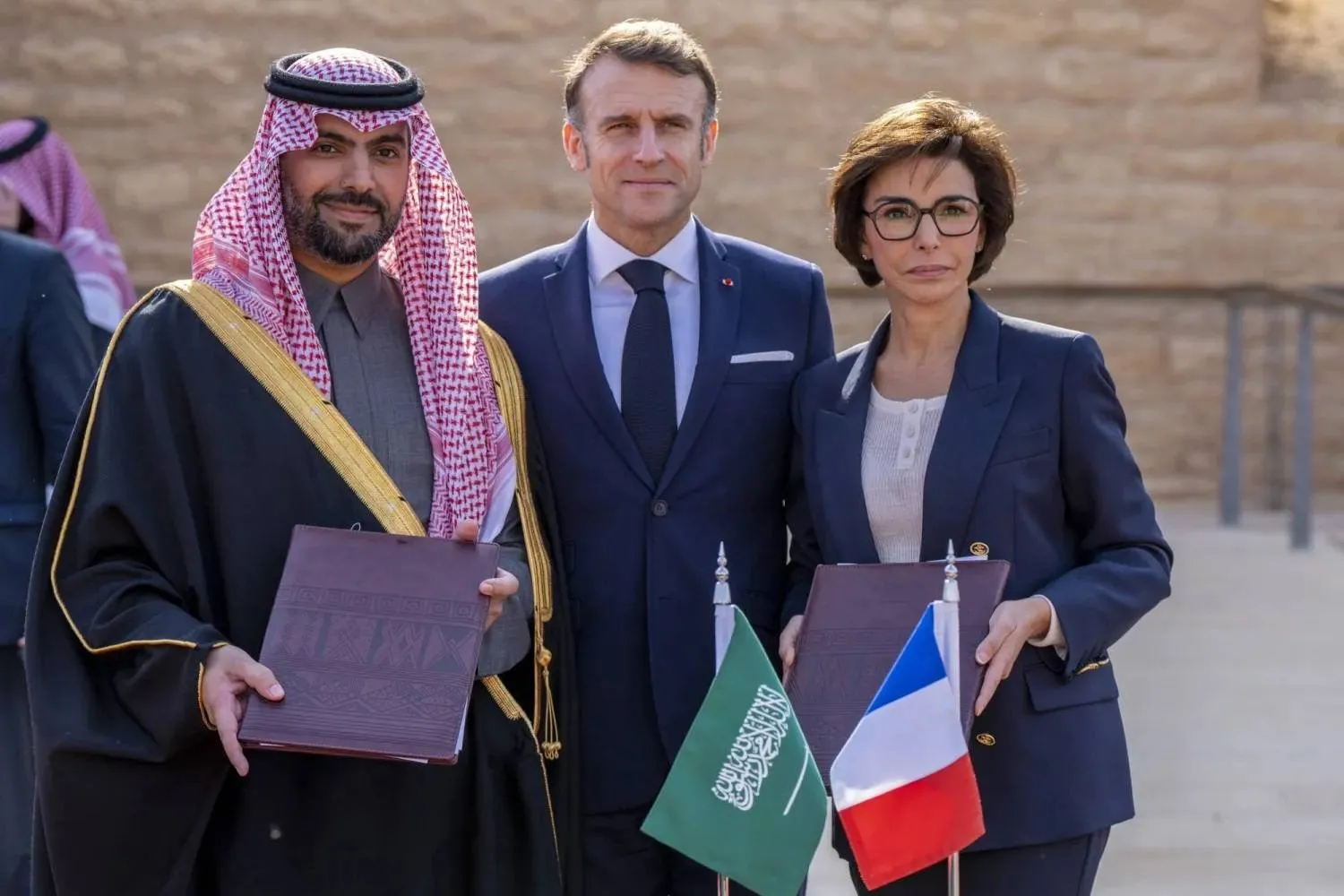
The visit by Prince Mohammed bin Salman, Saudi Crown Prince and Prime Minister, to France comes at a time when these fields have become part of the Kingdom's new economy, rather than merely a cultural activity running parallel to political relations.
AlUla: When culture becomes an economic project
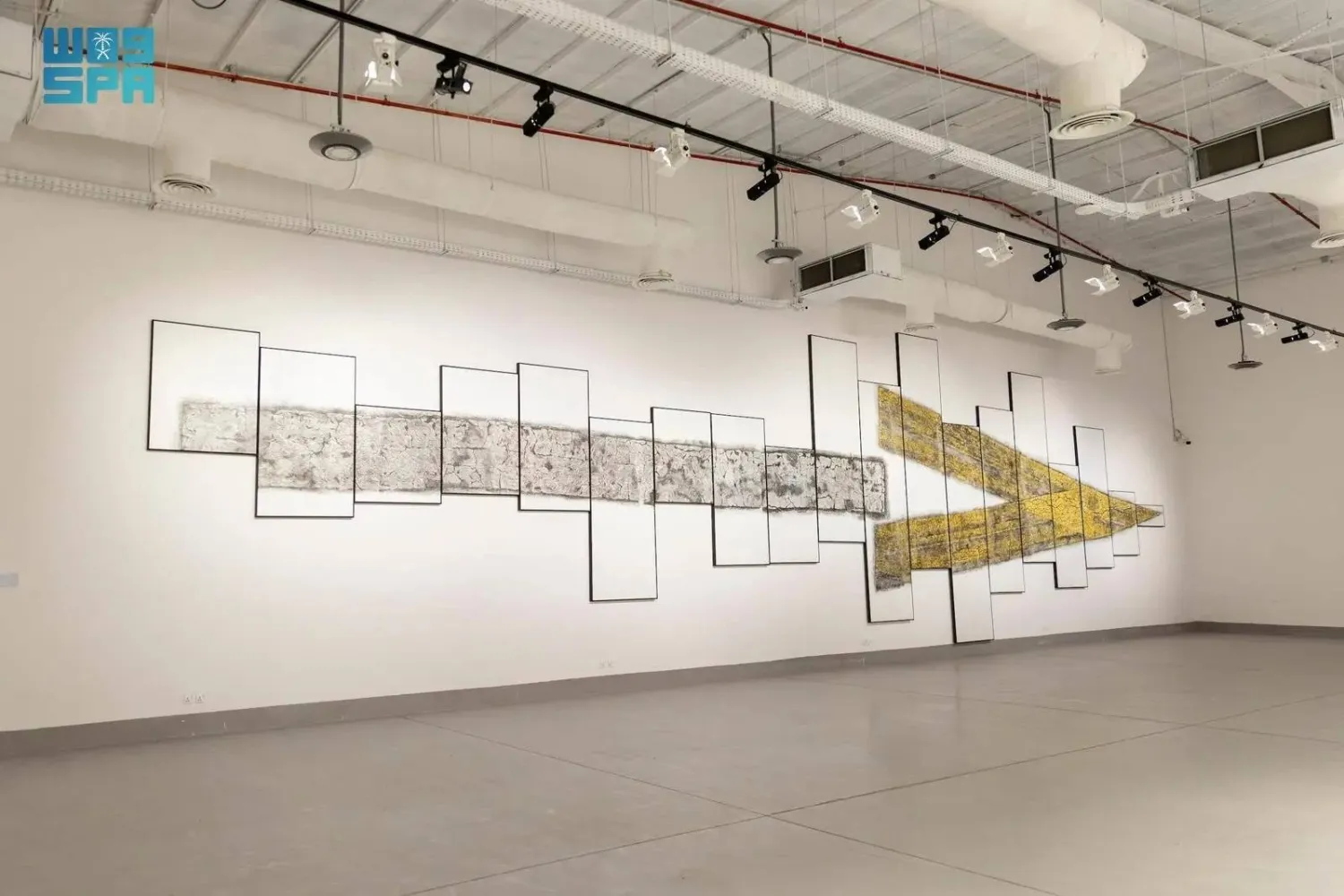
In AlUla, antiquities intersect with tourism, engineering with the environment, and arts with the economy. The Saudi-French partnership in the governorate has expanded the scope of cooperation to encompass urban planning, heritage, tourism, culture, education, training, and the arts, presenting a model that differs from the traditional relationship between an investing nation and foreign companies.
The project is not limited to developing a historical site, but is rather based on building a global destination that rests on local identity and benefits from international expertise.
This type of cooperation aligns directly with the goals of Saudi Vision 2030 to transform culture, tourism, and entertainment into active components of the economy.
A journey that began at the Louvre
AlUla was not the beginning; in 2010, the Louvre Museum hosted the "Roads of Arabia. Archaeology and History of the Kingdom of Saudi Arabia" exhibition, marking a milestone that reflected growing French interest in Saudi history. This was preceded by another exhibition in Paris in 1986, while the UNESCO headquarters in Paris hosted the Saudi Cultural Days events in 2012.
These milestones reveal a long trajectory in which the cultural relationship has shifted from introducing Saudi Arabia abroad to building joint projects within the Kingdom itself.
Culture and the economy come together
The most significant change is that culture is no longer a sector isolated from the economy. Tourism requires transport, hospitality, and technology; museums require engineering, operation, and education; and major events require sports, media, and digital services. Consequently, culture has become part of an interconnected economic system.
This is evident in the expanding scope of potential cooperation between the two countries to include tourism, hospitality, the creative economy, electronic gaming, and sports - sectors that align with the Kingdom’s direction toward building a more diversified economy.
Sports: A new opportunity for partnership
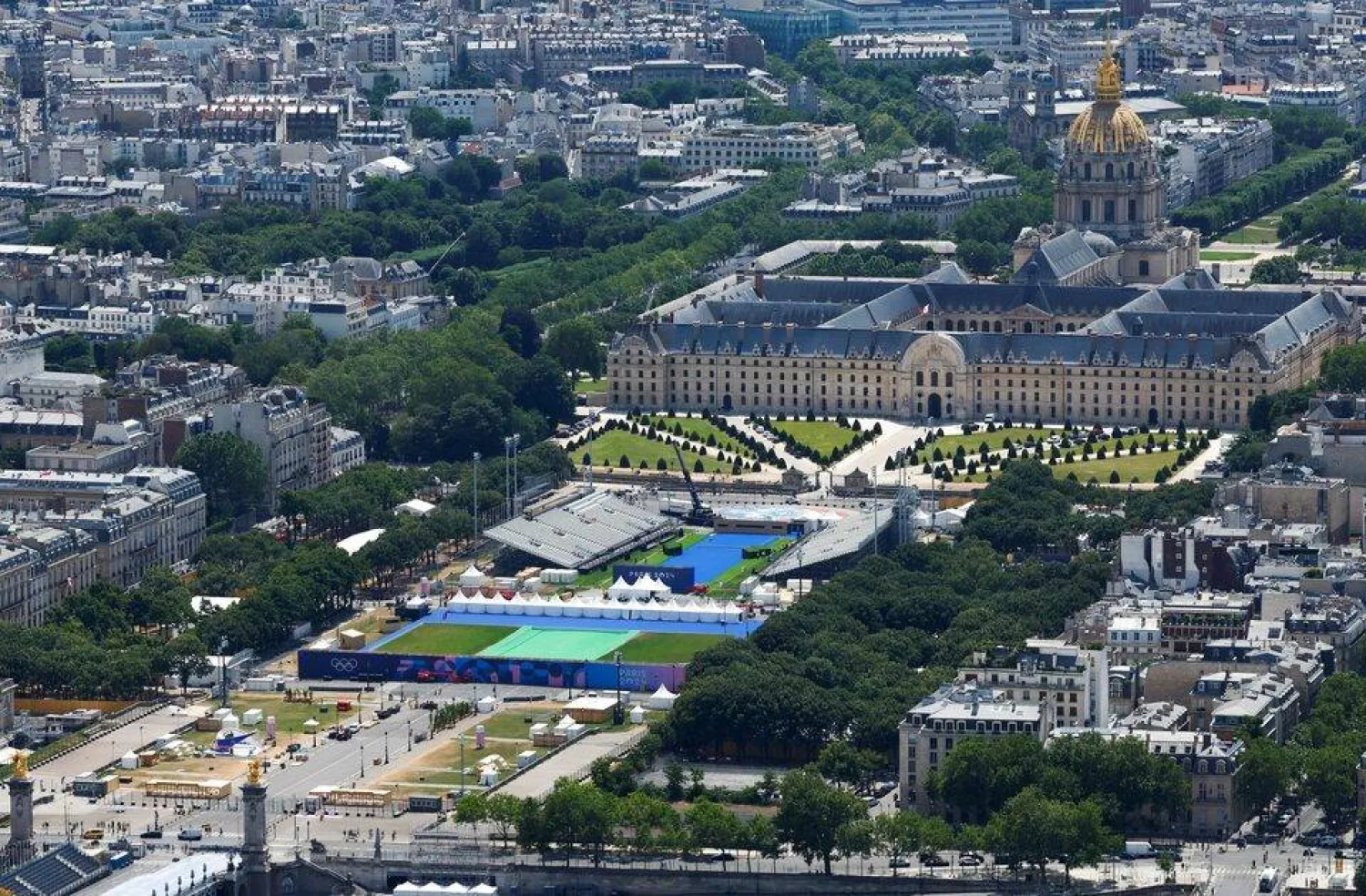
Sports give the relationship an added dimension. France's hosting of events related to the Esports World Cup, coinciding with the Crown Prince's visit, offers an example of the shift of sports from a space of competition to a space for economic and cultural rapprochement.
Saudi sports itself has become a global industry attracting investments, talents, and events, while France possesses extensive experience in organizing tournaments and major events.
Interests intersect here just as they do in culture and tourism: Saudi Arabia provides a growing market, projects, and capital, while France provides long-standing industrial, organizational, and cultural expertise.
Education: The least visible, longest-lasting investment
The exchange is not limited to projects; cooperation between universities, research centers, and educational institutions in both countries opens a different path for knowledge transfer and human capital development.
The importance of this track is evident in the sectors where the Kingdom aims to expand, particularly science, technology, innovation, health, and engineering.
While projects can be built within a few years, the talent that manages them can create an impact that lasts for decades.
Partnership and different experiences
The Saudi experience differs from the French one in many details, but this very difference creates space for cooperation.
France possesses a long history in culture, museums, arts, and creative industries, while Saudi Arabia is experiencing a vast transformation which it is reshaping its culture, tourism, entertainment, and sports sectors.
Therefore, the new partnership is not based on transferring a ready-made model from Paris to Riyadh, but rather on blending French expertise with the new Saudi project. This is what makes culture in the relations between the two countries more than a "soft file"; it is one of the tools through which to build a new economy, introduce peoples to one another, and forge shared interests that are not easily affected by changing political files.
Past to future
For nearly a century, Saudi-French relations have progressed through multiple stages: from the initial diplomatic representation to the historic meeting between King Faisal and de Gaulle, followed by expansion into the economy and defense, culminating in a new vision for partnership during the reign of Custodian of the Two Holy Mosques King Salman bin Abdulaziz.
Today, Riyadh does not go to Paris merely to speak of the past, but rather of a future city, a new museum, a tourist destination, an advanced creative and technological industry, an energy project, and a long-term investment.
Within this transformation lies one of the clearest characteristics of the Saudi-French relationship: the bridge that began with culture now carries the economy, politics, and technology along with it.