


Experts to Asharq Al-Awsat: IMF Indicators Confirm Saudi Arabia’s Continued Income Diversification

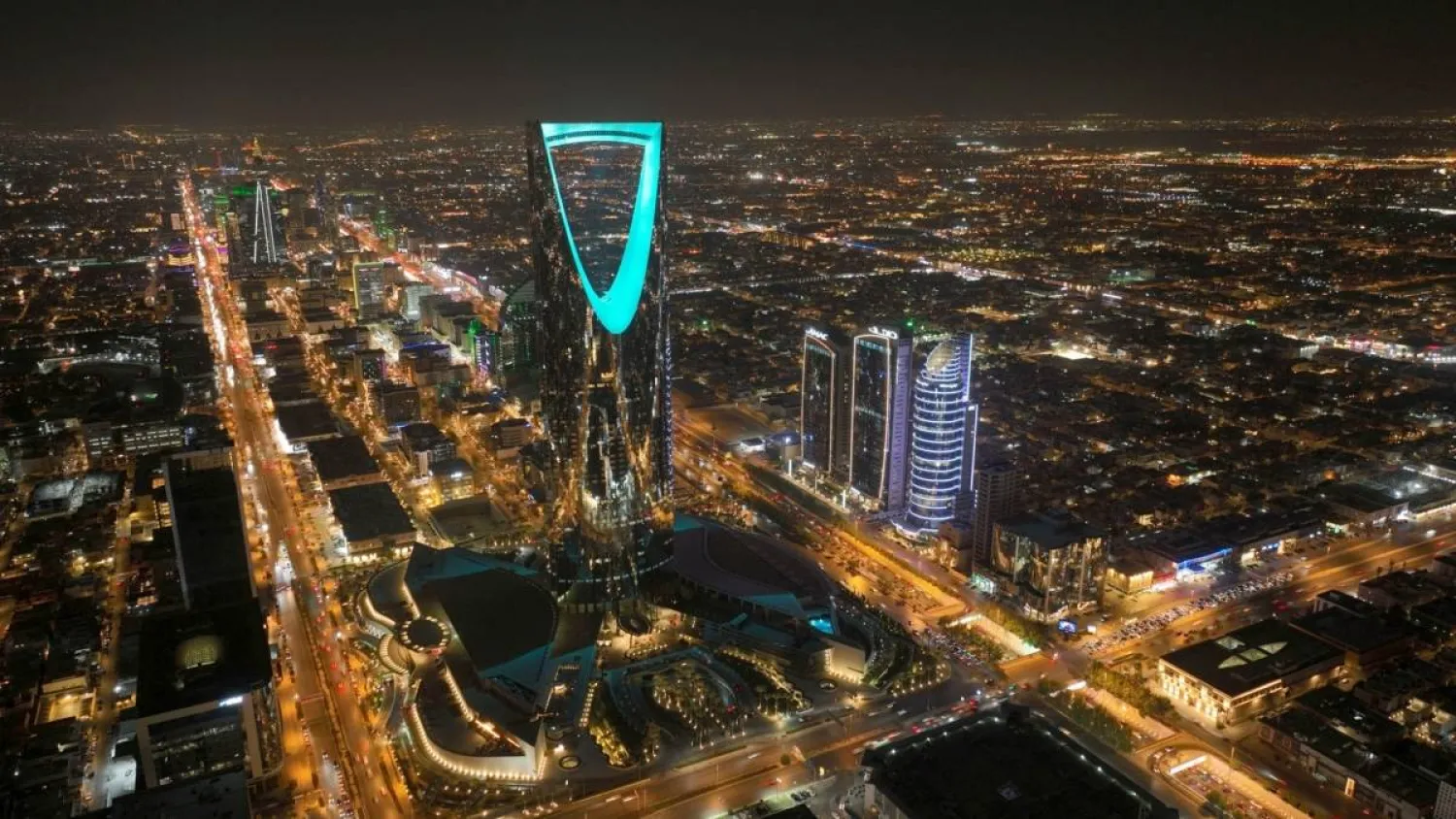
The Saudi capital, Riyadh, on November 15, 2024. (Reuters)
TT

Experts to Asharq Al-Awsat: IMF Indicators Confirm Saudi Arabia’s Continued Income Diversification

The Saudi capital, Riyadh, on November 15, 2024. (Reuters)

Experts told Asharq Al-Awsat that the International Monetary Fund’s (IMF) latest report on Saudi Arabia’s economy - highlighting positive indicators across all sectors - is strong evidence that the Saudi government is continuing its strategy to diversify income sources.

This diversification is designed to maintain a resilient economy capable of withstanding external shocks. They added that the Kingdom is pressing ahead with comprehensive structural reforms to ensure steady growth in the non-oil sector.

The IMF Executive Board concluded its Article IV consultations on Monday, stating that the Saudi economy has witnessed broad recovery across sectors. Experts noted that Saudi Arabia’s ongoing mega-projects are expected to generate further revenues and bolster economic strength.

Shura Council member Fadl bin Saad Al-Buainain told Asharq Al-Awsat that the IMF’s recognition of Saudi Arabia’s economic flexibility and diversity reflects the success of Vision 2030, which focuses on economic diversification and improved efficiency.

Although diversification is still evolving, it has already contributed significantly to financial stability despite fluctuating oil markets, he noted.

The government continues to strengthen its foreign currency reserves to support monetary stability. Al-Buainain highlighted that foreign reserves reached $414.5 billion by the end of 2024. Moreover, non-oil real GDP growth of 4.5% during the year indicates the effectiveness of the Kingdom’s diversification strategies.

This growth has also impacted labor market reforms, including reducing the unemployment rate to a historic low of 7% and raising female workforce participation to 36% by the end of 2024, key goals under Vision 2030. In housing, ownership rates rose to 65.4% in 2024, up from 47% in 2016, which Al-Buainain attributed to successful government policies.

Tourism has emerged as a major beneficiary of economic reforms. The number of local and international visitors surged from 63 million in 2016 to 115.9 million in 2024.

Al-Buainain also pointed to the strength of Saudi banks, which play a central role in supporting private sector growth and funding non-oil projects. Low rates of non-performing loans and solid profitability reflect the sector’s stability.

Although public debt has decreased to 26.2% of GDP - among the lowest in the G20 - he stressed the need to manage debt levels carefully, especially given global economic and geopolitical risks. The government, he said, is now prioritizing projects based on financial capacity and economic returns, aiming to reduce spending pressure and stimulate long-term growth.

Economist Ahmed Al-Shahri echoed the report’s emphasis on sustaining the momentum of reforms initiated in 2016, regardless of oil price trends. He underlined growth across all sectors, including tourism, labor market participation, and foreign investment, all underpinned by strong banking and controlled inflation.



Türkiye's Pegasus Airlines Acquires Biggest Czech Airline, Smartwings, in a Deal Worth $180 million

A passenger plane of the ‘Pegasus’ airline lands at the ‘Stuttgart Airport’ in Stuttgart, Germany, Wednesday, May 3, 2023. (Bernd Weissbrod/dpa via AP, File)
TT

Türkiye's Pegasus Airlines Acquires Biggest Czech Airline, Smartwings, in a Deal Worth $180 million

A passenger plane of the ‘Pegasus’ airline lands at the ‘Stuttgart Airport’ in Stuttgart, Germany, Wednesday, May 3, 2023. (Bernd Weissbrod/dpa via AP, File)

Türkiye's Pegasus Airlines said on Monday it has signed an agreement to acquire the biggest Czech airline, Smartwings, along with its owner, Czech Airlines, from Prague City Air.

Pegasus said the deal, which is worth 154 million euros (almost $180 million) was a “step forward in our continued global growth journey,” Reuters reported.

The process of transferring the ownership of Czech Airlines should be completed in 12 months, Smartwings spokeswoman Vladimíra Dufková said.

Smartwings currently operates regular, charter and private flights to some 80 destinations with almost 50 planes. The airline previously negotiated a takeover by Polish national carrier LOT but that fell through over the weekend after Pegasus filed a rival bid.

Pegasus, a low cost carrier, that was established in 1990. It says it operates flights to 153 destinations in 54 countries.


stc Receives 5-Star Recognition Certificate for Institutional Excellence from EFQM

stc Receives 5-Star Recognition Certificate for Institutional Excellence from EFQM
TT

stc Receives 5-Star Recognition Certificate for Institutional Excellence from EFQM

stc Receives 5-Star Recognition Certificate for Institutional Excellence from EFQM

stc Group has been awarded the 5-star recognition certificate for institutional excellence from the European Foundation for Quality Management (EFQM) for 2025.

stc is the first Saudi company to receive this prestigious recognition across all its private sector operations in the Kingdom. It is also the first company in the global telecommunications sector to achieve this rating according to the EFQM 2025 model.

This accomplishment highlights stc's leading position in performance and innovation, SPA reported.

Chief Legal and Risk Officer and General Counsel of stc Group Mathad Alajmi stated that this achievement reinforces customers' and partners' confidence in the group's capabilities, underscoring its commitment to the highest standards of corporate excellence.

This commitment is reflected in the delivery of digital solutions, supported by a flexible, adaptable organizational culture. stc will continue its journey of improvement to support the growth of the digital economy in the region and enhance the Kingdom's global competitiveness.


Iran's Currency Sinks to a New Record Low

FILE PHOTO: People walk past a sign at a currency exchange as the value of the Iranian Rial drops, in Tehran, Iran, October 5, 2025. Majid Asgaripour/WANA (West Asia News Agency) via REUTERS
TT

Iran's Currency Sinks to a New Record Low

FILE PHOTO: People walk past a sign at a currency exchange as the value of the Iranian Rial drops, in Tehran, Iran, October 5, 2025. Majid Asgaripour/WANA (West Asia News Agency) via REUTERS

Iran's currency slipped to the lowest level in its history on Monday, nearing 1,250,000 rial to the US dollar on the open rate market, various outlets including the semi-official Tasnim news agency reported.

The Iranian rial stood around 55,000 to the US dollar in 2018, when US sanctions were reimposed by the first Trump administration to force Tehran to the negotiating table by limiting its oil exports and access to foreign currency.

Iranian media blamed the government's recent economic liberalization policies for adding pressure to the open rate market, Reuters.

The open rate market is where ordinary Iranians buy foreign currency, whereas businesses typically use state-regulated rates.

However, the government's recent decision to allow importers to tap into the open market to import essential goods has added pressure on the market and increased the dollar's price, semi-official Fars news agency said.

Iran's economy is at risk of recession, with the World Bank forecasting an economic shrinkage of 1.7% in 2025 and 2.8% in 2026. The risk is compounded by rising inflation, with Iran's Statistical Center announcing monthly inflation of 48.6% in October, the highest in 40 months. Despite inflationary pressures, Iran said last month it would increase fuel prices in December under certain conditions, primarily impacting drivers using more than 100 liters per month.