Saudi air defense forces have successfully countered various types of aerial attacks targeting several parts of the Kingdom, particularly cruise missiles, demonstrating their high level of combat readiness and exceptional ability to safeguard national security. Their performance underscores the strength of an integrated defense system designed to protect civilian facilities and critical infrastructure against cross-border threats.
In recent weeks, Saudi forces have intercepted several cruise missiles, most recently on Thursday over Madinah and another over Al-Kharj Governorate. They also intercepted five missiles targeting the capital, Riyadh, including one aimed at the vicinity of King Khalid International Airport.
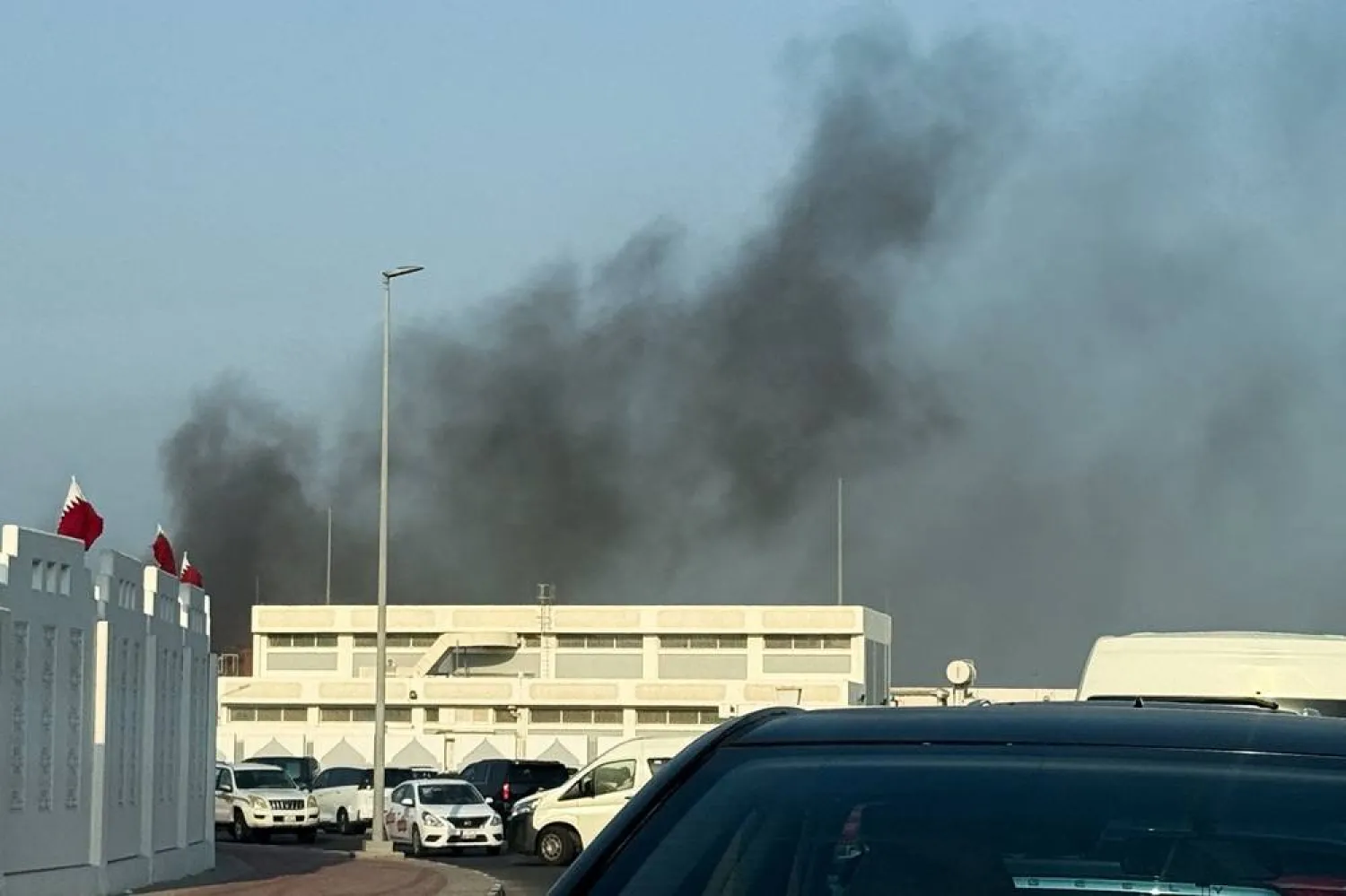
Although the successful interceptions over residential areas sent debris falling to the ground, causing limited damage to approximately 15 homes and minor injuries among civilians, the missiles failed to achieve their intended destructive objectives, thanks to the operational readiness of Saudi air defense systems.
Advanced Capabilities and Integrated Defense
The Royal Saudi Air Defense Forces have demonstrated their ability to counter the challenges posed by cruise missiles and low-altitude aerial threats, drawing on an integrated and interconnected air defense network considered among the most advanced and capable in the region.
Saudi Arabia has developed sophisticated capabilities to counter such threats through a multilayered approach built over the years. This includes surveillance and early warning systems capable of detecting difficult-to-identify threats, precision interception systems designed to track and destroy cruise missiles and drones, and short- and medium-range air defense systems that protect critical facilities, airports and urban areas against potential breaches.
Understanding the Threat and the Challenges of Detection
A cruise missile is essentially a one-way unmanned aircraft resembling a small fighter jet in its design. Powered by a jet engine, either a turbofan or turbojet, it can travel long distances, potentially covering thousands of kilometers.
Cruise missiles pose a complex challenge for air defense networks because of their small radar signatures and ability to fly at extremely low altitudes, allowing them to remain below the radar horizon of conventional ground-based systems until relatively late in their flight.
Brig. Gen. Hassan Al-Shehri, a military analyst and expert, explained that a cruise missile is a guided weapon powered by a jet engine and equipped with wings, flying through the atmosphere much like a one-way attack drone. Its extremely low flight altitude makes it difficult for radar systems to detect.
"The strengths of cruise missiles lie in their high precision, the ability to program flight paths that circumvent air defenses, and their small radar signatures," Al-Shehri said.
He noted that several countries are prominent manufacturers of these weapons, including the United States, China, France and Britain, which produce different families of cruise missiles.
Among the leading air defense systems capable of intercepting such weapons, Al-Shehri highlighted the Patriot system, deployed in Saudi Arabia and other Gulf countries.
He explained that the mobile system is designed to intercept aircraft, low-flying cruise missiles and tactical ballistic missiles, alongside other air defense capabilities.
"More important than the system itself are airborne early warning aircraft, which Saudi Arabia also possesses, in addition to fighter jets capable of engaging cruise missiles flying at low altitudes below the horizon of ground-based radars," he said.
"Detecting these missiles early requires airborne radar."
Al-Shehri praised Saudi Arabia's advanced air defense capabilities, emphasizing that the Kingdom operates a multilayered defense network capable of responding to different types of threats.
He also pointed to the role of fighter aircraft, airborne early warning platforms and the extensive combat experience accumulated by Saudi air defense forces, which have successfully intercepted most of the threats originating from the Houthi militia or from Iran and Iraq.
Al-Shehri said battlefield data and evidence contradict the Houthis' claims that they manufacture these weapons domestically.
He noted that the United Nations Panel of Experts on Yemen had presented evidence beginning in 2020 showing that some components of the Quds-1 cruise missile were based on an unlicensed copy of a small Czech-made jet engine.
He added that available information suggested the missile may have been developed using advanced Chinese technology, while some assessments indicated that the Quds-1 was merely the Houthi designation for Iran's Paveh missile, citing what he described as identical appearance and design.
According to Al-Shehri, the high manufacturing quality of these missiles suggests that they are produced entirely outside Yemen.
He said their designs and sensitive components, particularly engines and guidance systems, originate from multiple sources, principally Iran, China and Russia.
The military expert maintained that the Houthi militia lacks the sophisticated manufacturing capabilities required to produce such weapons independently.
He said personnel from Iran's Islamic Revolutionary Guard Corps (IRGC) and Lebanon's Hezbollah carry out the actual operation and launch of the missiles, alongside Houthi members who previously underwent intensive training in Iran and southern Lebanon.
Regarding how the weapons reach Yemen, Al-Shehri explained that the process relies on organized smuggling and financing networks.
Missiles manufactured abroad are shipped into Yemen as separate parts and components before being assembled in designated clandestine workshops and facilities.
This process, he said, has enabled some Houthi operatives to acquire practical experience in assembly and installation techniques, exceeding their more limited expertise in launching the weapons.
Concluding his remarks, Al-Shehri said the militia had recently suffered heavy personnel and technical losses, including the deaths of several Iranian experts responsible for overseeing these systems.
He said those losses had directly affected the militia's operational effectiveness, resulting in the failure of more than four missile launches in the past week alone, with the missiles falling back onto Yemeni territory.