


Saudi Arabia’s Additional Support: A Turning Point in Yemen’s Economic Recovery

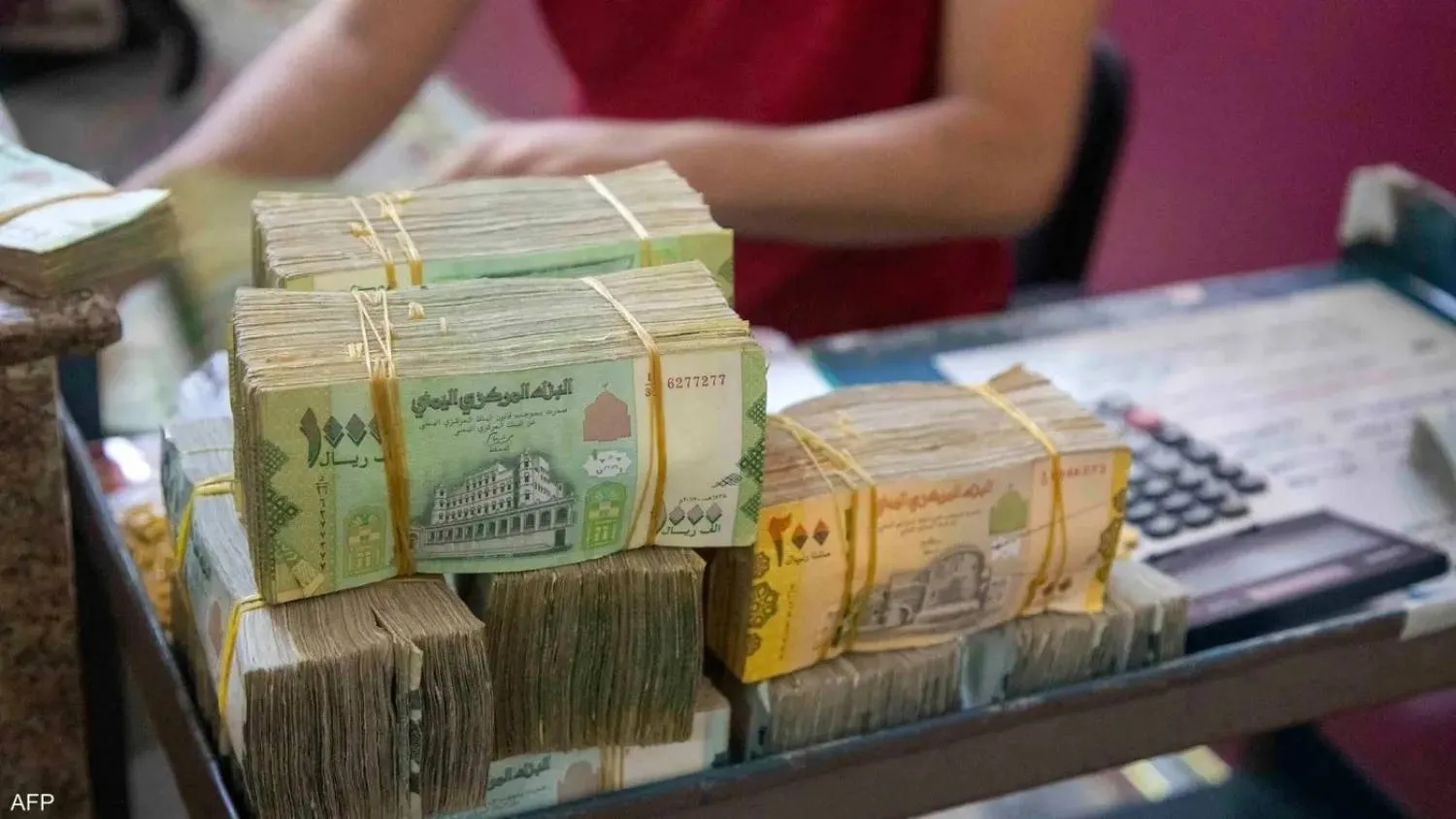
A UN organization warns against failing to strengthen the economic reforms that have led to the recovery of the Yemeni currency (AFP). 
TT

Saudi Arabia’s Additional Support: A Turning Point in Yemen’s Economic Recovery

A UN organization warns against failing to strengthen the economic reforms that have led to the recovery of the Yemeni currency (AFP). 


Saudi Arabia’s recently announced economic assistance marks a pivotal moment in Yemen’s ongoing efforts to restore financial and monetary stability after years of turmoil.

Economists believe the new support package will help offset government revenue shortfalls, stabilize the national currency, and stimulate economic recovery. However, they warned that sustained reforms and continued international backing remain essential to prevent a reversal of recent gains.

A new report by the UN Food and Agriculture Organization (FAO) highlighted that measures introduced by the Central Bank of Yemen in Aden, including tighter supervision of the exchange market and the establishment of a national committee to regulate and finance imports, have led to a noticeable strengthening of the Yemeni rial.

The exchange rate, which had weakened to around 2,900 rials per US dollar in July, improved to about 1,600 in early August, before stabilizing between 1,250 and 1,440 rials.

However, the FAO cautioned that this improvement remains fragile due to Yemen’s weak institutional structure, ongoing administrative divisions, lack of transparency, and the continued Houthi blockade on oil exports, a key source of foreign currency.

The organization also warned that growing dependence on parallel markets and informal exchange channels could fuel inflation, disrupt prices, and exacerbate the severe living conditions facing millions of Yemenis.

According to the same report, nearly 18 million Yemenis — nearly half the population — are at risk of severe food insecurity. The issue, it noted, is not the availability of food in markets but the collapse of purchasing power, declining wages in Houthi-controlled areas, and reduced agricultural production during the current season.

The FAO called for close monitoring of Yemen’s economic and humanitarian situation, especially regarding food prices, government policies, port operations, and regional developments that directly affect livelihoods.

In response to official Yemeni appeals, Saudi Arabia has pledged an additional $368 million to support Yemen’s state budget, secure fuel supplies, and strengthen financial stability. The aid comes amid a deepening fiscal crisis triggered by years of war and Houthi attacks on oil export infrastructure, which have deprived the government of vital revenue.

Yemeni Prime Minister Ahmad bin Mubarak, after meeting with Saudi Ambassador Mohammed Al Jaber, expressed his government’s gratitude to Riyadh for its continued support, describing the aid as a “strong push” for stability and a relief for millions suffering from economic hardship.

The Saudi Foreign Ministry confirmed that the package followed a request from Presidential Leadership Council Chairman Rashad Al-Alimi, reaffirming the Kingdom’s consistent commitment to Yemen’s legitimate government and economic recovery.

Yemeni economist Ehab Alqershi emphasized that the success of this support hinges on comprehensive reforms. He warned that administrative changes alone are insufficient and urged the government to strengthen revenue management, combat corruption, and improve local governance.

Alqershi expects the central bank’s enhanced ability to fund imports will boost market confidence, increase the rial’s purchasing power, and help regulate trade and credit flows.

Meanwhile, economist Mohammed Qahtan of Taiz University described the Saudi package as recognition of Yemen’s gradual recovery and a crucial factor in preventing institutional collapse. He said the ultimate impact will depend on the government’s commitment to fiscal discipline and reform.

Sustained monetary and financial adjustments, he added, are key to restoring the rial’s value, unifying exchange rates, encouraging returning investments, and revitalizing the national economy.

Qahtan also urged the government to rehabilitate Aden’s oil refineries to meet domestic fuel needs and reduce reliance on imports.


Kuwait Includes 8 Lebanese Hospitals on 'Terror' List

Kuwait indicated that it had listed eight hospitals in Lebanon as part of regulations related to "combating terrorism.” KUNA
TT

Kuwait Includes 8 Lebanese Hospitals on 'Terror' List

Kuwait indicated that it had listed eight hospitals in Lebanon as part of regulations related to "combating terrorism.” KUNA

Kuwait's foreign ministry issued on Sunday a circular indicating that it had listed eight hospitals in Lebanon as part of regulations related to "combating terrorism.”

Lebanon's health ministry expressed surprise and said it would seek clarification.

It said it received the Kuwaiti statement "with great surprise", adding it had not been provided with "any information or notification from any Kuwaiti entity about this matter.”

"The hospitals mentioned in the statement are registered with the syndicate of private hospitals in Lebanon and carry out their role in providing treatment and health services to all Lebanese without exception," the ministry statement said.

It called the facilities "an essential part of the Lebanese health system,” and said it would contact the relevant authorities to request clarification and "protect Lebanon's health system.”

It noted that "Kuwait has numerous joint projects with the ministry... and has been among the most prominent countries that have stood by the health system during the successive crises that Lebanon has faced.”

The latest move was "unprecedented and inconsistent" with the Gulf country's usual approach, it added.


Saudi and Guatemalan FMs Discuss Bilateral Ties

The Saudi Minister of Foreign Affairs met on Sunday with his Guatemalan counterpart in Riyadh. SPA
TT

Saudi and Guatemalan FMs Discuss Bilateral Ties

The Saudi Minister of Foreign Affairs met on Sunday with his Guatemalan counterpart in Riyadh. SPA

Saudi Minister of Foreign Affairs Prince Faisal bin Farhan bin Abdullah met on Sunday with his Guatemalan counterpart Carlos Ramiro Martínez in Riyadh.

During the meeting, they reviewed bilateral relations and discussed developments of mutual interest.


Faisal bin Farhan, Barrack Discuss Developments in Syria

The Saudi Minister of Foreign Affairs Prince met on Sunday with the US Special Envoy for Syria in Riyadh.(SPA)
TT

Faisal bin Farhan, Barrack Discuss Developments in Syria

The Saudi Minister of Foreign Affairs Prince met on Sunday with the US Special Envoy for Syria in Riyadh.(SPA)

Saudi Minister of Foreign Affairs Prince Faisal bin Farhan bin Abdullah met on Sunday with US Special Envoy for Syria Tom Barrack in Riyadh.

During the meeting, they reviewed developments in Syria.
