Palestinians Recount ‘Black Hole’ of Israeli Detention
An undated photo from 2023 provided by a whistleblower shows Palestinian prisoners captured in the Gaza Strip at the Sde Teiman detention facility. (AP)
TT
TT
Palestinians Recount ‘Black Hole’ of Israeli Detention
An undated photo from 2023 provided by a whistleblower shows Palestinian prisoners captured in the Gaza Strip at the Sde Teiman detention facility. (AP)
Denied contact with his lawyer for months, now freed Palestinian prisoner Shady Abu Sedo said he lost all sense of time while he was held in Israeli jails during the war in Gaza.
The 35-year-old resident of the Palestinian territory was arrested in March 2024, five months into the war sparked by Hamas's October 7, 2023 attack on Israel.
Abu Sedo, a photojournalist, said he was arrested while working at Al-Shifa hospital in Gaza City and detained at Sde Teiman prison, a military facility in Israel used to hold Gazans during the war.
At the time of his arrest the Al-Shifa complex was at the center of the war, with humanitarian organizations accusing Israel of rights violations while Israel accused Hamas of using it and other civilian facilities as command centers.
Abu Sedo was held under Israel's "unlawful combatants" law, which permits the detention of suspected members of "hostile forces" for months on end without charge.
Abu Sedo said he was repeatedly confronted with claims from the Israelis that "they had killed our children, our women and bombed our homes".
"So, when I saw (my children), honestly, it was a shock," he told AFP by telephone after his release to Gaza on October 13 under the US-brokered ceasefire.
The truce, which came into effect on October 10, saw 20 living hostages returned by Hamas to Israel in exchange for approximately 2,000 Palestinian prisoners.
"Imagine, 100 days from five in the morning until 11 at night, sitting on your knees, handcuffed, blindfolded, forbidden to speak or talk," Abu Sedo said.
"You don't know the time, you don't know the days, you don't know where you are."
"After 100 days of torture, they took me for interrogation to confirm my identity. They tortured me without knowing who I was," he said, describing eye and ear injuries.
Then came a transfer to Ofer military prison in the Israeli-occupied West Bank, where he said conditions were "beyond imagination".
During his incarceration, Abu Sedo was able to speak with his lawyer only twice.
He said he hadn't been charged and that his detention had been "automatically extended" without explanation.
The Israeli military declined to comment on his case.
The Israel prison service says all inmates "are held according to legal procedures, and their rights including access to medical care and adequate living conditions are upheld".
According to the Red Cross, the term "unlawful combatant" refers to someone who "belongs to an armed group, in a context where either the individual or the group do not fulfil the conditions for combatant status."
The term emerged in the United States after the September 11, 200 It was introduced into Israeli law in 2002 and denies protections typically granted to detainees and prisoners of war.
Israel then amended the law at the start of the Gaza war.
Under the revised legislation, prisoners can be detained for 45 days without administrative process, compared with 96 hours previously.
Prisoners can be held for 75 days without a court hearing, up from 14 days, and this can be extended to 180 days.
In July 2024, Amnesty International demanded the law be repealed.
It said the legislation served to "arbitrarily round up Palestinian civilians from Gaza and toss them into a virtual black hole for prolonged periods without producing any evidence that they pose a security threat". 1, attacks, when the administration of George W. Bush used it to justify the detention of terrorism suspects.
In late October, Israel issued an order banning the International Committee of the Red Cross (ICRC) from visiting prisoners held as "unlawful combatants".
In practice, that will make law the status quo that has prevailed since the beginning of the war in Gaza.
The ICRC says it has not been allowed to visit detainees in jail since then, save for pre-release interviews conducted under ceasefire and prisoner exchange deals.
Several rights groups have denounced what they say is a form of incommunicado detention for Palestinian prisoners, hampering the legal defense of detainees.
Israel holds around 1,000 "unlawful combatants" in military and civilian prisons, according to several NGOs.
For these detainees, "the lawyer is their only connection to the outside world," said Naji Abbas of Physicians for Human Rights.
The rights group says that 18 doctors and dozens of other health professionals from Gaza are still languishing without charge in Israeli prisons.
"It takes months to get an appointment. We visit them but we have a lot of difficulties," said Abbas, adding that such visits often lasted less than half an hour.
Several NGOs have appealed to the Israeli Supreme Court to grant the Red Cross access to "unlawful combatants", but no date has been set for the decision.
Mohammed bin Salman in Nine Years: Domestic Growth and Global Engagementhttps://english.aawsat.com/features/5251281-mohammed-bin-salman-nine-years-domestic-growth-and-global-engagement
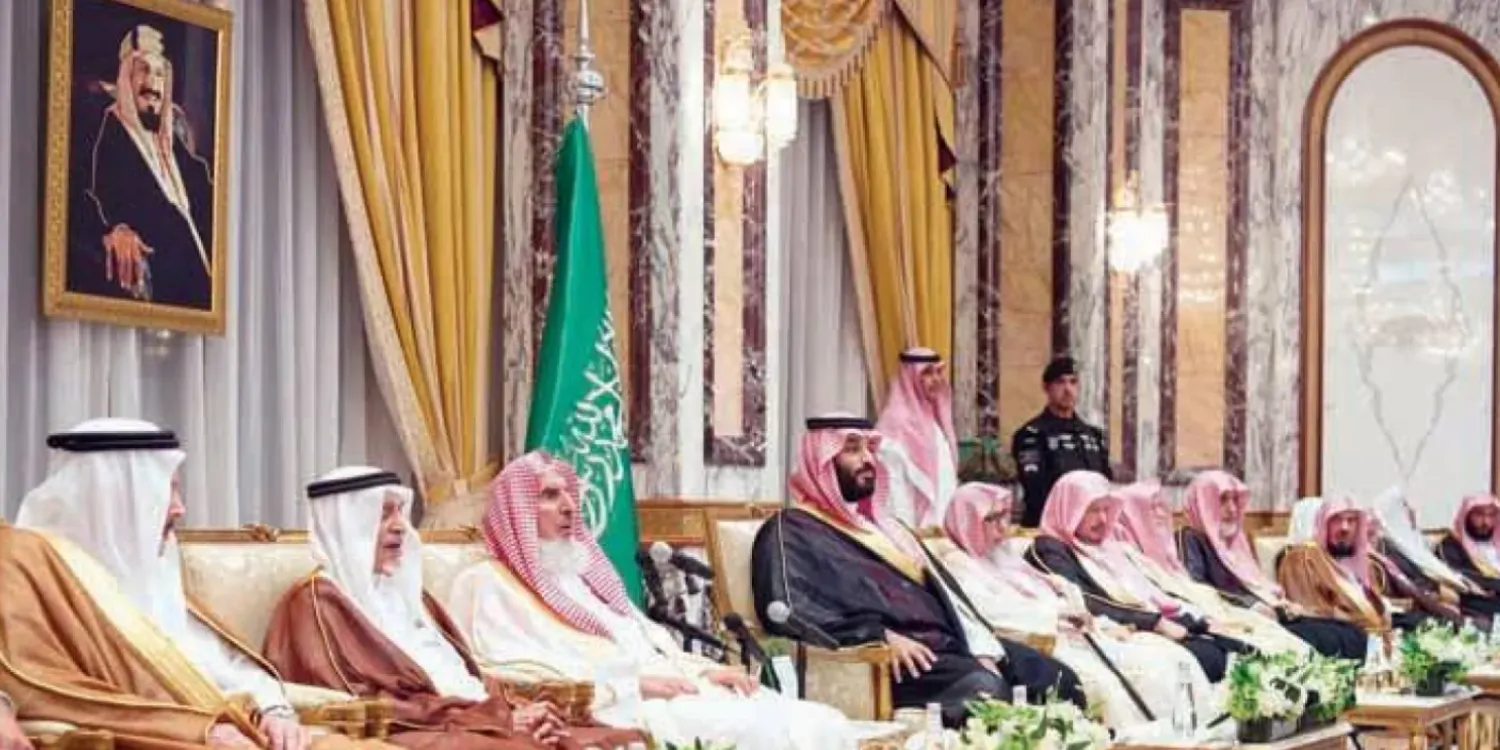
Saudi Crown Prince Mohammed bin Salman receives the pledge of allegiance as crown prince at Al-Safa Palace in Makkah(SPA).
TT
TT
Mohammed bin Salman in Nine Years: Domestic Growth and Global Engagement
Saudi Crown Prince Mohammed bin Salman receives the pledge of allegiance as crown prince at Al-Safa Palace in Makkah(SPA).
Nine years have passed since the royal decree issued by the Custodian of the Two Holy Mosques, King Salman bin Abdulaziz, appointing Prince Mohammed bin Salman as crown prince.
The prince’s presence in a leadership role that reflects the pulse and ambitions of Saudi youth, alongside the guidance of the king, helped launch a domestic vision that accelerated economic and social development while strengthening Saudi Arabia’s position as a leading actor in addressing the region’s shifting landscape, in addition to expanding its global reach and influence.
Fundamental transformations
Over the years, the Kingdom has witnessed turning points marked by positive developments and fundamental transformations. These were not merely superficial changes, but efforts to shape new directions that redefine the concept of success in the 21st century. The objective extended beyond change within Saudi Arabia itself to efforts aimed at shifting the broader region from conflict toward development.
Among the latest manifestations of that approach has been work to calm several regional conflicts and create opportunities for peace. In parallel, Saudi Arabia has become an influential international destination on the global map, according to numerous studies, commentaries, and research addressing major international issues and regional transformations.
As a result, the Kingdom has hosted dozens of summits and hundreds of high-level meetings on key global issues, particularly political ones. The king and crown prince have also met a large number of world leaders, with nearly 120 visits recorded in recent years.
From an early stage, the Saudi crown prince led a drive to expand the Kingdom’s engagement with the world on multiple fronts, including economic and cultural ties. Political openness has also emerged as a defining feature of recent years, reaching levels not previously seen in Saudi Arabia or the wider region.
Many observers say that Riyadh’s policies under the leadership of Crown Prince Mohammed bin Salman in recent years have strengthened the Kingdom’s role in complex international issues and helped bring various parties to the negotiating table, including through efforts to promote peace through dialogue.
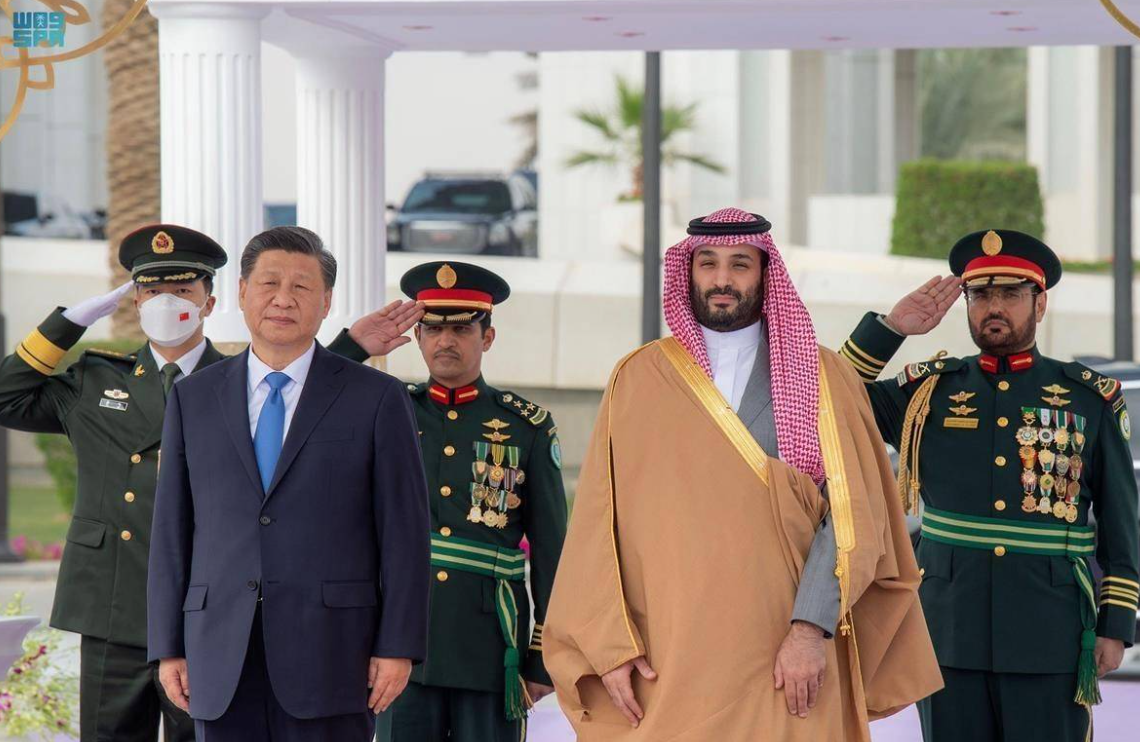
Saudi Crown Prince Mohammed bin Salman and the Chinese president during one of his visits to Saudi Arabia (SPA).
International standing
Over the past decade, Saudi Arabia has been the only Middle Eastern country to host the leaders of the United States, China and Russia within a span of just a few months, despite intensifying geopolitical tensions worldwide.
This period has been marked by a series of global crises, from the war in Ukraine and trade and economic disputes to the war in Gaza and tensions across the Middle East. The developments have positioned Saudi Arabia as a key actor influencing international policies, reflected in the scale, number and level of diplomatic visits and consultations with the Kingdom, particularly since the outbreak of the war in Gaza, as well as the international summits and meetings held on Saudi soil aimed at achieving peace.
International mediation
Saudi diplomacy has also played an active role in recent years. Under the direction of Crown Prince Mohammed bin Salman, who also serves as prime minister, the Kingdom hosted US-Ukrainian talks as part of efforts to address the crisis, drawing on its balanced relations with various parties.
These efforts also included meetings in Diriyah and Jeddah last year involving the United States, Russia and Ukraine. The initiatives reflect an increasingly international orientation in Saudi foreign policy centered on peace efforts, ceasefires and ending wars, including continued mediation initiatives and promoting dialogue as a primary solution during the Russia-Ukraine crisis.
Saudi Arabia has also directed the provision of multiple forms of humanitarian assistance and relief support, as well as mediation efforts aimed at securing the release of prisoners.
Commenting on those efforts, Michael Mitchell, a regional spokesperson for the US State Department, previously told Asharq Al-Awsat that the world had become closer than ever to reaching a ceasefire between Russia and Ukraine following negotiations hosted by Saudi Arabia. He expressed Washington’s appreciation for the Kingdom’s role in advancing ongoing diplomatic efforts and hosting key talks, while reaffirming the US commitment to working with all relevant parties to achieve lasting peace in Ukraine.
The Palestinian issue
The Palestinian issue has witnessed diplomatic momentum described as unprecedented in decades. In recent months and years, Saudi Arabia has pushed many countries to recognize a Palestinian state, bringing the total number of recognizing states to 149, according to the Palestinian Foreign Ministry.
The Saudi crown prince has also reiterated the Kingdom’s position that normalization with Israel would not proceed without the establishment of a Palestinian state. Saudi Arabia has hosted Arab and Islamic countries in Riyadh on two consecutive occasions to unify positions and increase pressure on the international community.
The Kingdom also chaired the committee formed by the summit, led an international coalition supporting the two-state solution, and presided over an international conference on the issue in New York.
In remarks previously made to Asharq Al-Awsat, Palestinian Prime Minister Mohammad Mustafa praised what he described as “Saudi Arabia’s firm positions, which contributed to shaping international consensus toward recognizing a Palestinian state and providing all possible support, given that its realization within the framework of a two-state solution represents the foundation of peace, security and stability in the Middle East.”
Supporting Syria’s recovery
The Kingdom began expanding its support for Syria after it announced in late December 2025 that a Saudi delegation led by an adviser to the Royal Court had visited Damascus and met with Ahmad Al-Sharaa, then the “leader of the new administration” and now Syria's president.
Saudi air and land bridges continued to deliver aid to the Syrian people, alongside humanitarian, medical and development projects. By the end of last year, those projects had increased by more than 100 percent compared with 2024, reaching more than 103 initiatives with a total cost approaching $100 million.
Saudi Arabia also welcomed Syrian President Ahmad Al-Sharaa three times during the year. The Kingdom pushed for the lifting of US sanctions on Syria, which the US president announced from Riyadh in May at the request of Crown Prince Mohammed bin Salman.
Additional support included paying roughly $15 million in Syrian debt to the World Bank and covering part of Syrian government employees’ salaries through a joint initiative with Qatar and the United Nations.
Regional initiatives
Saudi diplomatic initiatives have also extended to multiple regional crises. These include efforts to end the Yemeni crisis and hosting Yemeni parties, including southern groups, while facilitating the first consultative meeting on the southern issue and providing a framework for dialogue on the matter this year.
Saudi Arabia also supported evacuation operations in Sudan, hosted the Jeddah platform on Sudan, and continued humanitarian assistance. More recently, high-level Saudi-US discussions led by the Saudi crown prince and the US president have focused on efforts to resolve the Sudanese crisis.
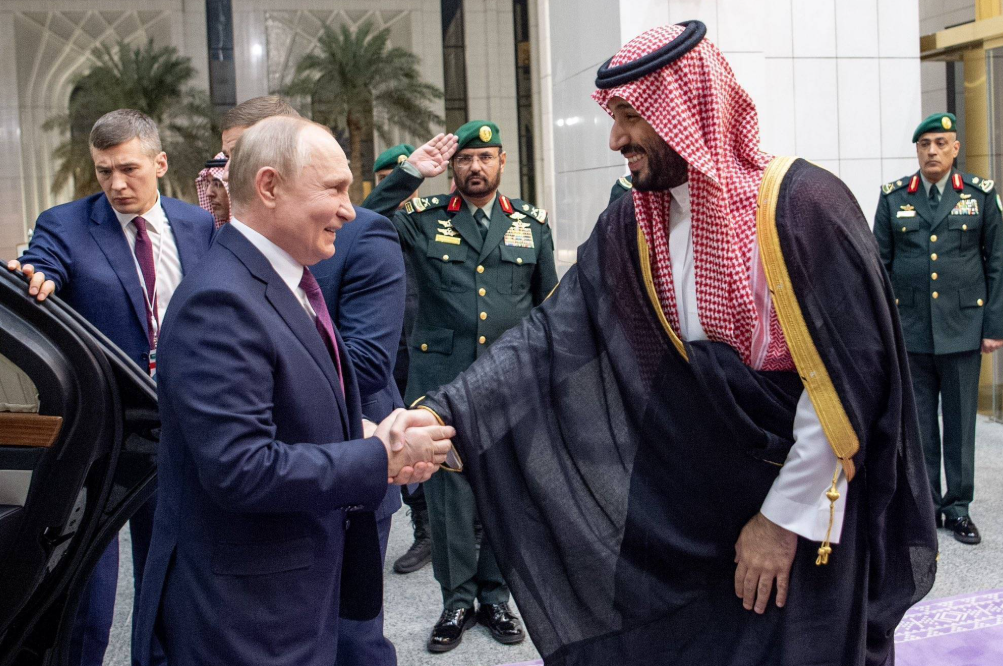
Saudi Crown Prince Mohammed bin Salman and Russian President Vladimir Putin in Riyadh in December 2023 (SPA).
Summits and consensus
Alongside its expanding regional and international role, Saudi Arabia has also played a significant role on the Arab and Islamic fronts during the nine years since Crown Prince Mohammed bin Salman assumed his position.
Under his direction, the Kingdom hosted seven Arab and Islamic summits between 2018 and 2024. These included the Dhahran Arab Summit in April 2018, the Makkah Summit in Support of Jordan in June 2018, the Emergency Arab Summit in Makkah in May 2019, the Arab-China Summit in December 2022, the Jeddah Arab Summit in May 2023, the Joint Arab-Islamic Extraordinary Summit in November 2023, and a follow-up summit in November 2024.
Last year, Saudi Arabia also strengthened its defense and strategic capabilities through a defense agreement with Pakistan stipulating that any attack on either country would be considered an attack on both. The Kingdom also signed a defense agreement with Washington during a historic visit to the United States in November 2025, in addition to expanding cooperation with major international powers including China, Russia and European countries.
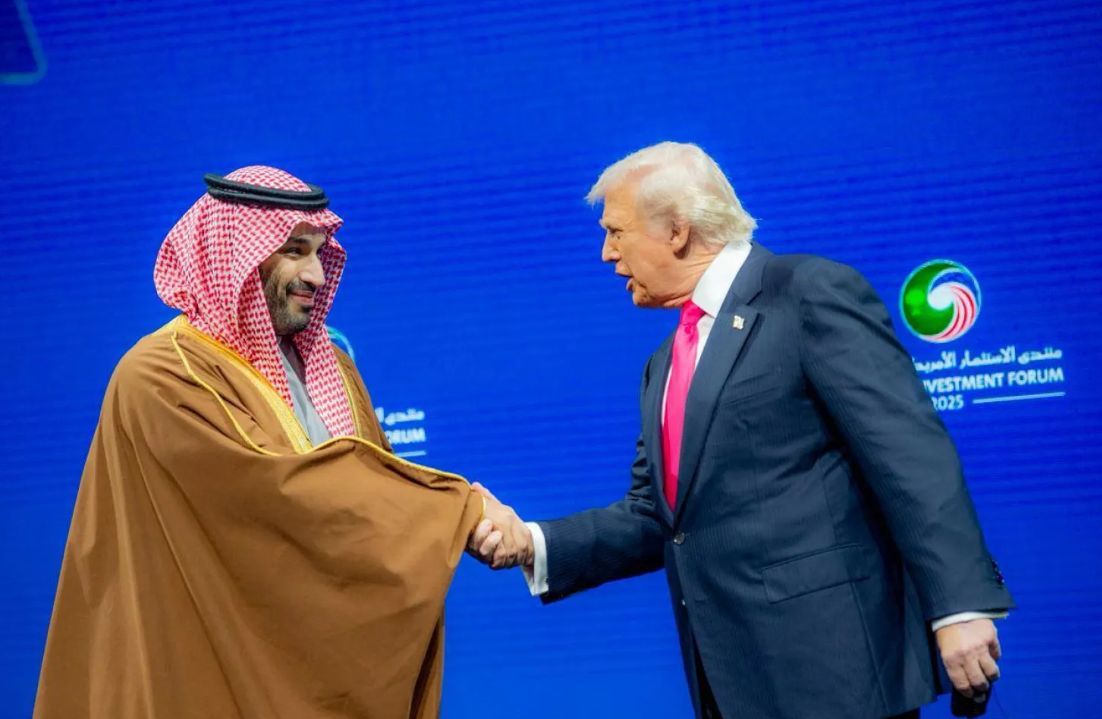
Saudi Crown Prince Mohammed bin Salman and Donald Trump in Washington in November 2025 (SPA).
“A great dawn” in relations with the United States
US President Donald Trump praised the leadership of the Saudi crown prince, saying, “The Saudi crown prince best represents our strong allies,” and adding that “a great dawn” awaits the Middle East.
Trump also described Saudi Arabia as “the heart and center of the world,” and said Riyadh was on track to become a global business hub.
During the crown prince’s visit to Washington late last year, the two countries signed a wide-ranging package of agreements that included a strategic defense agreement, the Kingdom’s second defense agreement signed in 2025, along with a package of defense sales, cooperation in civilian nuclear energy, a strategic partnership in artificial intelligence, a framework for securing supply chains for uranium and minerals, and measures to accelerate investment.
The US president also announced the designation of Saudi Arabia as a major non-NATO ally and praised Saudi negotiating capabilities, describing the Saudis as “great negotiators.”
How Iranians Are Communicating Through Internet Blackouthttps://english.aawsat.com/features/5251093-how-iranians-are-communicating-through-internet-blackout
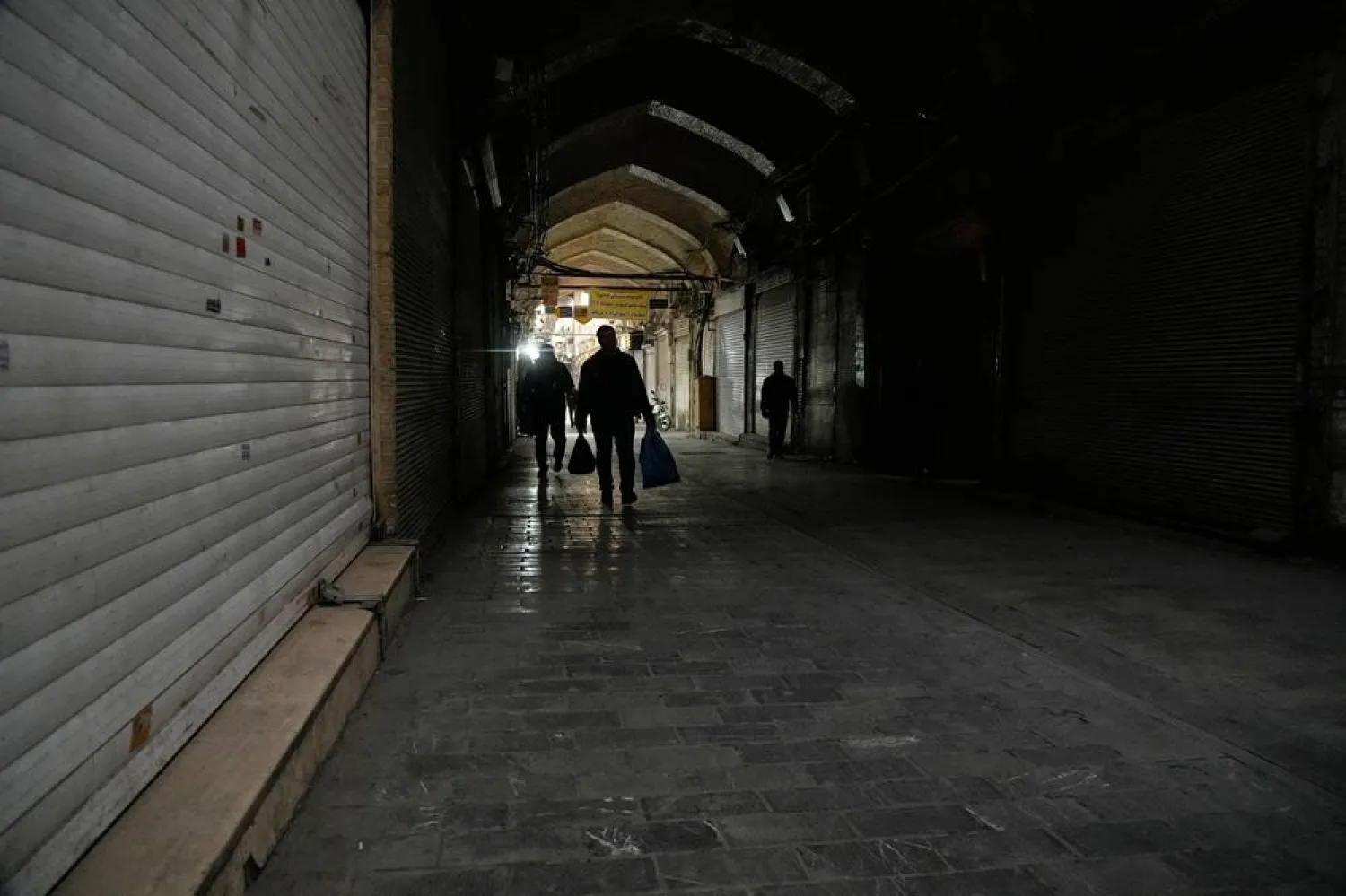
People walk past closed shops at the almost empty traditional main bazaar, in Tehran, Iran, Tuesday, March 10, 2026. (AP)
TT
TT
How Iranians Are Communicating Through Internet Blackout
People walk past closed shops at the almost empty traditional main bazaar, in Tehran, Iran, Tuesday, March 10, 2026. (AP)
Iran's latest internet blackout has lasted more than 14 days, connectivity monitor Netblocks said Friday.
The nature of the limits on internet activity shows "this is a government-imposed measure" and not the result of damage from US and Israeli airstrikes, Netblocks research chief Isik Mater told AFP.
"It is a deliberate shutdown imposed by the authorities to suppress the flow of information and prevent further dissent," said Raha Bahreini, Iran researcher at Amnesty International.
Here are some of the ways information is still flowing in and out of Iran.
- Shortwave radio -
Amsterdam-based nonprofit Radio Zamaneh began shortwave broadcasts during the January protests, sending a nightly Farsi news program from 11:00 pm Tehran time.
"It's really difficult for the regime to jam shortwave because it's a long-distance broadcast," executive director Rieneke van Santen told AFP.
"People can just listen on a super cheap, small, simple radio... It's one of those typical emergency fall-back solutions."
Declining to specify where the transmitter is located, she said it is "closer to the Netherlands than to Iran" -- although Tehran "can figure it out" if they choose.
- Phone calls -
Many with ties to Iran are still receiving landline phone calls from inside -- "quite surprising" given the internet blackout, said Mahsa Alimardani of global rights organization Witness.
Fearing the authorities listening in, people often avoid speaking directly about political topics, such as the killing of Ali Khamenei, she added.
"It's not possible to communicate about sensitive issues through these brief phone calls," Amnesty's Bahreini said.
The required prepaid international calling cards are expensive and often fail to provide their face value in minutes.
"You buy a phone card for 60 minutes, but in eight minutes, it's out," van Santen said.
"It's really just phone calls from family members saying, after the bombing, we're still alive."
- VPN or other internet services -
Virtual private networks (VPNs) -- widely-used services that encrypt internet traffic -- can't create an internet connection where none is available.
But even at around one percent of typical levels, Iran's connectivity is "still a large figure in absolute terms", Netblocks' Mater said.
Iranians suspected of using VPNs since the war began have received warning text messages claiming to be from the authorities.
Before the war, millions turned to Toronto-based company Psiphon, which creates specialist tools more capable than typical "off-the-shelf" VPNs.
Offering techniques including disguising users' data as different types of internet traffic, Psiphon "is able to evade detection more successfully", data and insights director Keith McManamen told AFP.
With up to six million unique daily users in Iran before the latest internet shutdown, connections have now tumbled to fewer than 100,000.
Few but the most tech-savvy users can reach Psiphon's network for now.
Nevertheless, "the situation is extremely dynamic. We're seeing changes not just day to day, but hour by hour," McManamen said.
A similar service, US-based Lantern, is also widely used in Iran.
- Satellite broadcasts -
Created by US-based nonprofit NetFreedom Pioneers, Toosheh is a "filecasting" technology using home satellite TV equipment to broadcast encrypted data to people in Iran.
Users record from the Toosheh satellite TV channel onto a USB stick plugged into their set-top box, which they can then decrypt using a special app installed on their phone or computer.
From that initial download, the data can be copied and shared across multiple households.
The group estimated around three million active users in Iran across 2025, with "thousands to hundreds of thousands... since the (internet) shutdown in January," the group's director of projects Emilia James told AFP.
From its usual educational repertoire ranging from English lessons to news, content these days includes more on "personal safety and digital security... helping people to stay safe," she added.
Since people are tuning in to a broadcast signal, there is no way for the government to track them, she added.
- Starlink -
Elon Musk-owned satellite internet service Starlink was used during this year's protests to get information out, while the government attempted to jam its signals.
At around $2,000 on Iran's black market, the terminals are expensive and very rare in poorer regions like Balochistan or Kurdistan that have suffered the most government repression, Alimardani said.
Meanwhile, Amnesty has received reports of "raids on houses... arrests of people who had Starlink devices," Bahreini said.
Charges for those caught communicating with the outside world range from prison sentences to the death penalty, she added.
Starlink did not respond to AFP's request for comment on usage in Iran.
How Iranians Are Communicating Through Internet Blackouthttps://english.aawsat.com/features/5250922-how-iranians-are-communicating-through-internet-blackout
People walk past closed shops at the almost empty traditional main bazaar, in Tehran, Iran, Tuesday, March 10, 2026. (AP)
TT
TT
How Iranians Are Communicating Through Internet Blackout
People walk past closed shops at the almost empty traditional main bazaar, in Tehran, Iran, Tuesday, March 10, 2026. (AP)
Iran's latest internet blackout has lasted more than 14 days, connectivity monitor Netblocks said Friday.
The nature of the limits on internet activity shows "this is a government-imposed measure" and not the result of damage from US and Israeli airstrikes, Netblocks research chief Isik Mater told AFP.
"It is a deliberate shutdown imposed by the authorities to suppress the flow of information and prevent further dissent," said Raha Bahreini, Iran researcher at Amnesty International.
Here are some of the ways information is still flowing in and out of Iran.
- Shortwave radio -
Amsterdam-based nonprofit Radio Zamaneh began shortwave broadcasts during the January protests, sending a nightly Farsi news program from 11:00 pm Tehran time.
"It's really difficult for the regime to jam shortwave because it's a long-distance broadcast," executive director Rieneke van Santen told AFP.
"People can just listen on a super cheap, small, simple radio... It's one of those typical emergency fall-back solutions."
Declining to specify where the transmitter is located, she said it is "closer to the Netherlands than to Iran" -- although Tehran "can figure it out" if they choose.
- Phone calls -
Many with ties to Iran are still receiving landline phone calls from inside -- "quite surprising" given the internet blackout, said Mahsa Alimardani of global rights organization Witness.
Fearing the authorities listening in, people often avoid speaking directly about political topics, such as the killing of Ali Khamenei, she added.
"It's not possible to communicate about sensitive issues through these brief phone calls," Amnesty's Bahreini said.
The required prepaid international calling cards are expensive and often fail to provide their face value in minutes.
"You buy a phone card for 60 minutes, but in eight minutes, it's out," van Santen said.
"It's really just phone calls from family members saying, after the bombing, we're still alive."
- VPN or other internet services -
Virtual private networks (VPNs) -- widely-used services that encrypt internet traffic -- can't create an internet connection where none is available.
But even at around one percent of typical levels, Iran's connectivity is "still a large figure in absolute terms", Netblocks' Mater said.
Iranians suspected of using VPNs since the war began have received warning text messages claiming to be from the authorities.
Before the war, millions turned to Toronto-based company Psiphon, which creates specialist tools more capable than typical "off-the-shelf" VPNs.
Offering techniques including disguising users' data as different types of internet traffic, Psiphon "is able to evade detection more successfully", data and insights director Keith McManamen told AFP.
With up to six million unique daily users in Iran before the latest internet shutdown, connections have now tumbled to fewer than 100,000.
Few but the most tech-savvy users can reach Psiphon's network for now.
Nevertheless, "the situation is extremely dynamic. We're seeing changes not just day to day, but hour by hour," McManamen said.
A similar service, US-based Lantern, is also widely used in Iran.
- Satellite broadcasts -
Created by US-based nonprofit NetFreedom Pioneers, Toosheh is a "filecasting" technology using home satellite TV equipment to broadcast encrypted data to people in Iran.
Users record from the Toosheh satellite TV channel onto a USB stick plugged into their set-top box, which they can then decrypt using a special app installed on their phone or computer.
From that initial download, the data can be copied and shared across multiple households.
The group estimated around three million active users in Iran across 2025, with "thousands to hundreds of thousands... since the (internet) shutdown in January," the group's director of projects Emilia James told AFP.
From its usual educational repertoire ranging from English lessons to news, content these days includes more on "personal safety and digital security... helping people to stay safe," she added.
Since people are tuning in to a broadcast signal, there is no way for the government to track them, she added.
- Starlink -
Elon Musk-owned satellite internet service Starlink was used during this year's protests to get information out, while the government attempted to jam its signals.
At around $2,000 on Iran's black market, the terminals are expensive and very rare in poorer regions like Balochistan or Kurdistan that have suffered the most government repression, Alimardani said.
Meanwhile, Amnesty has received reports of "raids on houses... arrests of people who had Starlink devices," Bahreini said.
Charges for those caught communicating with the outside world range from prison sentences to the death penalty, she added.
Starlink did not respond to AFP's request for comment on usage in Iran.
لم تشترك بعد
انشئ حساباً خاصاً بك لتحصل على أخبار مخصصة لك ولتتمتع بخاصية حفظ المقالات وتتلقى نشراتنا البريدية المتنوعة