


Syria Opens Probe into Robbery at National Museum

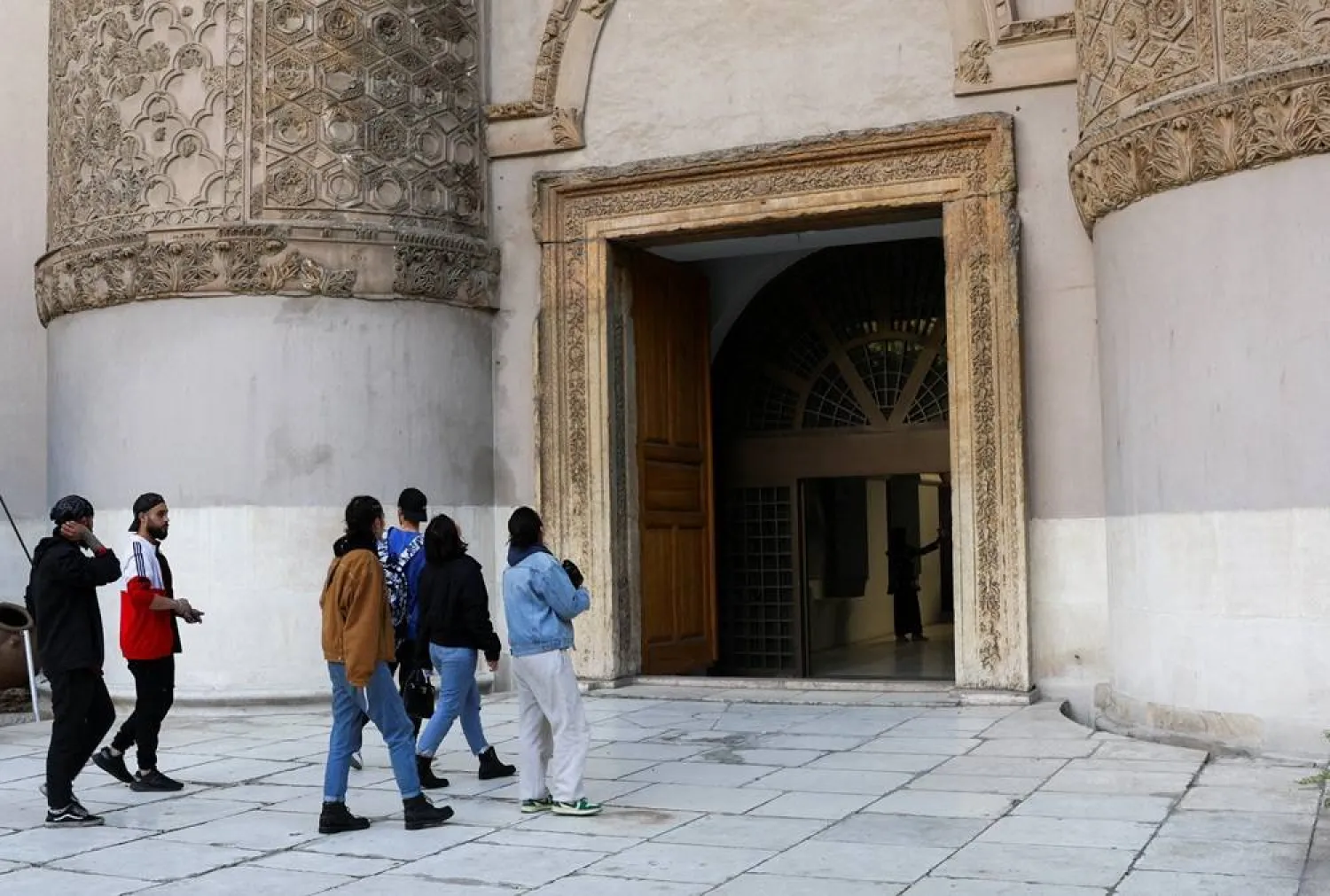
People visit the National Museum of Damascus after it reopened, a month after the ousting of Syrian President Bashar al-Assad, in Damascus, Syria, January 9, 2025. (Reuters)
TT

Syria Opens Probe into Robbery at National Museum

People visit the National Museum of Damascus after it reopened, a month after the ousting of Syrian President Bashar al-Assad, in Damascus, Syria, January 9, 2025. (Reuters)

Syrian authorities have temporarily closed the national museum in Damascus and launched an investigation after thieves made off with several pieces, an official told AFP on Wednesday.

The robbery took place overnight Sunday to Monday in the so-called classical wing of the facility, which was spared during Syria's civil war between 2011 and late last year and which houses priceless artifacts dating back to antiquity.

"Official investigations have begun and the museum will remain closed temporarily until the collection of evidence has finished," the official said, requesting anonymity.

"An inventory of all the archaeological items is currently underway to ensure no other pieces are missing," they added.

An official from the department overseeing museums, also requesting anonymity, told AFP that "six small Roman-era statues of the goddess Venus" were taken.

An official had previously told AFP that gold ingots were stolen.

Syria's antiquities and museums department said in a statement Tuesday that an official investigation had been opened in coordination with security authorities, without specifying which items were stolen.

It said it had taken "immediate measures to ensure the safety of the collections and support the protection and monitoring system inside the museum".

The classical wing is one of the museum's most important sections, home to artifacts from the Hellenistic, Roman and Byzantine eras.

The museum was closed on Wednesday and a security guard told AFP that "there are no tourist visits until next week".

The national museum had shut its doors due to fears of looting shortly before longtime ruler Bashar al-Assad was deposed last December by an opposition coalition. It reopened in January.

The collections include tens of thousands of items from Syria's long history, ranging from prehistoric tools to Greco-Roman sculptures to pieces of Islamic art.

During the civil war, many pieces stored elsewhere in the country were brought to the facility for safekeeping.

The war saw archaeological sites bombed, museums looted and many artifacts stolen, generating millions of dollars for traffickers.



Saudi Pavilion at Makkah's Global Village Showcases the Kingdom’s Culture

Saudi Pavilion at Makkah's Global Village Showcases the Kingdom’s Culture
TT

Saudi Pavilion at Makkah's Global Village Showcases the Kingdom’s Culture

Saudi Pavilion at Makkah's Global Village Showcases the Kingdom’s Culture

The Saudi pavilion at Global Village in Makkah, part of the Makkah winter season, reflects the richness and uniqueness of the Kingdom's culture and heritage.

It features interactive and engaging sections that introduce visitors to the Kingdom’s cultural heritage, including live demonstrations of traditional handicrafts and artwork inspired by the local environment, SPA reported.

The pavilion’s presence at Global Village reflects ongoing efforts to highlight the nation’s cultural heritage, promote its civilizational legacy, and strengthen its cultural presence at major events.


Culinary Arts Commission Joins 17th Klija Festival in Buraidah as Strategic Partner

Culinary Arts Commission Joins 17th Klija Festival in Buraidah as Strategic Partner
TT

Culinary Arts Commission Joins 17th Klija Festival in Buraidah as Strategic Partner

Culinary Arts Commission Joins 17th Klija Festival in Buraidah as Strategic Partner

The Culinary Arts Commission is participating as a strategic partner in the 17th Klija Festival, held in the city of Buraidah and running until January 17, under the patronage of Qassim Region Governor Prince Dr. Faisal bin Mishaal.

The commission’s involvement comes as part of its strategy to support events and festivals specializing in Saudi culinary arts by highlighting national and regional dishes and showcasing the Kingdom’s culinary and cultural diversity, SPA reported.

The festival features several zones and interactive activities aimed at supporting families working in the cottage industry and local artisans who produce Klija, while introducing visitors to its history and authenticity as a regional dish of Qassim, in addition to offering live demonstrations and unique interactive experiences.

During the festival, the commission is also presenting a selection of books available for viewing and purchase.


Jeddah’s Red Sea Museum Announces January Cultural Program

The program's themes span traditional architecture, historical photography, music, travel literature, and the history of navigation and public health in the Red Sea. (SPA)
TT

Jeddah’s Red Sea Museum Announces January Cultural Program

The program's themes span traditional architecture, historical photography, music, travel literature, and the history of navigation and public health in the Red Sea. (SPA)

Jeddah's Red Sea Museum announced the launch of its public program for January 2026, featuring a series of artistic workshops, cultural talks, live performances, and family activities. The program aims to connect the Red Sea's cultural heritage with contemporary creative practices, catering to various segments of society.

The program's themes span traditional architecture, historical photography, music, travel literature, and the history of navigation and public health in the Red Sea. These activities are presented through a cultural and educational agenda held across the museum's facilities and venues in Historic Jeddah.

The program begins on Tuesday, with a workshop titled "Junior Cartographers" in the Discovery Room, where children aged 6 to 12 will explore the art of mapmaking and the fundamentals of navigation through an engaging, interactive approach. On January 15, the "Alchemy of Light: Albumen Prints" workshop will be held at the auditorium, highlighting the historical albumen printing technique using egg whites and silver salts, and exploring 19th-century photography aesthetics through a contemporary perspective.

On January 17, a talk about Historic Jeddah will discuss traditional architecture and its relationship to heritage and modernity. This will be followed on January 18, by the "Navigation from Past to Present" workshop at the auditorium, offering an interactive experience that explores the evolution of navigation methods through hands-on artistic and practical activities.

On January 22, the program includes the screening of the animated film "The Menace from Above" at the auditorium. Later that evening, Bab Al-Bunt Courtyard will host the Al Nour Wal Amal Orchestra, the world's only musical ensemble composed entirely of blind female musicians who perform using Braille musical notation, in a performance celebrating art, resilience, and diversity.

On January 23, an artist talk titled "The Gate of Gates" will be held in Historic Jeddah, documenting the transformations of the Bab Al-Bunt building and the human stories connected to this historic space. On January 28, the auditorium will host a talk titled "Encounters: Travel Literature," exploring journeys to Andalusia and Sicily and how Islamic heritage continues to live on through people and places.

The program concludes on January 31, with a lecture examining the development of quarantine systems and public health monitoring in the Red Sea, highlighting the historical role of Bab Al-Bunt as a quarantine center for pilgrims.

The Red Sea Museum's activities serve as a cultural and knowledge platform dedicated to documenting the Red Sea's tangible, intangible, and natural heritage, and presenting it through educational and interactive programs that foster dialogue between the past and the present, linking heritage with contemporary creative contexts from its headquarters in Historic Jeddah.