


Türkiye Inflation Dips More than Expected to Near 31% 

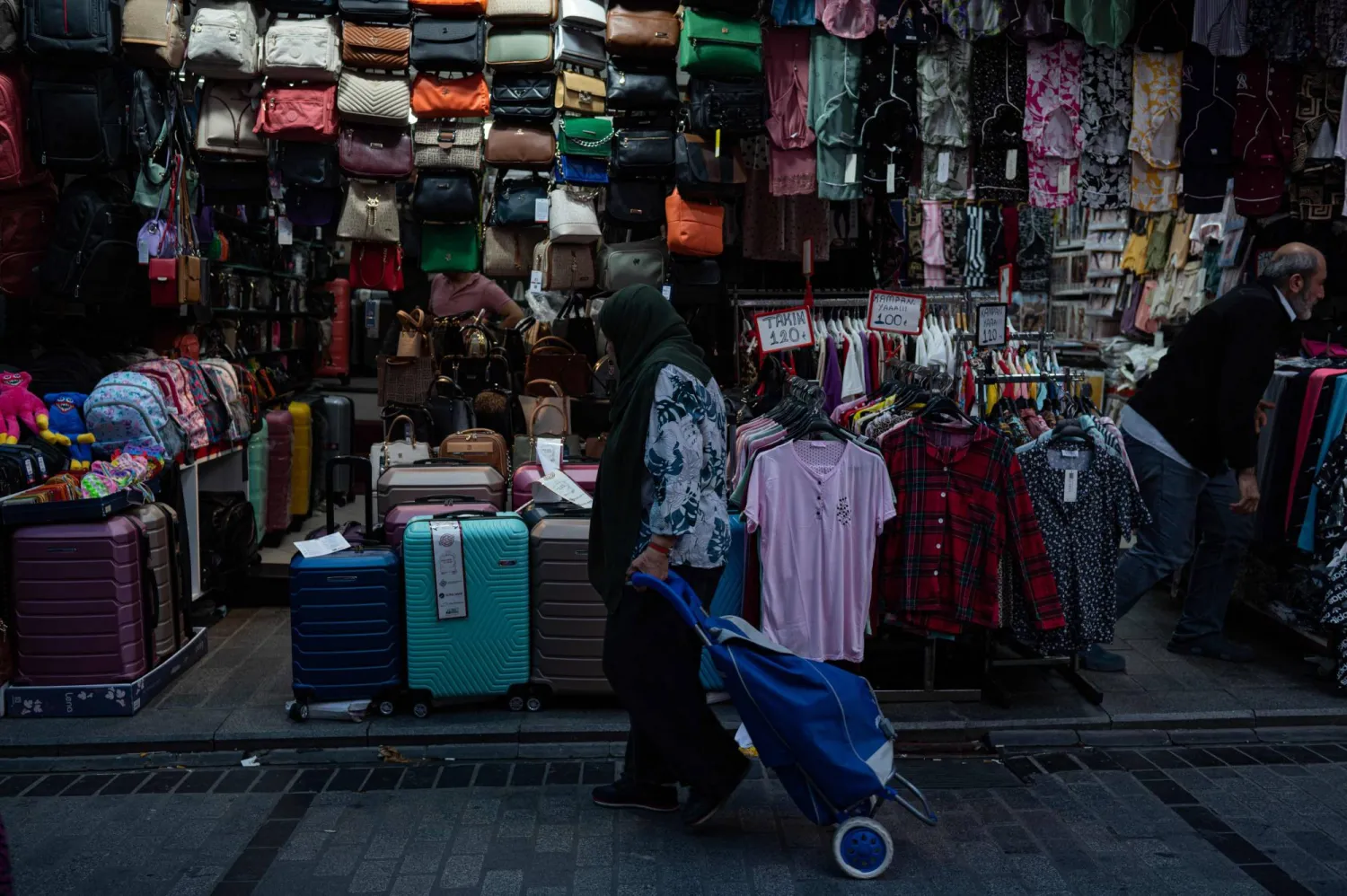
A customer shops at a stall in a bazaar in Istanbul on September 6, 2022. (AFP)
TT

Türkiye Inflation Dips More than Expected to Near 31% 

A customer shops at a stall in a bazaar in Istanbul on September 6, 2022. (AFP)

Turkish inflation eased to 31.07% annually and 0.87% month-on-month in November, both below expectations due to food prices, official data showed on Monday, reinforcing expectations of another interest rate cut next week.

A Reuters poll had forecast annual inflation of 31.6% and a monthly rise of 1.25%.

The monthly figure was depressed by food prices, especially vegetables and fruits, while housing, transportation and entertainment continued to elevate the headline index.

On an annual basis, increases in housing, education and services were prominent, according to the Turkish Statistical Institute.

In October, consumer prices rose 2.55% month-on-month and 32.87% year-on-year. The central bank slowed its easing cycle last month with a 100-basis-point rate cut that brought its policy rate to 39.5%.

Inflation readings were above expectations in August and September but below forecasts in October and November, reinforcing views that the disinflation path is regaining momentum.

Unprocessed food prices drove the better than expected inflation, Oyak Securities said in a client note, adding it responded by lowering its year-end inflation forecast to 31.3%.

Oyak predicted a rate cut of 200 basis points next week.

The central bank's end-2025 inflation target stands at 24%, with its forecast range at 31–33%. Markets are watching the bank's final policy meeting of the year for signals on the pace of future easing, with the main rate now at 39.5%.

Last week, the central bank said preliminary data pointed to an improvement in November inflation and reiterated that it would adjust policy as needed to meet its targets, despite a slowdown in the expected disinflation trend earlier in the autumn.

Finance Minister Mehmet Simsek said annual inflation fell to the lowest level in four years, adding that he expected the moderate trend in monthly inflation to continue in December.

The data also showed the domestic producer price index rose 0.84% month-on-month in November, bringing annual PPI inflation to 27.23%.



Saudi Arabia’s Maaden Successfully Raises $1 Billion Through 10-Year International Sukuk

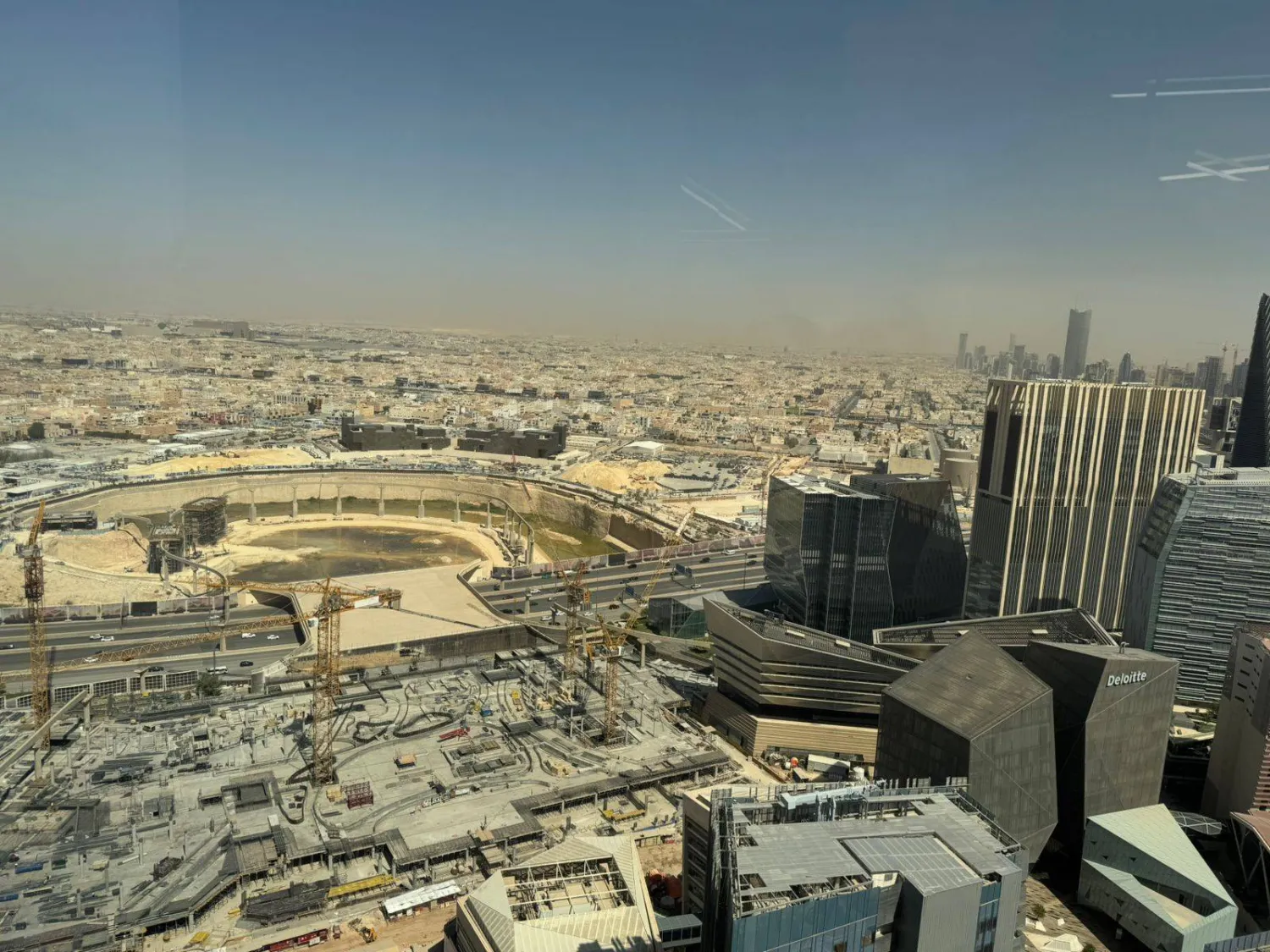
The offering is an important step in Maaden's journey to enhance its financial flexibility. (Asharq Al-Awsat)
TT

Saudi Arabia’s Maaden Successfully Raises $1 Billion Through 10-Year International Sukuk

The offering is an important step in Maaden's journey to enhance its financial flexibility. (Asharq Al-Awsat)

The Saudi Arabian Mining Company (Maaden) announced the successful completion of a dollar-denominated sukuk offering with a total value of $1 billion (approximately 3.75 billion riyals). This issuance is part of the company's international sukuk program, which aims to attract qualified investors from within the Kingdom and abroad to strengthen the company's financial position and support its strategic projects.

In its statement published on the Saudi Stock Exchange (Tadawul) website on Sunday, the company said the offering is a follow-up to its previous announcement on January 22 regarding the start of the subscription process.

The issuance witnessed strong demand, reflecting international investors' confidence in Maaden's financial solvency and the future of the mining sector as a fundamental pillar of Saudi Vision 2030.

According to the statement, the total number of sukuk issued is 5,000, with a nominal value of $200,000 per sukuk. The company set the sukuk yield at 5.250 percent per annum, with a maturity period extending to 10 years, reflecting the company's ability to obtain long-term financing at competitive costs in international markets.

Maaden indicated that these sukuk will be listed on the International Securities Market of the London Stock Exchange. It also confirmed that the sale process will be conducted in accordance with applicable international regulations, including “Regulation S” and “Rule 144A” of the US Securities Act of 1933, as amended, which are standards that ensure the issuance reaches a broad base of global investment institutions.

Regarding the redemption conditions, the company stated that the sukuk may be redeemed in certain pre-defined cases, in accordance with the terms and conditions detailed in the offering document for the issuance.

The offering is an important step in Maaden's journey to enhance its financial flexibility at a time when the company is experiencing rapid growth and expansion in its portfolio of mining assets inside and outside the Kingdom.


Lenovo: Saudi Arabia Capable of Hosting High-Value Industries

A view of a Lenovo event in Saudi Arabia. (Lenovo)
TT

Lenovo: Saudi Arabia Capable of Hosting High-Value Industries

A view of a Lenovo event in Saudi Arabia. (Lenovo)

China’s Lenovo is betting big on Saudi Arabia, naming Riyadh as its regional base for the Middle East, Türkiye, and Africa as it ramps up manufacturing and research investments to boost the Kingdom’s non-oil economy.

The partnership is set to inject fresh momentum into Saudi Arabia’s non-oil gross domestic product through a large-scale manufacturing facility and an integrated research and development ecosystem aimed at localizing knowledge and building national talent capabilities.

This was outlined by Tareq Alangari, Senior Vice President and President of Lenovo for the Middle East, Türkiye, and Africa, who described the company’s investments in Saudi Arabia as among its most critical global commitments, reflecting a long-term partnership with the Kingdom in digital transformation and economic diversification.

The move is part of a strategic collaboration with “Alat”, covering advanced manufacturing, talent development, innovation, and strengthening regional presence, under a vision that extends beyond the local market to serve broader regional markets.

Market support

Alangari told Asharq Al-Awsat that this commitment rests on two main initiatives that underpin Lenovo’s strategy in the Kingdom.

The first is the establishment of an advanced manufacturing facility spanning 200,000 square meters in Riyadh’s Integrated Logistics Special Zone, scheduled to begin production in 2026. The facility will become a global site producing millions of devices annually, including laptops, smartphones, desktop computers, and servers manufactured in Saudi Arabia.

The second initiative is the establishment of Lenovo’s regional headquarters in Riyadh, which will serve as the leadership center for the Middle East, Türkiye, and Africa.

The headquarters will house leadership, research and development, marketing, retail strategy, and customer engagement functions to support government, commercial, and consumer markets across the region, streamlining decision-making and strengthening proximity to customers and partners.

The company has previously projected that these combined investments could contribute up to $10 billion to Saudi Arabia’s non-oil GDP by 2030, while creating extensive direct and indirect job opportunities and accelerating the development of local skills in advanced technologies and artificial intelligence.

Supply chain resilience

Alangari said the company’s approach in Saudi Arabia is not based on short-term deals, but on a transformational vision aimed at strengthening regional supply chain resilience, deepening local partnerships, and supporting Saudi Arabia’s ambition to become a global hub for innovation and the manufacturing of sustainable technologies and AI-driven solutions.

Assessing the investment environment, he said Saudi Arabia represents a high-growth market of exceptional strategic importance, driven by economic diversification, rapid adoption of modern technologies, and the expansion of advanced sectors.

This growth, he noted, aligns with Lenovo’s strengths in cloud computing, artificial intelligence, infrastructure modernization, and the digital sector.

In the supply chain, Lenovo’s factory in the Integrated Logistics Special Zone is expected to play a key role in enhancing resilience at the local and regional levels.

Having a production line in the Kingdom, at the heart of the Middle East and Africa, will help reduce delivery times, ease logistical complexities, and improve the ability to respond quickly to market needs, according to Alangari.

Technology localization

In parallel, Lenovo is seeking to localize advanced technologies by building local capabilities, transferring advanced manufacturing expertise, embedding sustainability standards, and developing a supplier ecosystem that supports the Kingdom’s long-term technological leadership.

The company places the development of Saudi talent at the core of its investments. It has launched a national program to develop capabilities in cooperation with Alat, the Human Resources Development Fund, and the Ministry of Industry and Mineral Resources.

The program aims to train Saudi graduates in advanced manufacturing, engineering, AI-enabled operations, and digital technologies through a mix of theoretical education and hands-on training inside the Kingdom and at global manufacturing sites.

As its operations expand, Alangari expects Lenovo’s investments to create thousands of direct and indirect jobs, supported by production growth and the expansion of research and development, manufacturing, and customer experience activities.

He said this integrated ecosystem would boost local innovation, expand the range of advanced technologies manufactured in Saudi Arabia, and help build a sustainable technology environment in line with the Kingdom’s economic and industrial ambitions.


Fitch Revises Türkiye's Outlook to Positive

 A man selling roasted chestnuts talks to a customer at the Eminonu commercial district, in Istanbul, Türkiye, Friday, Jan. 23, 2026. (AP)
A man selling roasted chestnuts talks to a customer at the Eminonu commercial district, in Istanbul, Türkiye, Friday, Jan. 23, 2026. (AP)
TT

Fitch Revises Türkiye's Outlook to Positive

 A man selling roasted chestnuts talks to a customer at the Eminonu commercial district, in Istanbul, Türkiye, Friday, Jan. 23, 2026. (AP)
A man selling roasted chestnuts talks to a customer at the Eminonu commercial district, in Istanbul, Türkiye, Friday, Jan. 23, 2026. (AP)

Global credit ratings agency Fitch revised Türkiye’s outlook to “positive” from “stable” on Friday, citing a faster-than-expected buildup in foreign exchange reserves that has reduced external vulnerabilities.

The agency also affirmed the country’s long-term foreign-currency rating at “BB-.”

Annual inflation dipped to 30.89% in December, slightly below expectations. Consumer prices rose 30.9% year-over-year, with a 0.89% monthly increase.

On Thursday, Türkiye’s central bank lowered its key interest rate by a less-than-expected 100 basis-points to 37%, citing firming inflation, pricing behavior and expectations that threaten the disinflation process.

At its first policy meeting of the year, chaired by Governor Fatih Karahan, the bank also lowered the overnight lending rate from 41% to 40% and the overnight borrowing rate from 36.5% to 35.5%.

The cut to the one-week repo rate at the Monetary Policy Committee (MPC) meeting marked its fifth consecutive easing move since last July.

In December, the Central Bank cut its policy rate by 150 basis-points to 38%, amid softer-than-expected November inflation.

In October, the country’s central bank slowed its easing cycle with a 100 basis-point cut in its policy interest rate to 39.5%, flagging renewed inflation risks that pointed to a slowdown in a longer-term disinflation process.