



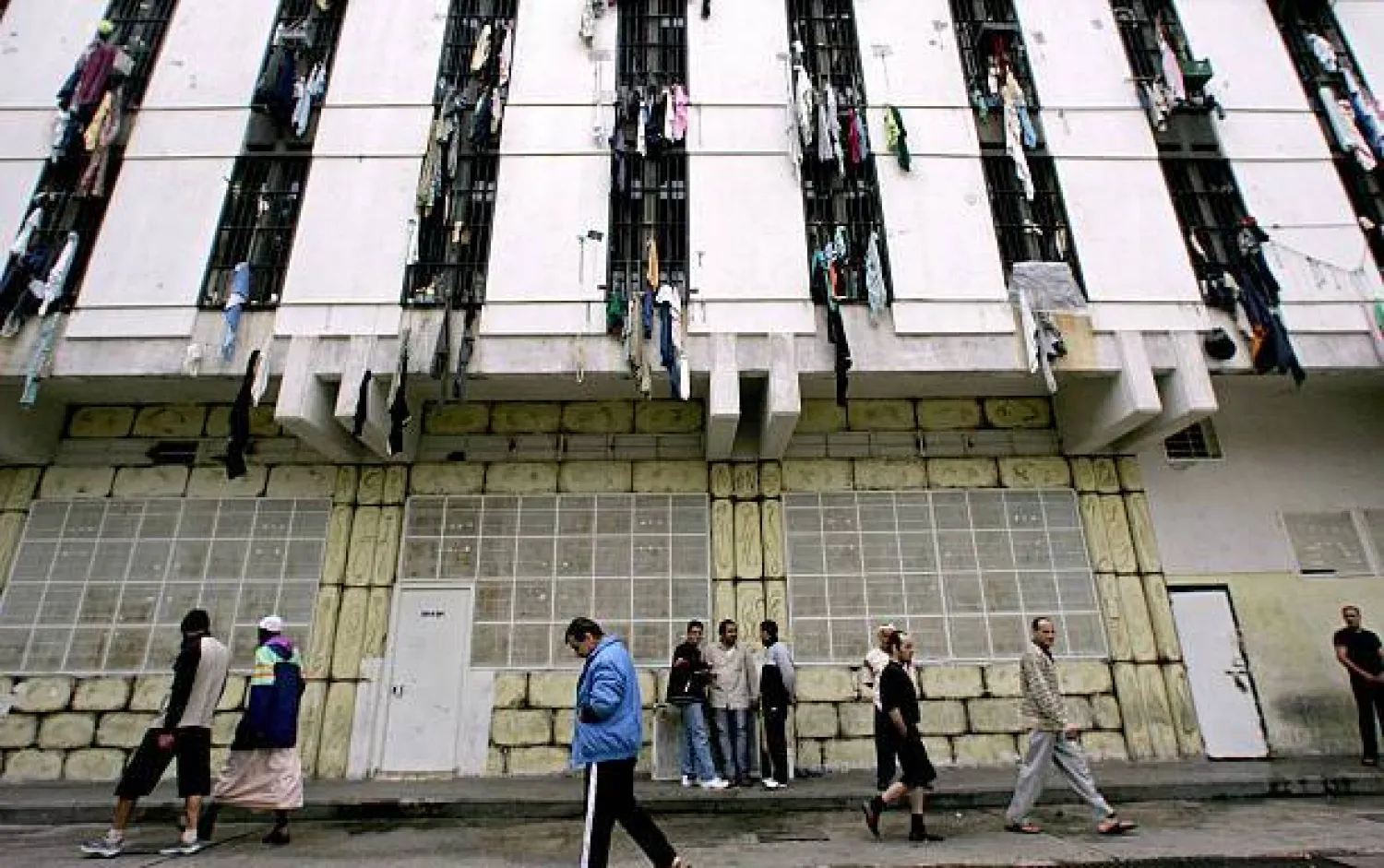

A Lebanese judicial delegation has returned from Damascus empty-handed, failing to secure the breakthrough it sought on a new treaty governing the transfer of Syrian prisoners held in Lebanon.
The talks instead laid bare deep rifts between the two sides, with Syria rejecting most of the proposed text and arguing that it fell short of even the minimum required to ensure the return of its nationals.
No agreement on all points
Even so, the Lebanese delegation sought to play down the gaps. A source close to the team said the atmosphere was positive but that there was no agreement on all points.
The source told Asharq Al-Awsat that Lebanon was cooperating with Damascus on the Syrian detainee file and appreciated Syria’s desire to complete the trials of those held in Lebanon or allow convicts to serve their sentences on Syrian territory.
The source acknowledged that the draft treaty applied only to convicts and did not include those still on trial, since handing over detainees requires a law issued by the Lebanese parliament, which is not currently possible.
Lebanon’s efforts to show flexibility did not receive a similar response in Damascus. Sources familiar with the meeting held in the Syrian capital described the draft agreement as loaded with problematic provisions and said it was unacceptable.
They said the two sides remained locked in disputes over two articles that Damascus viewed as attempts by Lebanon to sidestep understandings reached during talks in Damascus last month.
One article states that the transferring state, Lebanon, may refuse to hand over any convict or detainee without providing justification, based on considerations specific to it.
The sources said this effectively gave Lebanon the right to refuse the transfer of any Syrian prisoner without being required to present legal grounds.
The second, more sensitive, provision for the Syrians concerned what they saw as interference in the powers of Syrian authorities.
The sources said Article 10 of the treaty, which Lebanon intended to model after its agreement with Pakistan, stipulated that Syria, as the receiving state, may not grant amnesty to any convict or detainee handed over by Lebanon.
The agreement with Pakistan does not prohibit Islamabad from granting amnesty to its nationals returned from Lebanon.
The sources said Syria had already discussed all aspects of the agreement during its delegation’s visit to Beirut and had expressed a desire for Lebanon to facilitate the transfer of convicts and detainees under a clear mechanism that respects Lebanese sovereignty and applicable laws.
This mechanism would ban any Syrian who had been detained or convicted in Lebanon from reentering the country, and would allow Lebanese authorities to arrest and prosecute anyone who violates the ban.
Syrian dissatisfaction
Sources who followed Wednesday’s meeting in Damascus said the Syrian side was deeply dissatisfied with what it saw as Lebanese intransigence and a lack of flexibility, particularly since some of the convicts covered by the treaty have spent more than 11 years in Lebanese prisons.
Others remained in pretrial detention for years before their sentences were issued.
Damascus also informed the Lebanese delegation that it would not request the return of anyone proven to have killed Lebanese soldiers or carried out bombings that caused civilian casualties.
Tensions around the file heightened after the Lebanese delegation left Damascus without setting a date for another round of negotiations.
The sources expressed concern that Syria’s rejection of the draft could halt the dialogue altogether and strain bilateral relations.
Damascus has repeatedly said that establishing stable and strong ties requires a final resolution to the Syrian prisoners’ file in Lebanon, especially since most Syrians detained or convicted on terrorism charges had been part of the Syrian uprising, and their arrest and prosecution in Lebanon stemmed from their political choices.


