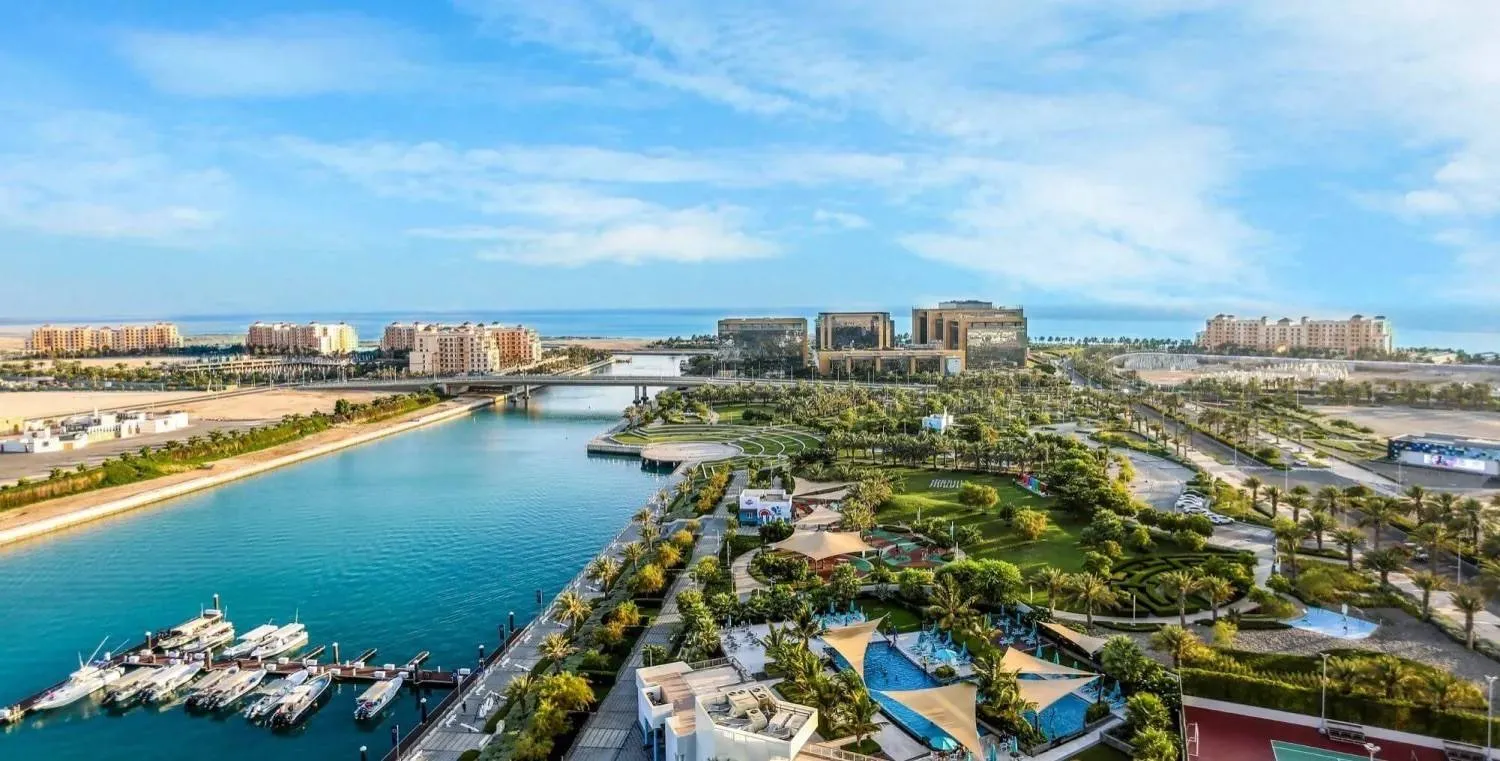
Saudi Arabia's real estate market is entering a new phase of openness to international capital, driven by new regulations governing non-Saudi ownership of property and defining the geographic areas where such ownership is permitted. The move reinforces the Kingdom's efforts to establish itself as a global destination for real estate investment, amid growing interest from international investors and investment funds.
Government entities and a number of real estate development companies are seeking to attract investors to the Saudi market through participation in the inaugural Saudi Luxury Real Estate Exhibition, in strategic partnership with the General Real Estate Authority. The event brings together a number of Saudi real estate developers, along with investors, family offices and industry specialists from Britain and international markets.
Taiseer bin Mohammed Al-Mufarrej, official spokesman for the General Real Estate Authority, said the authority's participation in the Saudi Luxury Real Estate Exhibition reflects its role in raising awareness of the Kingdom's new real estate regulatory framework, particularly the recently approved system governing non-Saudi ownership of property, as well as informing investors about the geographic areas designated for ownership.
Al-Mufarrej told Asharq Al-Awsat that the authority's presence at the exhibition goes beyond explaining the new regulations to include direct engagement with investors, answering their questions and clarifying the process for beneficiaries, whether they are buyers, investors or real estate brokers, through to the completion of transactions related to non-Saudi ownership.
He noted that the Saudi Properties platform serves as a key channel for real estate transactions covered by the new system. The authority is using its participation to familiarize investors with the "customer journey" and the mechanisms for using the platform, providing a clearer picture for those seeking to enter the Saudi market and capitalize on the opportunities available.
International Funds Show Interest
The authority's participation was not limited to its exhibition booth. Alongside the event, it organized a series of workshops, panel sessions and roundtables aimed directly at investors, in cooperation with a number of Saudi government entities and private-sector institutions.
Al-Mufarrej revealed that a roundtable was held specifically for international investment funds, with participation from the Saudi-British Business Council. The initiative reflects growing interest in attracting institutional capital to Saudi Arabia's real estate sector, while broadening the investor base targeted by the new regulations.
He said the meetings provided an opportunity for direct dialogue with investors and for hearing their questions about ownership mechanisms, available opportunities and the nature of the market, at a time when the sector's regulatory environment is undergoing changes aimed at enhancing transparency and making the market more attractive to investors both inside and outside the Kingdom.
Riyadh and Jeddah... Makkah and Madinah
According to Al-Mufarrej, the authority's participation demonstrated a high level of interest in the system governing non-Saudi property ownership, from both investors and exhibition visitors seeking real estate in the Kingdom.
He noted that interest is not limited to Riyadh and Jeddah, but also extends to Makkah and Madinah, which are attracting particular attention because of their religious significance and the distinctive nature of real estate demand in the two cities.
"We have seen a very significant impact in raising awareness among investors, visitors and even those looking for property in the Kingdom," he said, noting that inquiries covered the country's major cities, foremost among them Riyadh and Jeddah, as well as Makkah and Madinah.
These developments take on added significance as Saudi Arabia seeks to increase the real estate sector's contribution to the economy and diversify investment channels, alongside major projects, urban expansion and the population and economic growth taking place across the Kingdom's cities.
A "Global Destination for Real Estate Investment"
Al-Mufarrej described attendance at the exhibition as strong, pointing to a notable presence of investors, media outlets and influencers. He viewed this as evidence of the changing perception of the Saudi real estate market among overseas investors.
He said the response to the exhibition "clearly demonstrates that the Kingdom of Saudi Arabia has become a destination for real estate investment in the world," pointing to strong demand among investors and prospective property buyers, whether for investment, ownership or residential purposes.
International interest in the sector comes as Saudi Arabia's real estate market undergoes a broad restructuring of its regulatory and investment framework. The focus is shifting from simply offering real estate opportunities to building a more transparent and accessible environment for investors, beginning with clarity over the areas where ownership is permitted and extending to the procedures and platforms through which investment transactions are conducted.
Al-Mufarrej said the timing of the exhibition coincided with these transformations, making it a platform for raising awareness of the new regulations and engaging directly with investors. He described the event as having come "at a very appropriate time" and contributing to greater awareness of the Kingdom's ownership system.
The growing presence of international investors reflects a broader shift in the Saudi market. Real estate opportunities are no longer driven solely by domestic demand. The Kingdom is increasingly positioning its property sector as a channel for attracting international investment, leveraging regulatory reforms, major projects and the transformation of Saudi cities under the objectives of Saudi Vision 2030.