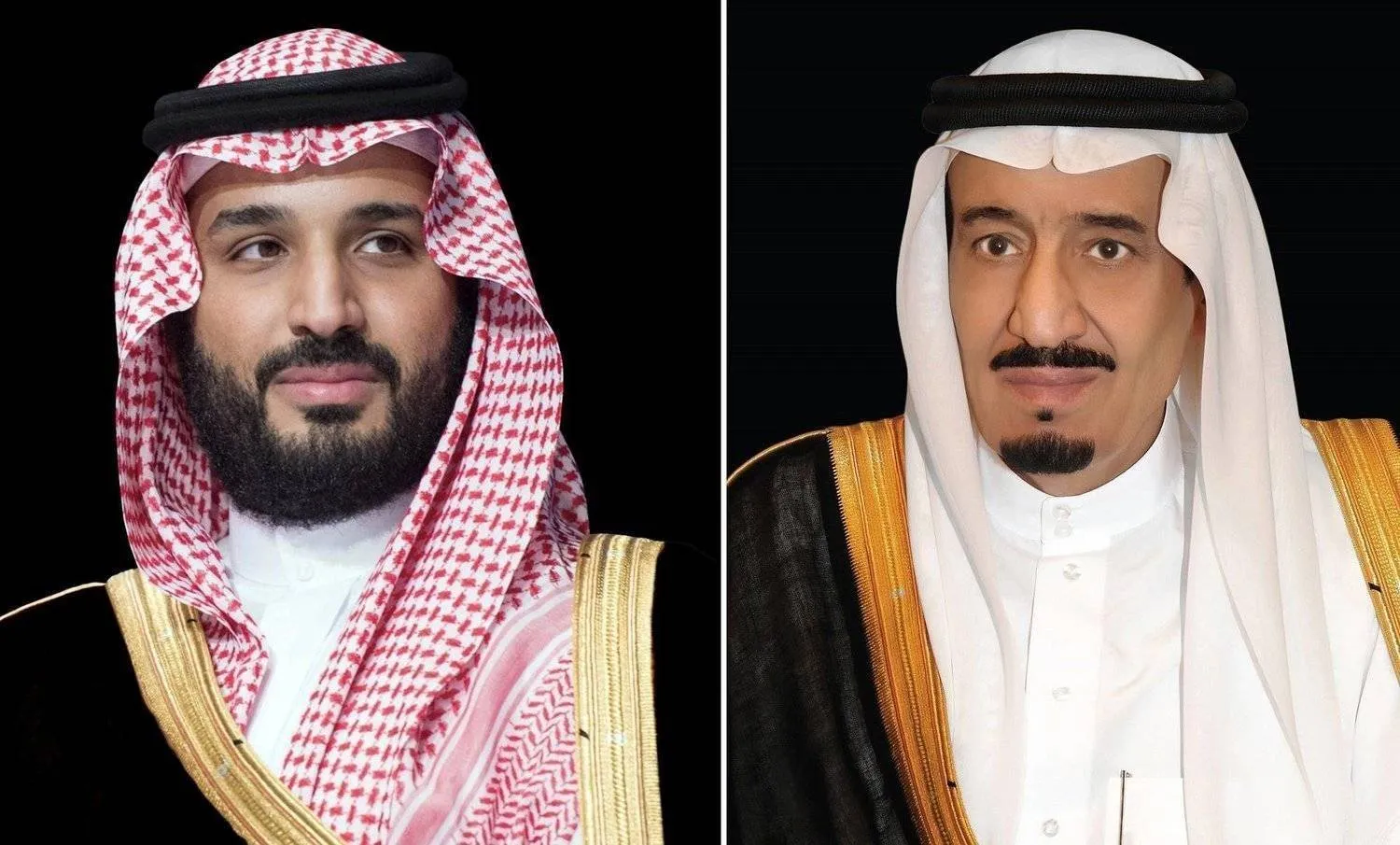

German Chancellor Friedrich Merz will travel to Saudi Arabia on Wednesday for his first official visit, meeting Prince Mohammed bin Salman, Crown Prince and Prime Minister, as Germany looks to strengthen its strategic partnership with the Kingdom. He will be accompanied to Riyadh by a large delegation of German business leaders.
Germany hopes to strengthen its strategic partnership with Saudi Arabia, which it views as an influential regional power. According to sources in the German government, Berlin is seeking "to expand bilateral strategic ties and deepen strategic dialogue" with Riyadh.
The sources said meetings in the Saudi capital would also focus on military defense cooperation, following Germany's amendment of its arms export rules for Saudi Arabia and the removal of previous restrictions.
Among the topics Merz is expected to raise in Riyadh is Iran and how cooperation could help ease regional escalation. Germany is calling on the Iranian authorities to halt what it describes as disproportionate repression of protesters and is urging Tehran to enter urgent diplomatic talks to stop its military nuclear program.
A German government spokesperson said Saudi Arabia is "a key player in regional stability and security," adding that this was the primary reason Germany is keen to cooperate with the Kingdom on regional policy issues.
Berlin is also hoping to conclude several economic agreements with Saudi Arabia, particularly in the energy sector, as it seeks to diversify its energy supplies.
Germany has become heavily reliant on the United States as a major source of liquefied natural gas after halting Russian gas imports due to the war in Ukraine. As relations with Washington change, Germany is seeking to build longer-term and more diversified economic strategies.
Germany is particularly interested in reaching agreements with Saudi Arabia on green hydrogen.
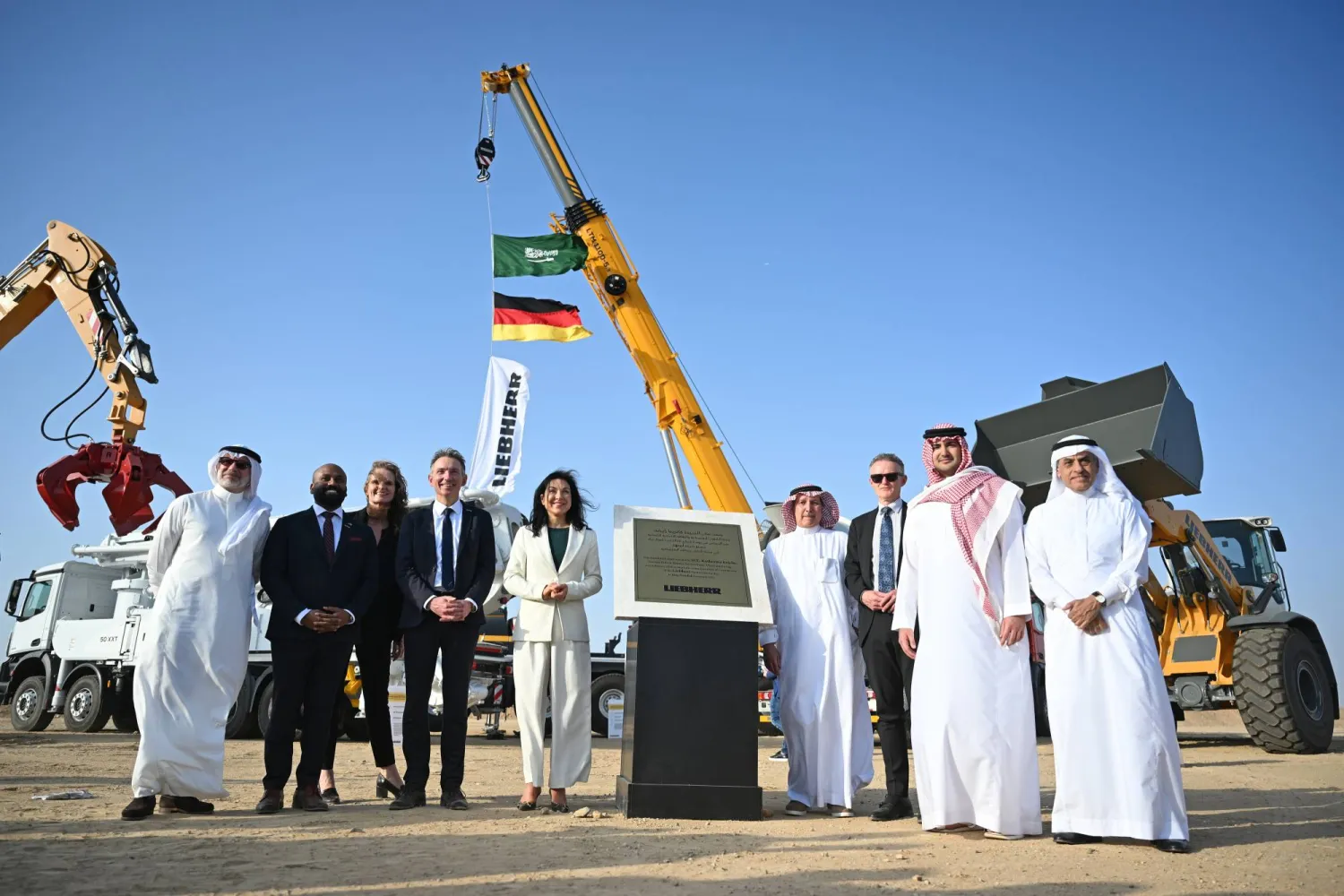
Several German officials have visited the Kingdom in recent days, most recently Economy and Energy Minister Katherina Reiche, who signed agreements with Saudi Energy Minister Prince Abdulaziz bin Salman to boost cooperation in green energy.
Speaking in Riyadh, Reiche said the agreements cover highly pivotal future-oriented fields, including energy, artificial intelligence, hydrogen, industrial value chains, and innovation.
Under the agreements, shipments of ammonia will be sent from the Saudi Red Sea port of Yanbu to the German port of Rostock. The German government is under pressure to deliver tangible results on hydrogen after incorporating it into its national strategy, but progress has so far fallen short of its targets.
Germany believes Saudi Arabia could play a central role in this field thanks to its favorable environment for producing green hydrogen. German companies are already playing a significant role in hydrogen energy projects in the Kingdom.
Thyssenkrupp Nucera, for example, is building what is set to be the world’s largest hydrogen electrolyzer. Parts of the German industry are relying on climate-neutral hydrogen to transition production processes that currently depend on fossil fuels.
Reiche also took part in the 21st session of the Saudi-German Joint Commission for Economic and Technical Cooperation, which discussed ways to strengthen cooperation in energy, industry, and investment, as well as opportunities in renewable energy, hydrogen, technology, and healthcare, according to the Saudi Press Agency.
The Saudi-German Business Council met on Monday and a memorandum of understanding was signed to establish a general framework for cooperation across various energy sectors.
Several other agreements and memoranda of understanding were also signed between public and private sector institutions in both countries, underscoring the strength of bilateral economic relations and highlighting the role of the private sector in supporting joint cooperation.