



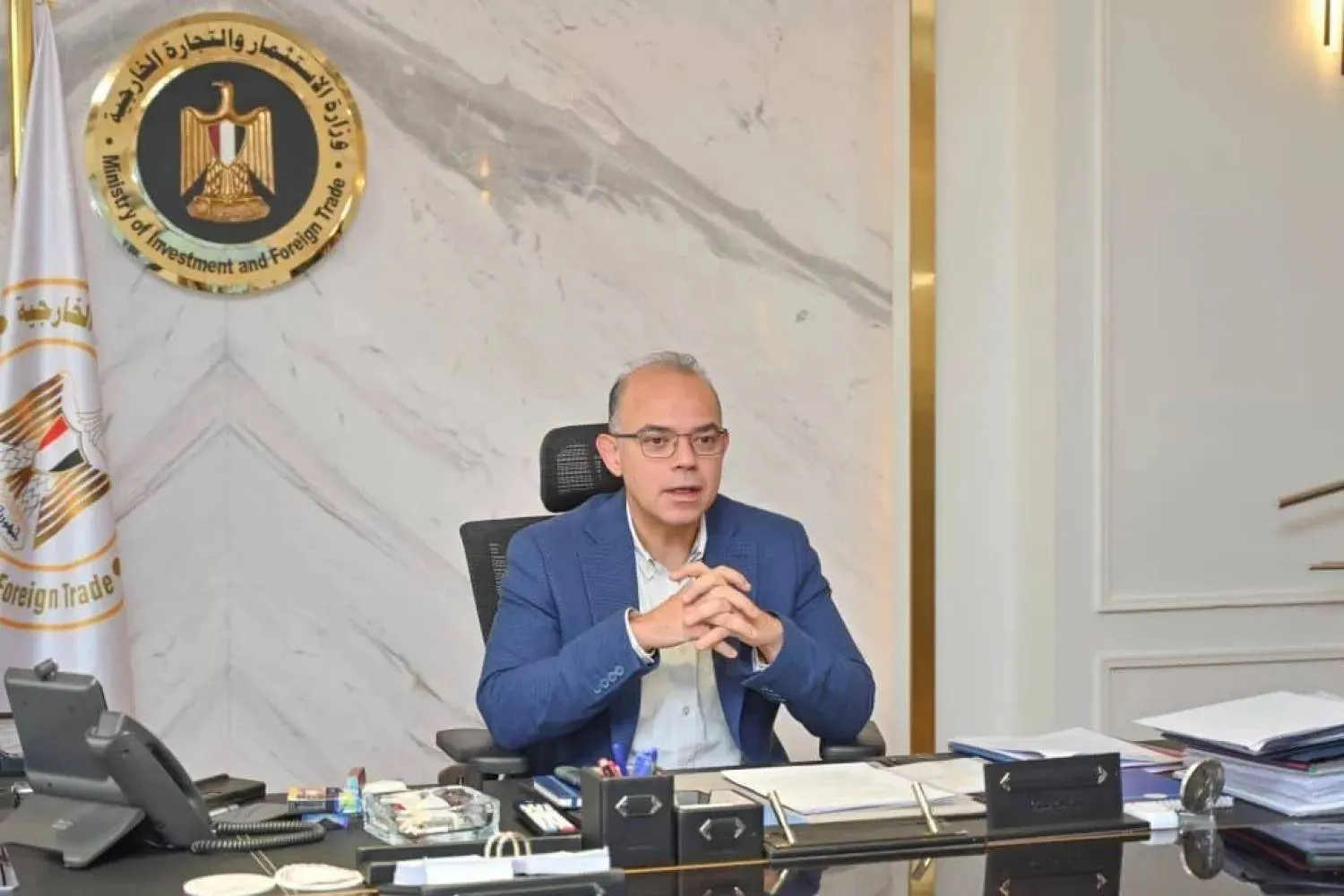

Egypt’s Minister of Investment and Foreign Trade Mohamed Farid said the next phase of the country’s investment climate requires moving beyond traditional financial technology toward more advanced applications, including supervisory technology (SupTech) and TradeTech, to boost market efficiency, competitiveness and support for investment and trade.
Speaking at the fourth edition of the “Disruptech Sharm 2026 – Fintech and Beyond” conference, Farid said TradeTech would play a central role in strengthening domestic and export trade.
The event was attended by 16 global, regional and local investment funds, as well as senior executives from Egyptian and regional investment banks.
Farid explained that TradeTech can enhance data collection and analysis, improve supply chain and logistics management, and connect exporters and traders with service providers. He said that these developments would help reduce costs and raise the competitiveness of Egyptian products in global markets.
He highlighted the government’s coordinated efforts to support innovation, citing regulatory frameworks issued by the Financial Regulatory Authority and the Central Bank of Egypt, alongside recent decisions by the ministerial committee for entrepreneurship, including the Startup Charter.
Together, he said, these measures reflect a clear policy direction toward fostering a more supportive environment for innovation and startups.
The minister revealed that the ministry is studying the establishment of regulatory sandboxes in cooperation with relevant authorities, including the General Organization for Export and Import Control. The initiative aims to facilitate exporters’ operations, enhance investor confidence, and better integrate importers and exporters into logistics and trade services by testing and supporting innovative solutions to upgrade Egypt’s foreign trade system.
Egypt has made notable progress in updating legislative and regulatory frameworks that support innovation and entrepreneurship, particularly within financial oversight institutions, Farid noted.
These reforms have contributed to a more flexible and competitive market, reflected in strong growth in companies operating across consumer finance, microfinance and trade finance, including factoring, he went on to say.
Moreover, he said that the digitization of trade policies and programs will be a priority in the coming period, with an emphasis on building accurate and integrated databases to support decision-making and strengthen economic competitiveness.
Farid also pointed to upcoming steps to ease access to financing for startups that have moved beyond the idea stage, in cooperation with investment funds, enabling them to expand and grow sustainably.
He underscored his personal commitment to following up on the implementation of these initiatives and strengthening engagement with investors and the business community, as Egypt seeks deeper integration into regional and global value chains.


