


Greece… Chevron’s Gateway to Strengthening Europe’s Energy Security

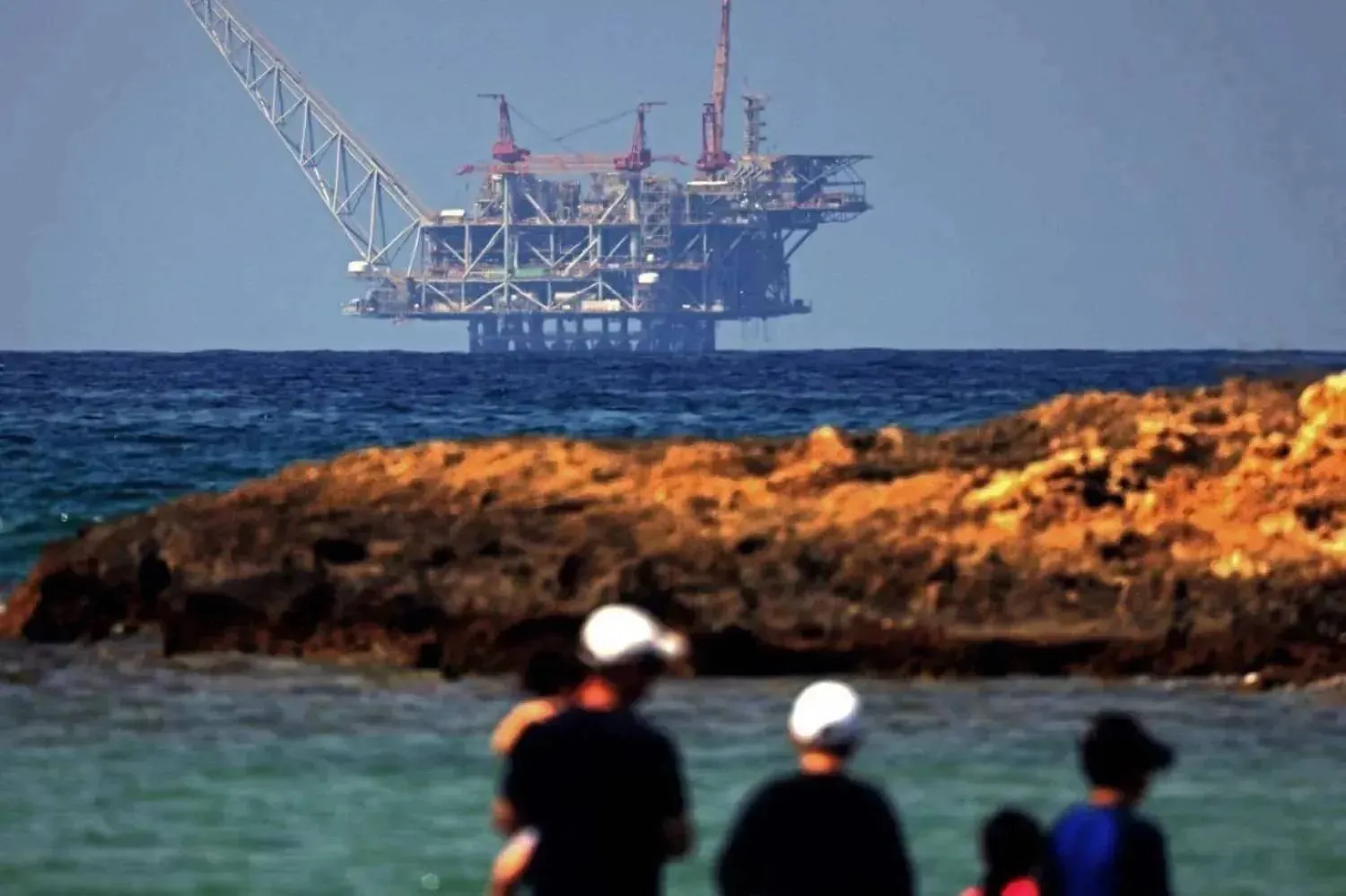
The lease allows Chevron to lead the search for gas in four deep-sea blocks, south of the Peloponnese peninsula and the island of Crete (AFP)
TT

Greece… Chevron’s Gateway to Strengthening Europe’s Energy Security

The lease allows Chevron to lead the search for gas in four deep-sea blocks, south of the Peloponnese peninsula and the island of Crete (AFP)

A consortium led by US oil major Chevron signed exclusive lease agreements on Monday to look for natural gas off southern Greece, expanding the United States' presence in the eastern Mediterranean. The deal doubles the amount of Greek maritime acreage available for exploration and is the second in months involving a US energy major as the European Union seeks to phase out supplies from Russia and the US seeks ‌to replace them.

Exxon ‌Mobil in November joined Energean and Helleniq to search ‌for ⁠gas in another ⁠offshore block in Western Greece. Monday's agreement allows Chevron - which also plans to expand production in Israel - to lead the search for gas in four deep-sea blocks, south of the Peloponnese peninsula and the island of Crete, stretching across 47,000 square kilometers (18,147 square miles). It follows Chevron and Helleniq Energy, Greece's biggest oil refiner, last year winning an international tender.

GREECE SEEKS TO BE A GATEWAY FOR US GAS

Greece, which ⁠has no gas production and relies on gas imports ‌for power generation and domestic consumption, has revived ‌its quest for gas exploration after a 2022 energy price shock driven by Russia's ‌invasion of Ukraine. It also aims to be a gateway for US ‌liquefied natural gas transported via the Vertical Gas Corridor, a route that carries gas from Greece to central Europe and Ukraine. US Ambassador to Greece Kimberly Guilfoyle said US LNG flowing through Greece had strengthened the alliance between the United States and Europe.

"It redraws, ‌quite simply, the energy map of Europe, creating a durable alternative to Russian gas not just for one season ⁠but for generations ⁠to come," Guilfoyle said during a presentation of the contracts in Athens. The European Union is building renewables capacity to cut greenhouse emissions, but has acknowledged the need for natural gas as a transition fuel to help stabilize the grid when intermittent wind and solar energy are not available.

The Greek parliament will need to approve the lease contracts before the Chevron-led consortium can start seismic research later this year. Greece has said the consortium has up to five years to locate potential recoverable deposits and any test drilling would not take place before 2030-2032.


Vision 2030 Redefines Saudi Arabia's Wealth from Oil Supplier to Global Energy Hub

Solar power in Saudi Arabia (SPA)
TT

Vision 2030 Redefines Saudi Arabia's Wealth from Oil Supplier to Global Energy Hub

Solar power in Saudi Arabia (SPA)

Saudi Arabia has chosen to rethink its relationship with its resources, asking a different question: How can we make what we have work to its fullest potential in a rapidly changing world?

This was the essence of Vision 2030, which saw valuable opportunities in diversifying energy sources and maximizing the value of oil and gas to achieve greater prosperity, keeping pace with global environmental changes.

The first clear sign of this shift was the renaming of the Ministry of Petroleum and Mineral Resources to the Ministry of Energy, a clear indication of expanding the horizon from oil and gas alone to a comprehensive energy system that includes renewables at its core.

A Naturally Qualified Land

This choice was not made without study. The Kingdom possesses geographical enablers that give it an exceptional competitive position: a climate conducive to successful solar energy projects, vast areas suitable for wind power projects, and geographical diversity that contributes to the development of hydrogen energy, all supported by accumulated investment capabilities and research expertise.

On this fertile ground, a series of initiatives and projects were launched: The National Renewable Energy Program, the Custodian of the Two Holy Mosques Renewable Energy Initiative, and the establishment of the National Renewable Energy Data Center, followed by solar and wind power projects aimed at enhancing electricity generation efficiency.

The results speak clearly: The production capacity for electricity generation from renewable sources increased from 3 gigawatts in 2020 to 46 gigawatts in 2025. The total number of projects related to this sector reached 64, distributed among 40 solar power projects, 9 wind power projects, and 15 energy storage projects.

Hydrogen: The Big Bet

At the heart of NEOM, an unparalleled project is being born: the green hydrogen project, the largest and first of its kind globally, with a production capacity of 600 tons of green hydrogen per day.

To support this direction, the first phase of the Yanbu Green Hydrogen Hub was launched, equipped with facilities for generating electricity from renewable sources, desalination plants, electrolysis units, facilities for converting hydrogen into green ammonia, and a dedicated export terminal.

The Battery Race

Figures in the energy storage sector are no less exciting; the Kingdom is approaching China in the global battery storage project cost race, with a cost of $409 per kilowatt for projects with a four-hour storage capacity, compared to $404 for China.

The total capacity of proposed energy storage projects reached 30 gigawatt-hours, while 8 gigawatt-hours have been connected to the electricity grid.

In a remarkable achievement, Aramco successfully operated the world's first renewable energy storage system to support gas well production operations, with a capacity of 1 megawatt-hour, capable of supporting 5 wells for 25 years.

This system relies on a Saudi patent and represents a reliable alternative to traditional solar energy solutions, offering high efficiency in harsh climatic conditions and intelligent response to changing energy needs.

SPARK... When Industry Becomes the Value

Vision 2030 recognized that production alone is no longer sufficient, and that true value lies in building industries, localizing supply chains, and enhancing local content. This is where the idea for King Salman Energy Park "SPARK" was born, with investments exceeding 12 billion Saudi Riyals (3.2 billion dollars) and involving more than 60 local and international investors.

SPARK is located in a strategic position close to energy sources, shipping, and export networks, and includes a dry port allowing faster access. So far, 7 factories have been opened, while another 14 are currently under construction.

Balance, Not Compromise

While the world moves towards transitioning to alternatives to oil and gas, the Kingdom adopts a different vision, believing that an accelerated transition could harm global security and growth, given that renewable energy alone cannot fully meet developmental needs.

Therefore, the Kingdom continues to invest in exploring and developing oil fields, most notably the development of the unconventional Jafurah field, the largest of its kind in the Middle East, which will contribute to maximizing the value chains of gas and petrochemical industries.

Thus, the Kingdom walks a fine line, balancing the preservation of global energy supplies with investment in technologies that eliminate carbon emissions, positioning itself today as a comprehensive energy hub and a model of prudent management.


Saudi Vision 2030 Enters Third Phase with 93% of Targets Met

The Saudi capital, Riyadh (SPA)
TT

Saudi Vision 2030 Enters Third Phase with 93% of Targets Met

The Saudi capital, Riyadh (SPA)

Saudi Arabia will enter the third phase of its Vision 2030 reform program in 2026, with 93% of performance indicators having met, exceeded or nearly reached their targets, according to the initiative’s 2025 annual report.

Custodian of the Two Holy Mosques King Salman bin Abdulaziz Al Saud said the Kingdom was moving toward a better future through the achievements of Vision 2030, describing it as a model for harnessing resources and capabilities to deliver broad-based development.

Crown Prince Mohammed bin Salman, for his part, stressed that a decade of reforms under Vision 2030 had produced an “exceptional transformational model,” translating ambitions into tangible results through the efforts of Saudi citizens and state institutions.

“What we have achieved in recent years places upon us a great responsibility to redouble efforts and intensify plans and tools in a way that strengthens gains and ensures sustainable impact,” he stated.

The report highlighted that Saudi Arabia was entering the third and final five-year phase of Vision 2030, running through 2030, after a decade of economic and social reforms aimed at diversification and sustainable growth.

Vision 2030 is structured in three five-year phases. The first, from 2016 to 2020, focused on legislative and institutional foundations, including regulatory reforms, creation of new entities and restructuring of the Public Investment Fund as a driver of growth.

The second phase, from 2021 to 2025, accelerated implementation of national strategies across sectors and regions while investing in new growth opportunities.

Performance indicators

Official data showed 93% of performance indicators under Vision programs had achieved or exceeded annual targets, or were close to doing so.

Of 390 active indicators, 309 met or surpassed interim targets, while 52 had achieved between 85% and 99% of their goals. Of 1,290 active initiatives, 935 have been completed since the launch of the plan, while 225 are progressing on schedule, meaning 90% are either complete or on track.

Economic indicators

Real GDP grew 4.5% in 2025 from a year earlier, the highest annual expansion in three years, while non-oil activities accounted for more than half of the economy, the report said.

Saudi unemployment fell to 7.2% at the end of 2025 from 12.3% at the end of 2016, helped by labor market reforms and broader economic growth. Inflation remained relatively stable at 2.0%.

Major ratings agencies maintained positive sovereign assessments. Moody’s affirmed an Aa3 rating with a stable outlook, while Fitch Ratings and S&P Global Ratings maintained A+ ratings with stable outlooks.

Growth forecasts

The International Monetary Fund forecasts Saudi growth of 3.1% in 2026 and 4.5% in 2027. The World Bank projects growth of 4.3% and 4.4% in those years, while the Organisation for Economic Co-operation and Development forecasts 4.0% and 3.6%. For its part, Saudi Arabia’s Finance Ministry projects growth of 4.6% in 2026 and 3.7% in 2027.

Social and sector reforms

Home ownership among Saudi households rose and participation in physical activity increased. Non-oil exports reached record levels, driven by industrial growth and logistics development, while the Kingdom improved its position in global competitiveness rankings.

Efforts to digitize government services and expand access to data continued, alongside growth in volunteering and volunteer opportunities.

Third phase

The report said the third phase would maintain long-term goals while adapting implementation methods to new requirements.

Governance and regular monitoring of performance indicators would remain central to measuring progress and adjusting course amid global economic shifts requiring flexibility and spending efficiency aligned with national priorities.


Analysts: Vision 2030 Accelerates Saudi Economy Reshaping Through Diversification

Analysts: Vision 2030 Accelerates Saudi Economy Reshaping Through Diversification
TT

Analysts: Vision 2030 Accelerates Saudi Economy Reshaping Through Diversification

Analysts: Vision 2030 Accelerates Saudi Economy Reshaping Through Diversification

Saudi Arabia has successfully reshaped its economic base in recent years, transitioning from a model primarily reliant on oil to a more diverse and sustainable economy, driven by the Vision 2030 programs launched by Crown Prince Mohammed bin Salman.

Saudi Arabia continues its transformative path under Vision 2030, entering a new phase focused on sustainable growth and consolidating achievements, following years of economic and structural reforms that reshaped the national economy.

The 2025 annual report shows that the Kingdom has successfully established a more diverse and resilient economic model, supported by the increasing contribution of non-oil sectors and the expansion of the production and investment base.

This Vision, which included the implementation of over 1,000 legislative reforms, has contributed to improving the business environment, enhancing Saudi Arabia's attractiveness, and building effective and growing economic sectors.

This has positioned the Kingdom among the fastest-growing economies globally, strengthening its ability to face global economic fluctuations.

Furthermore, Vision 2030 has successfully outlined clear strategic objectives to activate Saudi Arabia's economic strengths through the development of key sectors including aviation, tourism, logistics, industry, and mining, among others. This is supported by massive investments and major projects that have reshaped the economy's structure
Non-oil activities have served to bolster the Saudi economy as the “main engine of growth,” which has contributed to enhancing its competitiveness and placing it at the forefront of active economies regionally and globally.

This momentum is based on the expansion of diverse and promising sectors, including tourism and entertainment, as well as industry, transport, and logistics, among others. This has boosted their contribution to the output, after non-oil activities recorded a historic level of 2.6 trillion riyals ($693 billion) in 2024, growing by 6 percent.

Economic Structure Transformation

Hamza Dweik, Head of Trading for the Middle East and North Africa at Saxo Bank, affirms that the results of Vision 2030 have clearly demonstrated “the transformation of the Kingdom's economic structure away from total reliance on oil.”

He pointed to the remarkable expansion in non-oil sectors and the increase in non-oil government revenues, which contributed to reducing the economy's sensitivity to oil price fluctuations.

In remarks to Asharq Al-Awsat, he clarified that institutional and regulatory reforms, including developing the business environment, financial markets, enhancing workforce participation, and attracting foreign investment, have contributed to increasing the inflow of local and international capital, which is a fundamental element in achieving economic diversification. He added that these transformations have altered the investment outlook for Saudi Arabia, which is now seen as a multi-sector economy, supported by the depth of its financial markets and the increase in initial public offerings.

Dweik pointed out that the diversification process is still ongoing, noting that oil will remain an important factor in financing development. He expects the next phase to focus on enhancing productivity and efficiency, ensuring the sustainability of emerging sectors without reliance on government support, emphasizing that the quality of this diversification will be the true measure of future success.

Accelerated Growth of Non-Oil Sectors

Firas Al-Bayrouti, Regional Director for Milestone Systems in Saudi Arabia, states that the features of the new economy are evident in “the accelerated growth of non-oil sectors, increased investments, and continuous development of modern infrastructure.”

He noted that these factors reflect “strategic planning aimed at building a more diverse and resilient economy.”

He added that Vision 2030 has opened wide horizons for vital sectors such as tourism, technology, logistics, and entertainment, in addition to fostering an environment of investment and innovation, with the growing role of the private sector as a key driver of long-term economic growth.

Al-Bayrouti confirmed to Asharq Al-Awsat that data-backed smart technologies will play a pivotal role in the next phase, both in supporting infrastructure and enhancing security and operational efficiency. He pointed out that technology has become an essential part of building more efficient and secure cities and institutions.

Major Projects

Asrar Khazi, Regional Director for Euro Systems in Saudi Arabia, believes that the economic transformation is also embodied in “a comprehensive reformulation of the urban environment.”

He noted that the major projects in the Kingdom have surpassed traditional frameworks, pushing the boundaries of design, engineering, and sustainability to unprecedented levels.
He explained that these projects represent integrated economic systems that contribute to attracting investments and stimulating new sectors, thereby fostering sustainable growth.

Additionally, they form a modern architectural identity that blends advanced technologies with cultural dimensions, citing projects like Diriyah as an example.

Khazi indicated that this trend boosts demand for advanced engineering solutions and contributes to developing local capabilities and supply chains, which creates long-term economic value and strengthens the urban sector's role as a driver of economic diversification.
