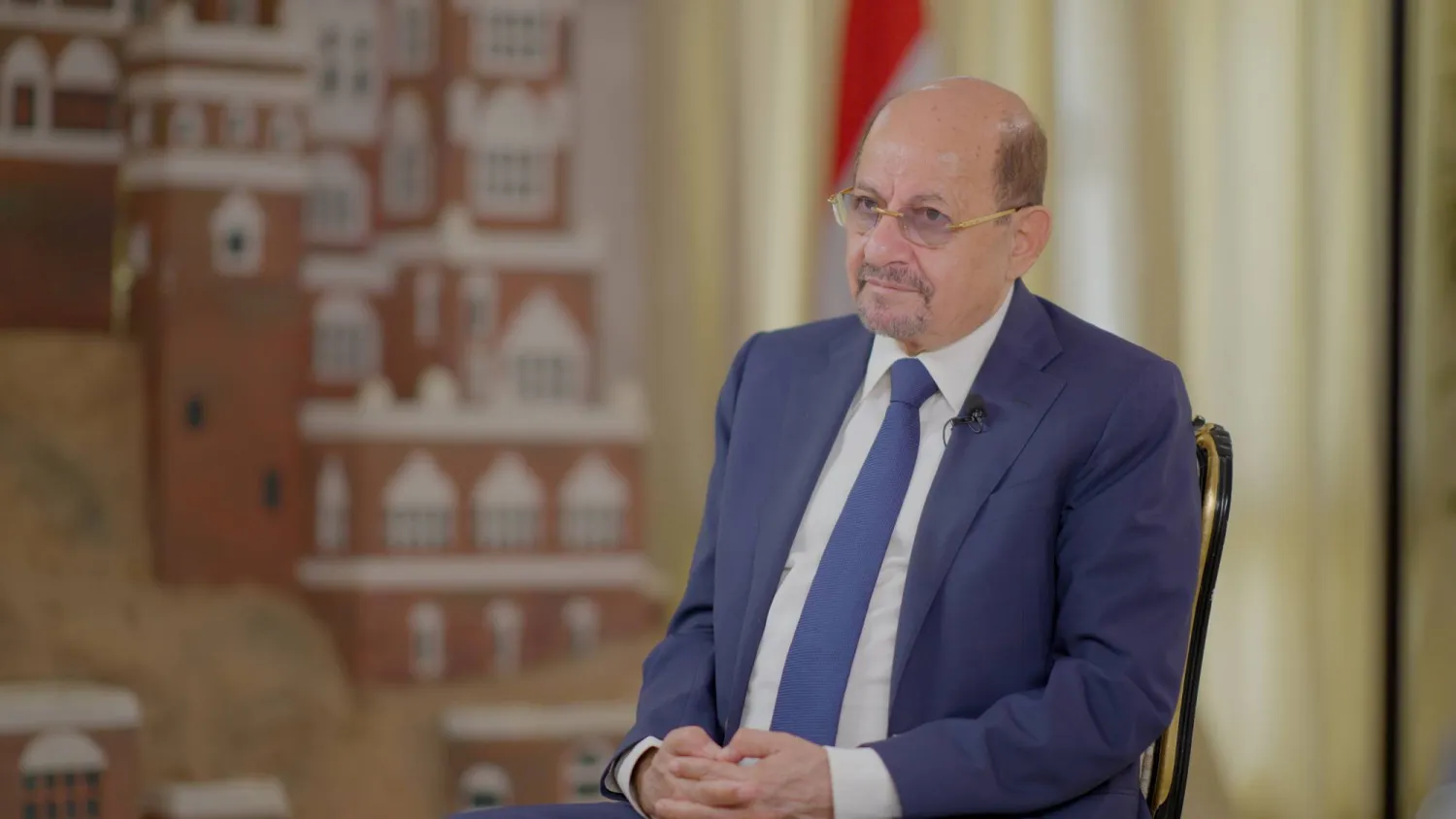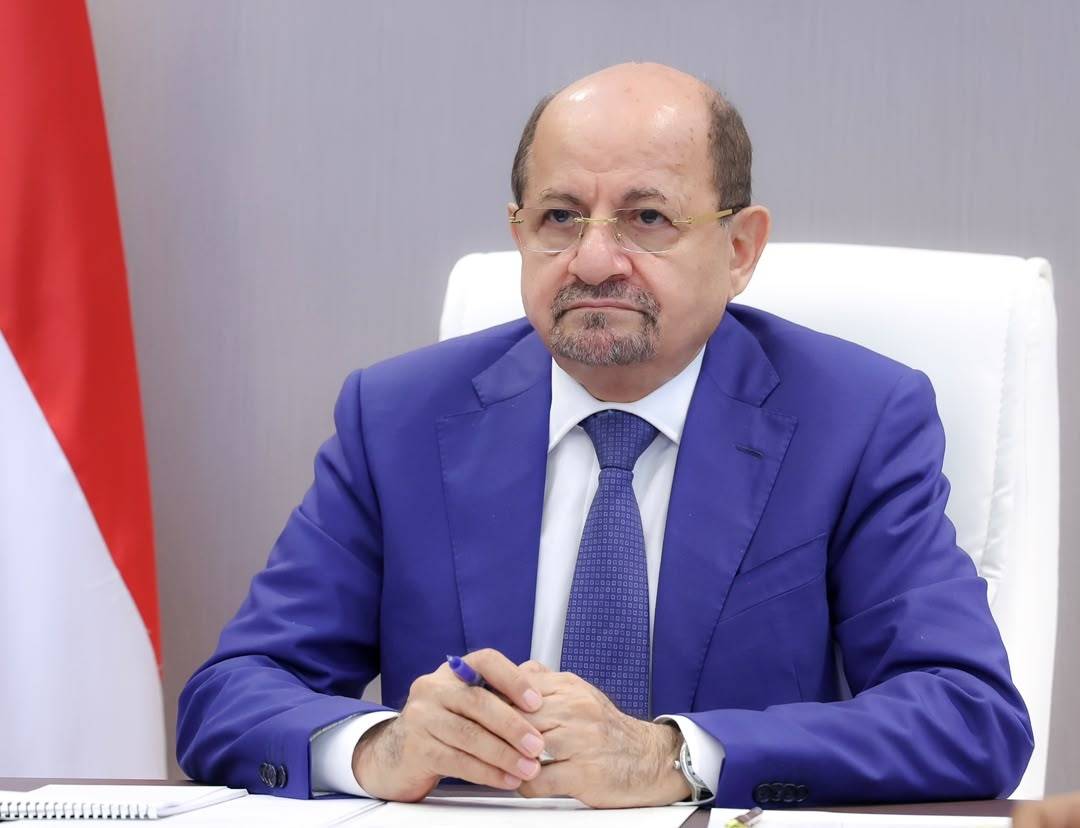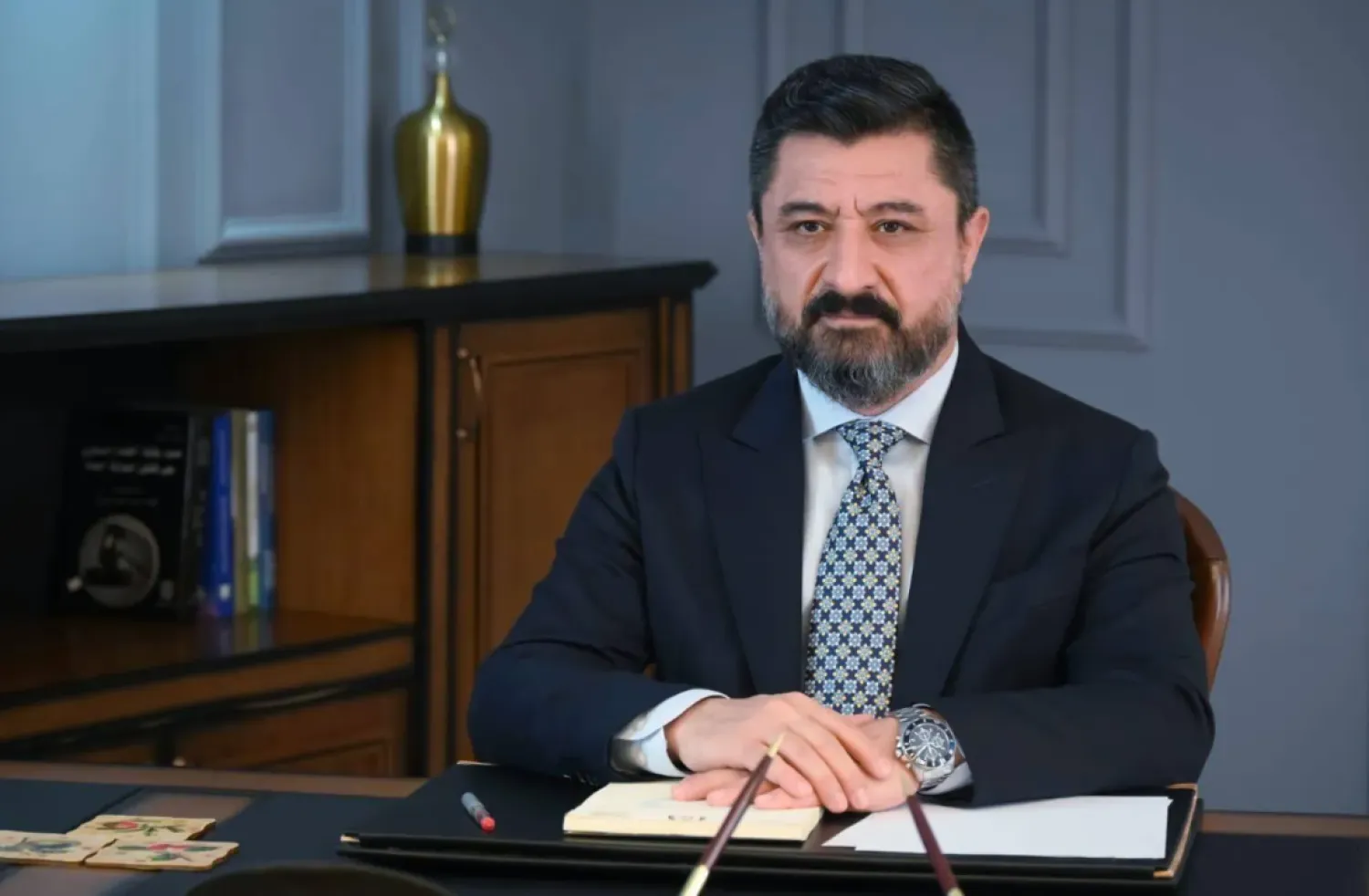

Iraqi Justice Minister Khaled Shwani told Asharq Al-Awsat that Iraq will not repatriate foreign prisoners affiliated with ISIS to their home countries if their involvement in crimes against Iraqi citizens is proven. He said a heavily fortified Iraqi prison currently holds thousands of ISIS members transferred from Syria, stressing that security breaches, escapes, smuggling, or internal unrest are not possible, despite what he described as enormous pressure on judicial institutions and the presence among the detainees of some of the world’s most dangerous terrorists.
Iraq agreed to receive thousands of prisoners suspected of affiliation with ISIS starting January 21. Although the international coalition transferred them in batches from prisons previously overseen by the Syrian Democratic Forces following military operations by the Syrian army in northeastern Syria, Iraqi Prime Minister Mohammed Shia Al-Sudani confirmed that “the decision to receive the prisoners was purely an Iraqi one.”
Since then, Shwani says he has been “working intensively with judicial, government, and security officials” to manage a highly sensitive and dangerous operation aimed at accommodating a large number of prisoners in a way that prevents them from becoming a “ticking time bomb,” and at returning most of them to their countries so that their detention does not turn into a new school for producing extremism.
The Minister was born in the city of Kirkuk, north of Baghdad, in 1975. He has served as Iraq’s justice minister since 2022. He is a lawyer and constitutional expert, and a member of the political bureau of the Patriotic Union of Kurdistan, led by Pavel Talabani.
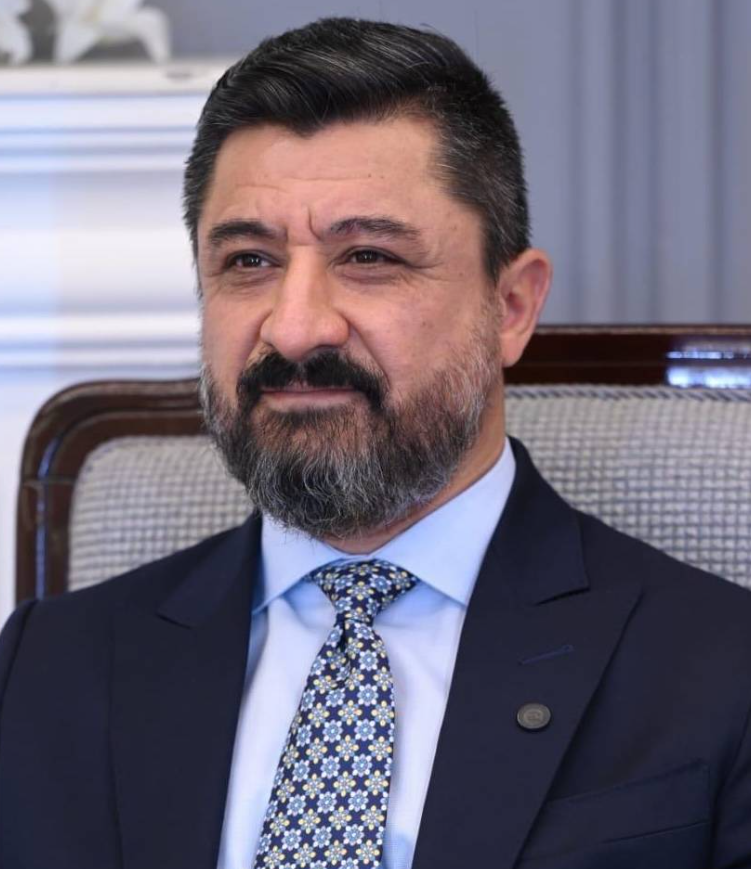
In an exclusive interview with Asharq Al-Awsat, the Iraqi Minister said that taking custody of ISIS prisoners in such large numbers came after major efforts to ease prison overcrowding, but that Iraqi authorities bore the burden in order to safeguard regional security.
According to Shwani, the Justice Ministry has long experience in managing terrorist inmates and confronting extremism. It relies on a program known as the “Moderation Program,” which aims to strip inmates of extremist ideology through multiple means, including vocational training. For this reason, he said, the international community trusts Iraq to house the most dangerous terrorists in its prisons. The following is the full text of the interview:
When the decision was announced to transfer prisoners from Syria to Iraq, was the Justice Ministry ready to receive this number of inmates?
After the Iraqi government agreed to receive the prisoners, the National Security Council of Ministers convened, and preparations began to take custody of them. Certainly, receiving such a large number is neither easy nor simple. It requires large prison facilities, equipment, and security protection, in addition to everything inmates need in correctional institutions, whether for the prisoners themselves or the security requirements to protect the prisons.
Our prisons were already overcrowded. But because we believe in the importance of this issue, and because it is related to protecting regional security from prisoners of an extremely dangerous level, urgent measures had to be taken to prepare prison sections to receive and house them. With the support provided by Prime Minister Mohammed Shia Al-Sudani, and the relevant bodies in government and the judiciary, we were able to succeed. All prisoners received were placed in jail, and we have now provided all prison-related requirements, as well as the security requirements to protect it.
What do you mean by those requirements?
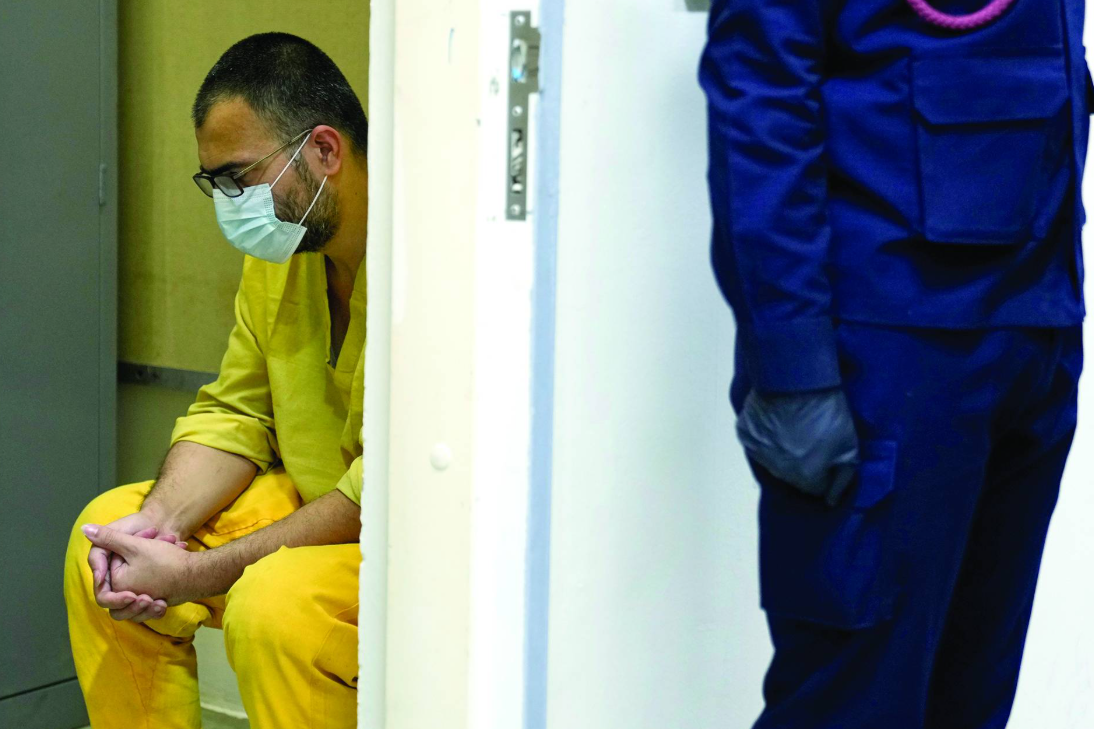
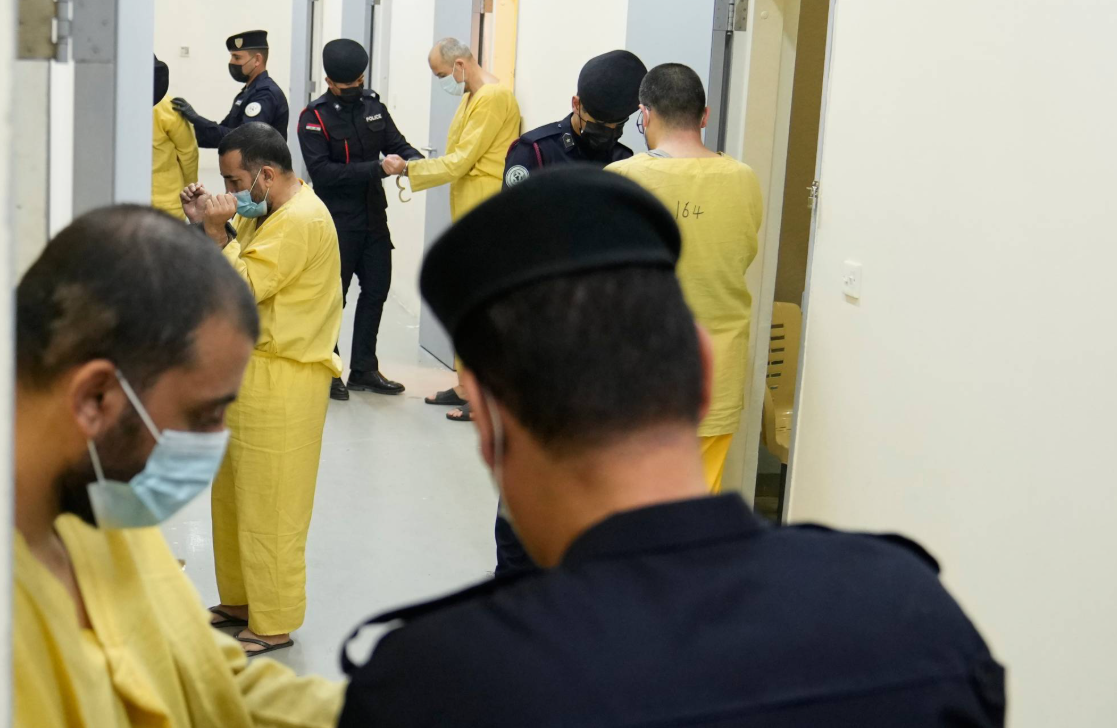
The detainees are now housed in standard prisons with air conditioning, bathrooms, and cleaning supplies. They receive three meals a day and are guarded by a professional staff of guards and investigators. I can say that the judicial institution is dealing with them professionally, likely different from the situation in Syria. Their conditions are now better than they were before their transfer to Iraq.
Has overcrowding increased after the addition of these prisoners? How are they distributed?
Because of the exceptional circumstances Iraq went through, including the occupation of areas by ISIS, earlier bombings by Al-Qaeda and other terrorist groups, as well as organized crime, the prison overcrowding rate when I took office three years ago stood at 300 percent. We put in place a systematic plan and managed to reduce overcrowding to 25 percent above normal capacity.
However, receiving 5,704 prisoners at once caused overcrowding again, because accommodating nearly 6,000 inmates required placing additional strain on other prisons, undermining efforts to ease overcrowding.
Where were they housed?
They were placed in a single prison. The operation is complex because their classification requires housing them in a prison that is tightly secured, fortified, and protected- security-wise, militarily, and intelligence-wise.
How were they housed while in pretrial detention, given that the Justice Ministry deals only with convicted prisoners?
Under Iraqi law, when a detainee is dangerous, a judge has the authority to place him in a secure location from which escape is impossible or feared, and where his protection can be guaranteed. This is not an exceptional case; it is purely legal. They are detainees under judicial decisions, and because of the danger they pose, they were placed in this prison, where they are held away from other prisoners.
How do you bear the burden? How is such a large number of prisoners managed?
There is a heavy burden on us at all levels. We need human resources to run this prison, infrastructure, additional manpower, military and security forces for protection, as well as the costs of housing, maintenance, and providing services to 5,704 prisoners. This is not easy. We face challenges, especially financial ones. But there is communication with the international coalition to bear the costs, and they have expressed readiness in this regard.
How is this matter funded?
There is understanding and communication with the international coalition, which has expressed readiness to bear financial burdens related to housing those prisoners, providing infrastructure and prison supplies, and some security requirements. We prepared a comprehensive project and sent it to the coalition, and we are awaiting their response and procedures.
How many investigators handle the prisoners’ cases?
About 150 investigators are working through the files of thousands of prisoners. They are carrying out enormous work, assisted by a large number of employees and specialized experts.
How are they classified?
We have among them the most dangerous terrorists. They are classified according to security criteria and internationally approved standards for dealing with prisoners. Highly dangerous inmates and those with terrorist ideology do not mix with ordinary prisoners. Our prisons are classified by type of crime, the severity of the offense, and age groups.
How likely is a breach or internal mutiny?
This prison is fortified and cannot be breached. I will not disclose further details, but the site is protected and cannot be penetrated. Nor can we speak of internal mutiny, because the security agencies supporting the Justice Ministry have taken their precautions with full professionalism. This cannot happen.
How are prisoners’ affairs managed inside the prison, and what measures are taken to prevent some from becoming potential hubs for terrorist activity?
First, we are in contact with their countries to repatriate them according to their nationalities once investigations are completed, provided they are not among those who fought Iraq, killed Iraqis, or participated in terrorist activities inside Iraq. Those exceptions will not be returned even if requested. We are working to repatriate the remaining detainees, and the international coalition is working with us to expedite the process.
As for their management, the Justice Ministry has long experience in this field. Other prisons of the same security classification hold dangerous terrorists, including ISIS leaders captured during operations to liberate Iraqi territory from the group. They have been placed in rehabilitation and reform programs.
This includes the “Moderation Program,” which aims to remove extremist ideology through intellectual, cultural, social, sports, and artistic approaches, in addition to vocational training. The program has achieved significant results. We seek to ensure their stay is temporary pending deportation, and during their time in custody we apply established programs and expertise in dealing with high-risk terrorist inmates.
What if efforts to return them fail? What would the situation be if they remain in Iraqi prisons for a long period?
What has been agreed with countries and with the international coalition is to return them as quickly as possible. There is clear coordination on this matter, with the exception of those who fought Iraqi security forces or committed crimes against Iraqis, as I said earlier. Those will be tried and will remain in Iraq.
Are there countries that refuse to take back their nationals?
The matter is still in its early stages, as are the attempts. The international coalition and the United States are working with us to urge countries that have prisoners to receive them, and we will continue these efforts.
Why did the international coalition transfer ISIS prisoners to Iraq?
There may be a political aspect unrelated to the Justice Ministry, but I will highlight clear points: there is trust in the Iraqi defense and security system, trust that Iraq is a partner and an influential state within the international coalition to combat ISIS, and a reliable system to house these prisoners.