
The regional war is imposing heavy economic costs across the Arab region, with preliminary estimates pointing to about $63 billion in regional losses within two weeks, the United Nations Economic and Social Commission for Western Asia (ESCWA) warned in a recently issued policy brief.
Under the title “Conflict and its shockwaves: escalation of a crisis in the Arab region,” the brief warns that if the conflict continues for a month, losses could reach nearly $150 billion, or 3.7% of regional GDP.
ESCWA comprises 21 Arab States: Algeria, Bahrain, Egypt, Iraq, Jordan, Kuwait, Lebanon, Libya, Morocco, Mauritania, Oman, State of Palestine, Qatar, Saudi Arabia, Somalia, Sudan, Syria, Tunisia, United Arab Emirates, Djibouti and Yemen.
The brief affirmed that GCC economies represent the most immediate and globally visible transmission channel of the conflict.
It said the current conflict risks disrupting energy markets, maritime trade routes, aviation networks, supply chains and financial flows, and heightening humanitarian pressure.
It noted that the assessment of GDP losses in the first two weeks assumes a war lasting two weeks and incorporates a reduction in oil production in affected countries of nearly 20 million barrels per day due to disruption to logistic networks.
Concerning natural gas markets, the North-West European liquefied natural gas (LNG) benchmark rose from approximately $28.80/MMBtu to $50.95/MMBtu, representing an 80% increase following disruptions to Qatari LNG production at Ras Laffan and Mesaieed, which together account for roughly 19% of global gas supply.
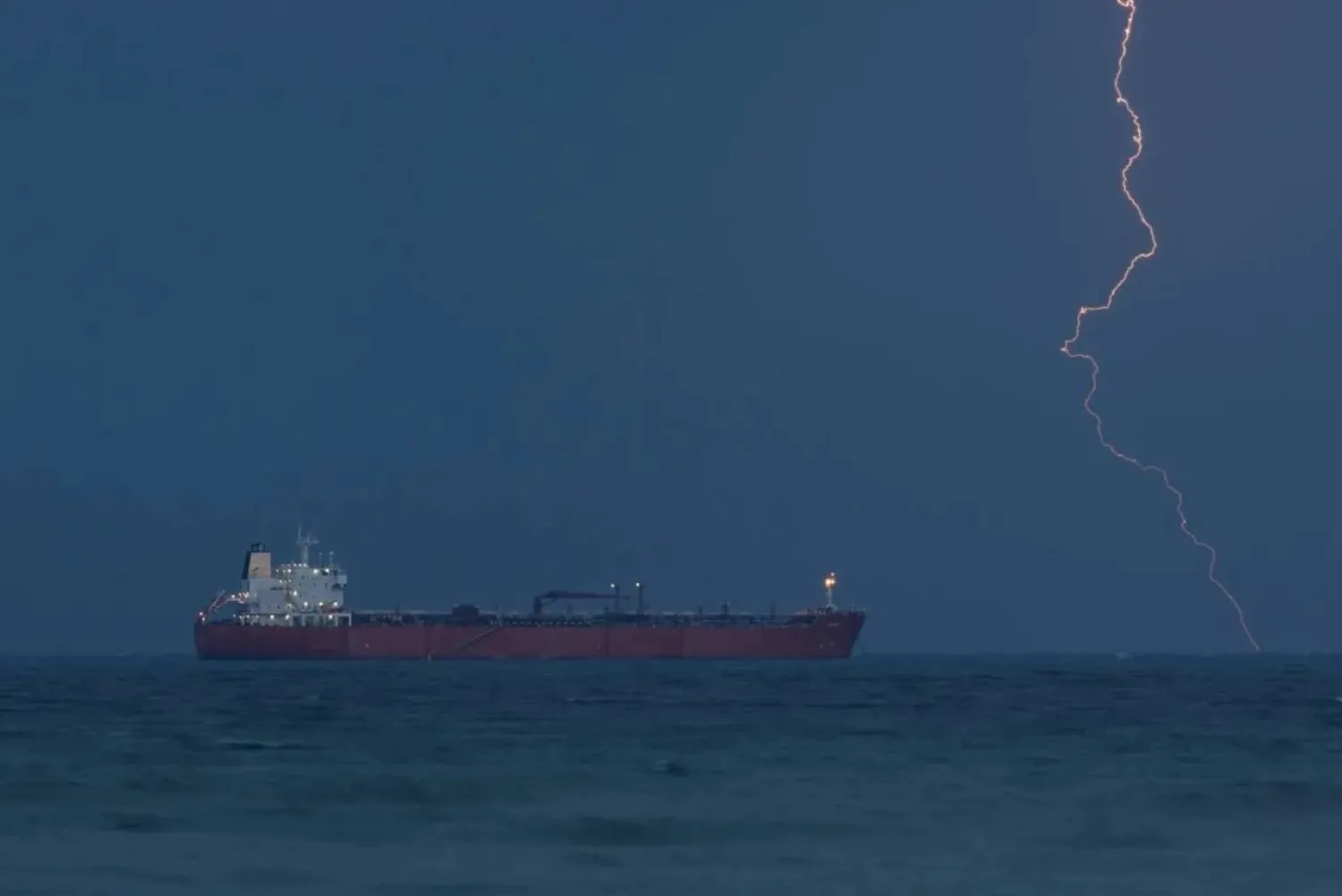
ESCWA said the conflict has also generated severe disruptions to maritime trade flows through the Strait of Hormuz.
Daily vessel arrivals at Gulf ports declined from 95–137 vessels per day before the strikes to around 5 vessels per day by early March 2026, representing a decline of approximately 96–97% in shipping activity.
Based on average cargo values for crude oil, gas, containerized goods and bulk commodities, the implied economic value of disrupted trade is estimated at approximately $2.4 billion per day.
For the first two weeks of the war and under an escalation scenario of one month, ESCWA said cumulative trade losses could reach around $30 billion in the first two weeks and around $55–60 billion within one month.
Also, the brief said transport and logistics networks represent one of the most immediate operational channels through which the conflict affects regional economies.
Airspace closures and security risks forced airlines to suspend operations across major Gulf aviation hubs.
Between 28 February and 12 March 2026, a total of 18,441 flights were cancelled across nine major regional airports, namely Dubai, Doha, Abu Dhabi, Kuwait, Bahrain, Riyadh, Jeddah, Muscat and Beirut.
Using airport-specific revenue estimates based on airline financial data, the estimated airline revenue loss from cancelled flights during the first 12 days of the conflict is approximately $1.9 billion, equivalent to an average of around $102,000 per cancelled flight.
If disruptions persist, cumulative losses could reach around $2.2 billion in the first two weeks and around $3.6 billion within one month.
The repercussions of the current war have extended to hit the economic and social depths of ESCWA's member states.
In Lebanon, Israeli strikes are already generating significant socioeconomic impacts. Escalating airstrikes and widespread displacement had claimed 634 lives by 11 March, and forced over 816,000 to flee their homes.
In Egypt and Tunisia, at $100 per barrel of oil, the additional annual oil import cost amounts to about $6.8 billion compared with levels assumed in their national budgets for 2026.
In the State of Palestine, Somalia, Sudan and Yemen, poverty has risen sharply and continue to face chronically high poverty levels.
According to ESCWA, many Arab economies entered the crisis with high debt and limited fiscal space.
Even before this war, 210 million people (43% of the region’s population) lived in conflict-affected settings, including 82 million needing humanitarian assistance.
ESCWA placed an assessment of the economic costs of the war using two scenario-based approaches that reflect the duration and intensity of the escalation.
Preliminary analysis captures estimates of the impacts observed during the first two weeks of the conflict, while scenario A considers the effects if the war extends to one month.
Scenario B represents a more severe escalation in which the war persists for a year or longer, and generates systemic and potentially catastrophic economic and humanitarian consequences.
The UN agency said the current escalation presents risks that extend beyond immediate economic disruptions.
Rising living costs, weaker job creation and increasing pressure on already strained social protection systems could deepen poverty and inequality while exacerbating an already chronic humanitarian crisis.
“These pressures may also undermine food and water security and risk reversing progress toward the Sustainable Development Goals across the Arab region,” it noted.
ESCWA said in the most severe scenario, the conflict extends beyond a month to one year, escalating major disruption in critical maritime and energy corridors, particularly the Strait of Hormuz and Red Sea shipping routes.
Under this scenario, it added, the shock becomes systemic, affecting global oil and gas supply chains and generating widespread supply-chain disruptions across trade routes linking Asia, Europe and the Middle East.