
The Sudanese government accused Ethiopia of being behind recent drone attacks on sites including Khartoum airport and recalled its ambassador on Tuesday.
In response, Ethiopia’s foreign ministry issued a statement saying it “rejects (the) baseless accusations.”
A military spokesperson in Sudan said the government has evidence of four drone strikes since March 1 originating from neighboring Ethiopia’s Bahir Dar airport.
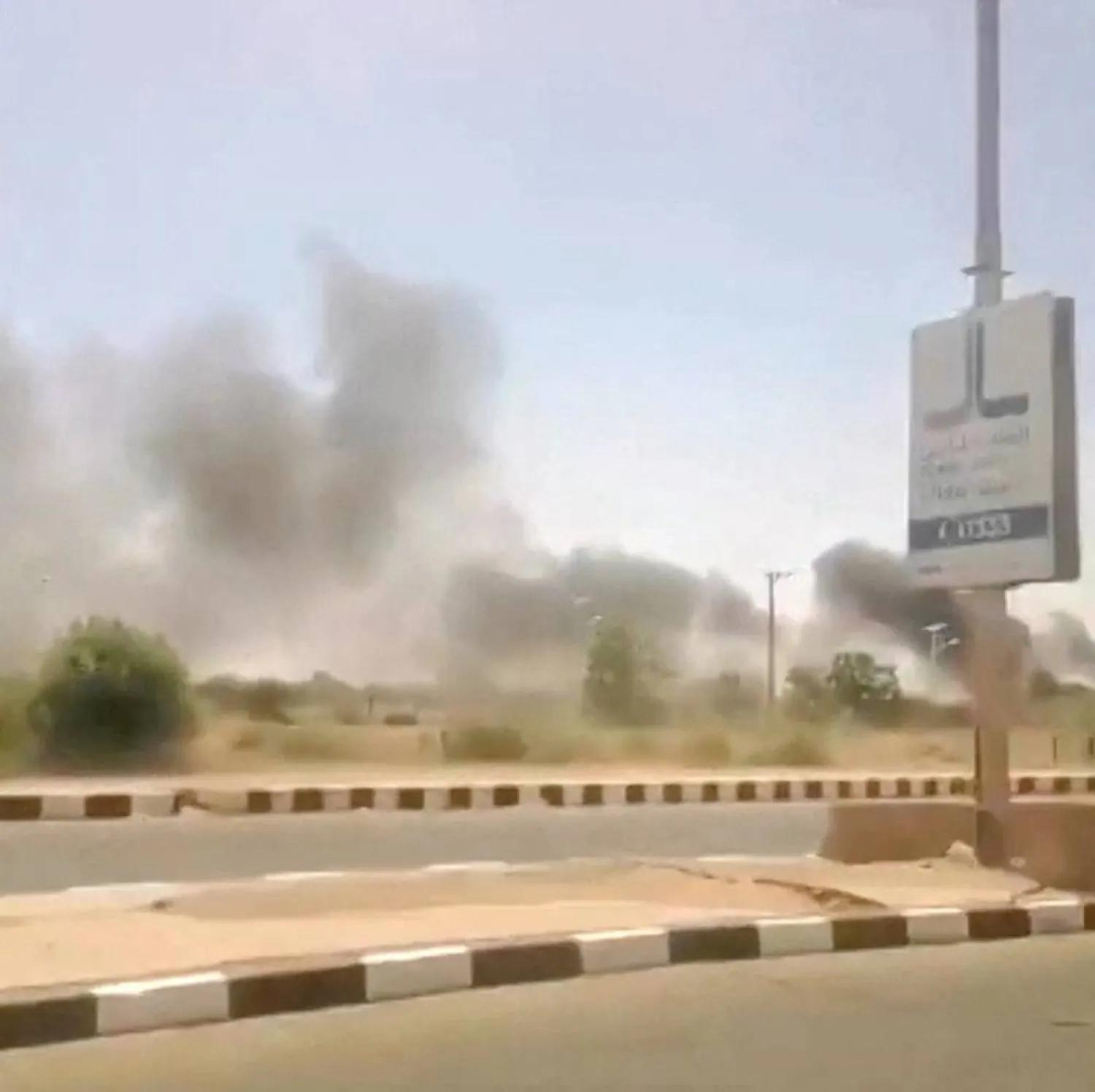
An attack on Monday targeted the airport in Sudan's capital, Khartoum. Previous attacks were launched toward the Sudanese states of Kordofan, Blue Nile and White Nile.
Sudan’s military has been at war with the paramilitary Rapid Support Forces since April 2023, when the RSF stormed the capital. The battles have now shifted toward more drone warfare concentrating in the Kordofan and Blue Nile states.
Army spokesman Brig. Gen. Asim Awad Abdelwahab told a press conference on Tuesday that the government had analyzed data and evidence from a drone that entered Sudanese airspace heading for El-Obeid in Kordofan state on March 17 and found that it had originated from the UAE and took off from Ethiopia.
“We do not want to initiate aggression against any country, but whoever attacks us will be met with a response,” Sudan's Foreign Minister Mohi al-Din Salem said.
The gradual reopening last year of Sudan’s airport marked a key step in efforts to restore normal life in Khartoum, with ministries and millions of people starting their return back to the capital and surrounding states. The UNmigration agency said that around 4 million people have returned back to Sudan.
Drone attacks have occurred frequently in the war, but Khartoum was considered largely safe until a string of attacks shattered the sense of calm in the capital and central Sudan.
A drone strike on Saturday in Omdurman, the capital's sister city, killed five people in a civilian bus, while another strike the following day in central Sudan state of Al Jazirah killed relatives of Abu Agla Kaikal, a commander with the Sudan Shield Forces, a group allied with the Sudanese military, who defected from the RSF earlier in the war.
In a post on X, the nonprofit Norwegian Refugee Council said more than 700 people have been killed by drone strikes across Sudan since the start of this year, many of which targeted humanitarian convoys and civilian infrastructure.
At least 59,000 people have been killed in the war, according to Armed Conflict Location & Event Data, an independent conflict-monitoring body. Aid groups say the true toll could be much higher as access to areas of fighting across the vast country remains limited.