
Saudi Arabia Condemns Any Attempt to Close the Strait of Hormuz or Disrupt Waterwayshttps://english.aawsat.com/gulf/5270698-saudi-arabia-condemns-any-attempt-close-strait-hormuz-or-disrupt-waterways
Saudi Arabia Condemns Any Attempt to Close the Strait of Hormuz or Disrupt Waterways
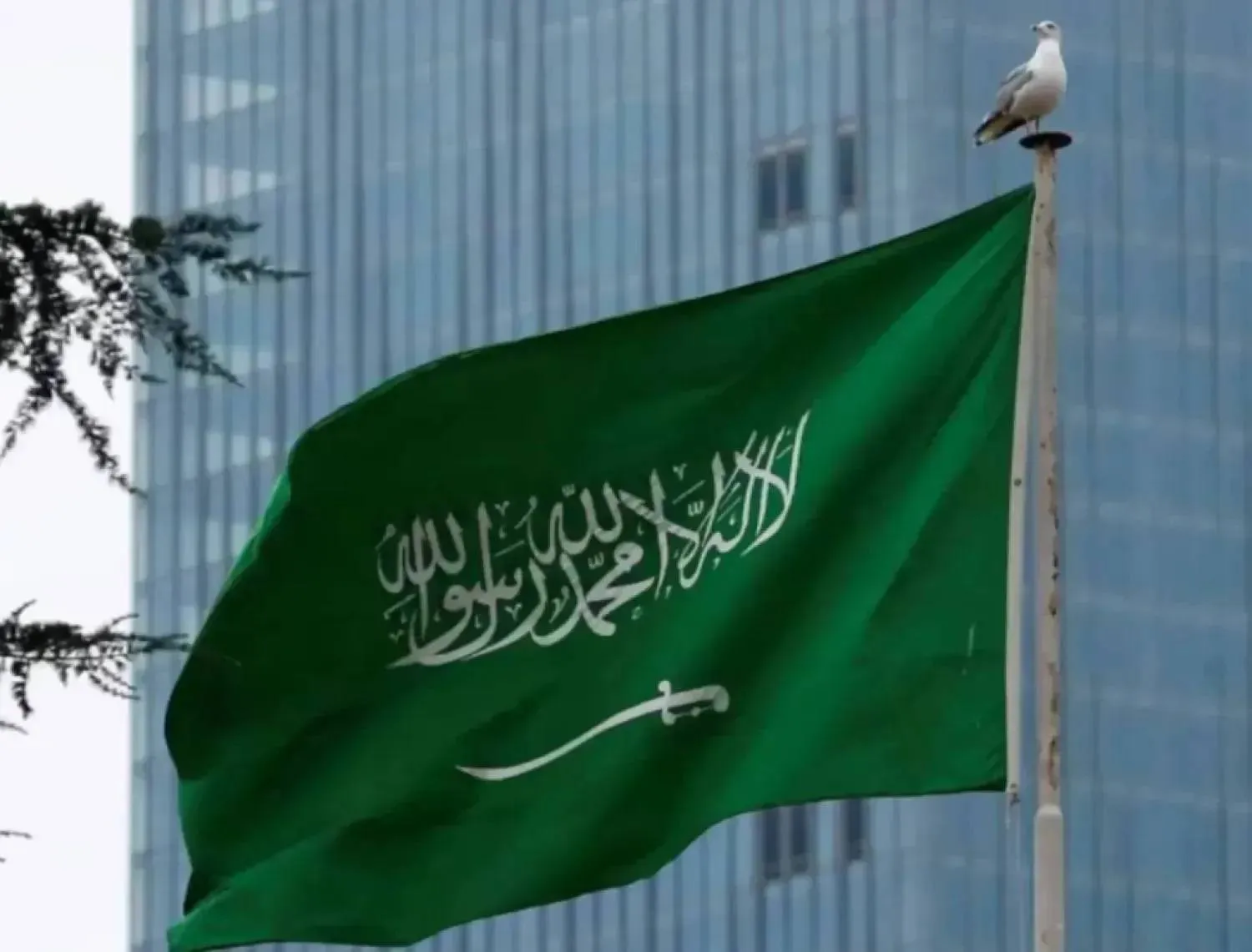
Kingdom of Saudi Arabia's flag fluttering in Riyadh - File photo
On behalf of Minister of Foreign Affairs Prince Faisal bin Farhan bin Abdullah, Vice Minister of Foreign Affairs Waleed Elkhereiji participated by video conference in a meeting of the foreign ministers of MED9 member states, Arab League member states, and partner countries from the Western Balkans.
The vice minister delivered remarks affirming the Kingdom’s rejection and condemnation of any attempt to close the Strait of Hormuz or disrupt international waterways. He stressed that freedom of navigation is a fundamental principle guaranteed by law and must be respected and preserved.
“The impact of these disruptions has begun to reach global food security by affecting the movement of fertilizers and essential food supplies. This underscores the need to shield food and fertilizers from any pressures or practices that obstruct the flow of supplies under any circumstances,” he said, SPA reported.
Elkhereiji affirmed that the Kingdom will continue to play its role in supporting market stability, securing supplies, and helping keep regional and international flows moving smoothly by strengthening logistical connectivity and supporting cooperation in transport, storage, and supply chain resilience.
“These challenges require collective coordination to protect maritime corridors. What is needed today is a focus on practical steps that help increase availability and improve access to essential supplies, strengthening cooperation among partners and supporting regional and international stability,” he added.
Albudaiwi: GCC Countries Activate Several Alternative Logistics Corridorshttps://english.aawsat.com/gulf/5270693-albudaiwi-gcc-countries-activate-several-alternative-logistics-corridors
Albudaiwi: GCC Countries Activate Several Alternative Logistics Corridors
Secretary-General of the Gulf Cooperation Council (GCC) Jasem Albudaiwi. SPA
Secretary-General of the Gulf Cooperation Council (GCC) Jasem Albudaiwi affirmed that the GCC countries moved immediately to protect supply chains and ensure their continuity by activating a number of alternative logistics corridors and redirecting shipments from the Arabian Gulf ports to alternative ports on the Red Sea and the Arabian Sea, supported by customs and logistics facilitation that ensures the flow of supplies and meets international demand for energy and fertilizers during the current circumstances.
This came during a speech delivered by Albudaiwi at the meeting dedicated to discussing a new political initiative entitled “Supporting Food Security and Access to Fertilizers”, held today via videoconference, in the presence of Deputy Prime Minister and Minister of Foreign Affairs of the Italian Republic Antonio Tajani and Minister of Foreign and European Affairs of the Republic of Croatia and current chair of the Mediterranean Group Gordan Grlić Radman.
According to a press release issued by the GCC Secretariat General today, the GCC secretary-general stated that this meeting is being held at a highly critical juncture, in light of the blatant Iranian attacks targeting the GCC countries, and Iran’s continued disruption of navigation in the Strait of Hormuz, which has clearly revealed the depth of interconnection between regional security issues and the challenges of global food security, SPA reported.
“Since February 28, 2026, Iran and its proxies in the region have launched approximately 7,000 attacks using ballistic missiles and drones against the GCC countries over 45 consecutive days, targeting civilian facilities, infrastructure and energy facilities, including oil and gas, resulting in loss of life and significant material damage, and directly affecting the stability of global energy markets and supply chains, particularly food commodities and agricultural inputs, foremost among them chemical fertilizers,” he said in his speech.
Albudaiwi further stated that the Iranian aggression against the sovereignty of the GCC countries, the disruption of maritime navigation, and the closure of the Strait of Hormuz constitute blackmail against the entire world and a clear violation of the 1982 United Nations Convention on the Law of the Sea, as well as a blatant breach of international law and the Charter of the United Nations.
The GCC secretary-general commended the adoption of United Nations Security Council Resolution 2817, which condemned these attacks, called for their immediate cessation, and urged refraining from threatening or disrupting maritime navigation in the Arabian Gulf, the Strait of Hormuz or adjacent areas, with an unprecedented level of co-sponsorship in the history of the Security Council; nevertheless, Iran has not complied with it to date.
"The damages resulting from the disruption of maritime navigation are not confined to the borders of the GCC states but extend to impact the entire global economy. The world is currently suffering from shortages in the supply of oil, gas, and petrochemical derivatives, including agricultural fertilizers, with urea prices rising by 30% to 40%. This constitutes a direct threat to global food security, where developing nations reliant on energy and food imports will bear the greatest burden of this escalation while already facing inflationary pressures and high sovereign debt obligations," he explained.
The release added that Albudaiwi highlighted the harsh economic measures many countries have been forced to take to mitigate these repercussions, stressing that addressing these challenges requires collective action to develop practical tools, such as supporting price stability and intensifying logistical coordination to ensure the uninterrupted flow of essential goods.
“Today’s meeting serves as a vital opportunity to translate discussions into practical initiatives that enhance connectivity between our countries and support the stability of the region and the world as a space for cooperation and joint development," he stated, underscoring that dialogue and diplomacy remain the optimal means for addressing crises, while emphasizing that Iran must respect the sovereignty of neighboring states and refrain from interfering in the internal affairs of GCC countries.
The GCC secretary-general called for considering all necessary measures to achieve the security and stability of supply chains, ensure the continuity of international maritime navigation, and realize global food security, underlining that these measures include ensuring a permanent cessation of Iranian attacks on the territories, ports and interests of GCC states in the waters of the Arabian Gulf and guaranteeing their non-recurrence.
He also highlighted the importance of taking all necessary measures to protect maritime corridors and ensure the continuity of international navigation in all straits, particularly the Strait of Hormuz and Bab al-Mandeb, as maintaining maritime and regional security is a fundamental pillar of international peace and security.
Finally, he stressed the significance of committing to the provisions of international law and the concerted efforts of the international community to protect energy security, supply chains and the freedom of navigation in maritime passages in accordance with relevant international resolutions and treaties.
Kuwait: State Security Criminal Court Sentences Defendants in Sectarian Strife Cases, Including Clerichttps://english.aawsat.com/gulf/5270689-kuwait-state-security-criminal-court-sentences-defendants-sectarian-strife-cases
Kuwait: State Security Criminal Court Sentences Defendants in Sectarian Strife Cases, Including Cleric
Palace of Justice in Kuwait (KUNA)
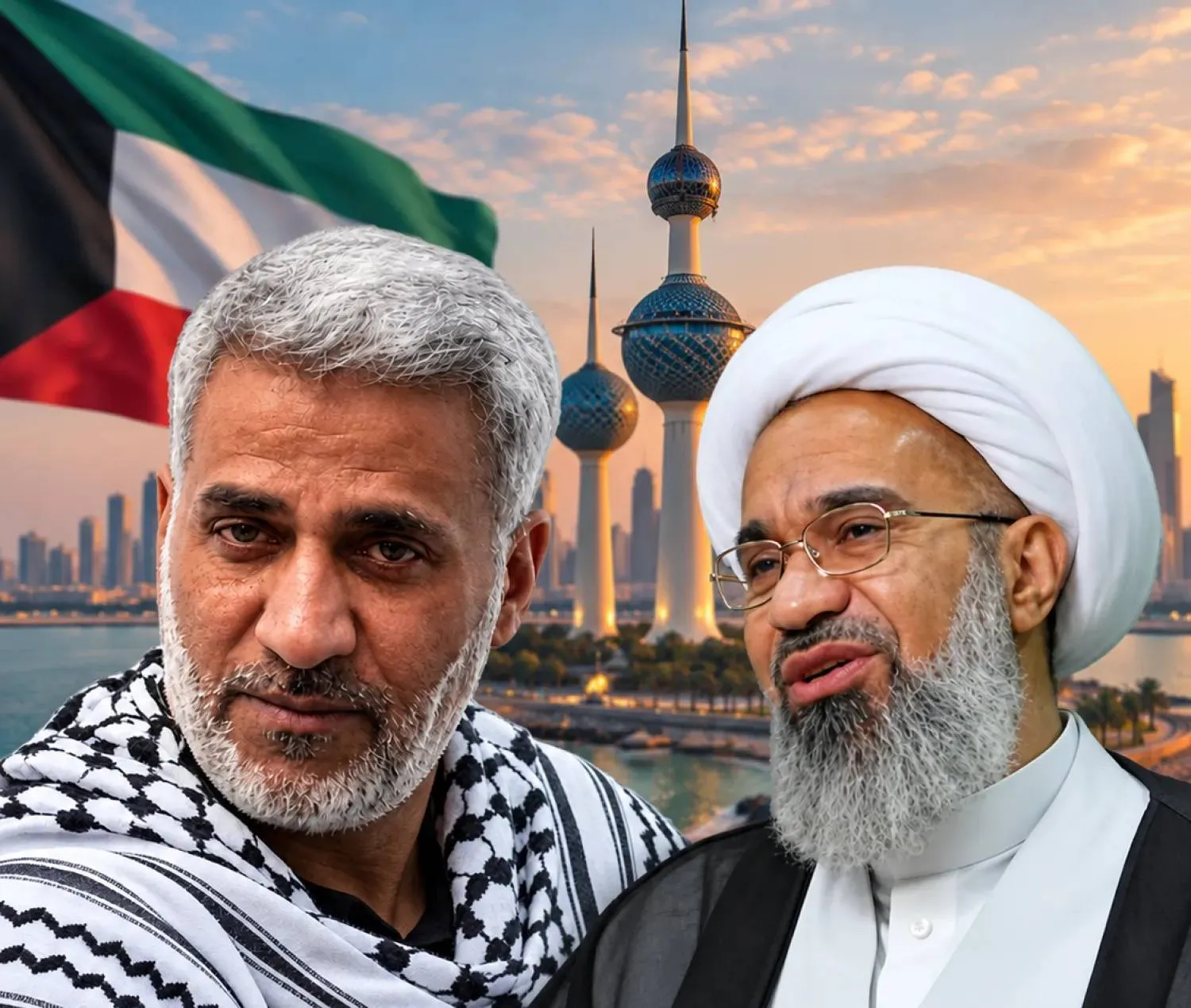
Kuwait’s Criminal Court, State Security Circuit, on Thursday issued prison sentences against 11 defendants, including cleric Hussein Al-Maatouq, who resides outside the country, sentencing him to five years’ imprisonment with hard labor and immediate enforcement in a case involving inciting sectarian strife.
The court, chaired by Counselor Nasser Al-Bader and comprising judges Omar Al-Mulaifi, Abdullah Al-Faleh, and Salem Al-Zayed, sentenced Hussein Al-Maatouq to five years’ imprisonment with hard labor and immediate enforcement. In other cases, the court acquitted two defendants of charges of spreading false news, while sentencing a third defendant to three years in prison.
The court also issued varying sentences in cases related to joining a banned group, ranging from three to 10 years’ imprisonment against four defendants after convicting them of the charges brought against them.
In three cases related to inciting sectarian strife, the court sentenced defendants to prison terms of three and five years, while deciding to refrain from punishing a third defendant while requiring him to post bail of 1,000 Kuwaiti dinars.
In a state security case, the court acquitted the defendant, while in another case involving violation of the law, it decided to refrain from punishing another defendant while requiring him to post bail of 3,000 Kuwaiti dinars.
Citizenship Withdrawn From 316 People
In a separate development, five decrees and two decisions were issued in Kuwait on Thursday withdrawing Kuwaiti citizenship from 316 people.
Decree No. 72 of 2026 stipulated the withdrawal of citizenship from 288 people and those who acquired it through dependency.
Decree No. 73 withdrew citizenship certificates from five people and those who acquired them through dependency, while Decree No. 74 withdrew citizenship from two people and those who acquired it through dependency.
Decree No. 75 of 2026 also stipulated the withdrawal of citizenship from one person and those who acquired it through dependency, while Decree No. 78 withdrew citizenship certificates from three people and those who acquired them through dependency.
Decision No. 84 of 2026 stipulated the withdrawal of citizenship certificates from 11 people and those who acquired them through dependency, while Decision No. 125 withdrew citizenship certificates from six people and those who acquired them through dependency.
Syrian Hajj Director to Asharq Al-Awsat: Saudi Services for Pilgrims Are Beyond Description, Improve Every Yearhttps://english.aawsat.com/gulf/5270649-syrian-hajj-director-asharq-al-awsat-saudi-services-pilgrims-are-beyond-description
The Syrian Director of Hajj and Umrah described the services provided by Saudi Arabia to pilgrims as beyond description (General Authority for the Care of the Two Holy Mosques)
Syrian Hajj Director to Asharq Al-Awsat: Saudi Services for Pilgrims Are Beyond Description, Improve Every Year
The Syrian Director of Hajj and Umrah described the services provided by Saudi Arabia to pilgrims as beyond description (General Authority for the Care of the Two Holy Mosques)
Mohammed Nour Araj, Director of Hajj and Umrah in Syria, said the services and care provided to pilgrims by the Saudi authorities responsible for Hajj are beyond description, noting that the Hajj system continues to see rapid annual development, directly improving the pilgrim experience.
In an interview with Asharq Al-Awsat, Araj said coordination with the relevant Saudi authorities has reached an advanced level of operational integration. He noted that all logistical and organizational arrangements were completed smoothly under a flexible system capable of responding to any developments. He added that any observations or challenges that arise are addressed within no more than 24 hours, alongside daily follow-up by the Saudi authorities with all Hajj missions.
The number of Syrian pilgrims this year reached 22,500, distributed across several departure points (Asharq Al-Awsat)
Regarding the number of Syrian pilgrims, Araj said this year’s total reached 22,500 pilgrims, distributed across several departure points. Around 12,000 will depart from Damascus Airport, 9,500 from Aleppo Airport, while the remaining pilgrims will travel through external transit points including Istanbul, Gaziantep, and Egypt. He added that the first flights are scheduled to arrive in Saudi Arabia next Saturday, at a rate of six flights per day, as part of an organized transport plan designed to ensure smooth movement and arrivals according to set schedules.
On the humanitarian side, Araj said 600 pilgrims are traveling under a presidential grant that includes families of those killed and wounded, as well as a number of former detainees and government employees. He explained that the selection of these groups is coordinated between Syria’s Ministries of Defense and Interior.
Araj also confirmed that Syrian pilgrims will be accommodated in 20 residential towers in Makkah, in addition to six towers in Madinah. He said the Syrian mission’s sites in Mina and Arafat have already been handed over and are fully prepared to receive pilgrims.
Regarding services, Araj explained that the Syrian delegation includes around 200 members across various specialties, including administration, media, religious guidance, and medical services. These teams accompany pilgrims from departure until their return, with each residential site assigned a full team including doctors and religious guides. He noted that the medical staff includes 40 male and female doctors.
On the mechanism for selecting pilgrims, Araj said around 65,000 people applied for Hajj this year. Following the selection process, 65 percent of accepted applicants were elderly, compared with 35 percent from younger age groups.
Syrian pilgrims last year at Damascus Airport on a direct Hajj flight (Asharq Al-Awsat)
From Tadmor Prison to Makkah
From the depths of suffering emerged a testimony, not merely as a personal story, but as a human document carrying years of pain and reflecting an entire chapter of Syria’s history. Syrian pilgrim Samoual Abdul Qader Haj Ismail described the joy of making the first journey of his life after spending 15 years in Tadmor Prison, enduring a travel ban, and facing another arrest during the years of the Syrian uprising.
Speaking by phone to Asharq Al-Awsat, Samoual, born in 1962, said he was first arrested on September 19, 1979, in Aleppo while studying law. That marked the beginning of a series of detentions, most notably in August 1981 when he was held for two months by the military branch in Idlib before entering the longest phase of his imprisonment, which lasted nearly 15 years under State Security in Idlib.
He said his case passed through a field court operating under Law 49, where he, like many other detainees, was sentenced to death. Five years later, the sentence was reduced to life imprisonment. He spent most of his detention in Tadmor Prison, which he described as not merely a detention facility but “an open system of torture,” where life was governed by the moods of prison guards.
Inside overcrowded cells holding dozens of detainees, daily life became a constant struggle for survival, Samoual said. Food was extremely scarce, often limited to a loaf of bread or a few olives, while even sleeping carried risks, as any spontaneous movement could result in severe punishment. Beatings were carried out using metal and wooden tools.
He continued: “Food distribution itself often became a form of torture, whether through reducing portions or serving food at dangerously high temperatures that caused direct burns, as prisoners were forced to dip their fingers into the containers. Our clothes were worn out and torn, patched using primitive methods because sewing tools were prohibited.”
Mass Executions
The former political prisoner said trials were held regularly, with sentences, especially executions, issued within minutes.
“Tens of thousands were executed inside the prison, while thousands more died under torture or from disease amid the absence of medical care,” he said.
Serious diseases such as tuberculosis in its various forms and scabies spread widely because of overcrowding and poor sanitary conditions. Although there were doctors among the detainees, the lack of medication meant many cases ended in death.
After his release in 1995, Samoual said the suffering did not end. Security restrictions continued, from travel bans to being denied work opportunities and permits, in addition to repeated summonses by security agencies. With later developments in Syria, he was arrested several more times.
Humanitarian Work
Despite everything he endured, Samoual returned to his hometown of Kafr Takharim to begin a new chapter. He now works as an imam and established a school for orphan care that provides free services despite limited resources.
He said he was deeply happy to receive a Hajj visa, making Makkah his first destination after years of imprisonment and travel bans.
لم تشترك بعد
انشئ حساباً خاصاً بك لتحصل على أخبار مخصصة لك ولتتمتع بخاصية حفظ المقالات وتتلقى نشراتنا البريدية المتنوعة