


EU Bets on Digital Euro to Cut US Tech Addiction

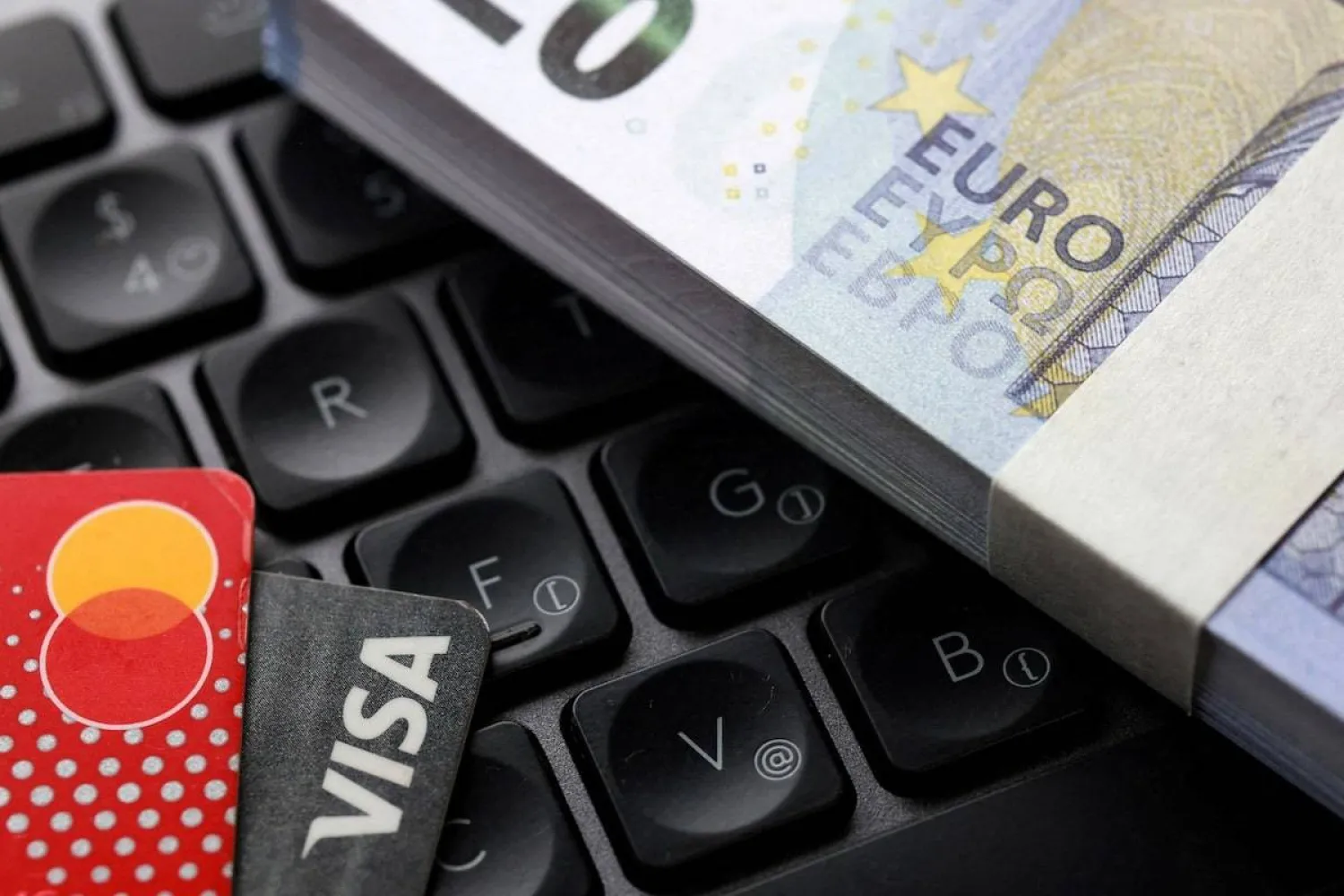
Euro banknotes, Visa and Mastercard cards are placed on a keyboard in this illustration taken September 24, 2025. (Reuters)
TT

EU Bets on Digital Euro to Cut US Tech Addiction

Euro banknotes, Visa and Mastercard cards are placed on a keyboard in this illustration taken September 24, 2025. (Reuters)

The EU believes a digital euro is the answer to cutting its addiction to US payment systems, like Visa and Mastercard, as well as Apple Pay and Google Pay, as the bloc seeks to favor European firms over others.

Brussels hopes it could provide an alternative local option for any payments in shops or online since people could easily pay, just like other systems, using a card, an app or via their banking app.

The European Union will move one step closer on Tuesday to creating a digital euro when EU lawmakers hold a long-awaited vote on the virtual currency.

The European Central Bank first suggested the digital euro in 2020 because Europe lacked its own system before the EU executive made its formal proposal.

The digital euro cannot be created without the rules underpinning the project being approved by the EU capitals and the European Parliament.

What is the digital euro?

Don't confuse it with your cash in the bank. When you use your bank card, Apple or Google Pay, you pay with physical money that exists in your account.

Instead, your digital euros would be in a separate virtual wallet.

The ECB hopes the digital euro will be available to citizens in 2029 if the EU negotiators greenlight the rules by the end of the year.

If that timeline sticks, the ECB is ready to launch a pilot program in mid-2027 to test how it would work in practice.

Some say that is too long, but "banks and merchants need time to prepare so they can roll it out smoothly and at scale", Alessandro Giovannini, advisor to the digital euro director at the ECB told AFP.

How will it work?

Digital euros will have the same value as cash and banknotes.

Any user would need to create an account with a bank or a public institution, like a post office, and transfer money into it from another account or via a cash deposit.

Users can then pay with digital euros in shops, online and between individuals using different methods, including card, app or phone.

Officials stress the system would protect people's privacy, with no possibility to identify who made transactions, and an offline mode that would be as confidential as using cash.

"It wouldn't replace anything. Cash would still be available, and people could use existing private payment methods," the ECB's Giovannini said.

The digital euro would give more choice and let consumers "preserve their freedom to choose how to pay as daily life becomes more digital", he added.

Why does the EU want a digital euro?

Payment systems are "not neutral" but "instruments of power", centrist EU lawmaker Gilles Boyer said in a statement.

"We, Europeans, have had many wake-up calls about our dependence on the US. We're fully awake now, but we're not always acting," he said, adding Tuesday's vote would make "a sovereign, pan-European payment solution a reality".

EU officials often point to Washington's 2025 sanctions against International Criminal Court judges to illustrate the grip of US firms. French judge Nicolas Guillou has described how he lost access to his Visa card.

The digital euro is "a chance to end a dependence we have lived with for too long".

According to the ECB, nearly two-thirds of card payments in the euro area are handled by non-European companies -- mostly Visa and Mastercard.

And 13 out of 21 eurozone countries have no national card scheme for day-to-day payments in shops or online stores.

Who doesn't want it?

Banks. The main reason for their reticence is the cost.

Adapting the banking system to the digital euro will cost 18 billion euros ($20 billion), a report in April by the European Banking Federation said.

But the ECB insists it will cost the banking sector between four and 5.8 billion euros in investment costs.

Banks also fear the effects on their financial stability because if customers convert their money into digital euros, bank deposits would plummet.

The ECB says there is no risk.

"Thanks to its design that prevents large deposit outflows, the digital euro wouldn't cause these risks -- even in extreme and unlikely crisis situations," Giovannini said.

European banks also fear reduced demand for their online services and worry the digital euro is a rival to the pan-European payment system Wero.



'AlUla Peregrina': From Fields to Global Markets

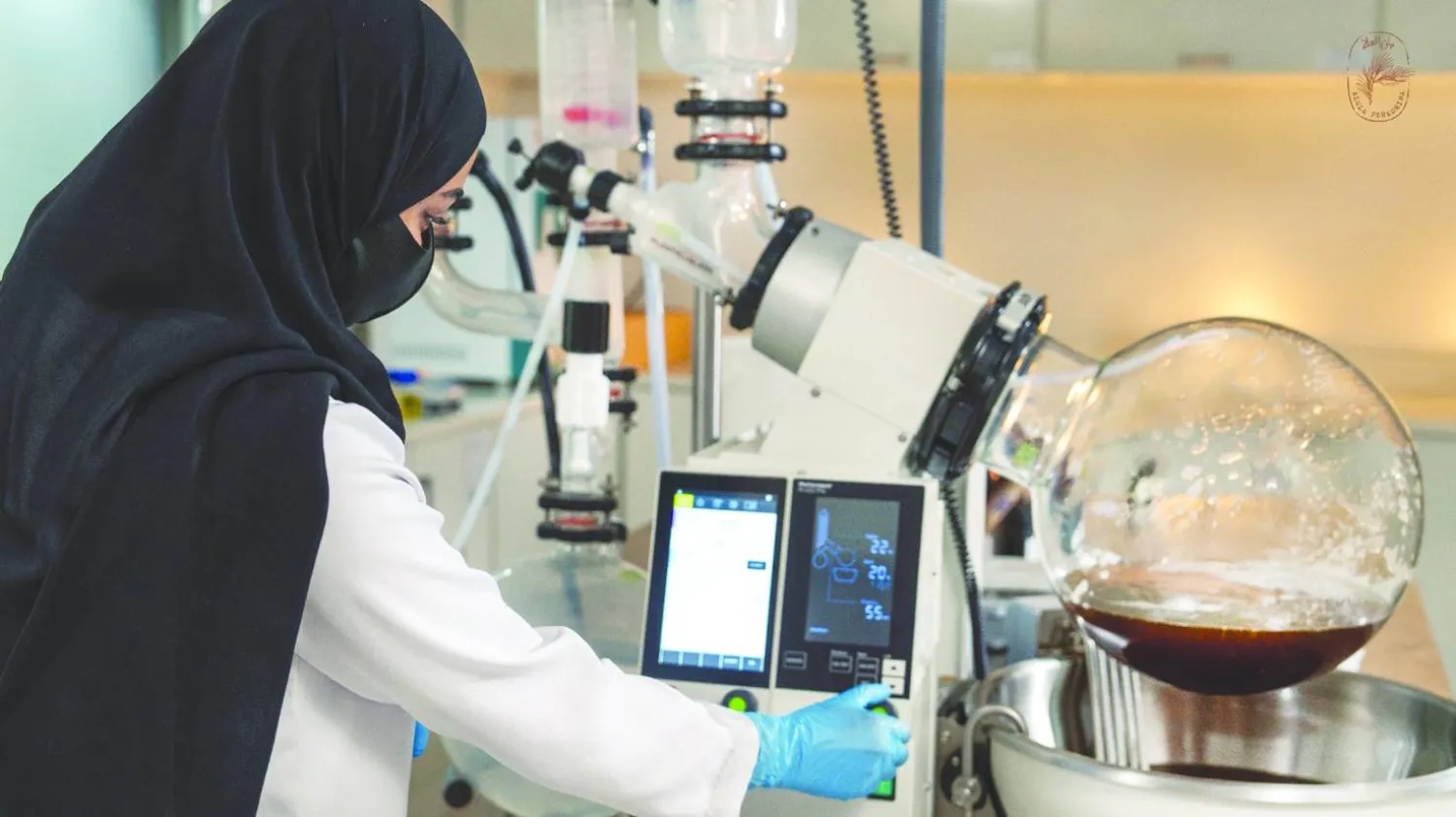
A Saudi woman works on products derived from the Peregrina tree in AlUla.
TT

'AlUla Peregrina': From Fields to Global Markets

A Saudi woman works on products derived from the Peregrina tree in AlUla.

In AlUla, where the Peregrina tree has been part of the local environment for generations, the tree is taking a new path from fields to laboratories and global markets. Rather than simply marketing raw materials, AlUla Peregrina is seeking to develop oils, extracts, and natural ingredients for applications in beauty and personal care, adding value to a local resource before it reaches overseas markets.

AlUla Peregrina was established in 2021 by the Royal Commission for AlUla, with the aim of developing economic uses for the tree and its extracts. The company is now expanding its applications in skincare, haircare, and wellness products, while also developing its presence in international markets.

The strategy comes as efforts to increase the added value of local resources and expand non-oil exports gain importance. The company is betting that developing and manufacturing ingredients within Saudi Arabia can generate greater economic returns than exporting raw materials, while creating opportunities for products that carry Saudi knowledge and technology into international markets.

In an exclusive interview with Asharq Al-Awsat, Eng. Abobakar Alanazi, Chairman of the Board of AlUla Peregrina, said the company's ambition is to establish AlUla Peregrina as a leading Saudi platform for high-quality active natural ingredients, expanding from AlUla into regional and global markets, with a focus on skincare, haircare, and personal care.

Added Value

According to Alanazi, the company is gradually building a presence in international markets, benefiting from growing demand for natural ingredients with traceable origins and scientific evidence, alongside increasing interest in responsible supply chains.

He said the goal extends beyond exporting a Saudi product to developing ingredients and products based on local natural resources and combining scientific research, development, and manufacturing within Saudi Arabia, thereby increasing the product's added value before it reaches overseas markets.

Development efforts focus on the Arabian Peregrina tree, Moringa peregrina, and its natural compounds, including ceramides, plant exosomes, bioactive peptides, and antioxidants. Alanazi said the company has developed a range of oils and extracts that can be used in various skincare applications.

The development of these products is based on scientific research, laboratory testing, and clinical evaluations to verify their effectiveness before moving into commercial applications. Alanazi said these efforts have resulted in four registered patents, reflecting part of the company's research and development work.

Hospitality Sector

In the hospitality sector, Alanazi said the company is developing customized formulations and solutions for hotels and spas, inspired by Arab traditions of personal care but presented in contemporary formulations. These solutions include formulations and fragrances that can be tailored to reflect the identity of each establishment rather than offering a standardized product.

He explained that product development begins by identifying the needs of the market and partners, followed by scientific and technical evaluation before arriving at the final formulation.

On sustainability, he said responsible practices form part of the company's business model and supply chain, from cultivation and harvesting in cooperation with local farmers to the processing and development of ingredients in AlUla. The company is focusing on tracing raw materials and identifying their sources and journey throughout the production process, alongside responsible sourcing practices.

He noted that the supply chain has undergone verification by the Union for Ethical BioTrade (UEBT) in relation to responsible sourcing, in line with relevant international standards. He said developing processing and production operations within Saudi Arabia contributes to increasing local added value and supports the emergence of an integrated economic value chain around the activity in the region.

The company is also working to strengthen the participation of local farmers and suppliers, transfer knowledge, and develop the capabilities needed to support the growth of the natural ingredients sector in Saudi Arabia.

Economic Diversification

Alanazi said AlUla Peregrina's business model aligns with several objectives of Saudi Vision 2030, particularly economic diversification, increasing local content, and developing value-added industries, while also benefiting from growth in the tourism and hospitality sectors.

“We are transforming a natural resource from AlUla into ingredients and products that are developed and manufactured locally, creating economic value beyond the sale of raw materials,” he said.

He added that the growth of tourism and hospitality in Saudi Arabia is creating opportunities to develop Saudi solutions for hotels, resorts, and the wellness sector that are connected to the identity of the place and the visitor experience.

He pointed to an opportunity to develop a specialized sector for natural ingredients and their applications in personal care and beauty that could expand beyond the domestic market, bringing together natural resources, scientific research, manufacturing, and services linked to tourism and hospitality.

International Expansion

The Chairman of the Board said exports are a key pillar of the company's growth strategy, amid growing global demand for natural ingredients with traceable origins and scientific evidence supporting their use.

“What distinguishes our model is that the added value is created within Saudi Arabia, starting with the natural resource and research and development, through processing and manufacturing, and ultimately to the finished product or ingredient tailored for overseas markets,” he said.

He explained that the company is not simply seeking to export raw materials, but to develop specialized, higher-value products and ingredients.

Alanazi revealed that the company is working to expand its commercial relationships and presence in international markets through trade fairs and specialized platforms, as well as by building partnerships with global companies and brands. He said international expansion could support the growth of Saudi non-oil exports while opening new markets for products and ingredients developed locally.

The long-term goal, he added, is for products developed in AlUla to reach global markets under the “Made in Saudi” brand, reflecting not only their country of origin but also the development, knowledge, and manufacturing added to the products locally.


Crown Prince Launches CEER's Flagship Vehicles

Saudi Crown Prince Mohammed bin Salman (SPA)
TT

Crown Prince Launches CEER's Flagship Vehicles

Saudi Crown Prince Mohammed bin Salman (SPA)

Prince Mohammed bin Salman bin Abdulaziz Al Saud, Crown Prince, Prime Minister and Chairman of the Board of Directors of the Public Investment Fund (PIF), has launched EXOBOT, the flagship electric vehicles from CEER, Saudi Arabia's national automotive company.

This national milestone reflects Saudi Arabia's strategic direction toward developing an advanced industrial sector aligned with the objectives of Saudi Vision 2030 and further strengthening Saudi Arabia’s position in the global automotive industry, SPA reported.

Commenting on this occasion, the Crown Prince said: "The launch of CEER's first vehicles represents another step forward in Saudi Arabia's progression to build a sustainable and prosperous industrial ecosystem. It further enables the automotive sector as a key driver of economic growth, through attracting investments, empowering national talent, and expanding the private sector's role to further position Saudi Arabia to become a leading regional and global hub for this industry."

The EXOBOT sedan and SUV vehicles represent part of a planned portfolio of seven models that will be launched over the next five years, including midsize and compact vehicles with various propulsion options to serve different customer needs.

These vehicles will be manufactured at CEER Manufacturing Complex (CMC), the largest automotive production facility in the Middle East and one of the most technologically advanced in the world.

Additionally, the EXOBOT sedan and SUV feature a distinctive design inspired by Saudi Arabia's landscape, rooted in its culture, and reflective of its vision. Designed and engineered locally, the vehicles have been developed according to the highest global standards, further strengthening Saudi Arabia's position as a rising force in the global automotive industry.

By 2034, CEER is projected to contribute over SAR30 billion ($8 billion) to Saudi Arabia's GDP, over SAR80 billion ($21 billion) to trade balance improvement, and create quality direct and indirect jobs.

The announcement aligns with PIF's efforts to develop an integrated and competitive local automotive ecosystem, as part of PIF's mandate as a key driver of Saudi Arabia's economic diversification. PIF launched CEER in 2022 as the first Saudi vehicle brand to support the development of the national industrial ecosystem, attract investments, create opportunities for the private sector, and increase Saudi GDP.


Oil Prices Slide on Hopes of Diplomacy in Iran War

Oil tankers in Basra port (Reuters)
TT

Oil Prices Slide on Hopes of Diplomacy in Iran War

Oil tankers in Basra port (Reuters)

Oil prices slid to their lowest in more than a week on Monday as investors hoped for diplomatic progress on the Iran war due to this week's UN meeting.

Brent crude futures and US West Texas Intermediate crude touched their lowest since September 10 earlier on Monday. The Brent contract for November was at $102.09 a barrel at 0655 GMT, down $1.78, or 1.71%, after settling 0.91% lower on Friday, Reuters said.

The WTI October contract that is expiring on Tuesday fell $1.97, or 1.96%, to $98.33 a barrel following a ‌1.58% drop in the ‌previous session.

"It seems that a degree of risk premium is ‌being ⁠removed from oil prices ⁠on hopes that a diplomatic path to de-escalate the US-Iran war may arrive this week," said Tim Waterer, chief market analyst at KCM Trade.

"Whether that hope proves to be warranted or not is another question. Time will tell."

WTI broke a key psychological support at $100 a barrel while some investors may have rolled over their positions in the October contract a day ahead of expiry to November, a Singapore-based broker said.

Iran and the US exchanged new threats on Sunday, although President Donald Trump said ⁠he would be open to meeting Iranian President Masoud Pezeshkian, who is ‌expected to be in New York this week for ‌the United Nations General Assembly.

Iran has conveyed its conditions to mediators for re-engaging in negotiations aimed at ‌ending the war with the US, Al Jazeera cited Iran's security chief, Mohsen Rezaei, as ‌saying in an interview on Saturday.

On Monday, a spokesman ‌for the Revolutionary Guards, Hossein Mohebbi, said Iran would use new weapons and target locations not previously attacked if the US launched a ⁠new offensive against it, ⁠according to the Fars news agency.

China has asked Iran to help rein in the Houthis after an appeal to Beijing following the attacks, according to three Iranian sources familiar with the matter.