


Türkiye Pressures Iraq to Operate Kirkuk-Ceyhan Pipeline at Full Capacity Before July 27

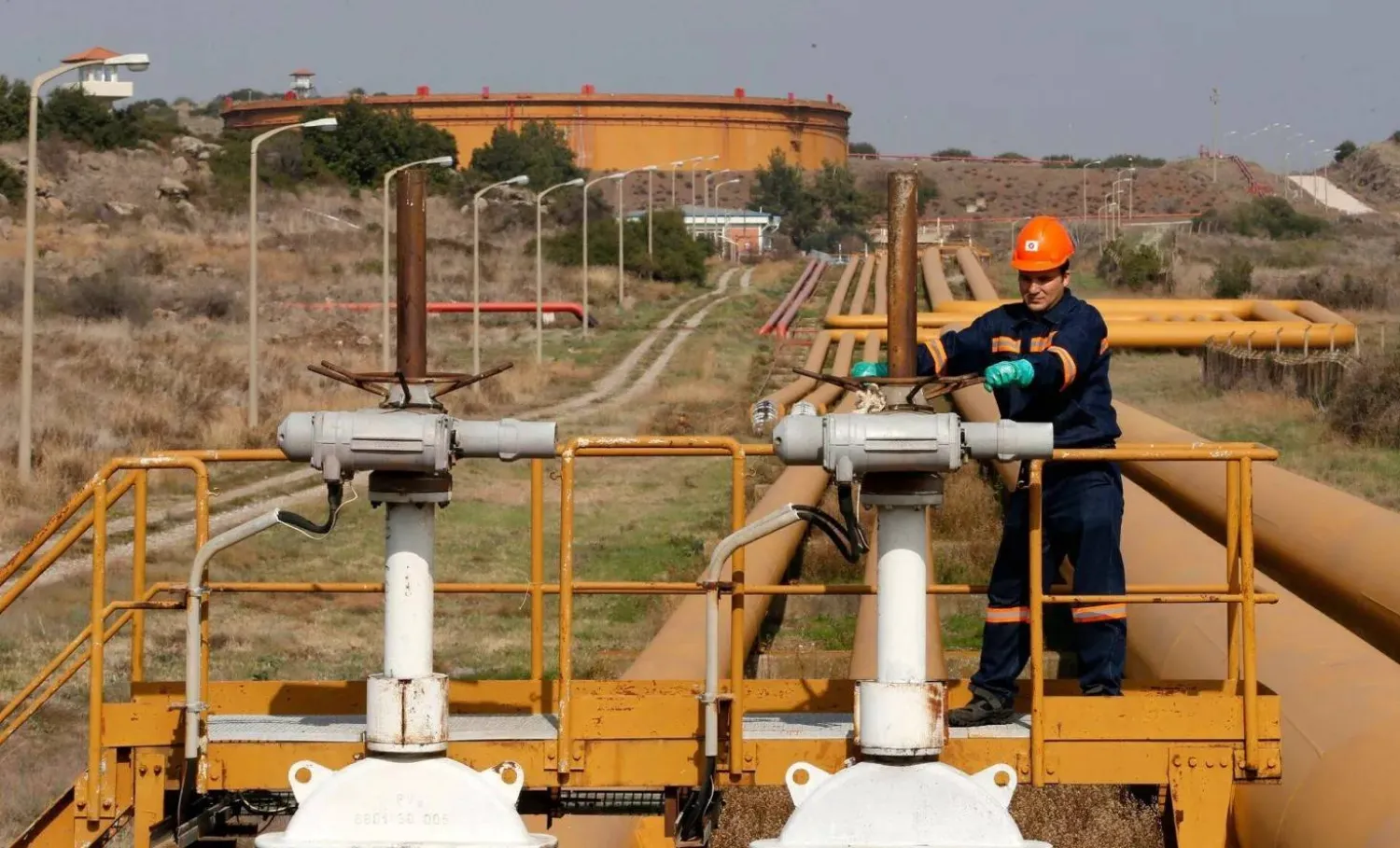
A worker carries out maintenance on the Kirkuk-Ceyhan pipeline, which transports oil from Iraq to Türkiye for export abroad. REUTERS
TT

Türkiye Pressures Iraq to Operate Kirkuk-Ceyhan Pipeline at Full Capacity Before July 27

A worker carries out maintenance on the Kirkuk-Ceyhan pipeline, which transports oil from Iraq to Türkiye for export abroad. REUTERS

Baghdad and Ankara are racing to draft a new strategic oil transport agreement as the deadline for a landmark 1973 accord approaches on July 27.

High-level talks opened in Ankara, led by Turkish Energy and Natural Resources Minister Alparslan Bayraktar, with an Iraqi delegation that included the deputy foreign and oil ministers.

The talks focused on an alternative to the current agreement, after Türkiye firmly rejected Baghdad’s request to extend the existing terms for another year.

Ankara is pressing to raise operations on the Kirkuk-Ceyhan pipeline to its full capacity of 1.5 million barrels per day, up from current limited flows of no more than 180,000 bpd. It has threatened to halt exports immediately by the end of the month if no deal is reached, with the final decision resting with President Recep Tayyip Erdogan.
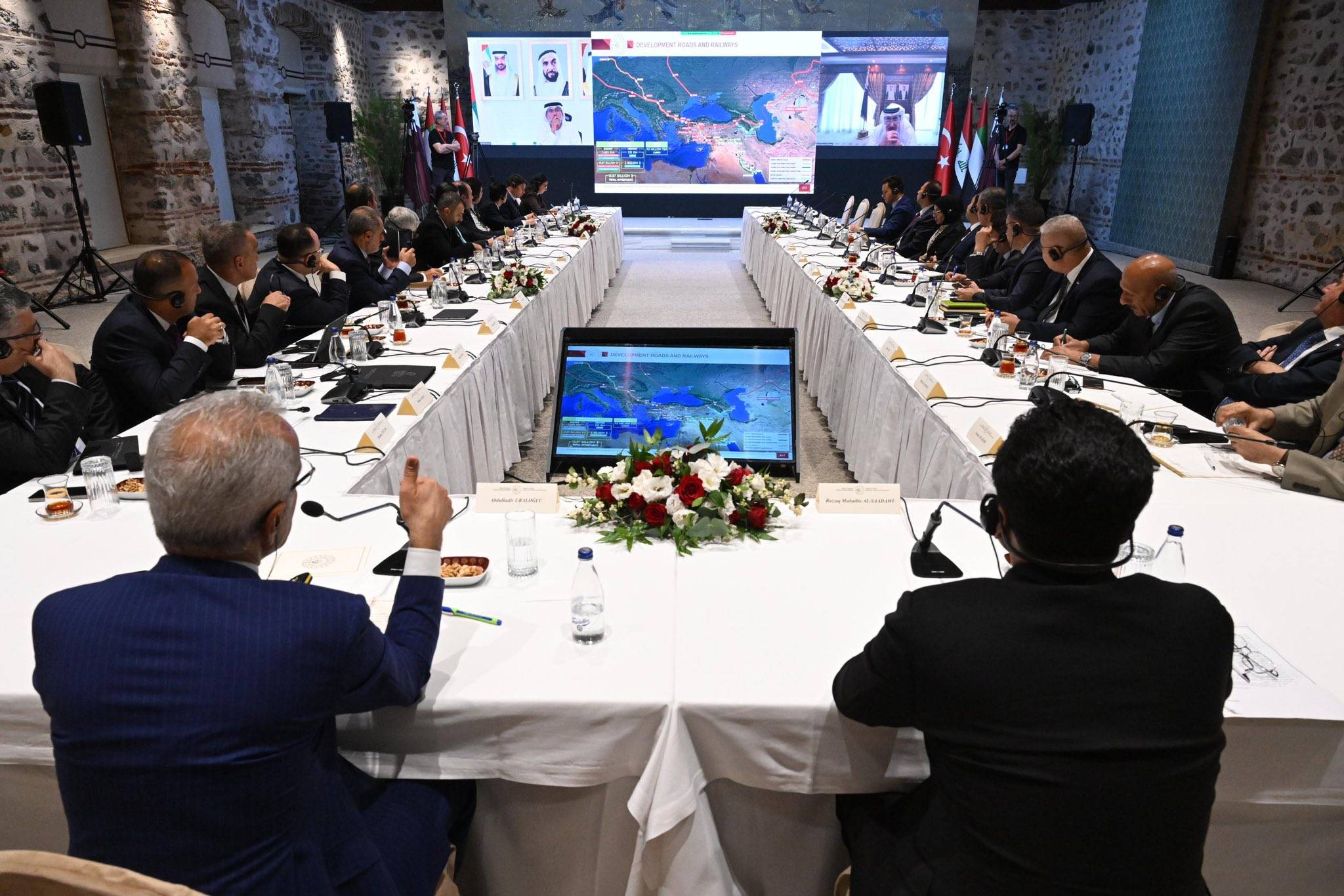
A Turkish-Iraqi meeting in Istanbul on the Development Road project, with ministers from Qatar and the UAE participating via video conference (Turkish Ministry of Transport and Infrastructure)

Arbitration crisis

Ankara says there is no point extending an agreement that has already gone through international arbitration in Paris. It wants a broader deal lasting five to 10 years, with binding clauses requiring Iraq to pay compensation for any unused capacity.

The pressure follows the March 2023 shutdown of the pipeline after an International Chamber of Commerce ruling ordered Türkiye to pay Baghdad $1.5 billion in damages. The halt cost Iraq more than $23 billion before pumping partially resumed late last year.

Bayraktar wrote on X that he met senior officials from Iraq’s oil and foreign ministries in Ankara on Wednesday to discuss energy cooperation, including the Iraq-Türkiye crude oil pipeline that runs from Kirkuk to the port of Ceyhan in Türkiye’s southern province of Adana.

The Iraqi delegation included Deputy Foreign Minister Hussein Bahr Al-Uloom, Deputy Oil Minister Naser Azez Jabbar, and Iraq’s ambassador to Ankara, Majid Al-Lachmawi.
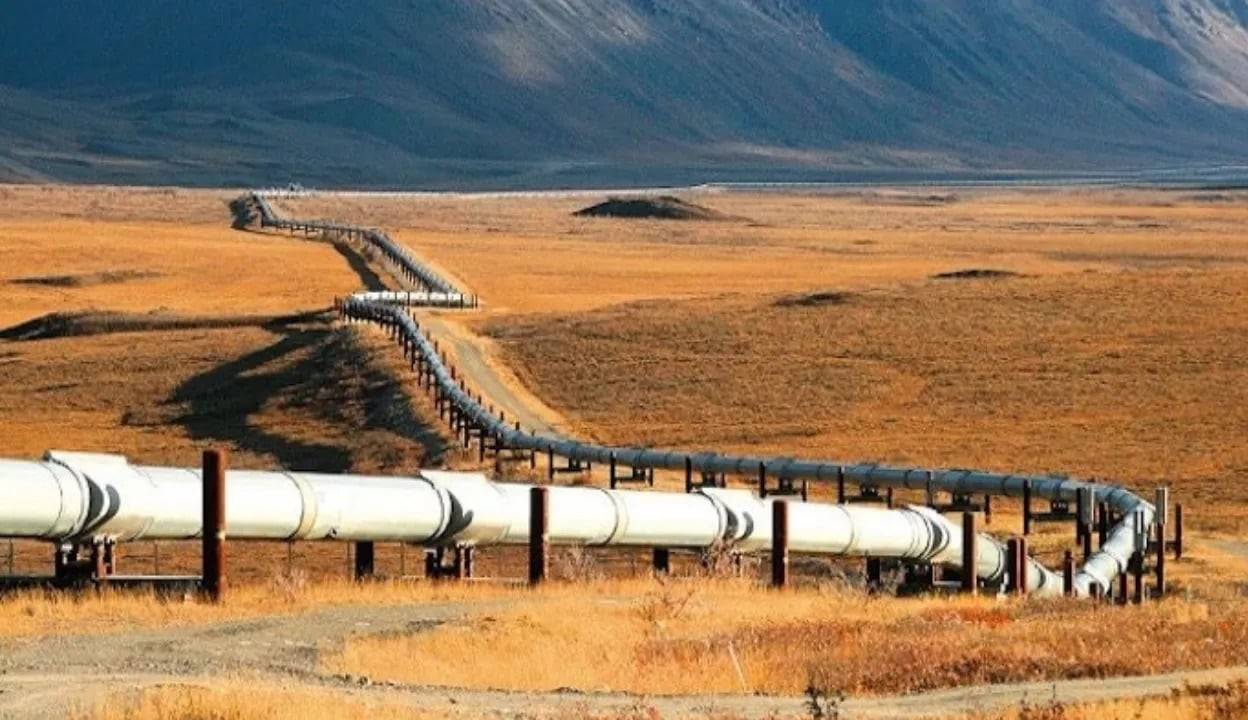
The Kirkuk-Ceyhan pipeline (Turkish media)

New opportunities for cooperation

Bayraktar said the talks focused mainly on the crude oil pipeline between the two countries, as well as wider opportunities for cooperation in natural gas and electricity.

He said Ankara looked forward to working closely with the new Iraqi government to improve existing energy infrastructure and support it through new and innovative links.

Within Ankara’s geopolitical vision for the region, Bayraktar said Türkiye does not see the joint Development Road project merely as a trade corridor for goods.

Instead, he described it as an “integrated strategic energy route” that could strengthen regional supply security and boost trade within the region. He said partnership on the file was crucial to stabilizing regional energy markets.

The Development Road project includes a road and railway extending from Iraq to Türkiye and its ports. It runs about 1,200 km inside Iraq and aims to move goods between Gulf states and Europe.

Turkish sources said Türkiye had rejected extending the agreement on Iraqi oil exports through the Kirkuk-Ceyhan pipeline under the current terms set when it was signed on July 27, 1973.

Ali Nizar, head of Iraq’s state oil marketer SOMO, said the government had informed Türkiye of the extension proposal to keep talks on the pipeline’s future moving without interruption.

Ankara says there is “no benefit in extending an agreement that has been subject to arbitration” and is demanding a new deal. It has proposed a mechanism to guarantee full use of the pipeline, along with other options, including extending it to southern Iraq.

The port of Ceyhan is a vital outlet for Iraqi oil exports. Iraq’s main oil export terminal in Basra has been affected by the closure of the Strait of Hormuz since the start of US-Israeli attacks on Iran in late February, and was also affected by Israeli attacks last year.

Turkish pressure

Türkiye halted oil flows in March 2023 after the International Chamber of Commerce in Paris ordered it to pay Baghdad $1.5 billion in compensation for unauthorized exports by the Kurdistan Regional Government from 2014 to 2018 through the pipeline.

Türkiye, however, said it had not violated the agreement and that Iraq owed it $1.4 billion in compensation.

Türkiye said the pipeline had been ready to resume flows since late 2023 after repairs to some faults.

Before it stopped in 2023, the pipeline carried 450,000 bpd of oil. Estimates suggest the halt in oil exports to Türkiye caused Iraq more than $23 billion in economic losses.

Flows through the pipeline resumed late last year, but a second arbitration case covering the period from 2018 onward remains pending. Another case is before a US court over the enforcement of the arbitration ruling.

Reports said Türkiye was pressing to raise operations on the Kirkuk-Ceyhan pipeline to its full capacity of 1.5 million bpd, compared with current weak flows of no more than 180,000 bpd.

In the current negotiations, Türkiye is seeking a long-term strategic agreement lasting five to 10 years. The deal would include binding clauses requiring Iraq to pay financial compensation for any unused or wasted pipeline capacity throughout the contract period.

Turkish officials said that if talks hit a dead end and the two sides fail to draft a new agreement before the end of the month, Ankara could ask Iraq to stop oil flows through the pipeline immediately.

The sources said the final decision on whether to halt flows or give Iraq more time to reach a deal would remain with Erdogan.



S&P Affirms IsDB’s 'AAA' Rating

S&P Affirms IsDB’s 'AAA' Rating
TT

S&P Affirms IsDB’s 'AAA' Rating

S&P Affirms IsDB’s 'AAA' Rating

Standard & Poor’s (S&P) has affirmed the Islamic Development Bank’s (IsDB) long-term issuer credit rating at “AAA,” with a stable outlook, and its short-term issuer credit rating at “A-1.”

The ratings reflect S&P’s assessment of IsDB’s strong financial position, supported by high levels of capital and liquidity, as well as continued support from its shareholders.

S&P highlighted IsDB’s vital policy role in advancing economic development and social progress in its member countries.

It noted the targeted growth in financing under IsDB’s strategy for the next decade, which focuses on promoting inclusive growth, climate action, and strengthening partnerships among member countries.

Despite geopolitical tensions, IsDB has demonstrated a strong capacity to fulfill its mandate, reflecting the shareholders’ ability and commitment to providing the necessary support.

S&P expected any potential risks to be contained through the diversification of IsDB’s portfolio, prudent capitalization policies, and the strength of its financial position.


Chinese Ship Sets off for Europe Through Arctic, Halving Travel Time

This handout photo taken and released on August 15, 2026 by the Ningbo Zhoushan Port Group shows the Dubai Tower container ship, operated by Chinese shipowner Sea Legend, setting sail from the port of Ningbo headed to the port of Felixstow, England. (Handout / Ningbo Zhoushan Port Group / AFP)
TT

Chinese Ship Sets off for Europe Through Arctic, Halving Travel Time

This handout photo taken and released on August 15, 2026 by the Ningbo Zhoushan Port Group shows the Dubai Tower container ship, operated by Chinese shipowner Sea Legend, setting sail from the port of Ningbo headed to the port of Felixstow, England. (Handout / Ningbo Zhoushan Port Group / AFP)

A Chinese container vessel has set sail for Europe through the Arctic, part of new weekly service on a route that cuts shipment times in half but which environmental groups warn could speed up the melting of polar ice.

The "Dubai Tower" left the eastern port city of Ningbo on Saturday evening heading north, where it will pass through the Bering Strait, then turn west through the frigid waters along Russia's northern coast.

It is expected to reach Felixstowe in the United Kingdom on September 7, followed by stops in Hamburg, Germany and Gdynia, Poland later that week, according to a timetable published by Sea Legend.

The Northern Sea Route (NSR) from China to Europe is significantly faster than that through the Suez Canal and allows vessels to avoid the Red Sea, where shipping has been targeted by Iran-backed Houthis in Yemen.

But the route is only accessible during the time of the year when the ice is melted enough to allow transits without icebreakers.

Global shipping is heavily disrupted by war in the Middle East, sparked by US-Israeli strikes on Iran in late February.

Other shipping companies have transited the Arctic passage before, with Denmark's Maersk the first to do so in 2018.

Last year, 23 container ships transited through, up from 15 in 2024, according to shipping analysis from business insurer Allianz Commercial.

Environmental groups warn that increasing numbers of ships transiting the shorter NSR could accelerate loss of Arctic sea ice -- already made vulnerable by rising global temperatures.

Major shipping companies including France's CMA CGM, Switzerland-headquartered MSC and Germany-based Hapag-Lloyd have pledged to "avoid Arctic trans-shipment routes".

But analysts say the Arctic could serve as an important future trade route, particularly for China, which has outlined plans for greater access to the region through a "Polar Silk Road".


Algeria Begins Exporting First Jet Fuel Shipments to Niger

Sonatrach stated that delivering the jet fuel shipment to Niger reflects its efforts to enhance direct cooperation with African oil and gas companies (X)
TT

Algeria Begins Exporting First Jet Fuel Shipments to Niger

Sonatrach stated that delivering the jet fuel shipment to Niger reflects its efforts to enhance direct cooperation with African oil and gas companies (X)

Algeria’s Sonatrach has started delivering its first shipments of Jet A1 aviation fuel to Niger from Adrar refinery (RA1D), Sonatrach group announced on Saturday.

The move is part of implementing the sale and purchase agreement signed with Niger's national oil company "SONIDEP," it said in a statement.

Sonatrach stated that delivering the jet fuel shipment to Niger reflects its efforts to enhance direct cooperation with African oil and gas companies.

Sonatrach has launched drilling of an exploration well in Niger.

The start of operations was formalized on Thursday during a ceremony presided over by Algerian Prime Minister Sifi Ghrieb and his Nigerien counterpart, Ali Mahaman Lamine Zeine.

In June, Algeria delivered a 40-megawatt power plant to Niger to supply Niamey and its surrounding area.