

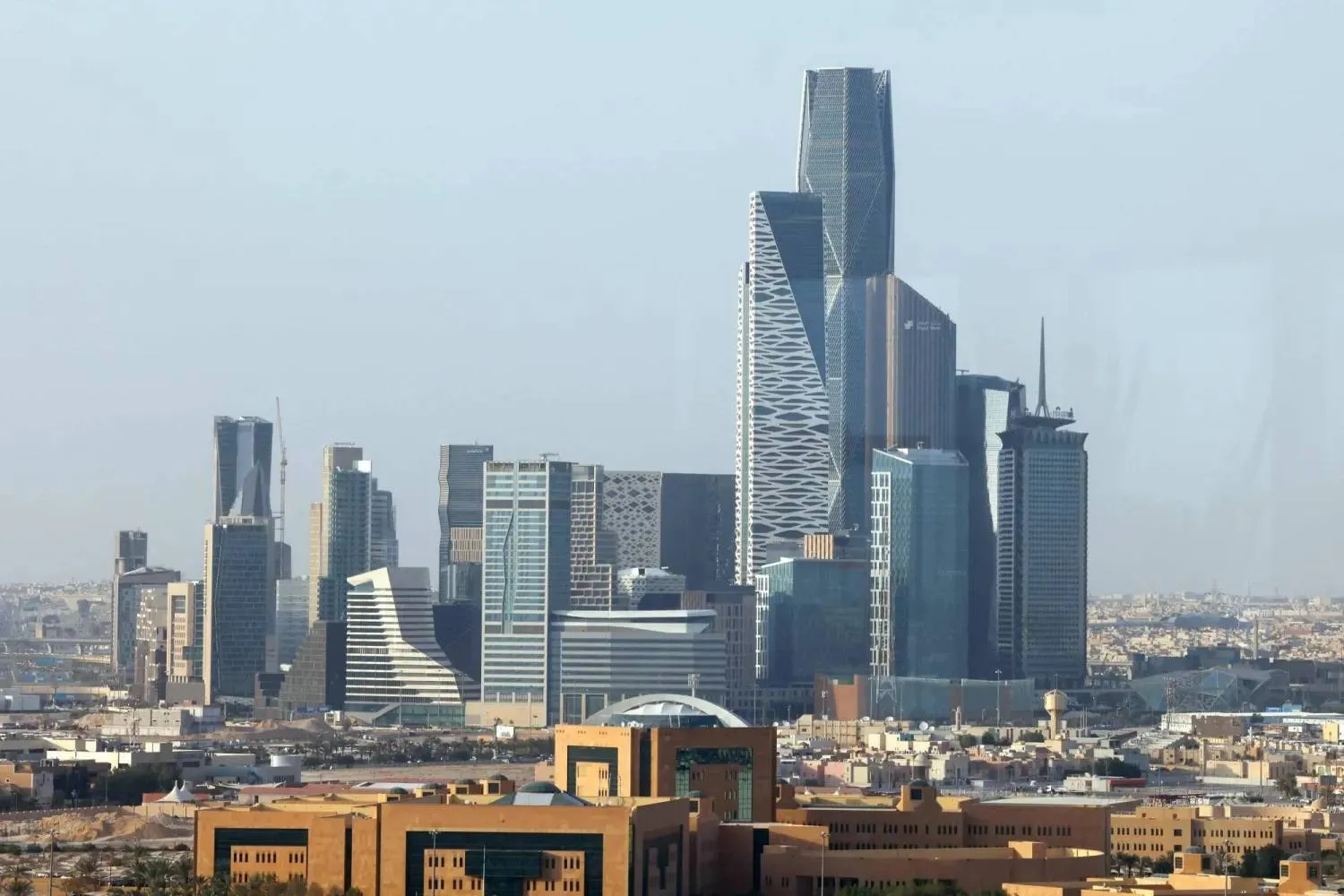

Arab, Islamic Countries Slam Terrorist Houthi Attack against Saudi Arabia

A view of Riyadh, Saudi Arabia. (SPA)
TT

Arab, Islamic Countries Slam Terrorist Houthi Attack against Saudi Arabia

A view of Riyadh, Saudi Arabia. (SPA)

The Iran-backed Houthi militias’ terrorist attack against Saudi Arabia on Monday sparked Arab and international outcry and condemnation of what was seen as a violation of international law and a direct threat to the security of the region.

The United States declared its solidarity with Saudi Arabia in confronting the latest Houthi attacks, saying the strategic relationship between Washington and Riyadh was stronger.

The State Department said the Houthi group remains designated as a foreign terrorist organization. It added that efforts to protect marine navigation in the Red Sea and combat terrorist groups in Yemen continue.

The Saudi Defense Ministry had said on Monday that its air defenses shot down ballistic missiles fired by the Houthis against the Kingdom.

Condemnations poured in from Bahrain, Kuwait, Qatar, Oman, Jordan, Egypt and Lebanon.

The statements warned that the attack was a dangerous escalation that undermines regional security and stability.

They expressed solidarity with the Kingdom and support for the measures it takes in defending its sovereignty and security.

Bahrain hailed the vigilance of the Saudi defenses in intercepting the attack and saving lives and its efforts in leading the Coalition to Support Legitimacy in Yemen.

Kuwait slammed the attack as a violation of the Kingdom’s sovereignty and of international law.

Oman called on all Yemeni parties to show restraint, commit to the truce and return to the negotiations table under the UN-sponsored process.

Lebanese President Joseph Aoun said the attacks against Saudi Arabia and Jordan were “systematic attempts to undermine the stability of the Arab Gulf and keep the region in a cycle of tensions in service of plots that harbor no goodwill towards the Arab people.”

He expressed Lebanon’s solidarity with Saudi Arabia, the Gulf and Jordan, saying their security and stability were an “integral part of national Arab security.”

Lebanese Prime Minister Nawaf Salam echoed Aoun’s remarks, adding that Beirut stands by Saudi Arabia and its legitimate right to take the suitable measures to defend its territories and people.

He warned that the “continuation of these attacks reveals a dangerous insistence on undermining efforts to achieve security and stability in the Arab Gulf region.”

The Muslim World League condemned the terrorist attack against Saudi Arabia that “violates religious values and international laws and norms.”

“The cowardly attack violates all humanitarian values,” added MWL Secretary-General Sheikh Dr. Mohammed Al-Issa.

Gulf Cooperation Council Secretary General Jasem Albudaiwi stressed that the “cowardly attack is a flagrant violation of international law and international humanitarian law.”

He called for a “firm and deterrent international stance to put an end to its hostile practices and ensure those responsible are held accountable.”


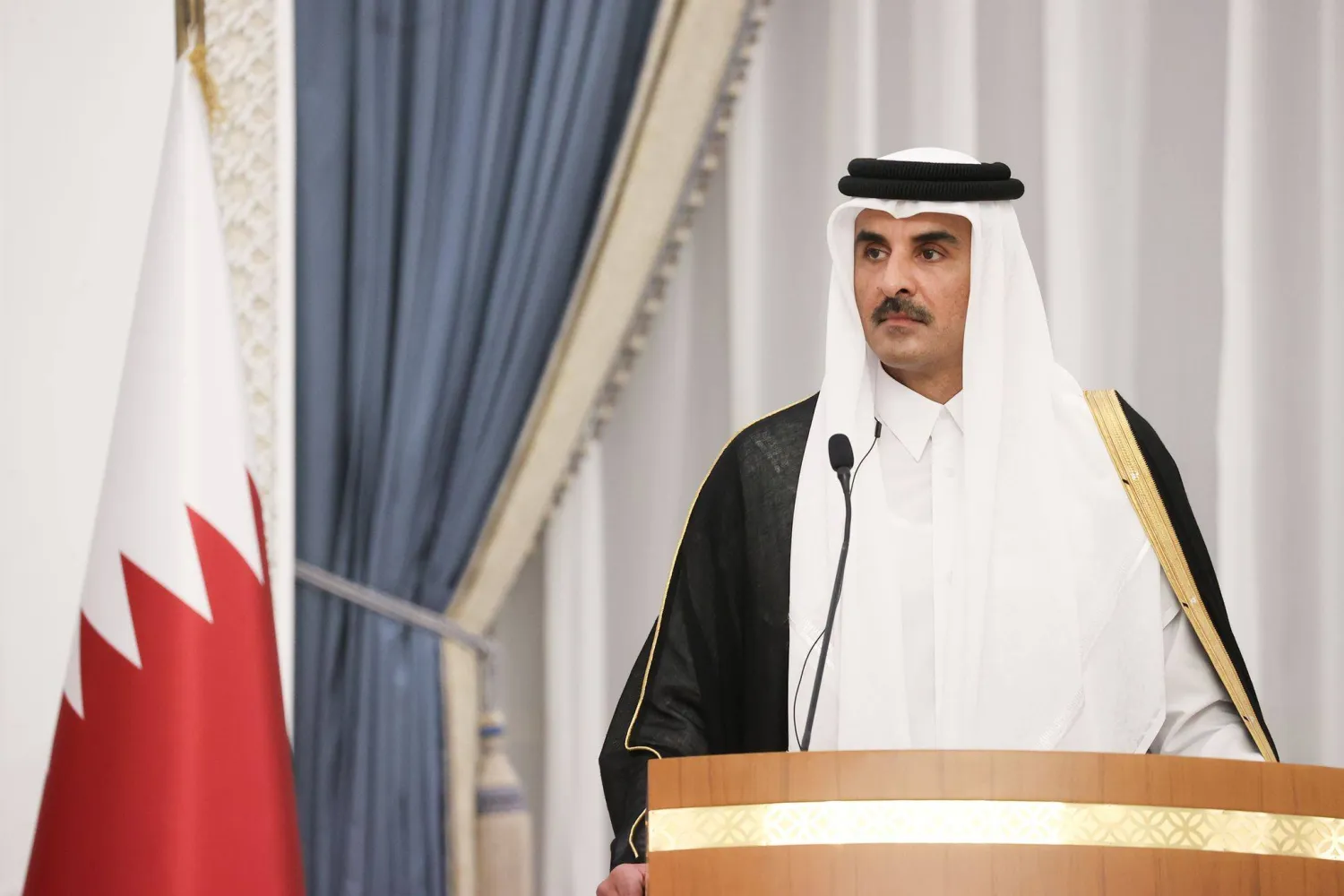

Saudi Arabia Welcomes Integration of SDF into Syrian Military Institutions

Saudi Arabia Welcomes Integration of SDF into Syrian Military Institutions
TT

Saudi Arabia Welcomes Integration of SDF into Syrian Military Institutions

Saudi Arabia Welcomes Integration of SDF into Syrian Military Institutions

The Ministry of Foreign Affairs expressed the Kingdom of Saudi Arabia's welcome of the integration of the Syrian Democratic Forces (SDF) into the Syrian Arab Republic's military institutions, noting that the move would contribute to enhancing security and stability in Syria and for its brotherly people, SPA reported.

In a statement, the ministry said that the Kingdom reiterates its support for the steps taken by the Syrian government to fulfill the aspirations of the Syrian people and continue the path toward unity and development.

The Kingdom also wished the Syrian Arab Republic and its brotherly people security, peace, and prosperity.


Saudi FM Discusses Regional De-Escalation with Qatari, Turkish Counterparts

Saudi Foreign Minister Prince Faisal bin Farhan bin Abdullah. (AFP)
TT

Saudi FM Discusses Regional De-Escalation with Qatari, Turkish Counterparts

Saudi Foreign Minister Prince Faisal bin Farhan bin Abdullah. (AFP)

Saudi Foreign Minister Prince Faisal bin Farhan bin Abdullah held separate telephone talks on regional de-escalation efforts with his Qatari counterpart Sheikh Mohammed bin Abdulrahman Al Thani and Turkish counterpart Hakan Fidan.

The calls were held as part of the constant coordination and unified efforts to bolster regional security and stability.


Saudi Arabia, Bureau International des Expositions Sign 'SEE Agreement'

Saudi Minister of Foreign Affairs Prince Faisal bin Farhan bin Abdullah signs the agreement. (SPA)
TT

Saudi Arabia, Bureau International des Expositions Sign 'SEE Agreement'

Saudi Minister of Foreign Affairs Prince Faisal bin Farhan bin Abdullah signs the agreement. (SPA)

Saudi Arabia and the Bureau International des Expositions (BIE) signed the "SEE Agreement" to establish the legal and administrative framework governing the participation of countries and international organizations in Expo 2030 Riyadh. The agreement provides participants with the necessary support throughout the various stages of preparation.

The signing ceremony took place on the sidelines of the visit of Prince Mohammed bin Salman bin Abdulaziz Al Saud, Crown Prince and Prime Minister, to France, reported the Saudi Press Agency on Tuesday.

The agreement was signed by Saudi Minister of Foreign Affairs Prince Faisal bin Farhan bin Abdullah and BIE Secretary General Dimitri Kerkentzes, in the presence of CEO of Expo 2030 Riyadh Talal Al-Marri.

The agreement provides countries and international organizations with a clear framework for their participation in Expo 2030 Riyadh. It covers the various stages of design, construction, and operation and reflects the expo's commitment to strengthening international cooperation and partnerships. It also provides participants with the support and coordination needed to proceed with their preparations with confidence.

The agreement regulates practical aspects related to the participation of countries, international organizations, and their teams. These include travel and visa arrangements, tax and customs facilitation, mobility services, and technical and administrative requirements.

The framework will help streamline procedures and reduce the administrative burden on participants. It aims to facilitate the effective participation of countries and international organizations and ensure a smoother, more efficient experience before and throughout Expo 2030 Riyadh.