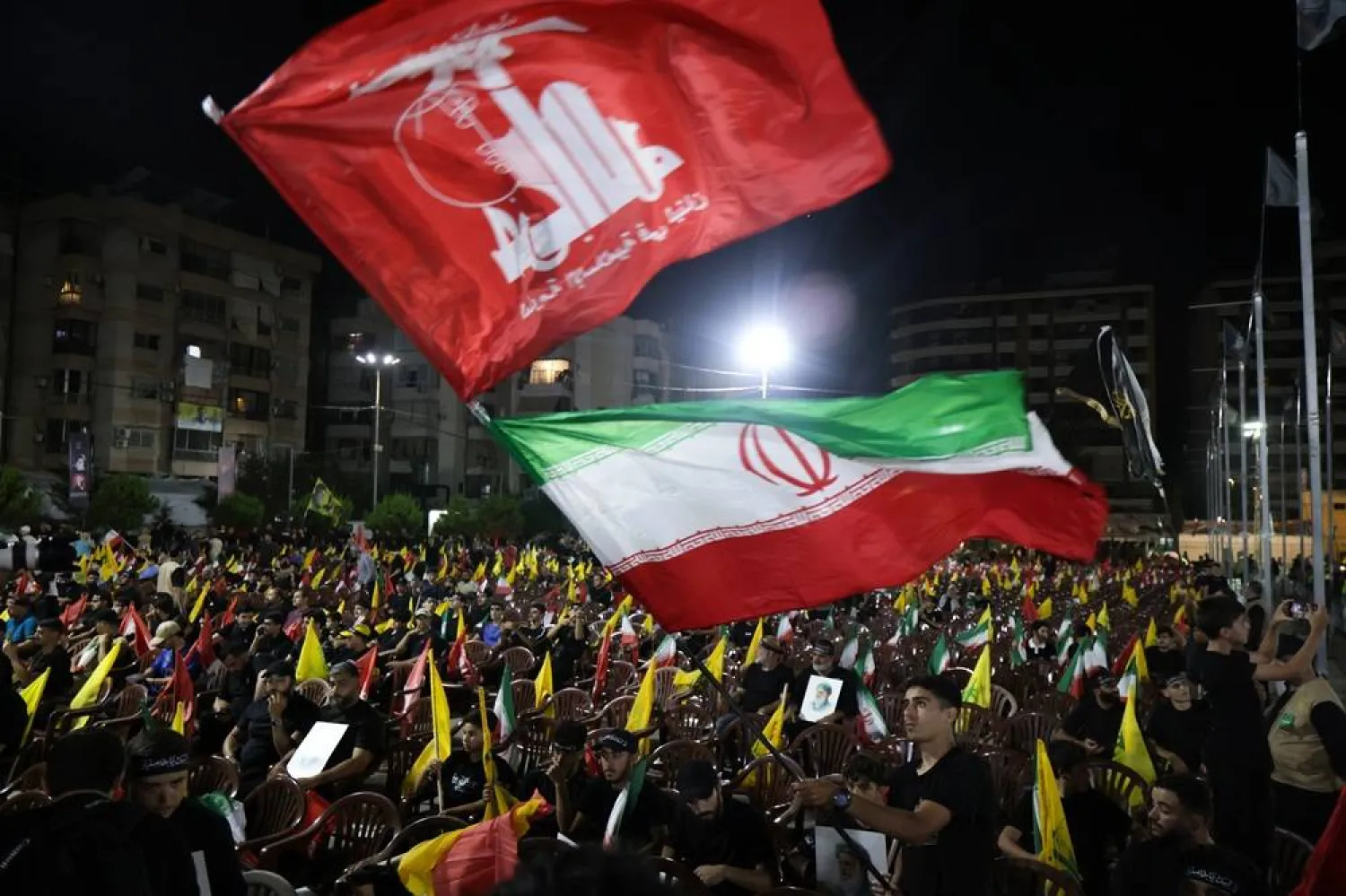

Amid deteriorating regional conditions and faltering US-Iranian understandings, Lebanese people fear that Hezbollah may once again launch a new round of war in support of Iran. This follows the party’s previous interventions, including its 2023 campaign backing Gaza and its retaliation for the late Iranian Supreme Leader Ali Khamenei in March this year.
Lebanon has witnessed a drop in Israeli military operations, which have reached their lowest levels in weeks, despite Israel's continued occupation of a security zone extending up to ten kilometers deep inside Lebanese territory. Hezbollah has also halted all military operations since the ceasefire was announced in mid-June.
However, the resumption of attacks between the US and Iran leads observers to believe that Tehran could once again request its regional proxies, including Hezbollah, to reignite all fronts in its support, should it perceive that the situation is heading toward a major escalation against it.
These fears are compounded by past statements by Hezbollah lawmakers and leaders. Most recently, MP Ali Ammar pledged to stand behind Iran in the event of a new war.
Conversely, during his latest appearance, Hezbollah Secretary-General Naim Qassem insisted on maintaining the diplomatic track between the US and Iran, while fiercely attacking the path of direct negotiations between Lebanon and Israel.
Political analyst Qassem Qassir, who is close to Hezbollah's positioning, noted that “no one can definitively determine the red lines drawn by Hezbollah, which, if crossed, would prompt a return to resistance in its broadest sense.”
“However, it is expected that a broad Israeli assault on the Ali al-Taher hill would naturally compel the group to defend it,” he told Asharq Al-Awsat.
“The same applies if attacks target other Lebanese areas still outside direct Israeli control, or if the enemy resumes wide-scale offensives and attacks against Nabatieh, Tyre, the southern suburbs of Beirut or other regions,” he added.
“Ultimately, the decision rests with Hezbollah's leadership, which has confirmed through its Secretary-General that it will not accept a return to the status quo prior to March 2” when the war with Israel erupted, he said.
“Consequently, matters remain contingent upon favorable conditions on the ground as well as the political climate. For instance, should direct Lebanese-Israeli negotiations hit a dead end, it could prompt the resistance [Hezbollah] to resume direct military operations,” he remarked.
Security and defense analyst Dr. Riad Kahwaji said: “The red lines that could prompt Hezbollah to resume fighting are determined by Iran, not the party's own leadership.”
Speaking to Asharq Al-Awsat, he added: “Tehran alone decides when the party will reopen the support front.”