
Concerns are mounting over a worsening humanitarian crisis in Yemen as renewed military escalation by the Houthis coincides with the fallout from the resumption of the war involving Iran, which has begun to disrupt trade flows and commodity supplies to the country. At the same time, the United Nations has warned of expanding hunger and a declining ability of aid agencies to respond because of severe funding shortages.
Government and commercial sources told Asharq Al-Awsat that importers are facing growing difficulties in delivering shipments to Yemen as disruptions to regional maritime traffic persist.
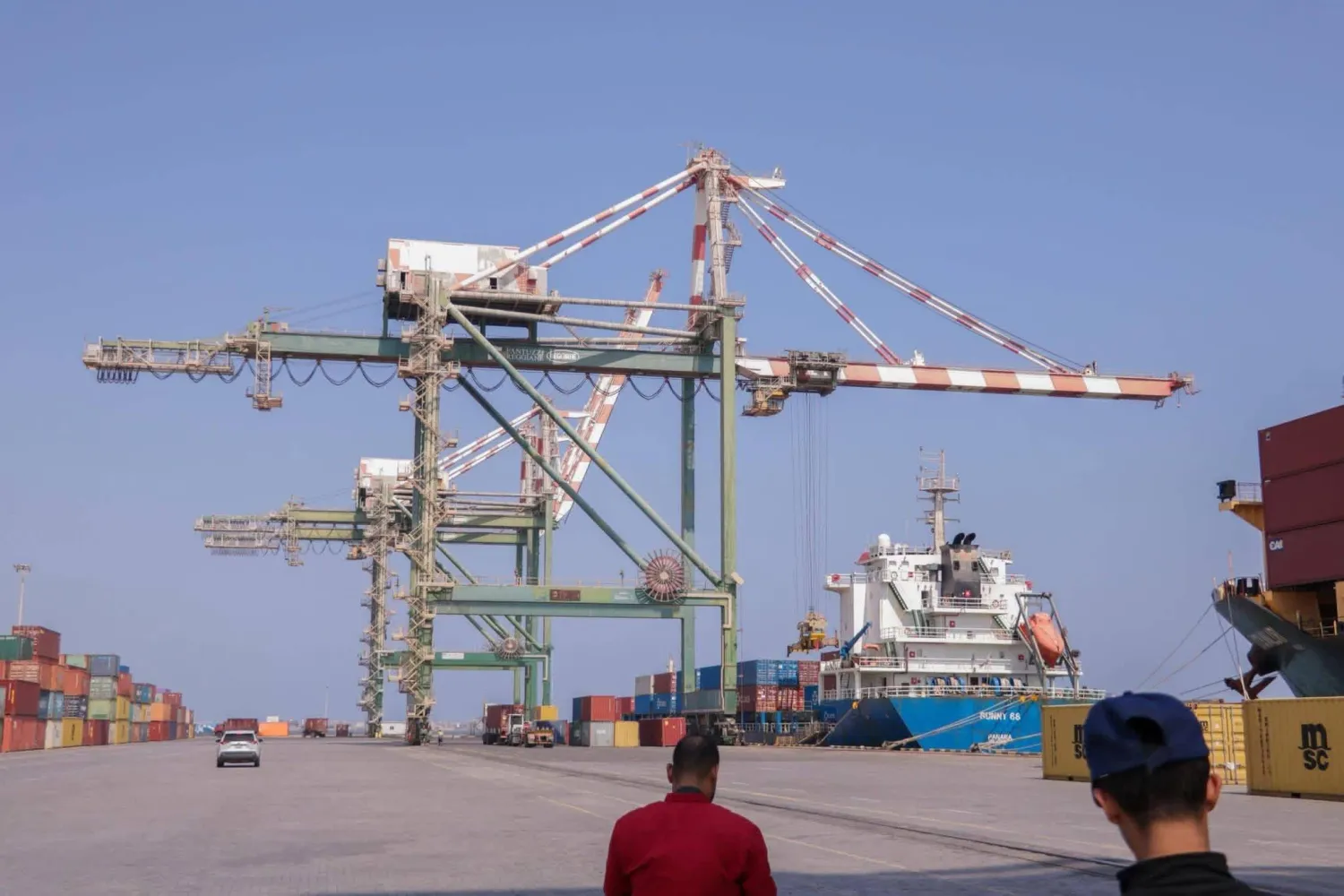
The sources said hundreds of containers have remained stranded at regional ports for months due to disruptions affecting shipping routes linked to the Strait of Hormuz, while concerns are growing over delays to new shipments and further increases in freight costs.
The situation is directly affecting commodity prices in a country that relies on imports for about 90 percent of its food needs, at a time when Yemenis are already grappling with declining purchasing power, currency depreciation, and rising poverty.
According to the sources, prices of several essential goods rose by more than 20 percent during the first round of the war. Price increases were even steeper in Houthi-controlled areas after the group imposed customs duties exceeding 100 percent on wheat and flour shipments entering through government-controlled ports. The measures drove up flour prices, despite flour being the main staple for most Yemenis, particularly in the country's mountainous governorates.
UN Warnings
These developments come as the United Nations says Yemen continues to face one of the world's worst humanitarian crises amid the ongoing conflict, worsening economic conditions, and expanding food insecurity.
According to a recent UN report, the continuation of the conflict, declining funding, deteriorating infrastructure, and rising import costs are pushing millions of Yemenis toward deeper poverty and hunger unless additional resources are secured to sustain humanitarian operations.
The report said 18.3 million people are experiencing acute food insecurity, with more districts expected to slip into the emergency phase of food insecurity and some areas facing catastrophic levels of hunger.
It also estimated that 22.3 million people, more than two-thirds of Yemen's population—will require humanitarian assistance and protection services this year, including 5.2 million internally displaced people, as well as migrants, refugees, and asylum seekers.
Funding Shortfall
The United Nations warned that Yemen's humanitarian response is facing an unprecedented funding crisis. As of the end of May, only 12.7 percent of the $2.16 billion required under the 2026 Humanitarian Response Plan had been secured, forcing aid agencies to scale back operations and focus assistance on those with the most urgent needs.
The report said children and women remain the hardest-hit groups. It projected that 2.2 million children under the age of five will suffer from acute malnutrition, including more than 500,000 with severe acute malnutrition. Another 1.3 million pregnant and breastfeeding women are also expected to face malnutrition.
The UN report added that around 40 percent of Yemen's health facilities are either completely or partially out of service. It warned that continued outbreaks of cholera, measles, and diphtheria, coupled with deteriorating water and sanitation services, are increasing the risk of large-scale public health emergencies. Meanwhile, 14.4 million people require water, sanitation, and hygiene (WASH) services.