



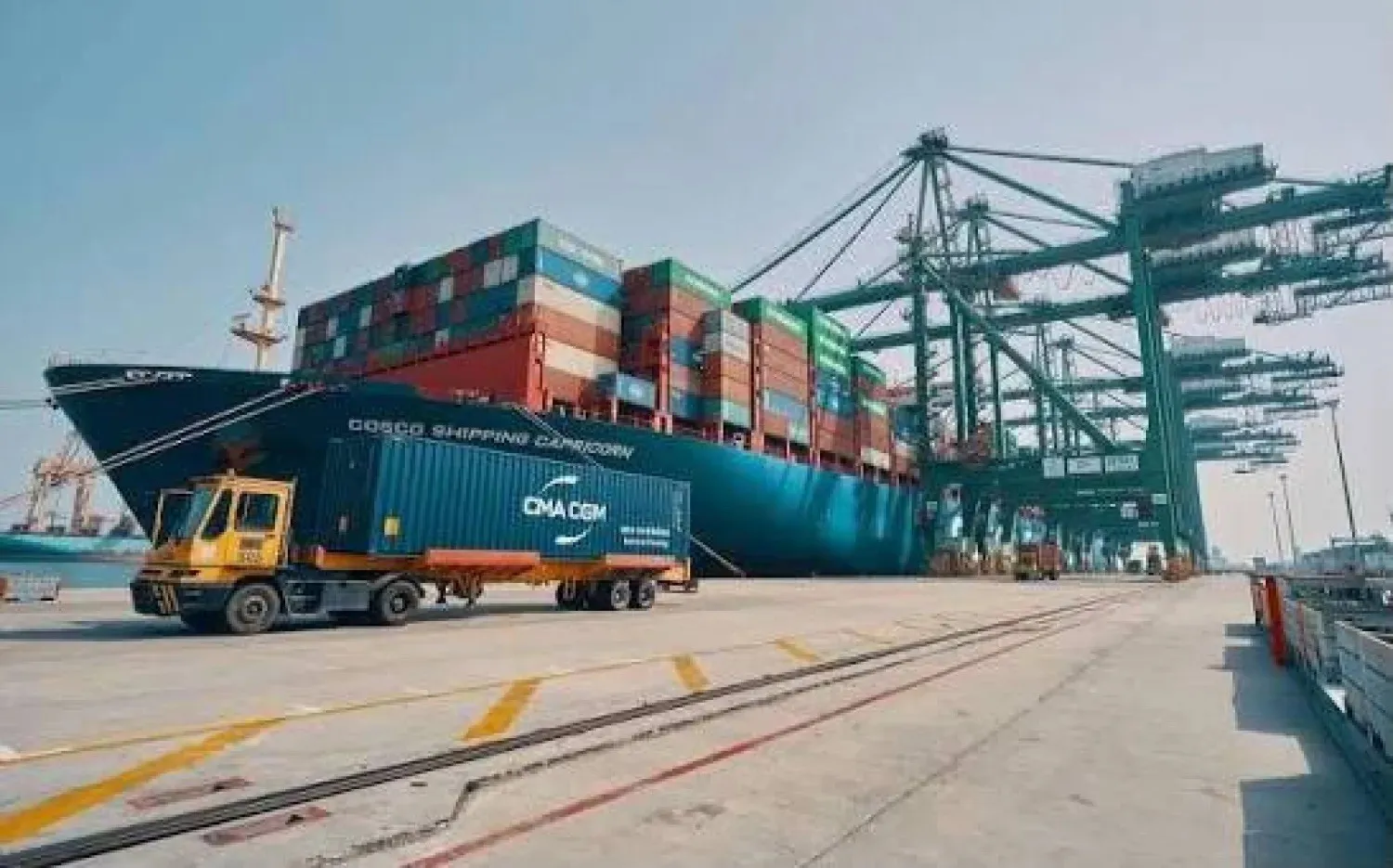

Saudi Arabia’s merchandise trade surplus surged nearly 329 percent year on year in May, driven by robust export growth, particularly in oil shipments, reflecting stronger external demand and the Kingdom’s growing ability to generate substantial trade surpluses despite continued volatility in global markets.
The performance underscores the resilience of Saudi Arabia’s external sector, supported by economic diversification policies, a broader export base, and greater efficiency in trade and logistics.
According to the General Authority for Statistics (GASTAT) International Trade Survey released Sunday, non-oil exports, including re-exports, fell 26.1 percent in May from the same month a year earlier.
Non-oil exports
National non-oil exports, excluding re-exports, declined 27.3 percent, while the value of re-exported goods fell 24.4 percent. The drop was mainly driven by a 32.4 percent decline in machinery, electrical equipment and parts, which accounted for 46.2 percent of total re-exports.
Overall merchandise exports, however, rose 3.9 percent year on year in May. Oil exports increased 19.5 percent, lifting their share of total exports to 75.6 percent from 65.7 percent in May 2025.
Imports fell 19.5 percent over the same period, pushing the merchandise trade surplus up 328.8 percent year on year.
The ratio of non-oil exports, including re-exports, to imports also declined, as non-oil exports fell 26.1 percent while imports decreased 19.5 percent.
Export destinations
Machinery, electrical equipment and parts remained the Kingdom’s largest non-oil export category, accounting for 22 percent of total non-oil exports despite declining 31.6 percent from May 2025. Plastics, rubber and their products ranked second, representing 17.6 percent of non-oil exports after falling 28.2 percent year on year.
China remained the leading destination for Saudi merchandise exports, accounting for 12.3 percent of total exports in May 2026, followed by South Korea at 9.6 percent and the United Arab Emirates at 7.5 percent.
India, Japan, Egypt, Malta, Singapore, Poland and Taiwan also ranked among the Kingdom’s top 10 export destinations. Combined, those 10 markets accounted for 63.3 percent of Saudi Arabia’s total exports.
Competitiveness of national products
Salem Baajajah, professor of economics at King Abdulaziz University, said the May trade data showed the Saudi external sector continued to improve, with strong merchandise export growth translating directly into the nearly 329 percent surge in the trade surplus.
He told Asharq Al-Awsat that the figures reflected stronger demand for Saudi exports, higher oil exports, and the continued growth of non-oil exports, which have become an increasingly important pillar of the Kingdom’s foreign trade.
Diversifying sources of income
Hisham Abu Jameh, senior adviser at Naif Alrajhi Investment, told Asharq Al-Awsat that the May results demonstrated the Saudi economy’s growing ability to maintain a trade surplus despite fluctuations in global markets and energy prices.
He attributed the performance to increasingly diversified sources of external income, the expanding contribution of manufacturing industries, petrochemicals and value-added products, as well as the continued year-on-year expansion of non-oil exports.
Abu Jameh said the indicators were in line with the objectives of Saudi Vision 2030, which aims to diversify the economic base, reduce reliance on oil as the sole source of revenue and broaden income streams.
Expanding non-oil exports, attracting industrial investment and promoting local content have all improved the efficiency and resilience of the Kingdom’s foreign trade, he added.


