


Oil Prices Rise Further as Hopes for Hormuz Deal Fade

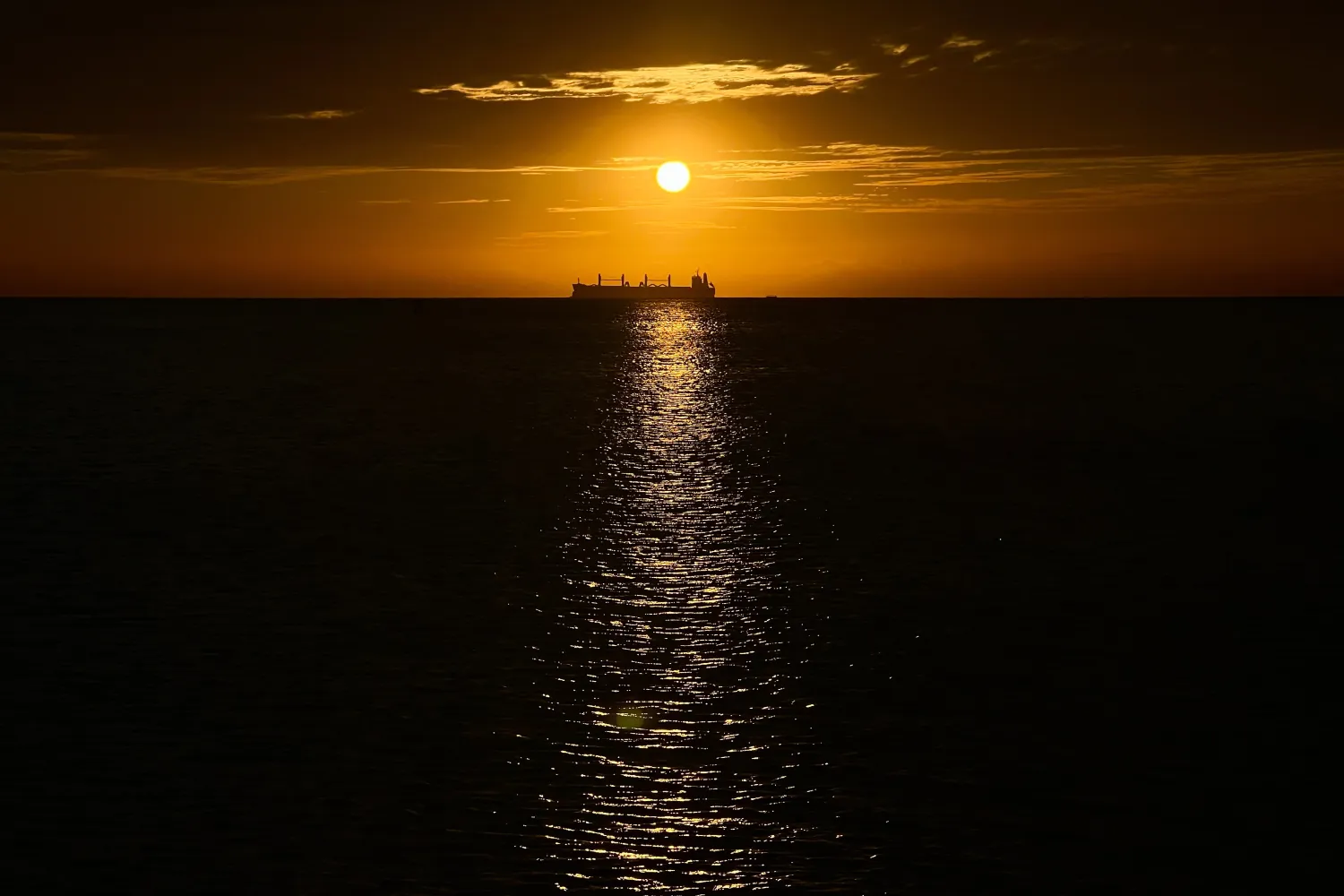
An oil vessel is visible in the Caribbean Sea at sunset during a nearby conference aimed at transitioning away from fossil fuels April 28, 2026, in Santa Marta, Colombia. (AP)
TT

Oil Prices Rise Further as Hopes for Hormuz Deal Fade

An oil vessel is visible in the Caribbean Sea at sunset during a nearby conference aimed at transitioning away from fossil fuels April 28, 2026, in Santa Marta, Colombia. (AP)

Oil prices extended hefty gains Tuesday as hopes for a reopening of the Strait of Hormuz fade, fanning fresh inflation fears and ramping up bets on at least one US interest rate hike this year.

Crude has surged around 10 percent over the past week, with the United States and Iran appearing no closer to a deal on the crucial waterway despite upbeat comments from the White House earlier in the month, according to AFP.

In the latest blow, Donald Trump said Monday he would seek conflict compensation from Iran as part of any peace negotiations, citing attacks and killings stretching back decades allegedly backed or perpetrated by Tehran.

The US president's announcement was a direct response to Tehran's demand for US war reparations as a precondition to any resolution of the crisis.

Trump's remarks came a day after he said he was "low-keying" his approach to the conflict, suggesting he was prepared to let economic pressure mount in place of further military strikes.

However, the latest back and forth risks putting a quick agreement further out of reach, and on Monday both main crude contracts jumped around five percent. They extended the gains on Tuesday.

"In the absence of any positive headlines on negotiations to reopen the strait, pressure on oil prices has been upward," wrote Jason Wong at BNZ.

And Stephen Innes, global strategist at Quintex Intel, said: "In effect, both sides are trying to weaponize the oil barrel without firing another shot. Washington is trying to choke Iran's ability to get its crude out, while Tehran is squeezing the artery through which everybody else's crude gets through.

"It is quite the game of chicken."

The prospect of oil prices remaining elevated for the time being has revived concerns over inflation and boosted the chances of interest rate increases.

While a surprise loss of more than 20,000 jobs in the US economy last month eased fears of a Federal Reserve hike, a spike in price pressures could force the bank's hand.

Cleveland Fed boss Beth Hammack told Yahoo Finance on Monday: "I would say in general, one 25-basis-point move probably doesn't do a whole lot for the economy.

"So it's probably some number of (movements). But I don't want to prejudge what that number is going to be."

The US-Iran deadlock and rising crude costs comes as traders await the release of consumer price data on Wednesday, which could play a key role in guiding the Fed on its next move.

Asian equities were mixed following a tepid day on Wall Street.

Shanghai, Wellington, Taipei and Manila all edged down but there were gains in Hong Kong, Sydney, Singapore and Seoul.

Tokyo was closed for a holiday.


Saudi Industrial Production Falls 23.5% in August

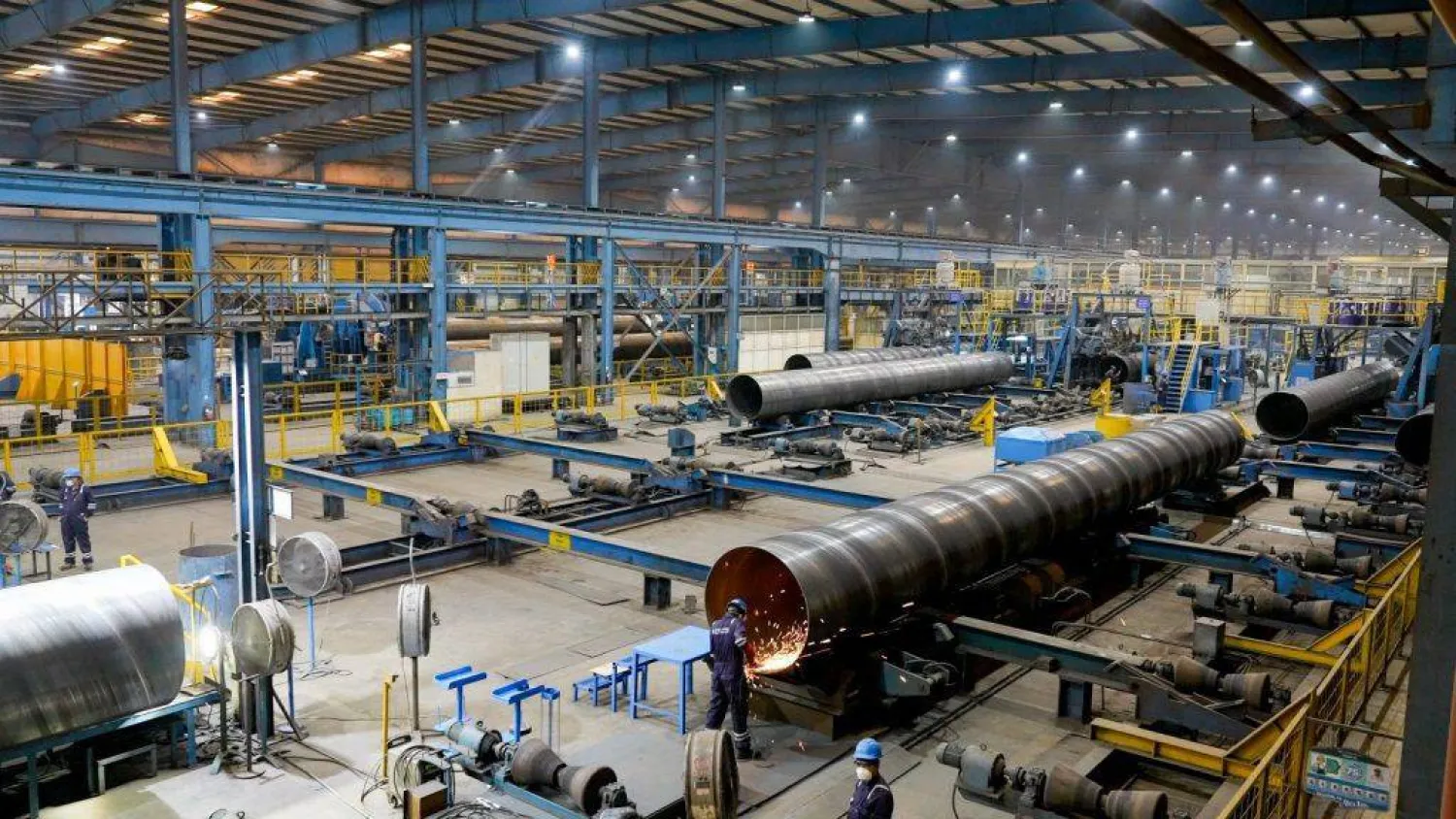
A factory operated by Saudi Arabia’s East Pipes Integrated Company for Industry. (Company photo)
TT

Saudi Industrial Production Falls 23.5% in August

A factory operated by Saudi Arabia’s East Pipes Integrated Company for Industry. (Company photo)

Saudi Arabia’s industrial production index fell 23.5% in August 2026 from a year earlier, weighed down by declines in mining and quarrying and manufacturing activity, data from the General Authority for Statistics showed on Sunday.

On a monthly basis, the index dropped 14% from July, amid declines in both main activities.

The data showed that the oil activities index fell 33.6% year on year, while the non-oil activities index rose 1.2%, reflecting divergent performances between the two sectors during the month.

By economic activity, the mining and quarrying index declined 35.8% year on year and 24% from July. The manufacturing index fell 8.8% annually and 3.2% month on month.

The decline in manufacturing was driven by a 24.1% year-on-year drop in the manufacture of coke and refined petroleum products, and a 3.3% decrease in the manufacture of chemicals and chemical products.

Some industrial activities, however, recorded annual growth. The index for electricity, gas, steam and air conditioning supply rose 9.4%, while the index for water supply, sewerage, waste management and remediation activities increased 7.4%.

On a monthly basis, the non-oil activities index rose 1.4%, while the oil activities index fell 21.5%, according to the authority’s preliminary data.


Iraqi Central Bank Says Traders Will Not Bear the Difference Under New Dollar Exchange Rate

Employees walk outside the Central Bank of Iraq headquarters in Baghdad (Reuters)
TT

Iraqi Central Bank Says Traders Will Not Bear the Difference Under New Dollar Exchange Rate

Employees walk outside the Central Bank of Iraq headquarters in Baghdad (Reuters)

The Central Bank of Iraq announced on Saturday that traders will not be charged the difference under the new dollar exchange rate for transfers whose purchases and funding were confirmed at the previous rate before the seventh of this month.

Iraqi markets have experienced disruption following the central bank’s unexpected decision to raise the dollar exchange rate in the draft federal budget for fiscal year 2027 from 1,320 dinars to 1,520 dinars per dollar.

In a statement issued on Saturday regarding traders’ transfers awaiting execution, the Central Bank of Iraq said it was monitoring banking transactions carried out before and after the exchange rate adjustment and verifying that banks comply with the applicable instructions and regulations, in order to protect the rights of traders and customers.

The central bank urged companies and traders whose transfers to finance imports were due for execution before the seventh of this month to contact their banks and confirm that the transfers had been processed. It noted that it had previously strengthened banks’ accounts to cover these transfers, monitor any delays, and ensure that traders were not charged exchange rate differences on transfers confirmed as purchased and funded at the previous rate.

The bank stressed that “if execution is delayed or additional amounts are demanded, a complaint can be submitted through the Central Bank of Iraq’s complaints platform for follow-up with the bank concerned.” It added that it was coordinating with banks and electronic payment companies to introduce special foreign trade cards for small-scale traders to facilitate import financing, in accordance with the mechanisms and regulations set by the central bank.

The exchange rate adjustment has pushed the dollar’s price in Iraq’s parallel market to 1,665 dinars and led to a sharp increase in the prices of essential goods and electrical appliances.


Thailand Prepares to Host IMF-World Bank Meetings

The conference logo of the IMF-World Bank Group Annual Meetings 2026 is displayed on a wall backdrop inside a meeting room at the Queen Sirikit National Convention Center in Bangkok on October 9, 2026. (Photo by Chanakarn LAOSARAKHAM / AFP)
TT

Thailand Prepares to Host IMF-World Bank Meetings

The conference logo of the IMF-World Bank Group Annual Meetings 2026 is displayed on a wall backdrop inside a meeting room at the Queen Sirikit National Convention Center in Bangkok on October 9, 2026. (Photo by Chanakarn LAOSARAKHAM / AFP)

Thailand is preparing to host the IMF–World Bank Annual Meetings in Bangkok from October 12–18, bringing together more than 15,000 participants from 191 countries, including central bank governors, economic policymakers and business leaders, for discussions on the world economy.

To ease traffic, Bangkok government offices will work from home on October 12, 14 and 15, while October 13 is an existing public holiday and October 16 has been declared a special government and ⁠bank holiday, with ⁠private companies and state enterprises asked to consider suitable arrangements.

Security has been tightened at the meeting venue in central Bangkok and 21 official hotels, according to the authorities.

About 500 Tourist Police officers will also help secure the ⁠venue, delegate hotels and tourist attractions through undercover deployments, patrols, drones and motorcade escorts coordinated with around 39 embassies, Tourist Police Bureau Commissioner Phongsiam Meekhanthong said.

Visiting leaders include Swiss President Guy Parmelin, making the first official visit to Thailand by a Swiss president in 22 years, and Singapore President Tharman Shanmugaratnam, the Thai Foreign Ministry said.

Participants’ spending could generate 1.05–2.25 billion baht for ⁠the ⁠Thai economy, according to the Thai Finance Ministry.

More than 320 electric vehicles will serve participants to cut carbon emissions, Reuters quoted the Thai Finance Ministry as saying.

Heavy to very heavy rain is forecast for Bangkok and surrounding provinces on October 10-11, potentially causing localized flooding, the Bangkok Metropolitan Administration warned.

This comes after parts of the city flooded two weeks ago following 320 mm of rain over three days.
