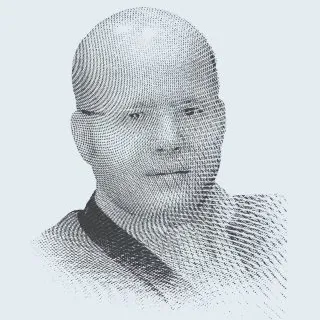
Why do we remember Ahmed Bahaa El-Din three decades after his death? Because, above all, he was a good, humble Egyptian man. Set aside his importance as a writer and thinker and his stature as a leading journalist. What people loved about him first was that he was gentle and kind, one of them. They loved that he never chased office, never cared about his influence, and never turned his battles and struggles into a pursuit of power.
These are the true measures of a person's place in life: that what makes people love you is your humanity, not fear or awe of you. That is why Saad Zaghloul remains to this day simply Saad, as though he were still alive. Omar Sharif was cut from the same cloth. He reached the heights of international fame and remained a man of his own country, carrying his stature with remarkable humility.
That is a rare gift, to stand among the great at the highest levels of fame and power without being seduced by any of it for even a moment. Arrogance destroys its owner first.
Bahaa spent his short life fighting against it. He was never drawn to proximity to presidents or to cultivating relationships with Arab leaders. When he died, he was still living in the family's small apartment.
But Bahaa's character was not the whole story. First and foremost, there was the great teacher, the great professor, the golden intellectual, the innovator in journalism, and the modernizer of political life.
Bahaa left behind a school of Arabic journalism and many students. He transformed the way journalism looked at people, and the way people looked at journalism in return. Most importantly, he elevated non-political journalism to the same standing and importance as national journalism.
Bahaa was not merely an Egyptian journalist. He was an Arab journalist, and above all, a great journalist devoted to the cause of Palestine. That was his most important role. On the occasion of his centenary next year, I hope the Abdul Mohsen Al-Qattan Foundation will mark Palestine Day in his memory. How deserving he is of that.