Arms Embargo: Can Washington Breach the Wall of Sudan’s War?

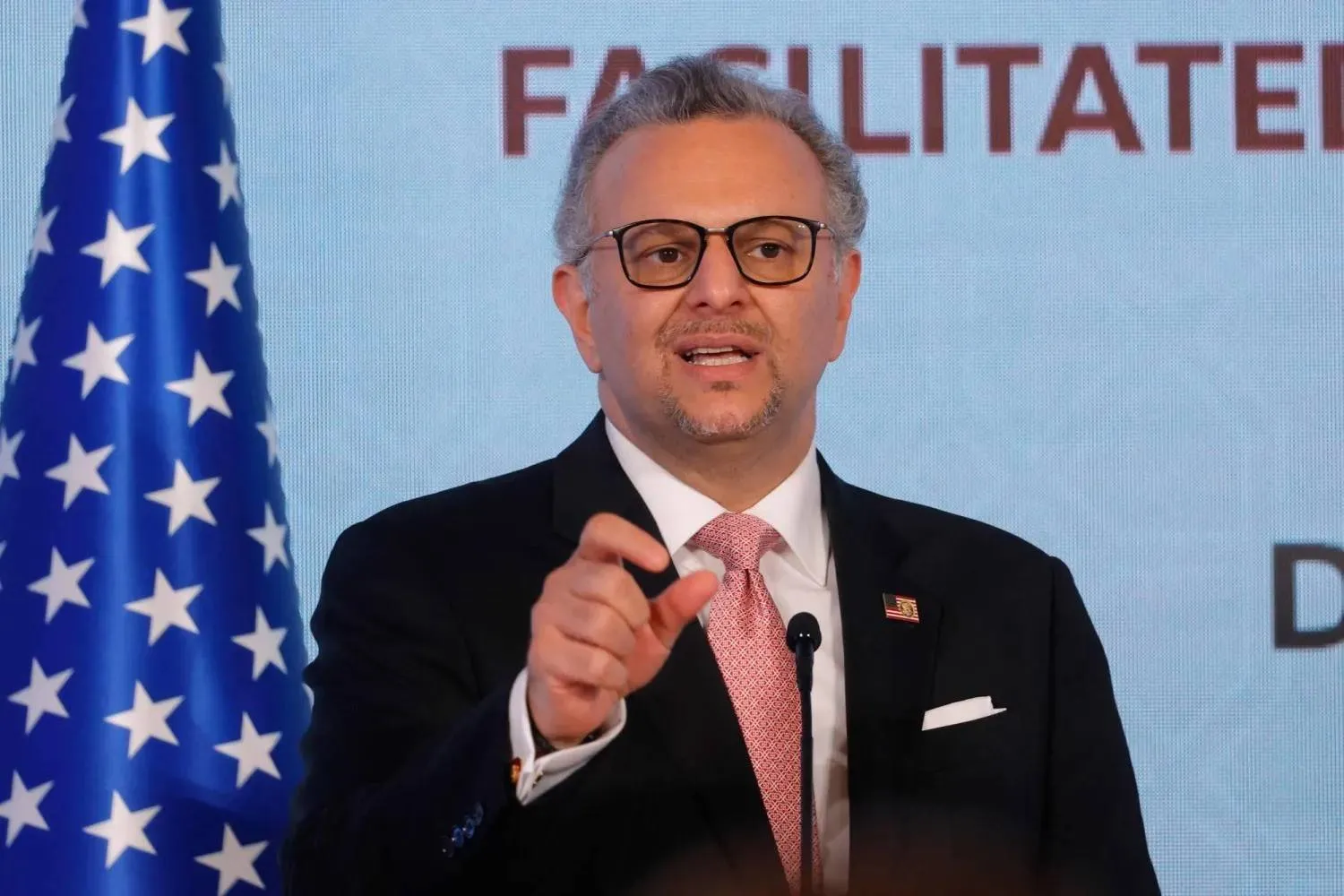
Massad Boulos, senior adviser to the US president for Arab and African affairs (AFP) 
TT

Arms Embargo: Can Washington Breach the Wall of Sudan’s War?

Massad Boulos, senior adviser to the US president for Arab and African affairs (AFP) 

The United States has stirred the stagnant waters of Sudan’s war by announcing plans to expand an arms embargo imposed on Darfur for more than two decades to cover the entire country.

The move appears aimed at shifting from limited sanctions to a direct attempt to reduce the warring parties’ ability to keep fighting and force them to reconsider the cost of seeking a military victory compared with returning to negotiations. It is a risky step, but one that also signals Washington’s determination to make a breakthrough in a war described as one of the world’s largest and most severe humanitarian crises.

Massad Boulos, senior advisor to the US president for Arab and African affairs, told the UN Security Council days ago that the US proposal would cover drones, related technologies and components, while strengthening the work of the sanctions panel of experts tasked with monitoring violations.

The current Darfur arms embargo expires Sept. 12, making the coming weeks a test of Washington’s ability to build consensus in the Security Council. Russia has voiced clear reservations, saying it would not accept measures affecting the Sudanese army’s capabilities, while China has taken a cautious position on expanding sanctions, leaving adoption of the proposal in its current form uncertain.

Washington views the proposed embargo as a pressure tool rather than merely a punitive measure. According to The Associated Press, the US administration believes restricting the flow of weapons to the belligerents could push them back to the negotiating table. UN political affairs chief Rosemary DiCarlo has meanwhile warned against the parties’ continued reliance on a military solution and the steady influx of sophisticated weapons.

Sudan’s Sovereignty Council chairman and army chief Gen. Abdel Fattah al-Burhan, however, has played down the possible impact of sanctions, saying they would neither affect Sudan nor weaken the armed forces’ resolve. He insisted the army would continue fighting until it retakes all areas controlled by the Rapid Support Forces.

The contrast shows the political struggle surrounding the US proposal. Washington wants to convince both sides that the flow of weapons cannot remain open-ended, while Sudan’s military leadership continues to speak in terms of retaking territory by force. The RSF is likewise reinforcing its positions and relying on supply networks, weapons and drones.

The US premise is that the ability to rearm prolongs the war: As long as each side believes it can replace its losses and obtain more drones, ammunition, fuel and financing, its incentive to compromise remains limited. If supplies become more difficult and costly, military calculations could gradually shift toward a settlement.

Drone use has expanded significantly in recent months, with attacks extending beyond front lines to cities, markets, electricity and water facilities and health infrastructure. Rosemary DiCarlo, the UN's under secretary-general for political and peacebuilding affairs, said sophisticated weapons, including drones, have become a major factor in increasing the war’s toll on civilians.

Restricting drones and their components, ammunition and heavy weapons could therefore yield an immediate humanitarian benefit by reducing long-range attacks, civilian casualties, displacement and disruption to hospitals and electricity and water networks, while improving humanitarian access.

But the plan’s success will depend on enforcement. The Darfur embargo, in place since 2005, failed to stop weapons from entering the region, exposing the limits of UN resolutions without effective monitoring and enforcement mechanisms.

Opposition Welcomes Proposal

Sudanese civilian opposition forces welcomed the US proposal while stressing that it should be linked to a comprehensive political process.

Khalid Omer Yousif, a leader in the Sumoud alliance, said pressure on both warring parties should be part of an “integrated package” to end the fighting and restore the civilian political process, rather than an isolated punitive measure.

Yasir Arman, head of the Sudan People’s Liberation Movement–Revolutionary Democratic Current, warned that piecemeal measures could lead to “managing the war rather than ending it,” calling for a joint African Union-UN roadmap to halt the fighting and preserve Sudan’s unity.

The real test of Washington’s seriousness will be whether it can move from a Security Council resolution to pursuing supply networks, including flights, land routes, brokers, companies and individuals facilitating the purchase and transfer of weapons to Sudan.

Washington does not appear to be relying on the embargo alone to end the war. Rather, the proposal is likely part of a broader effort to raise the cost of continued fighting while pushing for negotiations. US officials say the goal is not to hand victory to one side over the other, but to reduce both sides’ ability to wage an open-ended war.

Ultimately, the seriousness of the US effort will be measured by its willingness to pressure the parties’ backers, not only the Sudanese belligerents themselves. If weapons continue to flow, expanding the embargo will amount to little more than a legal framework with limited effect. But if combined with monitoring, sanctions and simultaneous diplomatic pressure to reopen negotiations, it could become one of the strongest international tools of pressure deployed since the war began.

At its core, the US proposal brings two opposing calculations into direct confrontation: Washington wants to make continuing the war harder and more costly, while both sides insist on fighting until they recover all territory. Between them, civilians stand to benefit most from any measure that genuinely reduces the flow of instruments of war, even before a comprehensive political settlement is reached.



Yemen’s Government Activates Emergency Plans to Protect Airports and Border Crossings

A displaced boy wearing an FC Barcelona jersey walks outside a tent at a displacement camp on the outskirts of Aden, Yemen, Wednesday, Nov. 11, 2026. (AP Photo/Abdulnasser Alseddik)
TT

Yemen’s Government Activates Emergency Plans to Protect Airports and Border Crossings

A displaced boy wearing an FC Barcelona jersey walks outside a tent at a displacement camp on the outskirts of Aden, Yemen, Wednesday, Nov. 11, 2026. (AP Photo/Abdulnasser Alseddik)

Military developments in Yemen have prompted the government to raise the level of preparedness at vital facilities and activate emergency plans at airports and land border crossings.

The move comes as displacement caused by Houthi escalation has expanded, surpassing 347,000 people, while the United Nations warns that civilian casualties since last August have exceeded 300 killed and wounded.

The latest measures reflect concerns that the repercussions of the fighting could spread to transportation, navigation, and supply sectors, particularly amid growing threats linked to the Bab al-Mandab Strait, one of the world's most important maritime trade routes.

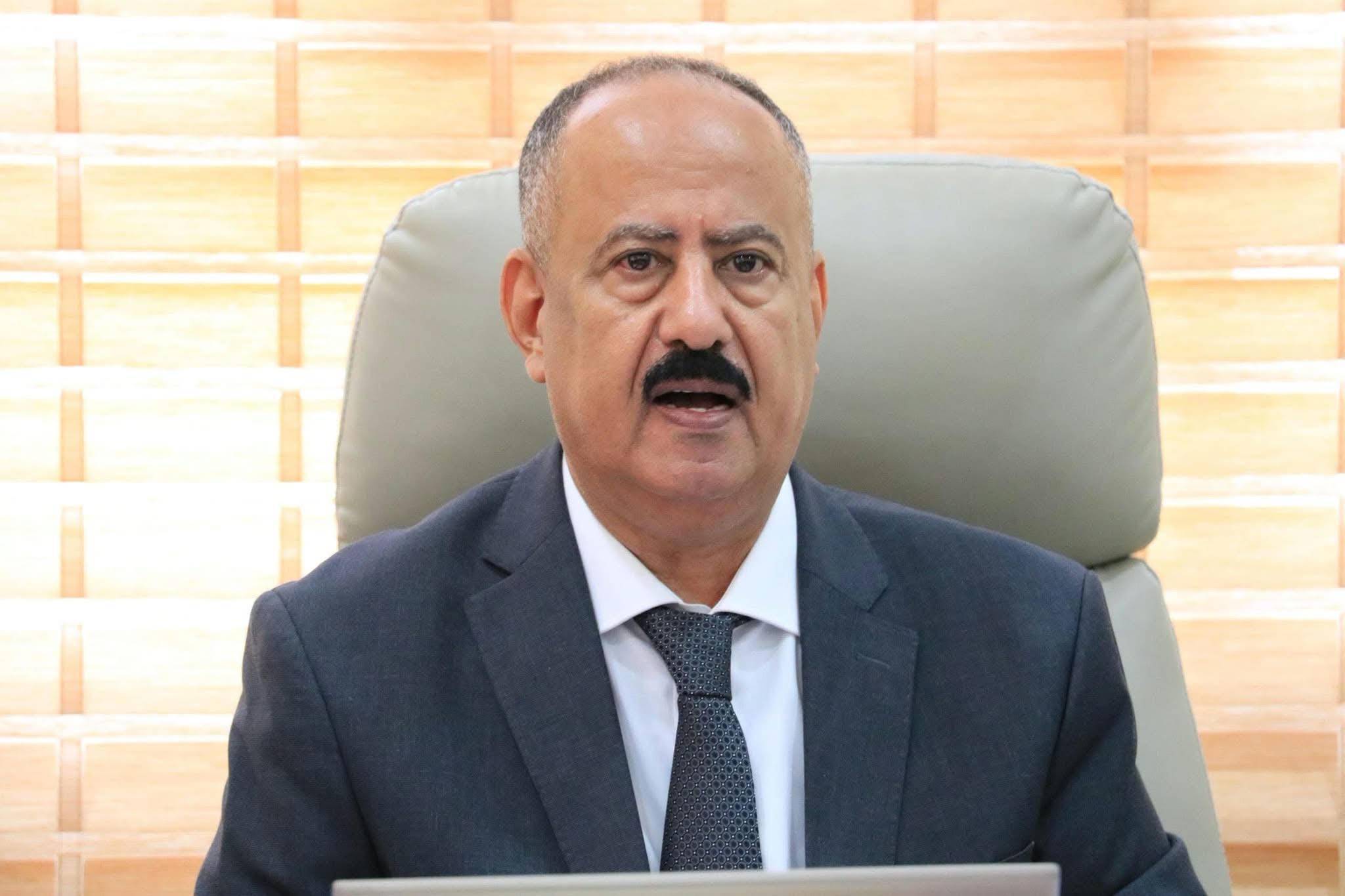
Yemeni Transport Minister Mohsen al-Omari instructed authorities to increase readiness and vigilance at airports and land crossings, activate emergency plans, tighten security and monitoring procedures, and strengthen coordination with local authorities and security agencies to ensure uninterrupted operations and the safety of critical infrastructure.

Yemeni Transport Minister Mohsen al-Omari (goverment media)

The directives were issued during a meeting with officials from the Civil Aviation and Meteorology Authority, the Land Transport Regulatory Authority, and directors of airports and border crossings to review emergency plans and the level of preparedness across ministry-affiliated institutions.

Al-Omari stressed that current circumstances require greater coordination and preparedness, noting the strategic importance of Bab al-Mandab as a vital waterway for global shipping and commerce.

He warned that any threat to international maritime routes would have consequences extending far beyond Yemen and impact global trade, and stressed that safeguarding maritime security is a shared responsibility requiring serious international action and close coordination with the Yemeni government and Saudi Arabia, which he said continues to support Yemen.

The minister also stated that Yemen has “no future under the Houthis,” describing the militias as an extremist sectarian and ideological project backed by Iran. He called for continued vigilance and strict adherence to government directives regarding developments in Bab al-Mandab and other vital areas.

Rising Wave of Displacement

Alongside the government measures, the humanitarian impact of the conflict continues to worsen. The International Organization for Migration (IOM) reported that the number of displaced people in Yemen has exceeded 347,000, including more than 14,000 individuals displaced during the last three days of the reporting period.

The organization documented the displacement of 18,780 people, representing 3,130 families, between November 8 and 14, indicating the continued flight of civilians from conflict zones and insecure areas.

Taiz Governorate has received the largest number of displaced people, hosting 143,130 individuals (41% of all recorded cases), followed by Lahj with 91,314 people (26%) and Aden with 70,404 people (20%). Additional displaced populations were recorded in Abyan, Hodeidah, Shabwa, Marib, Hadramawt, Al-Mahra, and Al-Dhalea.

The UN Office for the Coordination of Humanitarian Affairs (OCHA) reported that humanitarian agencies and partners have managed to deliver emergency assistance to more than 270,000 displaced people, roughly two-thirds of the total displaced population. More than 202,000 people have received emergency cash assistance.

In the health sector, aid programs reached over 103,000 displaced individuals, while a measles and rubella vaccination campaign launched on November 7 vaccinated more than 600,000 children.

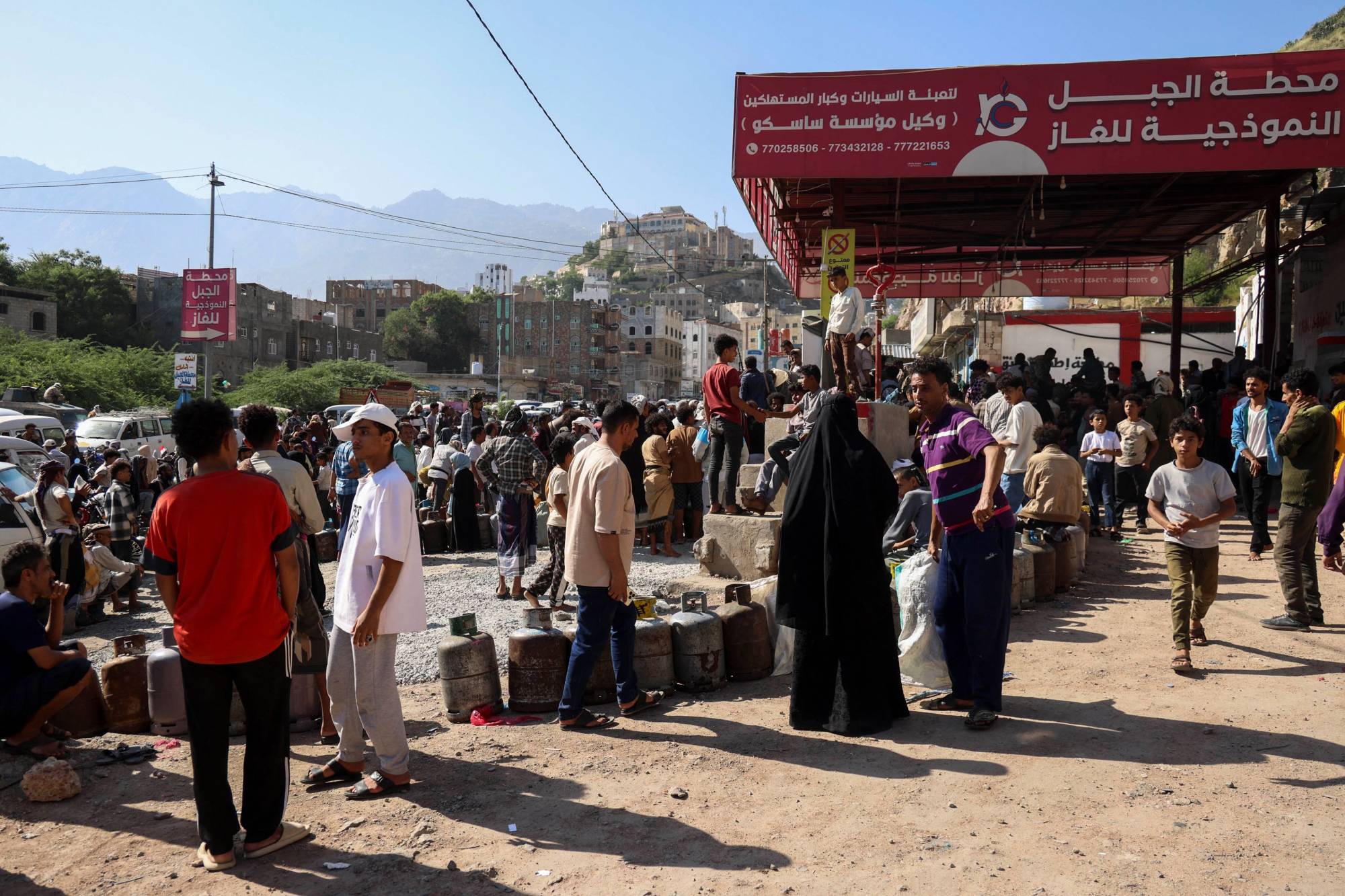
Yemenis line up to refill gas bottles at a refilling station in Taiz on October 19, 2026. (Photo by Ahmad AL-BASHA / AFP)

Civilian Casualties

The UN Human Rights Office documented more than 300 civilian casualties (killed and wounded) since the beginning of August, including over 70 deaths in cases verified by the organization.

According to the office, children account for more than one-third of all victims and nearly half of those killed. It warned that the true toll is likely much higher because the published figures include only cases independently verified by the UN.

These figures underscore the growing humanitarian consequences of the escalation, as fighting and displacement continue while the government seeks to secure critical infrastructure and reduce risks to transportation, shipping, and trade.


Syria FM Says Working Towards New Deal with EU

Foreign Minister Asaad al-Shaibani speaks at the Syria Partnership Coordination Forum in Damascus on Tuesday. (SANA)
TT

Syria FM Says Working Towards New Deal with EU

Foreign Minister Asaad al-Shaibani speaks at the Syria Partnership Coordination Forum in Damascus on Tuesday. (SANA)

Foreign Minister Asaad al-Shaibani said Tuesday that Syria was working towards a new agreement with the European Union as the sides seek to deepen ties nearly two years after the ouster of longtime ruler Bashar al-Assad.

Shaibani's remarks came a day after EU top diplomat Kaja Kallas said the bloc would look to sign a nearly 20-year-old association deal with Syria, as the country seeks recover and rebuild after more than 13 years of civil war.

Shaibani told the Syria Partnership Coordination Forum, held with the EU in Damascus, that "we are currently working with the (European) Union on a joint scope paper for a new agreement" that would "open doors to trade and investment, and make political dialogue and institutional cooperation a firm commitment".

Syria and the EU signed a cooperation agreement including on economy and trade in 1977.

In 2008, they preliminarily inked an association agreement to replace the earlier deal but it never went into force due to human rights concerns.

Kallas on Monday said that EU foreign ministers meeting in Brussels had "supported moving ahead" with the 2008 deal and launching talks for an updated one.

"Syria needs investment and a successful transition," she said, adding: "The aim is to give Europe and Syria a framework for trade, political dialogue, and closer cooperation as soon as possible."

Syria's conflict killed more than half a million people, sent millions fleeing internally and abroad, and ravaged the country's infrastructure and industry.

The EU in 2025 removed its sanctions on Syria's economy in a bid to help its post-war recovery, while in May this year the bloc restored the cooperation agreement with Syria.

On Tuesday, European Commissioner for the Mediterranean, Dubravka Suica, told the event in Damascus that "the EU wants to deepen the political dialogue, strengthen trade and economic cooperation, and support Syria's reintegration" into the European-Mediterranean space.

"Respect for human rights and the protection of minorities is fundamental to our relationship with Syria. All Syrians must have a say in their country's future," she added.

The bloc has emphasized the need for Syria to carry out reforms and for its transition to be inclusive, particularly after sectarian violence last year.


UN: Drones Account for Nearly Three-quarters of Sudan War Deaths this Year

A man sits on his home debris following a strike in Imtidad Nasser, a neighborhood east of Khartoum's airport, Sudan, Tuesday, Oct. 20, 2026. (AP Photo/Marwan Ali)
TT

UN: Drones Account for Nearly Three-quarters of Sudan War Deaths this Year

A man sits on his home debris following a strike in Imtidad Nasser, a neighborhood east of Khartoum's airport, Sudan, Tuesday, Oct. 20, 2026. (AP Photo/Marwan Ali)

The UN human rights office said on Tuesday it had confirmed 2,230 civilian deaths in Sudan's civil war so far this year, with drone strikes accounting for nearly three-quarters of the toll and emerging as the conflict's "defining feature".

United Nations High Commissioner for Human Rights Volker Turk condemned the "brazen disregard for the laws of war" by ⁠the warring parties which ⁠he said may amount to war crimes.

Sudan's army has been fighting the Rapid Support Forces in a civil war since April 2023 and both sides have stepped ⁠up drone strikes in recent months.

"The increased use of ...drones emerged as one of the defining features of the conflict in the Sudan, enabling parties to extend their reach far beyond areas of territorial control and front lines," said the UN report covering the January-June period.

Since then, the UN-verified toll has risen ⁠to ⁠2,230 of whom over 1,630 were killed by drones, according to a UN statement released alongside the report, adding that the true scale of loss was likely higher.

As well as those killed directly by the fighting, drones are increasingly targeting facilities that ensure human survival such as water sources and power supplies, the UN statement said.