



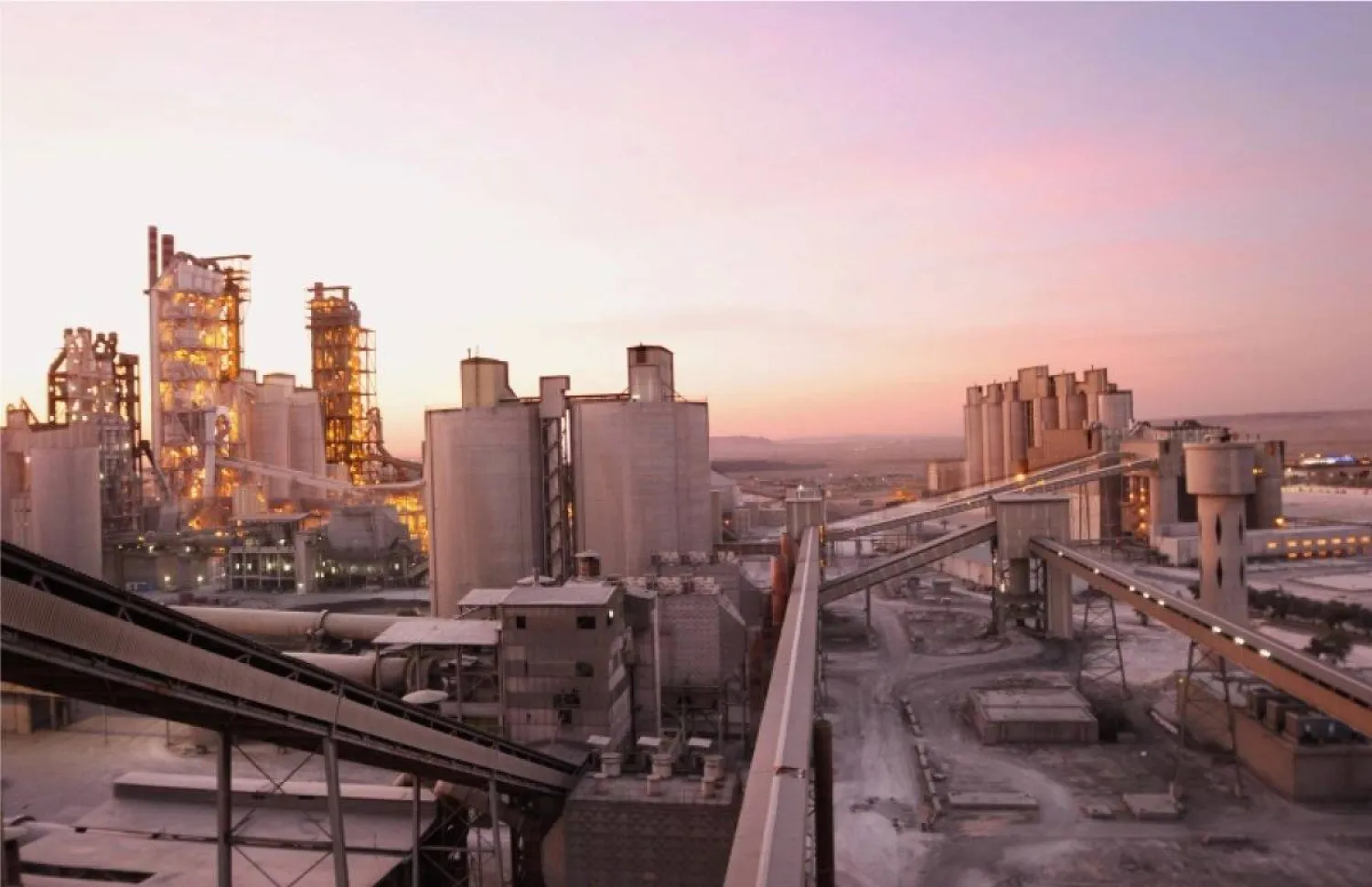

Saudi Arabia’s listed cement companies maintained high profitability in the first half of 2026 despite wide disparities in performance and differing sources of growth. Combined net profit stood at about SAR 1.1 billion ($293.9 million), down a modest 2.4% from a year earlier, while the sector recorded profit growth in the second quarter.
The results show that cement and clinker sales were not the only drivers. Investment income, gains from the revaluation and disposal of some underused assets, and tighter control of expenses and financing costs supported several companies. Those farther from major demand centers faced greater pressure from transportation and logistics costs, financing burdens and excess production capacity.
While major producers, led by Yamama Cement Co., Saudi Cement Company and Eastern Province Cement, continued to lead sector profits, the results raise a more important question for the period ahead: To what extent do these profits reflect a sustainable improvement in operating activity, and how much have they benefited from investment and non-recurring items?
Thirteen companies posted first-half profits. Yamama Cement led with net profit of SAR 265.39 million, up 0.88% from SAR 263.08 million a year earlier. Saudi Cement followed with SAR 202.2 million, down 0.88% from SAR 204 million, while Eastern Province Cement ranked third, with profit rising 12.8% to SAR 141 million from SAR 125 million.
Second-quarter net profit for the sector reached SAR 508.7 million ($135.7 million), up 2.27% from SAR 497.4 million ($132.6 million) a year earlier. Nine companies reported profit growth, seven posted declines, while Al-Jouf Cement Company deepened its net losses.
Mohamed Hamdy Omar, CEO of G.WORLD, told Asharq Al-Awsat that the results presented a mixed picture: While the overall figures demonstrate the resilience of financial buffers and the ability of leading companies to adapt, they also reveal wide operational and structural disparities across the sector.
Omar identified four main factors supporting first-half profits, led by non-operating items. Cement and clinker sales were not the sole drivers of profitability, with gains from the fair-value revaluation of investments and capital gains from the disposal of some underused assets also supporting results.
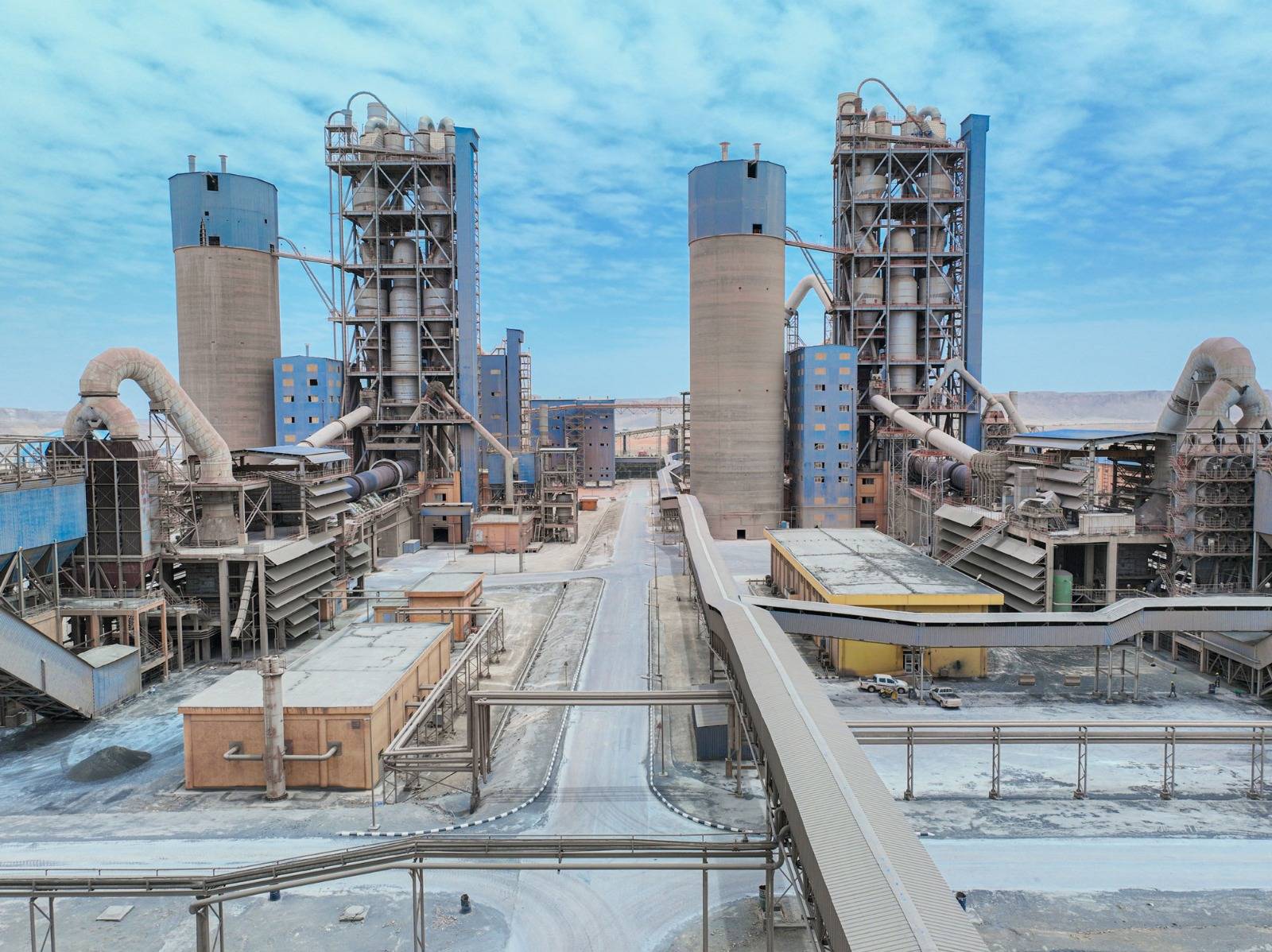
He cited Yamama Cement as a prominent example, saying it benefited from the sale of equipment from the old plant’s production lines, as well as investment income.
Spending efficiency and financing-cost management also supported major companies. Saudi Cement and Eastern Province Cement reduced selling and distribution expenses and controlled financing costs, helping limit pressure on profit margins.
Companies based in Riyadh and the Eastern Region also benefited from proximity to major demand centers and projects, Omar said. The accelerated implementation of infrastructure projects and urban expansion provided operating volumes that helped them better absorb cost fluctuations.
Performance gap
Companies farther from major demand centers faced greater operational and logistical challenges. Omar pointed to an approximately 96.4% decline in Tabuk Cement Company’s profit and deeper losses at Al-Jouf Cement, attributing this to higher transportation and logistics costs and heavier financing and debt-servicing burdens among highly leveraged companies or those with lease-based financing structures.
Omar noted that the gap underscored the importance of geography and company size in determining competitiveness, particularly in a market characterized by excess production capacity and uneven regional demand.
He cautioned that relying on asset sales or investment portfolio revaluations to support profits was temporary and could not guarantee sustainable growth.
The real test would be a recovery in domestic demand and improvement in average selling prices per ton, he added.
Lower interest rates could ease debt-servicing burdens, potentially improving net margins and providing greater liquidity for rehabilitation and expansion.
Omar noted that mergers and acquisitions could become a more pressing strategic option as the performance gap between large and small producers widens, helping companies strengthen pricing power, reduce administrative and general expenses and address excess production capacity.
The ability to sell surplus production in neighboring regional markets will remain crucial in the second half, he stressed, alongside energy costs and feedstock-use efficiency.


