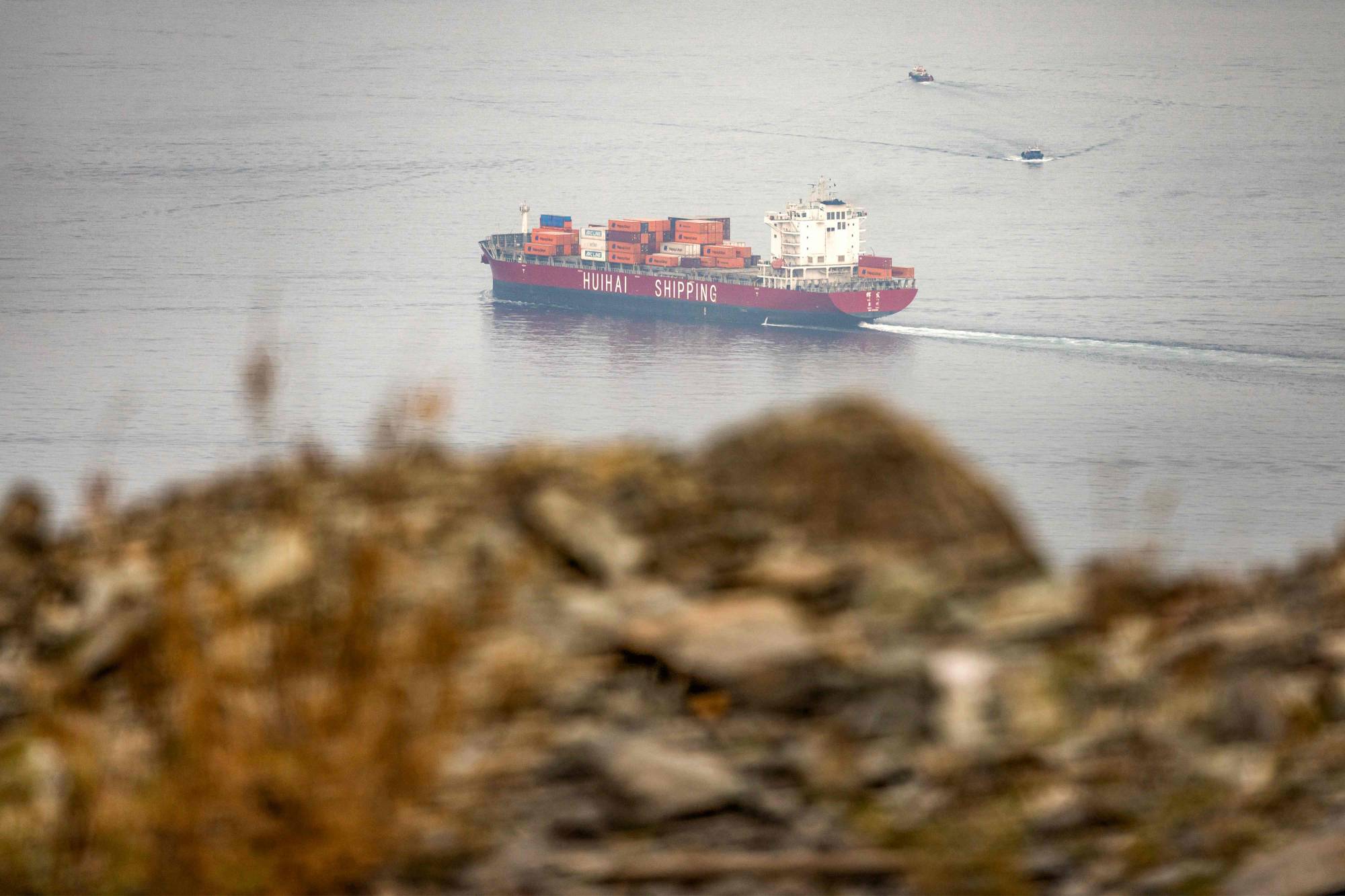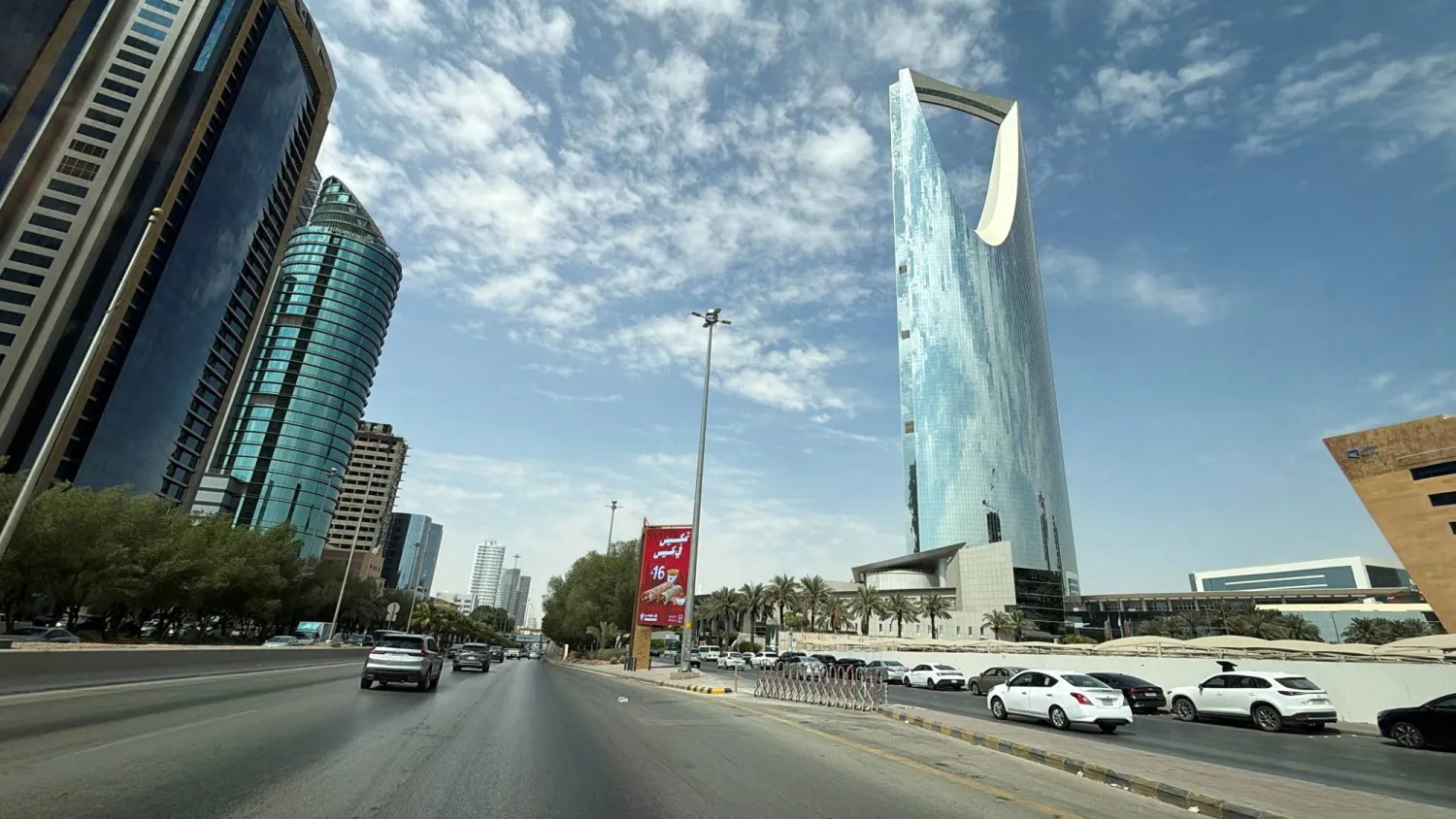

Saudi Finance Minister Mohammed Al-Jadaan said the Kingdom’s investments in alternative routes have helped ensure the continuity of energy supplies and trade flows amid uncertainty.
He stressed that strengthening economic resilience requires diversifying sources of economic strength, protecting the foundations of growth, and maintaining the capacity to deal with recurring and prolonged disruptions.
Speaking at the third meeting of G20 Finance Ministers and Central Bank Governors under the US presidency, held Thursday in Bangkok, Al-Jadaan said the global economy had demonstrated an ability to adapt to repeated disruptions. He explained that resilience is fundamental to this adaptability, but strengthening it requires an understanding of its cost, how it can be developed, and how it should be financed.
He said the success of economic policies in confronting shocks is not limited to mitigating the impact of current challenges. It also depends on preserving the ability to support future ambitions and sustain the long-term path of economic transformation, while maintaining sufficient buffers to deal with any new developments that may arise.
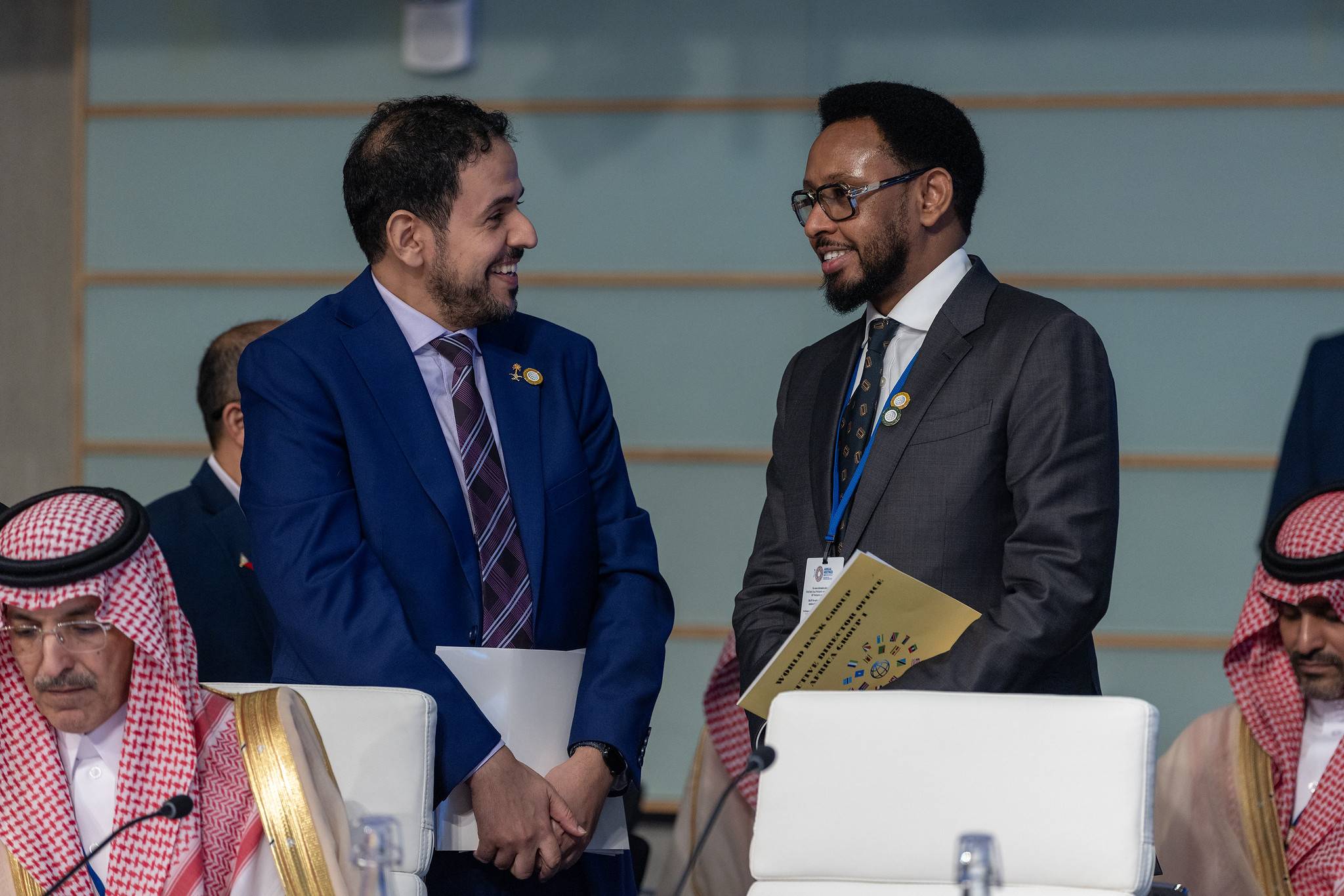
The Finance Minister stressed that fiscal policies must protect the foundations of growth, highlighting the importance of effective international cooperation in achieving economic stability.
He said access to reliable and affordable energy, along with the uninterrupted flow of essential goods, helps contain price pressures and ease the burden on national budgets, thereby strengthening countries’ ability to navigate uncertainty.
In this context, Al-Jadaan said the Kingdom, through its investments in alternative routes, has helped ensure the continuity of energy supplies and trade flows amid disruptions. This underscores the importance of infrastructure and transportation and supply routes in strengthening economies’ ability to withstand shocks and limiting their impact on markets and the flow of essential goods.
Managing Shocks and Strengthening Resilience
Discussing ways to enhance economic resilience, Al-Jadaan said dealing with prolonged shocks depends not only on the size of the buffers available to countries, but also on how these buffers are managed over time, while preserving sufficient capacity to respond to future developments.
He noted that strengthening economic resilience requires reducing exposure to risks through economic diversification, reinforcing energy and food security, and developing more resilient supply chains and infrastructure. These priorities have become increasingly important amid recurring disruptions affecting trade flows, the availability of essential goods, and the cost of obtaining them.
Al-Jadaan also addressed artificial intelligence, noting that it has evolved beyond a purely technological issue to become part of a broader agenda aimed at achieving sustainable growth and strengthening economic resilience. This reflects the expanding scope of policies required to build economies capable of adapting to change while preserving opportunities for long-term growth and transformation.
The Role of International Financial Institutions
The Finance Minister emphasized the important role played by multilateral financial institutions in helping economies that are most vulnerable to risk cope with financing pressures through financial and technical support programs and policy advice, thereby strengthening their ability to withstand shocks and maintain economic stability.
Al-Jadaan concluded his participation in the third meeting of G20 Finance Ministers and Central Bank Governors, held on the sidelines of the 2026 Annual Meetings of the International Monetary Fund and the World Bank Group in Thailand.
He met with a number of officials, heads of international financial institutions, and representatives of credit rating agencies. The meetings addressed developments in the global economy and policies aimed at supporting its stability, while also reviewing developments and reforms in the Saudi economy as part of the Kingdom’s efforts to strengthen its presence in international economic and financial dialogue.