



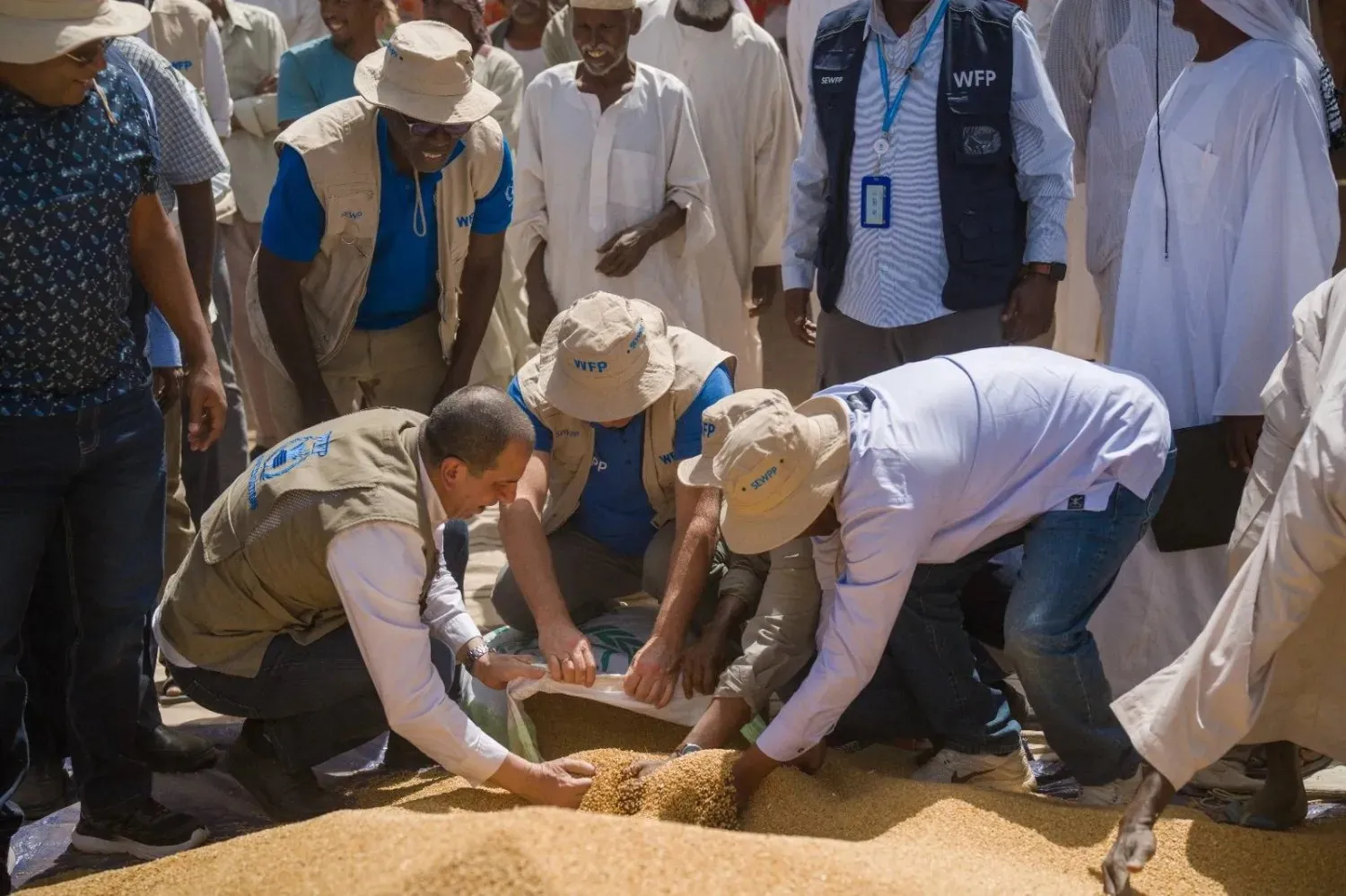

The World Food Programme (WFP) has warned of the deteriorating humanitarian situation in Sudan, saying while there is a severe shortage of food, the situation cannot yet be described as a famine.
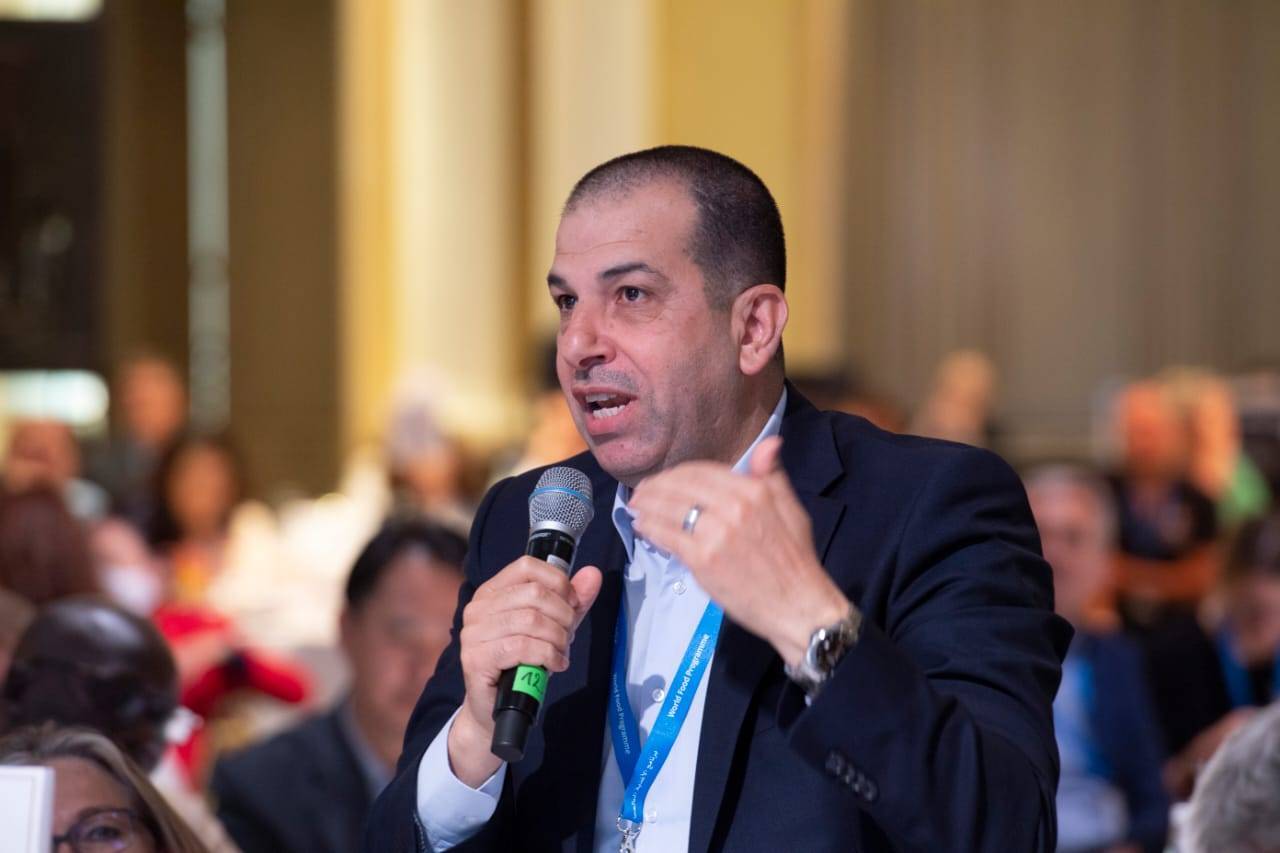
"We cannot say there is a famine to the extent that people are dying of hunger in the streets. We are talking about a critical food security situation in conflict-affected areas of Darfur, Kordofan, and other parts of Sudan,” Abdallah Alwardat, the WFP's country director in Sudan, told Asharq Al-Awsat.
He warned that humanitarian conditions could become even more difficult because of declining international funding.
In October, the Sudanese government strongly rejected international claims that famine exists in the country, asserting that the food situation remains "reassuring."
The government's stance came in response to a joint statement issued by 32 countries and international partners, including the United States, Britain, and several European nations, warning of a troubling deterioration in food security and the possibility of famine in the coming months unless urgent measures are taken to facilitate aid delivery.
Poor Rainfall
Alwardat also pointed to food shortages in agricultural areas that rely heavily on seasonal rainfall. Insufficient rain in recent months has adversely affected the farming season and reduced crop yields.
He said the WFP requires $520 million over the next six months to continue providing emergency humanitarian assistance to more than four million people in Sudan. Current funding is sufficient only through February. Without additional resources, the agency may be forced by March to reduce assistance for nearly 1.5 million people across the country.
Alwardat said senior WFP officials are maintaining regular contact with donors. He noted that the organization had previously been compelled to cut emergency aid for around 900,000 people because of funding shortages.
According to Alwardat, the WFP's priority is to assist more than five million people classified as facing acute food insecurity.
He added: "Because of limited financial resources, we cannot provide assistance to everyone in need in Sudan. We are focusing on those in the most urgent need."
Darfur Region
Regarding Darfur in western Sudan, Alwardat said the WFP has distributed humanitarian aid to approximately 2.3 million displaced people living in camps, particularly in the Tawila camp, which accounts for about half of the assistance provided. The agency is also providing monthly support to about 32,000 residents inside El Fasher, the region's largest city.
He added that the WFP had delivered emergency aid to more than 87,000 people in Damazin, the capital of Blue Nile State in southeastern Sudan, where displacement has increased because of fighting in various parts of the region.
Alwardat said security conditions in some areas continue to hinder humanitarian access and endanger aid workers. He revealed that WFP convoys have been subjected to 17 attacks this year.
The war in Sudan, which erupted in April 2023 between the Sudanese army and the Rapid Support Forces (RSF), has killed more than 200,000 people, according to estimates by aid workers, and displaced more than 12 million people, creating what the United Nations describes as the world's worst humanitarian crisis.


