


Google Has an Illegal Monopoly on Search, US Judge Finds

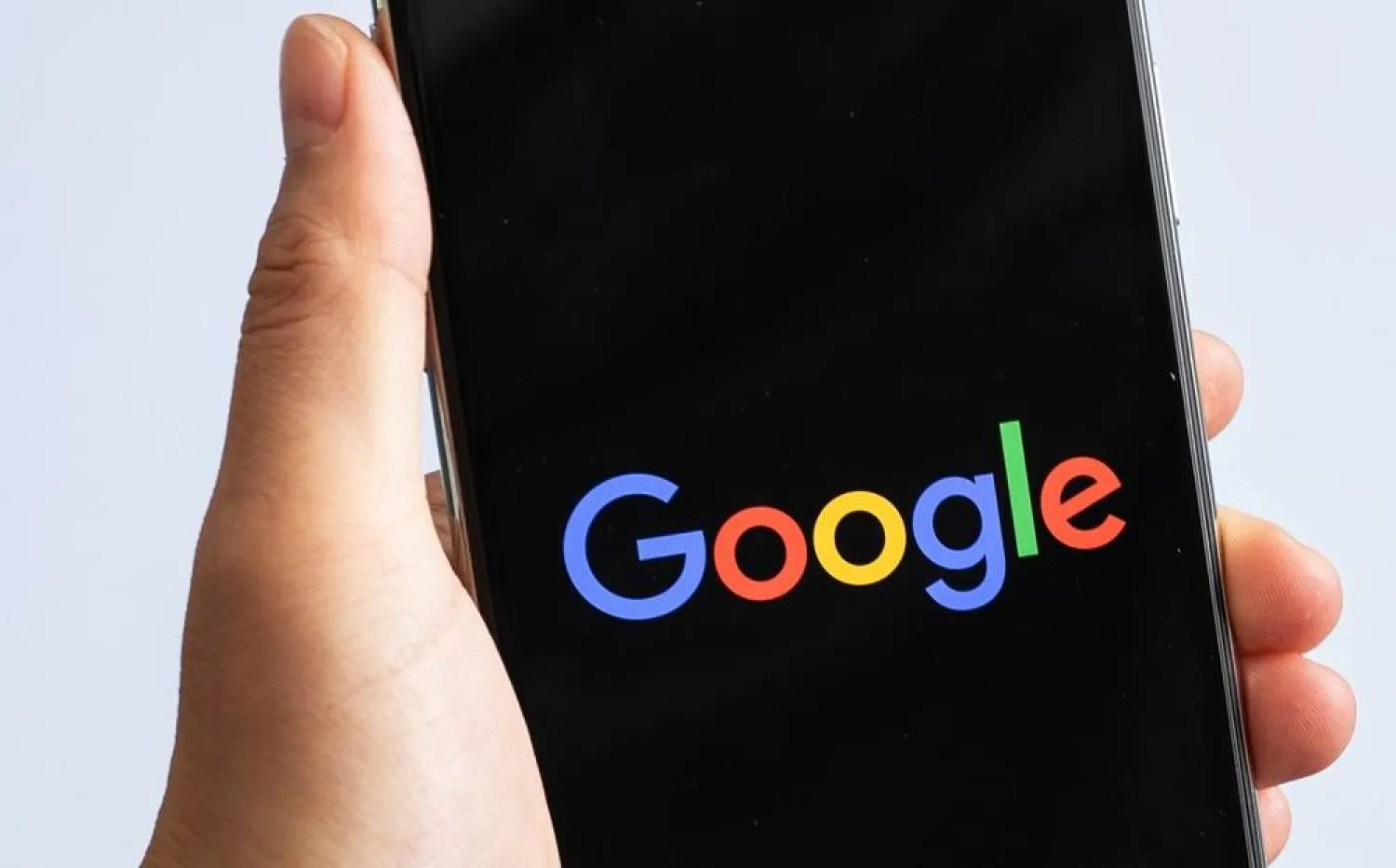
A close-up shows the Google logo on a smartphone in Berlin, Germany, 07 July 2020 (reissued 05 August 2024). (EPA)
TT

Google Has an Illegal Monopoly on Search, US Judge Finds

A close-up shows the Google logo on a smartphone in Berlin, Germany, 07 July 2020 (reissued 05 August 2024). (EPA)

A US judge ruled on Monday that Google violated antitrust law, spending billions of dollars to create an illegal monopoly and become the world's default search engine, the first big win for federal authorities taking on Big Tech's market dominance.

The ruling paves the way for a second trial to determine potential fixes, possibly including a breakup of Google parent Alphabet, which would change the landscape of the online advertising world that Google has dominated for years.

It is also a green light to aggressive US antitrust enforcers prosecuting Big Tech, a sector that has been under fire from across the political spectrum.

"The court reaches the following conclusion: Google is a monopolist, and it has acted as one to maintain its monopoly," US District Judge Amit Mehta, Washington, DC, wrote. Google controls about 90% of the online search market and 95% on smartphones.

The "remedy" phase could be lengthy, followed by potential appeals to the US Court of Appeals, District of Columbia Circuit and the US Supreme Court. The legal wrangling could play out into next year, or even 2026.

Shares of Alphabet fell 4.5% on Monday amid a broad decline in tech shares as the wider stock market cratered on recession fears. Google advertising was 77% of Alphabet's total sales in 2023.

Alphabet said it plans to appeal Mehta's ruling. "This decision recognizes that Google offers the best search engine, but concludes that we shouldn’t be allowed to make it easily available," Google said in a statement.

US Attorney General Merrick Garland called the ruling "a historic win for the American people," adding that "no company - no matter how large or influential - is above the law."

White House press secretary Karine Jean-Pierre said the "pro-competition ruling is a victory for the American people," adding that "Americans deserve an internet that is free, fair, and open for competition."

BILLIONS PAID

Mehta noted that Google had paid $26.3 billion in 2021 alone to ensure that its search engine is the default on smartphones and browsers, and to keep its dominant market share.

"The default is extremely valuable real estate," Mehta wrote. "Even if a new entrant were positioned from a quality standpoint to bid for the default when an agreement expires, such a firm could compete only if it were prepared to pay partners upwards of billions of dollars in revenue share and make them whole for any revenue shortfalls resulting from the change."

He added, "Google, of course, recognizes that losing defaults would dramatically impact its bottom line. For instance, Google has projected that losing the Safari default would result in a significant drop in queries and billions of dollars in lost revenues."

The ruling is the first major decision in a series of cases taking on alleged monopolies in Big Tech. This case, filed by the Trump administration, went before a judge from September to November of last year.

"A forced divestiture of the search business would sever Alphabet from its largest source of revenue. But even losing its capacity to strike exclusive default agreements could be detrimental for Google," said Emarketer senior analyst Evelyn Mitchell-Wolf, who said a drawn-out legal process would delay any immediate effects for consumers.

In the past four years, federal antitrust regulators have also sued Meta Platforms, Amazon.com and Apple, claiming the companies have illegally maintained monopolies. Those cases all began under the administration of former President Donald Trump.

Senator Amy Klobuchar, a Democrat who chairs the Senate Judiciary Committee's antitrust subcommittee, said the fact that the case spanned administrations shows strong bipartisan support for antitrust enforcement.

"It's a huge victory for the American people that antitrust enforcement is alive and well when it comes to competition," she said. "Google is a rampant monopolist."

When it was filed in 2020, the Google search case was the first time in a generation that the US government accused a major corporation of an illegal monopoly. Microsoft settled with the Justice Department in 2004 over claims that it forced its Internet Explorer Web browser on Windows users.



Trump Media to Merge with Nuclear Fusion Company that Wants to Power AI

FILE - The download screen for Truth Social app is seen on a laptop computer, March 20, 2024, in New York.  (AP Photo/John Minchillo, File)
FILE - The download screen for Truth Social app is seen on a laptop computer, March 20, 2024, in New York. (AP Photo/John Minchillo, File)
TT

Trump Media to Merge with Nuclear Fusion Company that Wants to Power AI

FILE - The download screen for Truth Social app is seen on a laptop computer, March 20, 2024, in New York.  (AP Photo/John Minchillo, File)
FILE - The download screen for Truth Social app is seen on a laptop computer, March 20, 2024, in New York. (AP Photo/John Minchillo, File)

Trump Media & Technology will merge with a fusion power company in an all-stock deal that the companies said Thursday is valued at more than $6 billion.

Devin Nunes, the Republican congressman who resigned in 2021 to become the CEO of Trump Media, will be co-CEO of the new company with TAE Technologies CEO Michl Binderbauer.

The combined company says it plans to find a site and begin construction next year on the “world’s first utility-scale fusion power plant,” with aims to provide the electricity needed for artificial intelligence.

Shares of Trump Media & Technology, the parent company of President Donald Trump's Truth Social media platform, have tumbled 70% this year but jumped 20% before the opening bell Thursday.

Backed by Google and other investors, TAE is a private company and the merger with Trump Media would create one of the first publicly traded nuclear fusion companies.

“We’re taking a big step forward toward a revolutionary technology that will cement America’s global energy dominance for generations," The Associated Press quoted Nunes as saying in a prepared statement.

TAE focuses on nuclear fusion, a technology that combines two light atomic nuclei to form a single heavier one. It releases enormous amount of energy, a process that occurs on the sun and other stars, according to the United Nations' International Atomic Energy Agency. It's been seen as a promising solution to climate change caused by burning fossil fuels, but one that is a long way off compared to today's clean technologies like wind and solar.

TAE and Trump Media shareholders will each own approximately 50% of the combined company.

Trump is by far the largest stakeholder in Trump Media, owning 41% of all outstanding shares.

In October, the US Department of Energy released what it called a “roadmap” for fusion technology, with the aim of fostering “a burgeoning fusion private sector industry in the US toward maturity on the most rapid timeline.”

A number of tech companies, including Google, Microsoft and OpenAI CEO Sam Altman, have shown interest in fusion technology as a way of powering the energy-hungry data centers needed to build and run their AI products.

TAE and Trump Media say the transaction values each TAE common stock at $53.89 per share.

At closing, Trump Media & Technology Group will be the holding company for Truth Social and TAE, along with its subsidiaries TAE Power Solutions and TAE Life Sciences.


Brazil to Get Satellite Internet from Chinese Rival to Starlink in 2026

Brazil's new Chief of Staff of the Presidency Rui Costa attends a ministerial meeting at the Planalto Palace in Brasilia, Brazil January 6, 2023. REUTERS/Adriano Machado
TT

Brazil to Get Satellite Internet from Chinese Rival to Starlink in 2026

Brazil's new Chief of Staff of the Presidency Rui Costa attends a ministerial meeting at the Planalto Palace in Brasilia, Brazil January 6, 2023. REUTERS/Adriano Machado

Chinese low Earth orbit satellite company SpaceSail will start providing internet access to remote areas in Brazil in the first half of 2026, President Luiz Inacio Lula da Silva's chief of staff, Rui Costa, said on Wednesday, Reuters reported.

SpaceSail and Brazil's state-owned telecom Telebras had signed a memorandum of understanding in late 2024 to offer satellite internet services for schools, hospitals and other essential services in the South American country.

SpaceSail competes directly with Elon Musk's Starlink in the satellite internet market.


Google Launches First Ever Co-branded Credit Card in India

FILE PHOTO: A Google logo is seen at a company research facility in Mountain View, California, US, May 13, 2025. REUTERS/Carlos Barria/File Photo
TT

Google Launches First Ever Co-branded Credit Card in India

FILE PHOTO: A Google logo is seen at a company research facility in Mountain View, California, US, May 13, 2025. REUTERS/Carlos Barria/File Photo

Alphabet Inc's Google Pay launched its first co-branded digital credit card in India on Wednesday in partnership with Axis Bank, intensifying efforts to monetize its massive user base in the country's crowded fintech sector.

WHY IT'S IMPORTANT

While Google Pay is a dominant player in India's popular domestic payments network, the Unified Payments Interface (UPI), its core service generates zero revenue from user-to-user payments due to government mandates. It, however, earns commissions for in-app services like bill payments and mobile recharges, Reuters reported.

The credit card launch opens a new avenue for Google to monetize its user base, mirroring strategies by domestic rivals Paytm and PhonePe to cross-sell lending products to payment users.

BY THE NUMBERS

India has just 50 million credit card holders, according to Google Pay, whereas its population exceeds 1.4 billion.

Google Pay meanwhile is the second top app in India by number of UPI transactions, having processed nearly 7.2 billion transactions in October alone.

HOW IT WORKS

Axis Bank manages the credit risk and issuance, while the digital-only card will be linked to the Google Pay app to make online and offline payments on the go.