China Smartphone Shipments Fall for Fifth Straight Quarter as Costs Rise

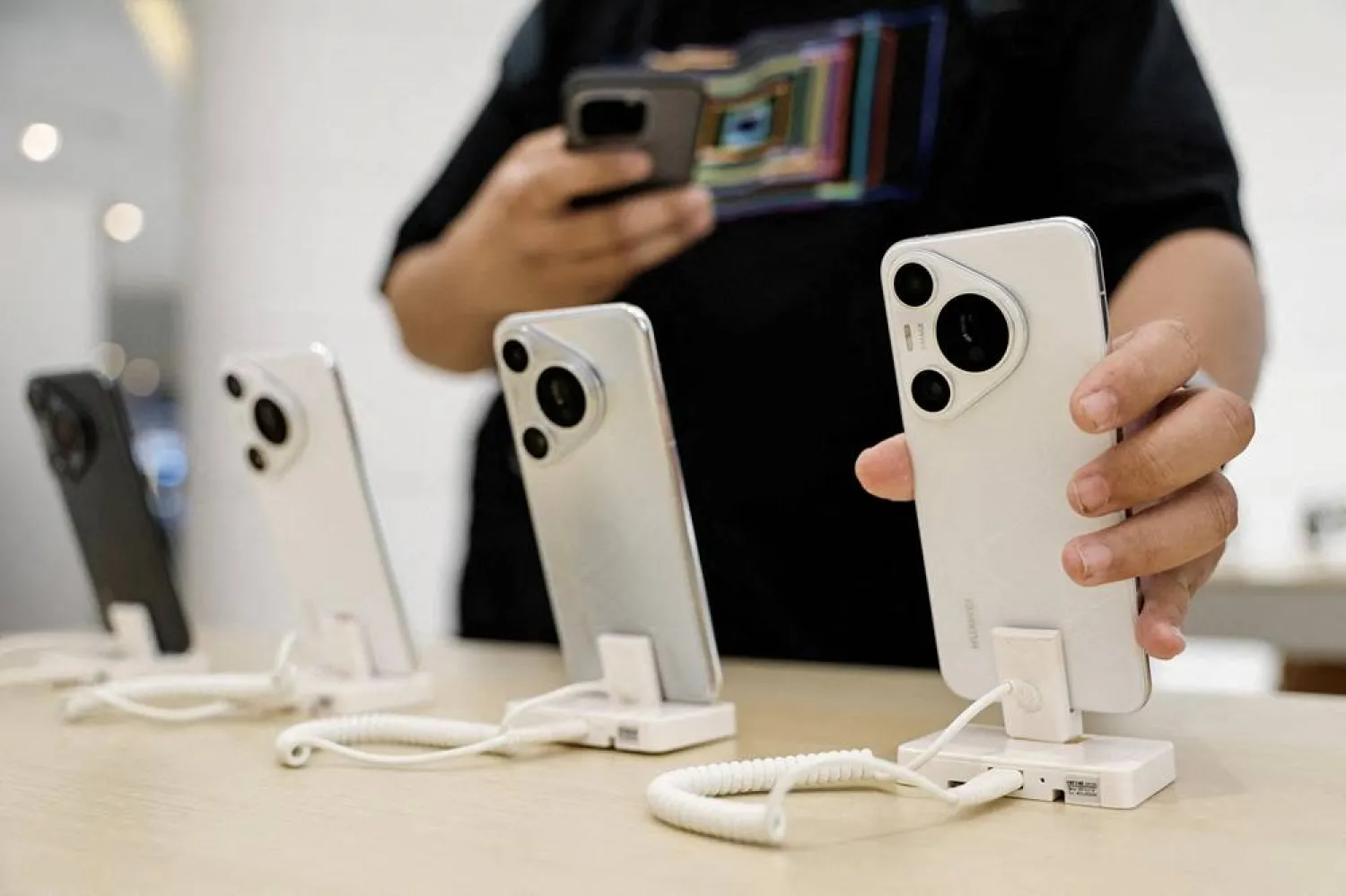
A customer looks at a new Huawei Pura 70 series smartphone, as the series models go on sale at a Huawei's flagship store in Beijing, China April 18, 2024. (Reuters)
TT

China Smartphone Shipments Fall for Fifth Straight Quarter as Costs Rise

A customer looks at a new Huawei Pura 70 series smartphone, as the series models go on sale at a Huawei's flagship store in Beijing, China April 18, 2024. (Reuters)

China's smartphone shipments fell 4.3% to 66 million units in the second quarter from a year earlier, as many manufacturers hiked prices to ‌reflect rising memory ‌and component costs, research firm ‌IDC ⁠said on Tuesday.

It ⁠was the fifth straight quarterly decline, and first-half shipments were down 4.2% from a year earlier.

Huawei Technologies and Apple were the only vendors to post growth in the quarter, with shipments up 19.4% and 24.4%, ⁠respectively.

"Huawei and Apple held their ‌prices steady while ‌competitors were raising theirs, and that gave hesitant buyers ‌a reason to go ahead and purchase ‌in a quarter when most of the market was giving them a reason to wait," said Arthur Guo, a senior analyst at IDC China.

Huawei ‌ranked first with a 22.6% market share, while Apple came second with ⁠an ⁠18.1% share. Xiaomi , which ranked fifth, saw its second-quarter shipments down 21.7%, with Oppo and Vivo seeing shipments fall 9.7% and 11.4%, respectively.

Most Android vendors raised prices or cut back on budget models in response to surging memory chips and other component costs, discouraging consumers from upgrading. The fading effect of government subsidies also removed a prop that had supported demand in earlier quarters, IDC said.


Meta Expands Louisiana Data Center to 5 Gigawatts Compute Capacity

FILE PHOTO: The logo of Meta at the Meta Lab in Los Angeles, California, US, May 20, 2026. REUTERS/Daniel Cole/File Photo
TT

Meta Expands Louisiana Data Center to 5 Gigawatts Compute Capacity

FILE PHOTO: The logo of Meta at the Meta Lab in Los Angeles, California, US, May 20, 2026. REUTERS/Daniel Cole/File Photo

Meta said ‌on Monday its data center in Richland Parish, Louisiana will expand to 5 gigawatts of compute capacity, in a bid to support the social media company's AI ambitions.

Since breaking ground in December 2024, local Louisiana businesses have received more than $1.6 billion ‌in contracts from Meta, ‌the company said.

Here ‌are ⁠some details:

* Meta ⁠said that the data center expansion is an investment of more than $50 billion in the Richland Parish region.

* Last year, US President Donald Trump ⁠had said the company's data ‌center project ‌would cost $50 billion.

* With this ‌expansion, the company said it ‌plans to invest over $1 billion in local infrastructure improvements, including roads, water and wastewater systems.

* Meta, like its ‌Big Tech peers, has been pouring billions of dollars into ⁠AI ⁠data centers and computing power, as demand continues to outstrip supply.

* The company has pledged to invest $600 billion in US infrastructure and jobs over the next three years, as it builds out massive data centers to power CEO Mark Zuckerberg's aggressive bets on AI agent technologies.


Mulling AI Investment, Anthropic Lobbied Australia on Copyright Law

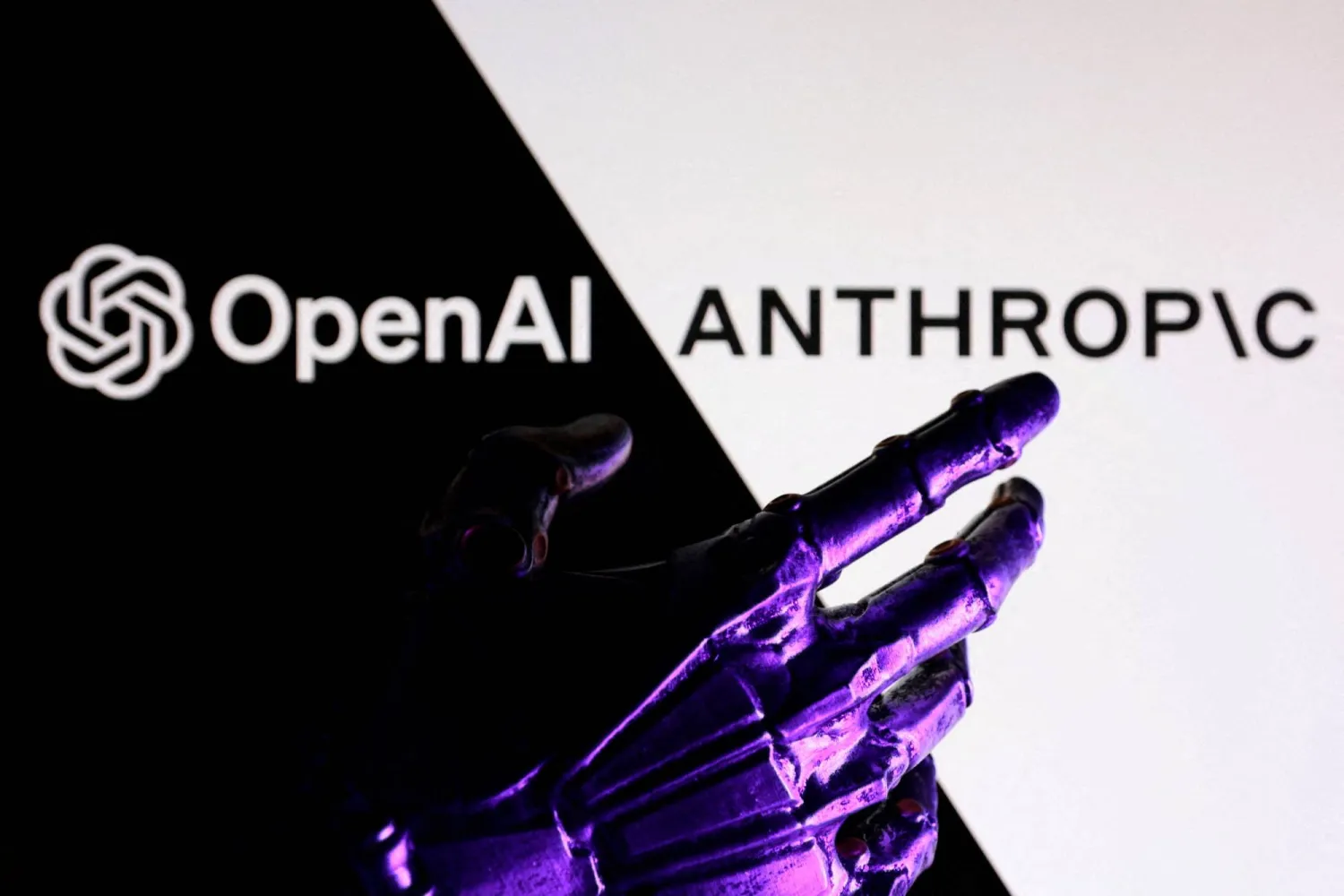
FILE PHOTO: Anthropic logo, a keyboard, and a robotic hand in this illustration taken June 5, 2026. REUTERS/Dado Ruvic/Illustration//File Photo
TT

Mulling AI Investment, Anthropic Lobbied Australia on Copyright Law

FILE PHOTO: Anthropic logo, a keyboard, and a robotic hand in this illustration taken June 5, 2026. REUTERS/Dado Ruvic/Illustration//File Photo

Anthropic's chief executive Dario Amodei has lobbied Australian officials for "copyright reform" as the artificial intelligence giant seeks to make a major investment in the country, official briefing notes released Monday show.

Amodei met Australia's Treasurer Jim Chalmers in April to discuss plans to enter the Australian market, including building data centers, AFP reported.

According to briefing notes released under freedom of information law, Amodei had requested the meeting to discuss barriers to AI training in Australia, "particularly copyright reform".

Australia's center-left Labor government is under pressure from musicians, screenwriters and artists to reject proposals they say seek to let AI models use copyrighted works for free.

Prime Minister Anthony Albanese is set to deliver a speech on AI and "social license" on Wednesday.

A briefing note government officials had sent to Chalmers ahead of his meeting with Amodei said: "Anthropic will raise that investment in AI model development capability and associated infrastructure, like data centers, is contingent on clarity of copyright settings."

In the United States, Anthropic has argued AI training is covered as "fair use" of material, which does not require rightsholders' consent.

The Australian officials disputed this in the briefing note, saying the matter was "not settled".

In Australia, AI companies require permission from copyright holders through a voluntary license.

Anthropic was told Australia would not introduce a text and data mining exception in its copyright law, and was in talks with a range of stakeholders over the issue.

Anthropic "purport there is a 'long tail' of smaller rights holders which impedes efforts to identify and purchase licensing rights", the officials wrote.

Anthropic did not immediately respond to a request for comment on the Australian meeting.


Lee: South Korea's AI Tax Windfall a 'Golden Window' for Investment

South Korean President Lee Jae Myung (C) speaks during the National Fiscal Strategy Meeting at the presidential office Cheong Wa Dae in Seoul, South Korea, 13 July 2026.  EPA/YONHAP SOUTH KOREA OUT
South Korean President Lee Jae Myung (C) speaks during the National Fiscal Strategy Meeting at the presidential office Cheong Wa Dae in Seoul, South Korea, 13 July 2026. EPA/YONHAP SOUTH KOREA OUT
TT

Lee: South Korea's AI Tax Windfall a 'Golden Window' for Investment

South Korean President Lee Jae Myung (C) speaks during the National Fiscal Strategy Meeting at the presidential office Cheong Wa Dae in Seoul, South Korea, 13 July 2026.  EPA/YONHAP SOUTH KOREA OUT
South Korean President Lee Jae Myung (C) speaks during the National Fiscal Strategy Meeting at the presidential office Cheong Wa Dae in Seoul, South Korea, 13 July 2026. EPA/YONHAP SOUTH KOREA OUT

South Korea will use a tax revenue windfall from artificial intelligence chipmakers as a strategic source of investment, President Lee Jae Myung said Monday, describing a "golden window" of opportunity.

Global demand for advanced memory chips used in AI data centers has helped South Korea's semiconductor giants post record profits this year, boosting economic growth.

The boom has also strengthened workers' demands for higher pay, with Samsung Electronics avoiding a major strike in May after reaching an agreement on bonuses.

"Driven by an unprecedented semiconductor boom fueled by the AI revolution, we expect to see additional tax revenues on a scale never experienced before," Lee said at a policy meeting with cabinet members.

According to AFP, his comments reflect plans previously outlined by his office to use the excess tax revenues, from chipmakers Samsung Electronics and SK hynix in particular, to fund public infrastructure projects.

"These revenues are a valuable national resource that should be invested during the golden window when the global race for AI leadership is being decided," Lee said.

The tax windfall will be used to establish a "future response fund" to concentrate investment in "future industries, youth, regional development, and education", he added, without giving further details.

Through such mechanisms, the government wants to ensure the benefits of the fast-evolving AI industry are shared by all, he said.

Budget Minister Park Hong-keun told the meeting that South Korea was expected to reap tax revenue of at least 500 trillion won (US$330 billion) next year, above an earlier estimate of 412 trillion won.

Against that backdrop, his ministry "will draw up next year's budget at a record-high scale of 800 trillion won", he said, an increase of more than 10 percent from this year's budget.