




People with high blood pressure should exercise caution when using over-the-counter painkillers. No medication is entirely risk-free.
Anti-inflammatory painkillers such as ibuprofen can raise blood pressure, increasing the risk of heart attack or stroke.
Patients with hypertension are advised to avoid them. Paracetamol is considered an alternative, but it may also raise blood pressure. It is important to understand this, as continued use could increase the risk of heart attack or stroke.
Blood pressure, heart attacks and painkillers
In 2004, Merck & Co. withdrew rofecoxib (Vioxx) from the market after it was found to increase the risk of heart attacks and strokes. This prompted a broader review of similar drugs known as nonsteroidal anti-inflammatory drugs (NSAIDs).
These widely used medications relieve pain, reduce inflammation and lower fever. They include over-the-counter drugs such as aspirin, ibuprofen (Advil, Motrin) and naproxen (Aleve), as well as prescription drugs such as celecoxib (Celebrex), according to Harvard Medical School.
It soon became suspected that all NSAIDs, except aspirin, increase the risk of heart attack. This led the US Food and Drug Administration to require warning labels about this side effect on all NSAIDs. Earlier this year, the agency reviewed whether to ease the warning on naproxen after analysis suggested a lower heart risk compared with other NSAIDs. However, an advisory panel voted against changing the label, so the warning remains in place for all NSAIDs.
Tips for using painkillers
- Use the safest option
Unless advised by a doctor, avoid over-the-counter painkillers such as ibuprofen, naproxen sodium or ketoprofen. Instead, use options less likely to raise blood pressure, such as aspirin or paracetamol.
- Follow directions
Use medication as instructed and follow recommended dosages. Most painkillers should not be used for more than 10 days. If pain persists, consult a doctor, according to WebMD.
- Monitor blood pressure regularly
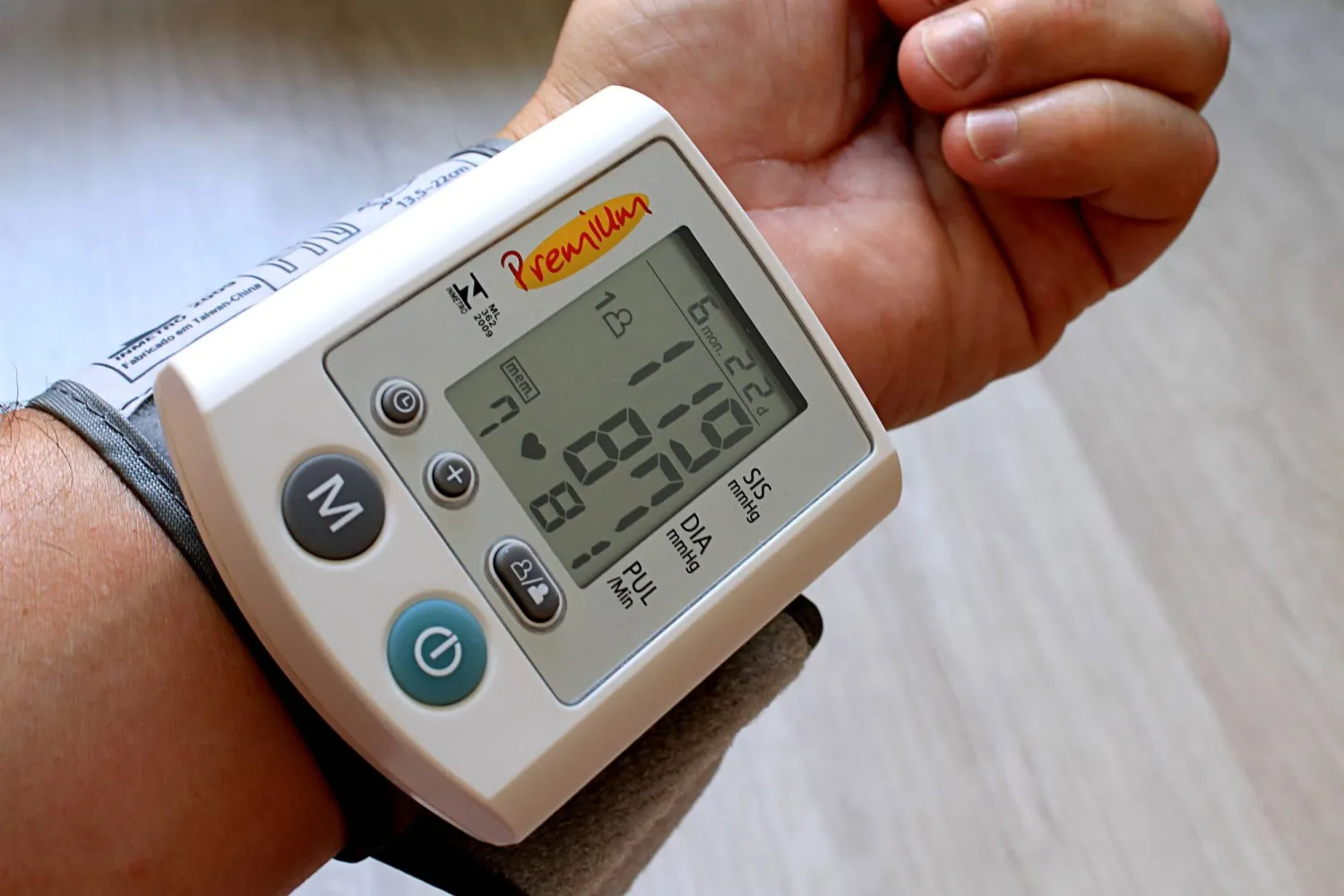
This is important for anyone with hypertension, especially when using medications that may raise blood pressure.
- Be aware of drug interactions
Many medications used to treat common conditions can interact with over-the-counter painkillers. NSAIDs, for example, may interfere with commonly used blood pressure medications.
Dr Nieca Goldberg, a cardiologist and spokesperson for the American Heart Association, said taking aspirin with prescribed blood thinners such as Eliquis, Coumadin, Plavix and Xarelto may be risky. Patients taking prescription medications for blood pressure or other conditions should consult a doctor about which over-the-counter drugs to avoid.
- Read the medication leaflet
Review side effects and potential drug interactions listed with the medication.
- Check all ingredients
Painkillers such as aspirin, paracetamol and ibuprofen may be present in unexpected products, including cold or heartburn medications.
- Inform your doctor of all medications and supplements
Drug interactions are a real risk. Healthcare providers need to know all medications being taken, including over-the-counter drugs, herbal remedies and vitamins.
Goldberg added that patients should bring a list of all medications and supplements they take to their doctor, as this could be life-saving.


