



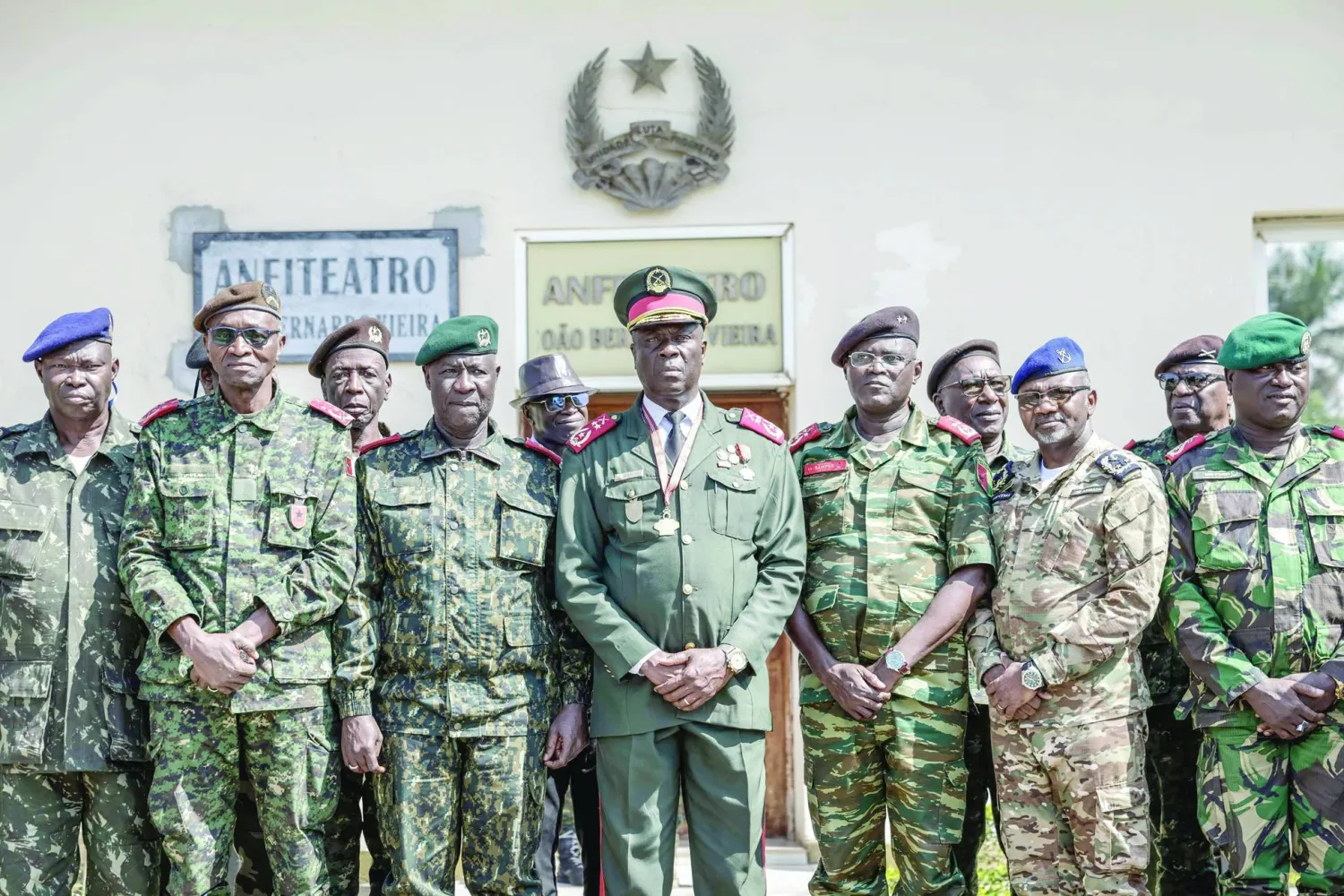

Life limped back to normal on Friday in the capital of volatile Guinea-Bissau after the west African nation's fifth coup that came on the heels of presidential and parliamentary polls.
The military appointed General Horta N'Tam, the army's chief of staff, as the country's new leader for a transition period of one year after Wednesday's putsch.
The takeover came just one day before authorities were due to announce the provisional results of the November 23 polls.
There were vehicles and taxis along the main road from the port of the seaside capital Bissau to the presidential palace, AFP journalists said. There were some pedestrians as well.
Security was eased in parts of the capital, but was in place at key locations.
Surrounding areas of Bissau were more deserted, and there were few people in reopened markets, AFP journalists said.
Sandwiched between Senegal and Guinea, Guinea-Bissau had already undergone four coups and a host of attempted takeovers since its independence from Portugal in 1974.
Crippling poverty and chaotic administration have made the country a fertile ground for Latin American drug lords smuggling cocaine to Europe.
Land, air and sea borders -- which were all sealed off on Wednesday -- were reportedly reopened, however.
A nationwide curfew was lifted and the new authorities ordered the immediate reopening of markets, schools and private institutions.
Guinea-Bissau's President Umaro Sissoco Embalo left the country for Senegal after the coup.
Opposition candidate Fernando Dias da Costa told AFP he believed he won Sunday's election and alleged Embalo -- who has also claimed victory -- had "organized" the power grab to prevent him from taking office.
Guinea-Bissau's last presidential election in November 2019 was followed by a political crisis, with two rivals claiming to be head of state.
That only ended in April 2020 when the west African regional bloc, ECOWAS, recognized Embalo as the winner.
