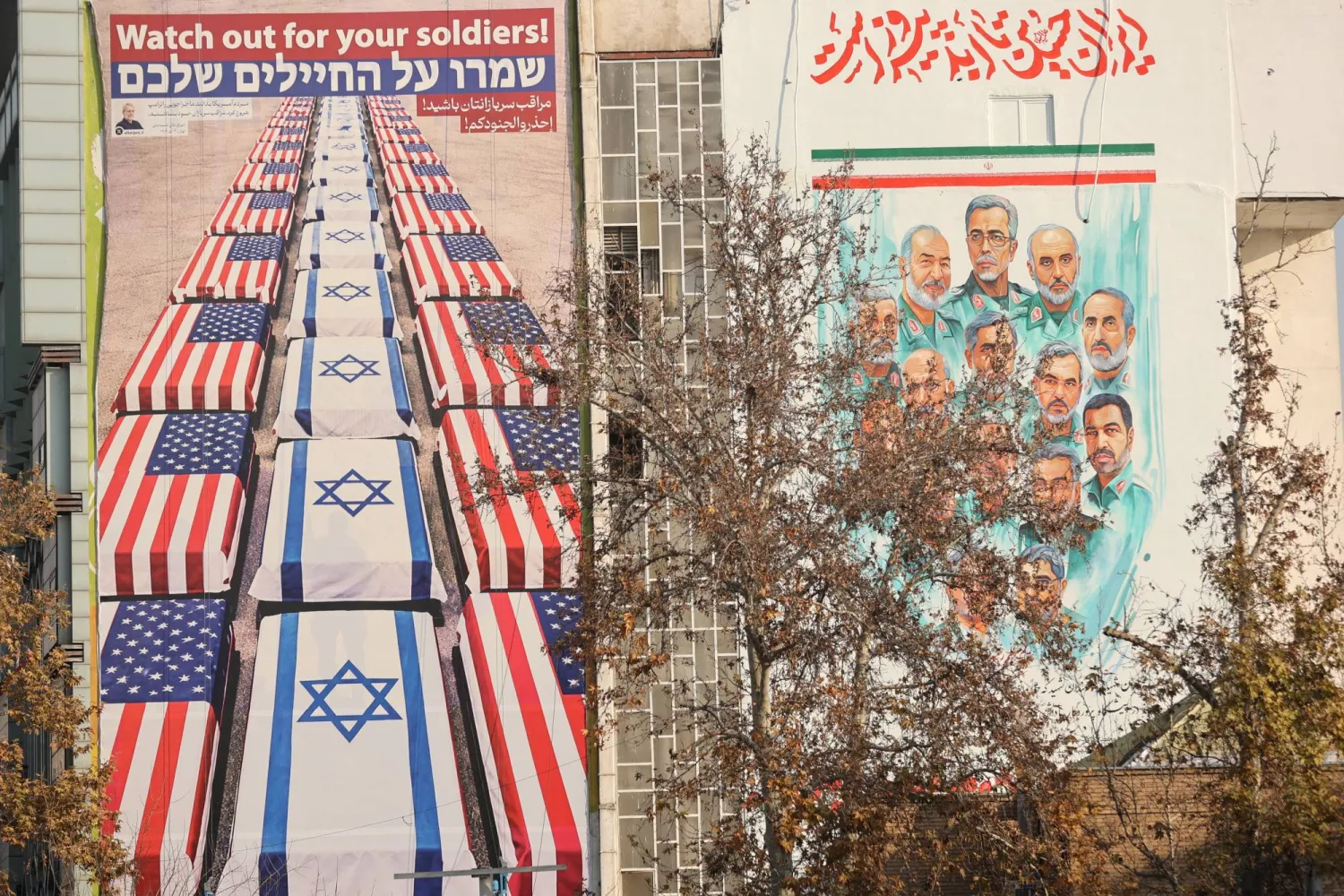
Iranian authorities are showing clear internal divisions as protests widen across the country, with strikes spreading through Tehran’s historic Grand Bazaar and demonstrations flaring in dozens of cities.
President Masoud Pezeshkian has instructed officials to avoid a heavy-handed security response to protesters, stressing that confrontational tactics could undermine national security.
His position contrasts sharply with the escalating rhetoric of Judiciary Chief Gholam-Hossein Mohseni-Ejei, who has warned against any tolerance toward what he calls “rioters” and those “assisting the enemy,” accusing the United States and Israel of seeking to destabilize Iran.
In Tehran, protests intensified in and around the Grand Bazaar as merchants continued a strike for a second consecutive day. In a notable move, Tehran Metro announced that the capital’s main subway line would remain closed “until further notice” at the 15 Khordad station near the bazaar, a decision widely interpreted as an attempt to curb the flow of people into the area.
Reports also described scattered gatherings and sporadic clashes in central and southern parts of the capital.
Beyond Tehran, the protest movement has expanded to include market strikes and intermittent nighttime demonstrations in multiple cities. On Tuesday night, protests were reported in several provinces.
In Ilam, demonstrators took to the streets in different neighborhoods chanting anti-government slogans. In Torbat-e Heydarieh, solidarity gatherings were held alongside a heavy deployment of special security units. Videos circulated from Alvand, in Qazvin province, showing crowds amid the sound of gunfire, while security forces fired tear gas at protesters in Neyriz, in Fars province.
As strikes spread through commercial centers, currency markets hit record levels. The US dollar approached 1.48 million rials on Tehran’s informal market, while exchange shops quoted selling prices around 1.47 million rials. Analysts said the surge reflected the sharp decline in the rial’s value and the erosion of purchasing power, factors widely seen as key drivers of the unrest.
Official Divide
Vice President for Executive Affairs Mohammad-Jafar Qaempanah said Pezeshkian emphasized during a cabinet meeting the need to avoid a security-first approach to protests “so as not to harm national security,” while distinguishing peaceful demonstrations from acts of violence.
“Anyone carrying a weapon or knife and attacking police or military centers is a rioter and must be separated from protesters,” he said, according to a state news agency.
Government spokeswoman Fatemeh Mohajerani also quoted the president as saying that dialogue with citizens and protesters would not allow “other parties to hijack the people’s protests.”
Former reformist lawmaker Mahmoud Sadeghi criticized the judiciary chief’s threats, saying they played into the hands of hardliners, and urged security forces to respect protesters and show greater tolerance, even toward harsh slogans or angry behavior.
By contrast, Mohseni-Ejei struck a far tougher tone, labeling demonstrators as troublemakers and arguing that those taking to the streets were serving the objectives of Iran’s enemies. He said there would be no room for leniency and promised that prosecutions and punishments would be “swift,” while remaining “precise and in accordance with legal standards.”
Speaking to a group of traders and business owners, he added that “bazaar protests do not mean confronting the system.”
Casualties, Arrests, and Hospitals
Human rights organizations reported dozens of deaths and thousands of arrests in the early days of the unrest.
The Kurdish rights group Hengaw said at least 27 people were killed and more than 1,500 arrested over a 10-day period.
The Human Rights Activists News Agency (HRANA) put the death toll at no fewer than 36, with at least 2,076 arrests.
The Oslo-based Iran Human Rights organization said detainees exceeded 1,000, as protests spread to 28 of Iran’s 31 provinces and around 80 cities.
Tehran Governor Mohammad Sadegh Motamedian said no deaths had been recorded in Tehran province, adding that when events turn into vandalism and clashes, “they are no longer protests.”
Authorities confirmed that at least two members of the security forces were killed and more than 10 wounded, without releasing figures for protester fatalities.
Amid allegations that security forces entered hospitals in Tehran and Ilam, Health Minister Mohammad-Reza Zafarghandi denied that injured protesters had been removed from medical facilities. He said no tear gas had been fired inside Sina Hospital, while noting that investigations were ongoing.
International Pressure
Iran is also facing mounting international pressure. US President Donald Trump warned he would intervene to “save protesters” if security forces opened fire, months after Israeli and US strikes on Iranian nuclear sites during a 12-day conflict.
Iran’s Supreme Leader Ali Khamenei responded by vowing not to “bow to the enemy.”
Foreign Minister Abbas Araghchi said Iran’s internal affairs “have nothing to do with any foreign country,” describing Trump’s comments as “interference,” while expressing hope that tensions between the government and protesting citizens could be resolved through dialogue.
The Foreign Ministry reaffirmed Iran’s recognition of the right to peaceful protest, while condemning what it called “interventionist and misleading” US statements.
In an effort to contain public anger, the government has begun distributing monthly cash assistance of about $7 per citizen to help cover basic food costs.
A Persian-language account run by the US State Department described the payment of one million tomans per person as “humiliating,” contrasting it with Iran’s financial support for regional allies.