


Erdogan: Türkiye is Doing its Best to Prevent US-Iran Conflict

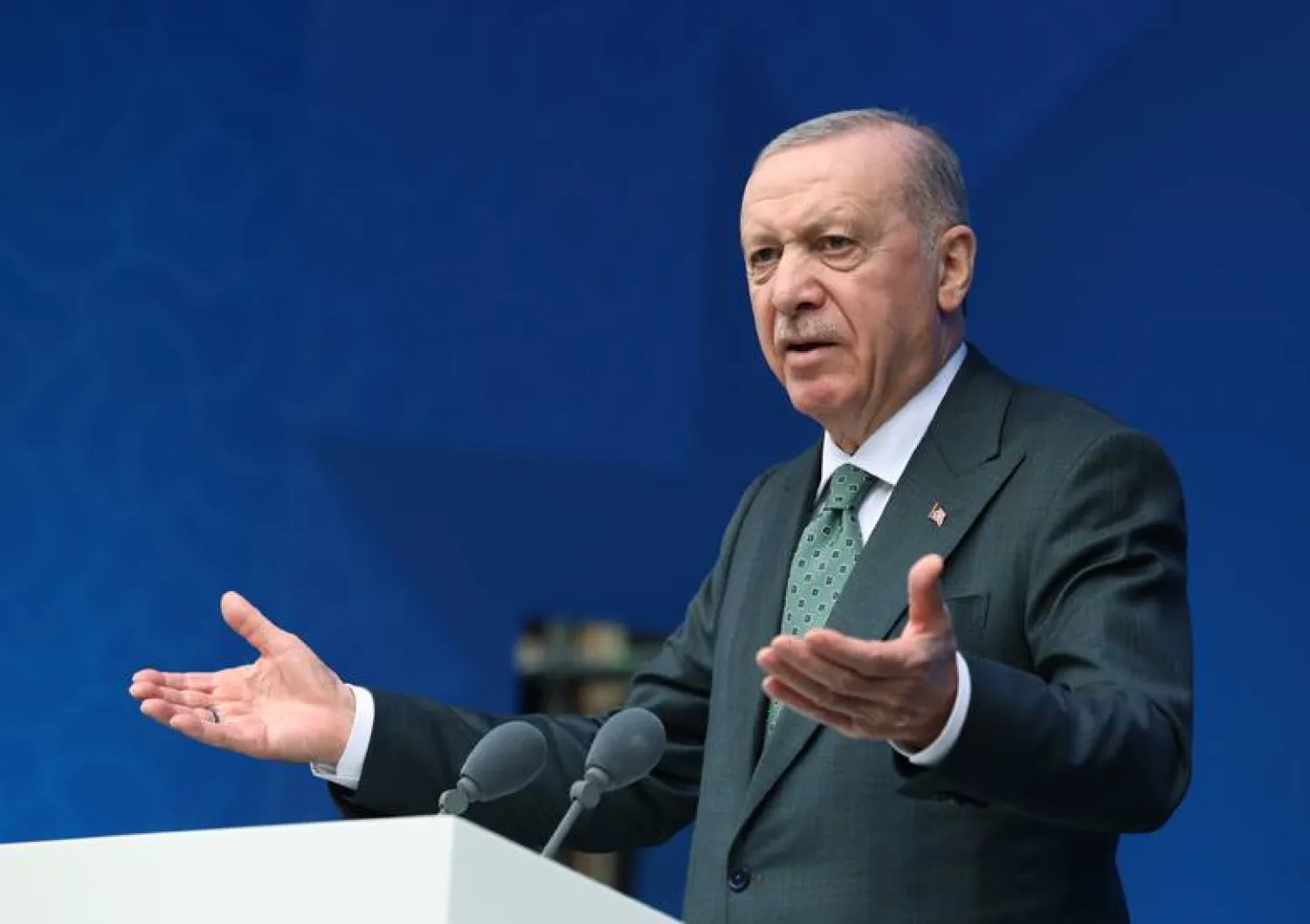
FILED - 28 May 2025, Azerbaijan, Lachin: Türkiye's President Recep Tayyip Erdogan speaks during Lachin's trilateral summit of Azerbaijani, Turkish and Pakistani leaders. Photo: Turkish Presidency/dpa
TT

Erdogan: Türkiye is Doing its Best to Prevent US-Iran Conflict

FILED - 28 May 2025, Azerbaijan, Lachin: Türkiye's President Recep Tayyip Erdogan speaks during Lachin's trilateral summit of Azerbaijani, Turkish and Pakistani leaders. Photo: Turkish Presidency/dpa

President Tayyip Erdogan said Türkiye is working hard to prevent US-Iran tensions from tipping the Middle East into a new conflict, as the two adversaries signal that disagreement over Tehran’s missile arsenal threatens to torpedo a deal.

Speaking to reporters on a return flight from a visit to Egypt, Erdogan added that talks at the level of the US and Iranian leadership would be helpful after lower-level nuclear negotiations due in Oman on Friday, according to a transcript of his comments shared by his office on Thursday.

Türkiye was doing its best to prevent an escalation, said Erdogan, who has spent years cultivating a close relationship with US President Donald Trump while expanding Ankara's diplomatic influence across the Middle East and beyond. Iran and the US remain at odds over Washington's insistence that negotiations include Tehran's missile arsenal and Iran's vow to discuss only its nuclear program, in a standoff that has led to mutual threats of airstrikes.

The ‌differences over the ‌talks' scope and venue have raised doubts whether the meeting would take place, leaving open ‌the possibility ⁠that Trump could ‌carry out a threat to strike Iran.

Asked on Wednesday whether Iran's Supreme Leader Ali Khamenei should be worried, Trump told NBC News: "I would say he should be very worried. Yeah, he should be." He added that "they're negotiating with us" but did not elaborate.

After Trump spoke, US and Iranian officials said the two sides had agreed to shift the talks' location to Muscat after initially accepting Istanbul.

But there was no indication they had found common ground on the agenda.

German Chancellor Friedrich Merz said on Thursday that worries about a further escalation in conflict with Iran characterized his talks during a trip to the Gulf region.

He urged Iran to end what he called aggression and enter into talks, saying Germany would do everything it could ⁠to de-escalate the situation and work towards regional stability.

"In all my conversations yesterday and today, great concern has been expressed about a further escalation in the conflict with Iran," he said during ‌a press conference in Doha.

China meanwhile said it supported Iran's legitimate right to the peaceful use of nuclear energy and opposed ‍the "threat of force and sanction pressure."

China would continue to promote the proper resolution of the Iranian nuclear issue, Liu Bin, China's assistant foreign minister, told Iran's deputy foreign minister in Beijing, the Chinese ministry said.

Tensions are high across the region as the US builds up forces there, and regional players seek to avoid a military confrontation that many fear could escalate into a wider war.

TRUMP WARNED OF 'BAD THINGS' IF NO IRAN DEAL AGREED

Iran says the talks must be confined to its long-running nuclear dispute with Western powers, rejecting a US demand to also discuss Tehran's missiles, and warning that pushing issues beyond the nuclear program could jeopardize the talks.

But US Secretary of State Marco Rubio said ⁠on Wednesday that talks would have to include the range of Iran’s ballistic missiles, its support for armed proxy groups around the Middle East and its treatment of its own people, besides nuclear issues. Iranian sources say the US is demanding Tehran limits the range of Iran's missiles to 500 km (310 miles).

Tehran's regional sway has been weakened by Israel's attacks on its proxies - from Hamas in Gaza to Hezbollah in Lebanon, the Houthis in Yemen and militias in Iraq - and by the ousting of Iran's close ally, former Syrian President Bashar al-Assad.

While the talks were originally set for Türkiye, Iran wanted the meeting to take place in Oman as a continuation of previous talks held in the Gulf Arab country that had focused strictly on Tehran's nuclear program, a regional official said.

Iran says its nuclear activities are meant for peaceful, not military purposes, while the US and Israel have accused it of past efforts to develop nuclear weapons.

The diplomatic efforts follow Trump's threats of military action against Iran during its bloody crackdown on protesters last month and the deployment of more naval power to the Gulf.

The US has sent thousands of troops to the Middle East, as well ‌as an aircraft carrier, other warships, fighter jets, spy planes and air refueling tankers.

Trump has warned that "bad things" would probably happen if a deal could not be reached, ratcheting up pressure on the Iranian Republic.



Pope’s Plane in Spain Delayed by Technical Glitch

Pope Leo XIV (L) and King Felipe VI disembark from the plane that was supposed to take the pontiff back to Rome after his seven-day trip to Spain, due to technical problems preventing its takeoff from Los Rodeos Airport, Tenerife Island, Canary Islands, 12 June 2026. (EPA)
TT

Pope’s Plane in Spain Delayed by Technical Glitch

Pope Leo XIV (L) and King Felipe VI disembark from the plane that was supposed to take the pontiff back to Rome after his seven-day trip to Spain, due to technical problems preventing its takeoff from Los Rodeos Airport, Tenerife Island, Canary Islands, 12 June 2026. (EPA)

Pope Leo XIV's departure from Tenerife at the end of a week-long visit to Spain was delayed Friday by a technical problem with the plane which led him to disembark, according to an AFP reporter at the scene.

Spain's King Felipe VI, who had just said goodbye to the pontiff on the runway, boarded the Iberia airline plane and both disembarked and returned to the terminal.

About 80 journalists remained on the jet, along with Vatican officials and members of the clergy.

"The departure of the papal flight has been delayed by half an hour due to a technical problem with the aircraft," the communications service for the papal trip in Spain said in a brief statement at 1545 GMT.

The pilot initially told passengers there was a technical fault but later specified a "startup failure of the engine", which he said was likely caused by wind conditions.

"Our maintenance team suggests towing the aircraft, positioning it into the wind, and attempting a new engine start," the pilot told those on board.

"We will try this. If it is successful, we can depart."

Pope Leo XIV had been due to return to Rome after a seven-day trip to Spain.

He arrived on Friday in Tenerife in Spain's Canary Islands from the nearby island of Gran Canaria, where he had been since Thursday.


UK PM Starmer Says He Has Not Lost Authority, Will Fight to Stay in Job

British Prime Minister Keir Starmer speaks during the Prime Minister's Questions at the House of Commons in London, Britain, June 10, 2026. (House of Commons/Handout via Reuters)
TT

UK PM Starmer Says He Has Not Lost Authority, Will Fight to Stay in Job

British Prime Minister Keir Starmer speaks during the Prime Minister's Questions at the House of Commons in London, Britain, June 10, 2026. (House of Commons/Handout via Reuters)

British Prime ‌Minister Keir Starmer on Friday rejected the idea that he had lost authority in his role, and said he would fight to keep his job, adding that anyone who wanted to replace him would have to deal with the same financial constraints.

The comments come a day after defense minister John Healey delivered a fresh blow to the prime minister's already weakened leadership ‌by quitting ‌and accusing Starmer of being ‌unable ⁠to commit the resources ⁠needed to keep the country safe, in a dig at the authority the PM has over his ministers.

"I'm not going to walk away," Starmer told the BBC, making his first public comments since Healey's shock resignation.

With rivals ⁠expected to launch a contest ‌to replace him ‌in the coming weeks or months, Starmer said he would ‌fight any challenge to his role.

"Let me ‌just be clear with you, that's not about personal vanity, it's not about stubbornness, it's out of a very deep sense of duty. I was ‌elected to serve this country, notwithstanding the difficult circumstances. That is what I ⁠am doing," ⁠he said.

Starmer rejected Healey's criticism, saying defense and security were his top priorities and would remain so every time the government had to make spending decisions in the future.

He said he had already made "hard-edged" choices to cut other departments' budgets in order to put more money towards defense investment.

"Whoever is prime minister is going to face the same prevailing winds as I am facing. None of that is going to change," Starmer said.


US-Iran Deal 'Never Been Closer', Says Iranian FM

27 April 2026, Russia, Saint Petersburg:  Iranian Foreign Minister Abbas Araghchi arrives for a meeting in Saint Petersburg. (Kremlin/dpa)
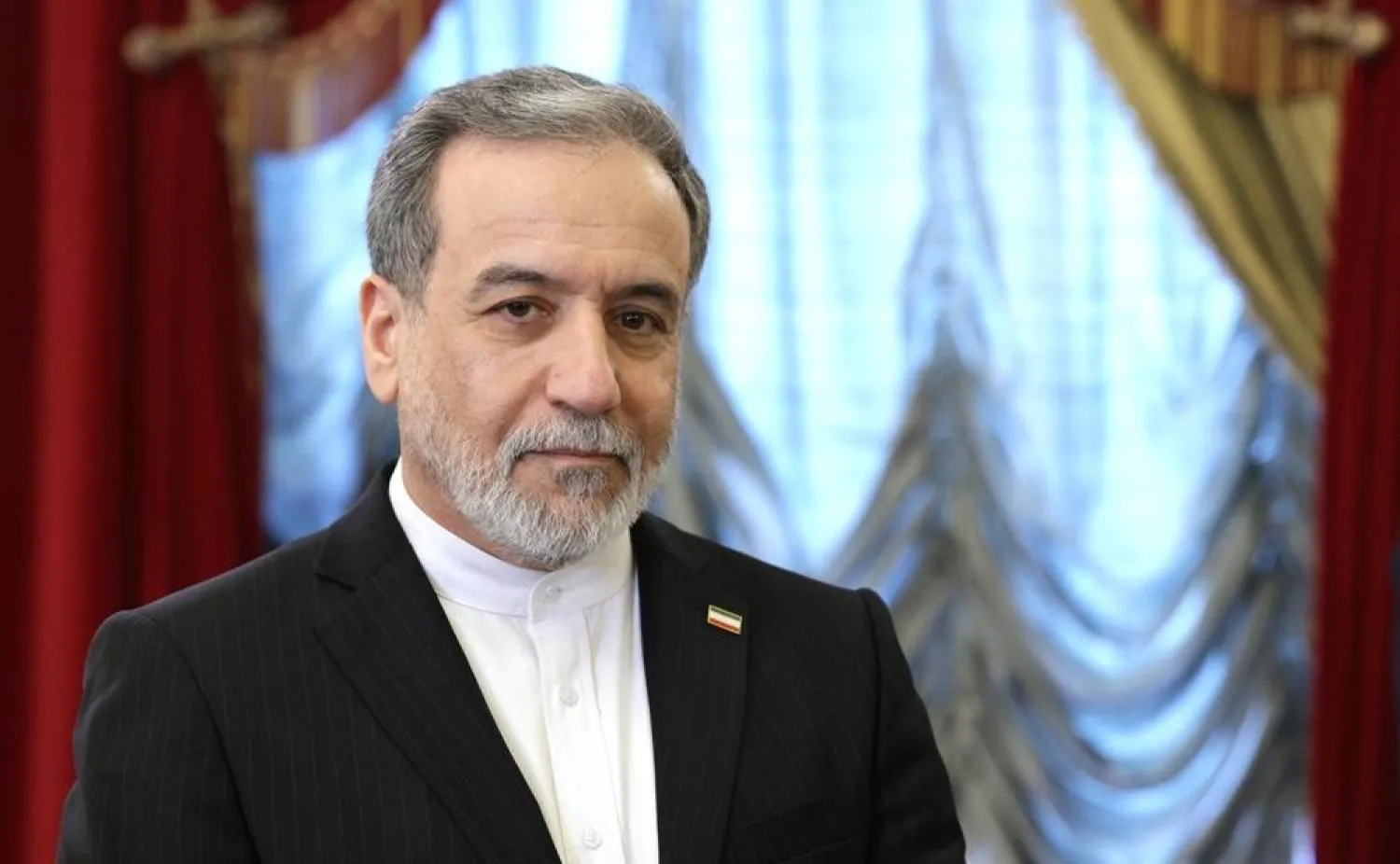
27 April 2026, Russia, Saint Petersburg: Iranian Foreign Minister Abbas Araghchi arrives for a meeting in Saint Petersburg. (Kremlin/dpa)
TT

US-Iran Deal 'Never Been Closer', Says Iranian FM

27 April 2026, Russia, Saint Petersburg:  Iranian Foreign Minister Abbas Araghchi arrives for a meeting in Saint Petersburg. (Kremlin/dpa)
27 April 2026, Russia, Saint Petersburg: Iranian Foreign Minister Abbas Araghchi arrives for a meeting in Saint Petersburg. (Kremlin/dpa)

The United States and Iran have "never been closer" to a deal on ending the war in the Middle East, Iranian Foreign Minister Abbas Araghchi said on Friday.

"The Islamabad Memorandum of Understanding has never been closer," Araghchi wrote on X, referring to the Pakistani capital which hosted previous US-Iran talks.

"Pending its finalization, the media should refrain from entering speculation about its content," he added, after purported details of the accord were published by Iranian media.

"In line with our responsible and transparent approach, all details will be shared with the public in due course," Araghchi added.

Expectations have grown in recent days that the two sides are on the verge of an accord, even if tensions and sticking points remain.

US President Donald Trump had earlier lashed out at the leaks in Iranian media, saying on Truth Social "they have NOTHING to do with the terms that were agreed to, in writing".