



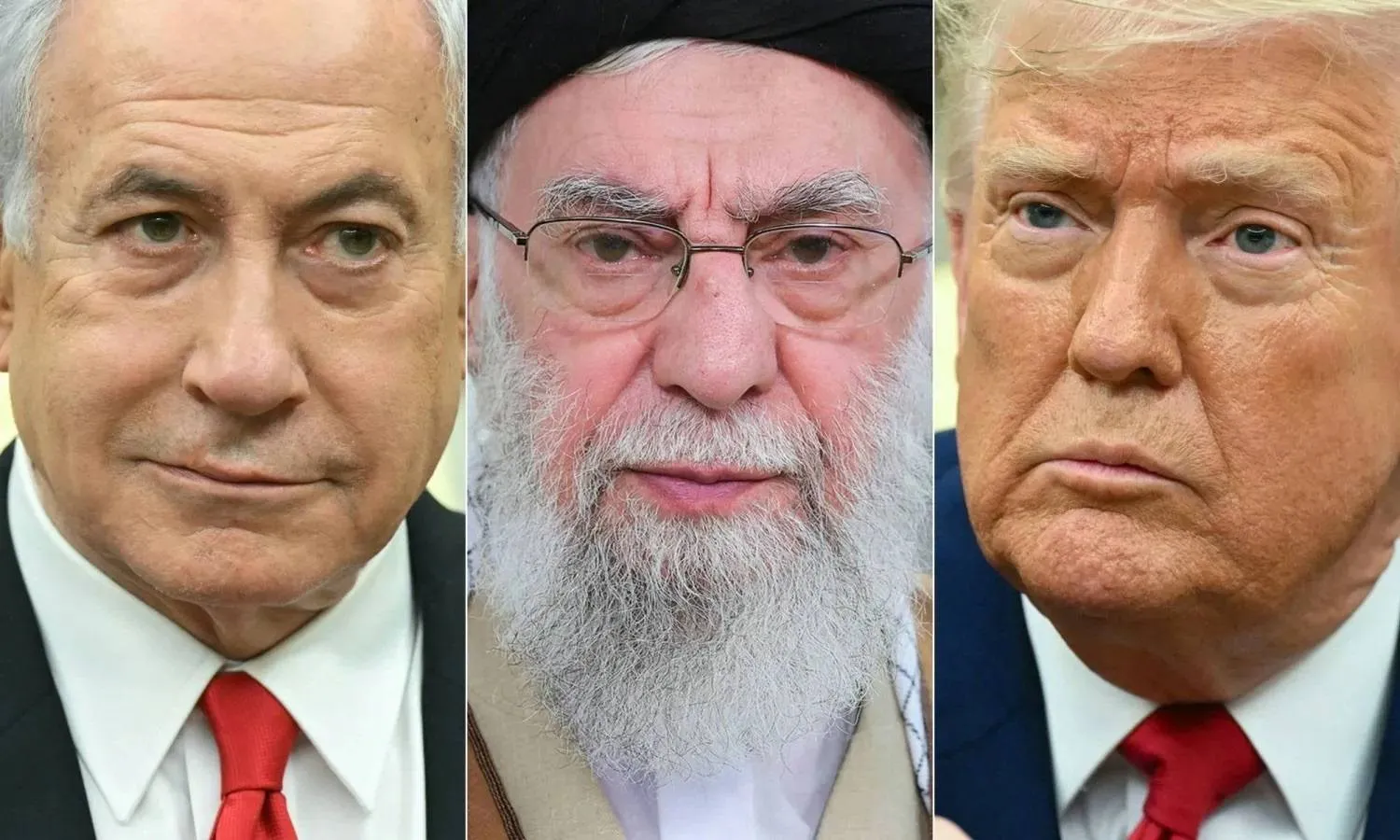

As anticipation grows over the resumption of US–Iran negotiations in Oman, Israeli Prime Minister Benjamin Netanyahu convened an emergency meeting of Israel’s security cabinet on Thursday to assess scenarios in the event the talks fail and to consider the possibility of renewed military escalation.
Ahead of the meeting, Netanyahu briefed a confidential subcommittee of the Knesset’s Foreign Affairs and Defense Committee, stressing that the Israeli military is prepared to launch a major strike against Iran—one he said could be harsher than the so-called Twelve-Day War.
Israeli media later reported that the discussions reflected growing concern in Jerusalem over the direction of diplomacy with Tehran.
Channel 12 quoted a source familiar with the security cabinet deliberations as saying there is “full coordination with the United States” on Iran-related matters.
At the same time, The Jerusalem Post reported that Israel’s Chief of Staff, Eyal Zamir, told US officials that Israel is ready to carry out “surprise strikes” against targets inside Iran should Tehran “choose the path of war.”
According to the report, Zamir emphasized that any US concessions on Iran’s ballistic missile program would cross a red line for Israel, alongside other red lines linked to Iran’s nuclear activities.
This stance, the newspaper said, helps explain US Secretary of State Marco Rubio’s insistence that the ballistic missile program be included in the agenda of upcoming talks with Tehran. Rubio reiterated earlier this week that negotiations should address both Iran’s nuclear and missile programs.
Iran, however, has pushed back firmly. Ebrahim Rezaei, spokesman for the Iranian parliament’s National Security Committee, said both uranium enrichment and the ballistic missile program are non-negotiable “red lines” for Tehran.
Netanyahu said he does not yet know what decision US President Donald Trump will take regarding a possible military strike on Iran, but expressed confidence that Washington will adopt a tougher approach in the current round of negotiations.
Channel 12 described Israeli satisfaction with the US position as having taken on a “deep strategic dimension,” noting a recent secret visit by Zamir to Washington that Israeli officials have portrayed as significant.
Former national security adviser Tzachi Hanegbi shed further light on the background in remarks at a policy seminar in Herzliya. He said Netanyahu had previously sought to persuade former President Joe Biden to authorize a strike on Iran, but Biden rejected the idea, preferring to exhaust diplomatic options.
Netanyahu later made similar appeals during Trump’s second term, warning of an approaching “zero hour,” yet Trump initially resisted military action, opting instead for sanctions and warnings.
Hanegbi said Trump’s position shifted in June after reviewing the results of Israeli strikes on Iran ahead of the Twelve-Day War and the successful interception of two large-scale Iranian attacks with US assistance, without American casualties or disruption to shipping in the Strait of Hormuz.
He added that Trump was impressed by Israel’s military performance and eventually gave the green light for war, agreeing to join its final phase.
Meanwhile, Israeli political sources told the news site Walla that there is a growing sense in Jerusalem that Washington entered the current negotiations at a poor moment and from a weak position.
They argued that Iran today is more confident and assertive than in 2015, believing its threats of regional escalation were enough to push the United States back to diplomacy.


