
Tel Aviv has confirmed a major fracture in the Iranian leadership, which implies a partial collapse of the regime in Tehran in wake of the US-Israeli war on Iran, revealed a report by the Military Intelligence Directorate of the Israeli Army (Aman).
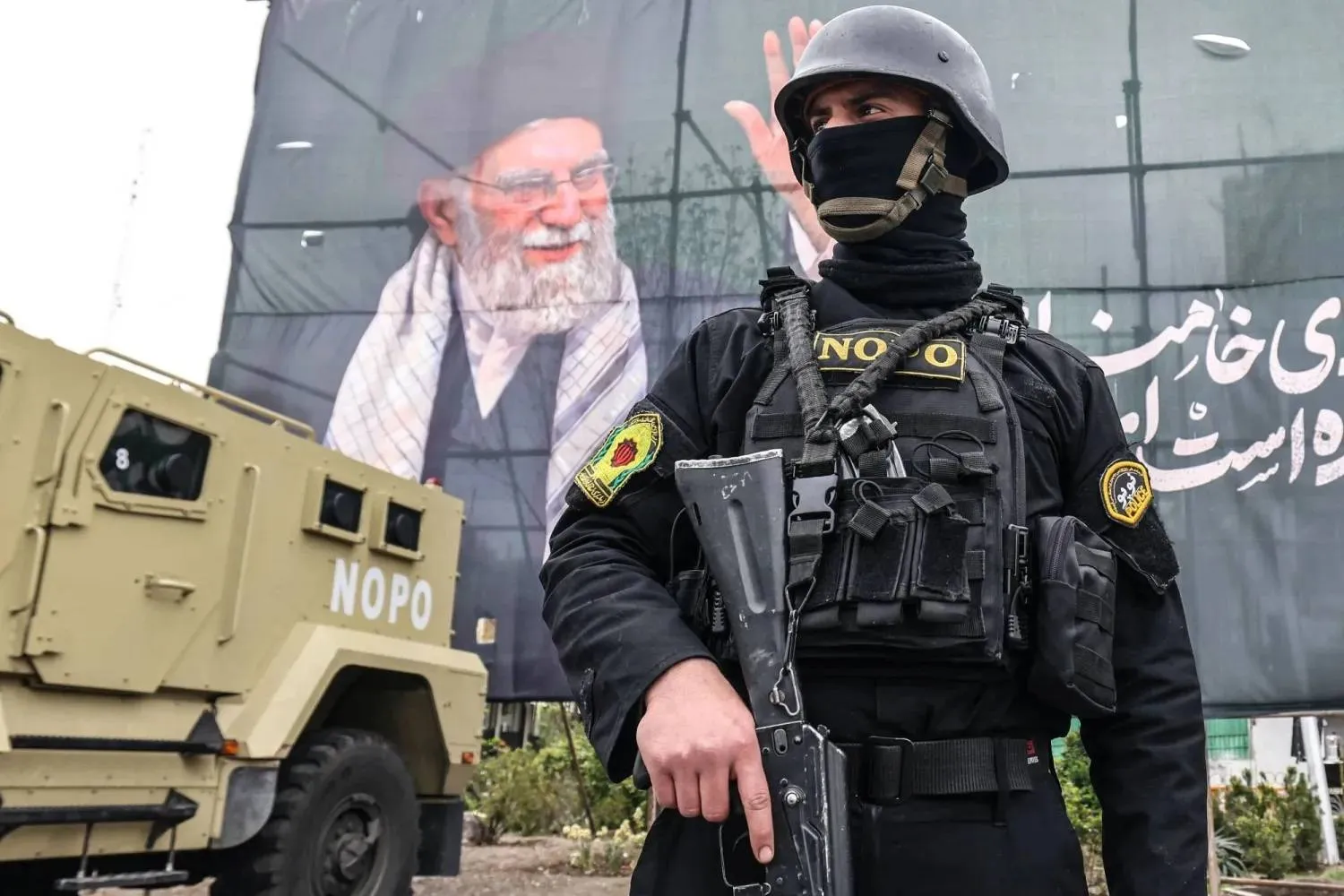
According to Aman, the absence of Supreme Leader Ali Khamenei, killed in joint US-Israeli air strike on February 28, has left a significant power vacuum in the country.
It said his son and successor, Mojtaba, lacks the charisma of his father and does not command the same religious stature or political weight. He is also still recovering from severe injuries sustained from a strike during the war and therefore, is considered unable to take real power.
The Aman report, published by the Walla website on Sunday, listed the names of Iran’s current leaders who remained in power after the US and Israeli strikes eliminated 55 key leading figures.
In addition to Mojtaba Khamenei, the list includes former Iranian Revolutionary Guards Corps (IRGC) intelligence chief Hossein Taeb, who is also a senior adviser to Mojtaba and his secretary. Taeb is regarded as a hardline official, who considers any agreement with the West as betrayal and an existential threat to the regime.
Another survivor of the Iranian leadership is IRGC commander Ahmed Vahidi, a former Minister of Defense and Interior, who is widely considered a major hardliner.
The list also includes parliament speaker and one of Iran’s top negotiators, Mohammad Bagher Ghalibaf, a veteran conservative politician who is interested in improving the economy and preventing Iran’s social and political collapse.
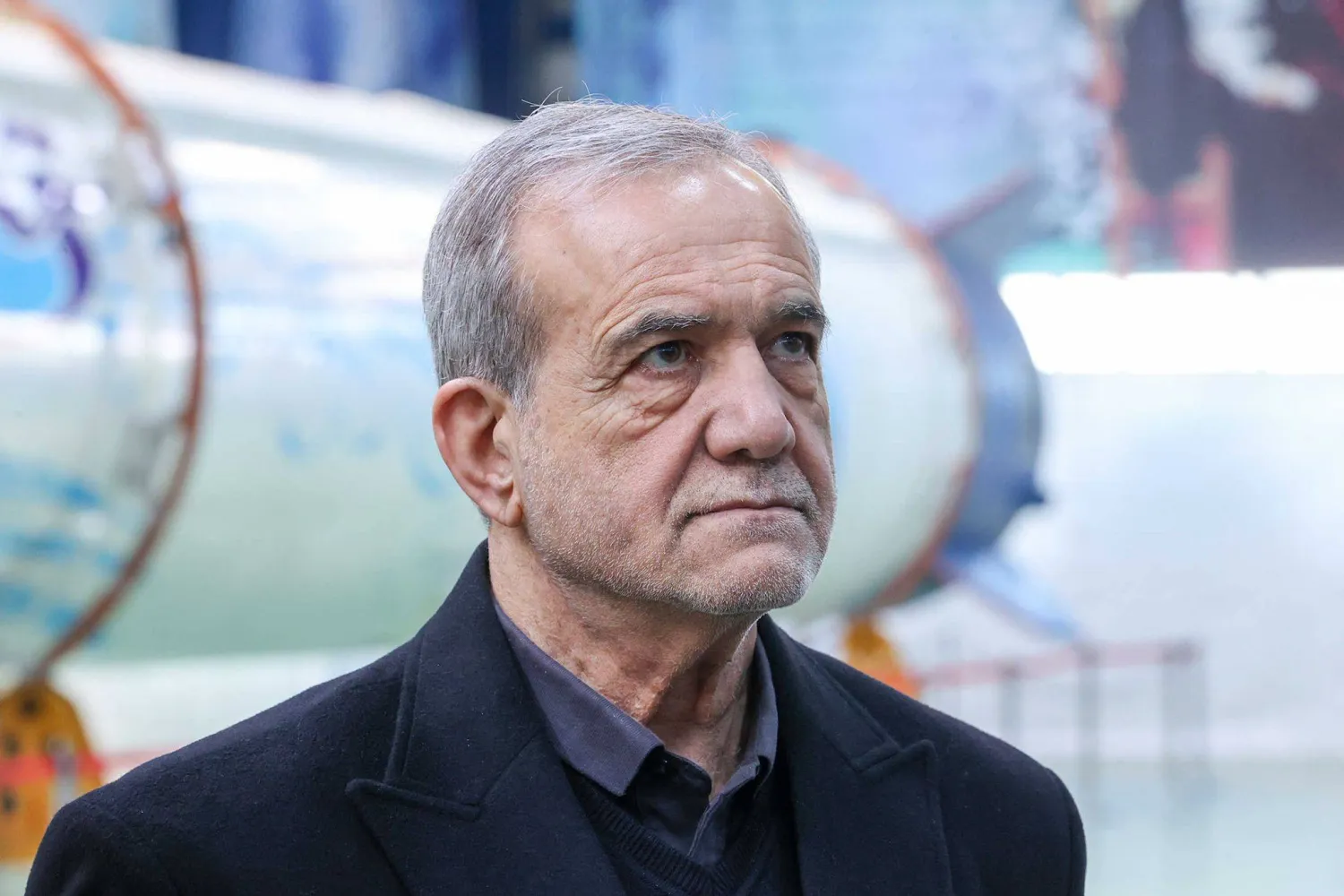
Among the reformists, the list includes President Masoud Pezeshkian, who is pursuing a more moderate path focused on economic reform and easing international sanctions. However, his powers are constrained by the IRGC.
Another reformist is Iranian Foreign Minister Abbas Araghchi, who was a negotiator in the first nuclear deal in 2015. A senior Aman official said Araghchi is viewed as a diplomat skilled in navigating complex negotiations while attempting to preserve Iranian “dignity” against US demands.
An Israeli general in Aman said the Israeli and US strikes has decimated the inner circle of the supreme leader, forcing Tehran to rely on a more fragmented and weak leadership structure that suffers from internal tensions despite the ceasefire.
The general added that the war, assassinations, the absence of Ali Khamenei, the destruction and lack of communication among security and political figures, have all fractured the Iranian leadership, complicating its ability to make decisions and coordinate.
Aman said the hardliners have gained more power in Iran and are now capable to ruin any deal reached between reformists and the US.