Israeli Prime Minister Benjamin Netanyahu on Monday vowed there would be no Hamas rule in Gaza as he attended a memorial event marking three years since the October 7, 2023 attack.
Speaking during a state ceremony at the Mount Herzl military cemetery in Jerusalem, Netanyahu said "we have achieved enormous accomplishments, but there are still missions ahead of us, and we intend to complete them".
"There will be no Hamas rule in Gaza," he added, vowing to continue targeting anyone who was involved in the attack or who held hostages.
The Hamas-led attack resulted in the deaths of 1,221 people, according to an AFP tally based on official Israeli figures. Militants also dragged 251 hostages into Gaza, 44 of them already dead.
In response, Israel launched a massive military offensive that has killed more than 74,200 people in Gaza, according to the territory's health ministry, which is under Hamas authority and whose figures are considered reliable by the United Nations.
Since a ceasefire was declared last October, Israeli forces have killed more than 1,440 people in Gaza, according to the ministry.
Plans for Gaza's post-war governance have begun to take shape, but the issue remains largely unresolved in practice.
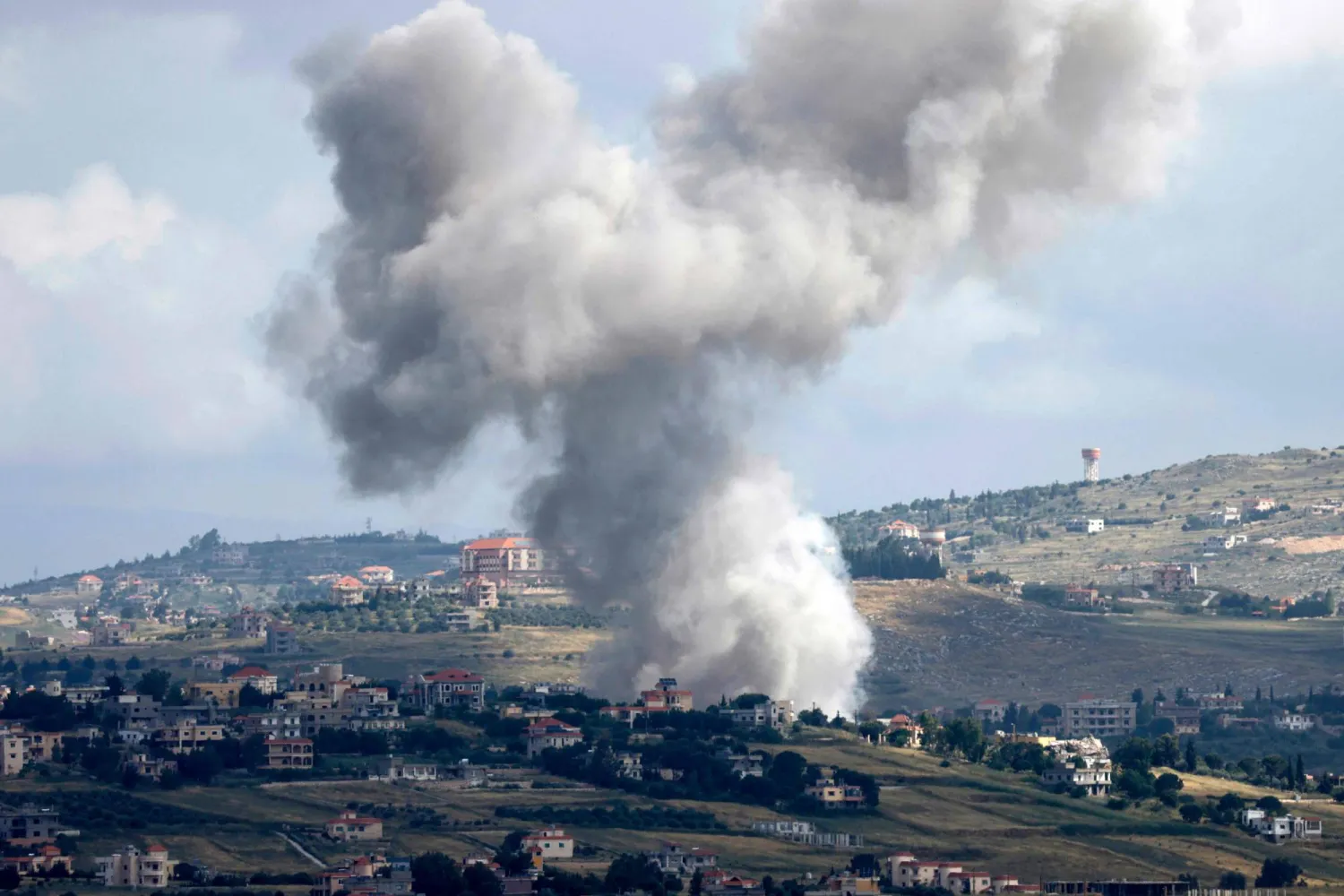
Since Hamas's October 2023 attack, Israel has fought wars on several fronts, including against Iran-backed Hezbollah in Lebanon.
During his speech on Monday, Netanyahu also vowed to keep striking Hezbollah to "create an opportunity for peace with a country whose people, for the most part, want peace with us".
Netanyahu also hit out at the clerical leadership in Iran, where Israel and the United States launched a joint attack on February 28, triggering the Middle East war.
"We will not allow the ayatollah regime in Tehran to threaten our existence," Netanyahu said, adding the Iranian leadership was "weaker than it has been since its establishment".