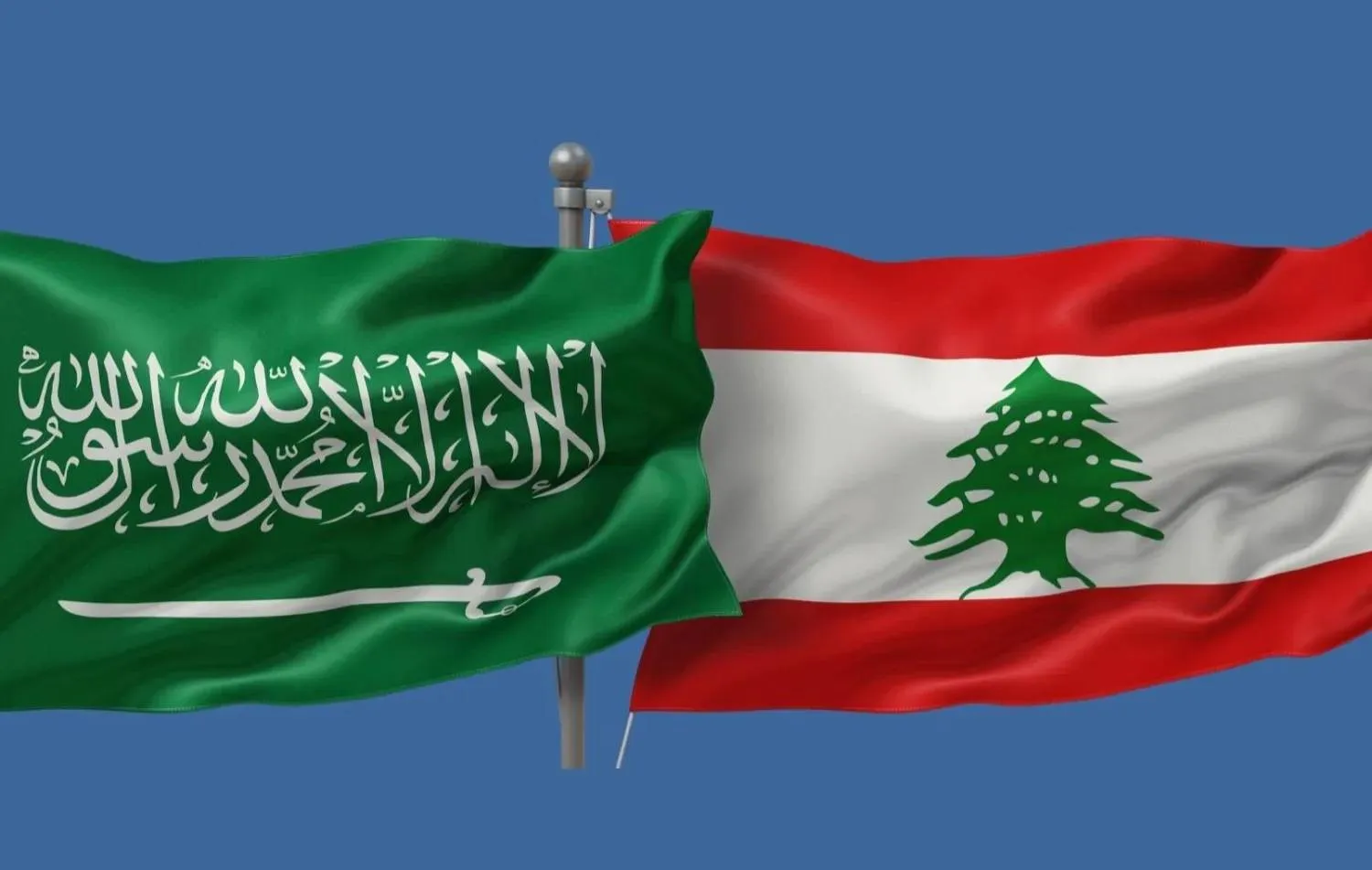
Saudi Arabia’s decision to resume receiving Lebanese exports has revived hopes among Lebanese business and farming circles for the return of one of the country’s most important foreign markets after five years of disruption that left deep scars on Lebanon’s production and export sectors.
The move is seen in Lebanon as carrying significance beyond trade. It marks a new stage in restoring confidence in the Lebanese state under President Joseph Aoun and Prime Minister Nawaf Salam, while offering a potential lifeline to sectors that have long suffered from shrinking export markets, difficulties marketing their output, and Lebanon’s prolonged economic and financial crisis.
Lebanon’s Agriculture Ministry said the decision was not merely a commercial measure, but an economic and development step of national importance.
It said the move would help Lebanese farmers remain resilient, restart the agricultural production cycle and revive sorting, packaging, marketing and export chains, directly benefiting thousands of families that depend on farming as a main source of income.
A positive shock for Lebanon’s economy
Economists say the Saudi decision will quickly feed through to Lebanon’s productive sectors, especially industry and agriculture, while helping draw more foreign currency into the country.
“The impact of this step is very good economically and politically,” economist Walid Abu Suleiman told Asharq Al-Awsat. “Economically, it is very important because Saudi Arabia was a key destination for Lebanese exports.”
He said Saudi Arabia ranked third among Lebanon's importers, with Lebanese exports to the kingdom totaling about $240 million in 2020.
Abu Suleiman described the reopening of the Saudi market as “a positive shock for the Lebanese economy,” noting that its importance extended beyond reviving exports to supporting monetary stability in a country facing a severe shortage of foreign currency.
“This step is also very important for the monetary situation, because the more exports increase, the more foreign currency enters Lebanon,” he said. “We know the extent of Lebanon’s suffering today in preserving what remains of its dollars and hard currencies.”
He said the Saudi market’s importance stemmed not only from its size, but also from its central place in the Arab economic system.
“We must not forget that the Saudi market represents about 85% of Gulf markets,” he said. “If we improve our products and succeed in offering quality goods at competitive prices, we can obtain a larger share of this market and increase our exports.”
Abu Suleiman said Lebanese products still had significant room for growth.
“It is possible for exports to rise from about $240 million to much larger figures, because the Saudi market is very large,” he said. “The opportunities for Lebanese products remain significant if this opening is properly used.”
He said the main beneficiaries would be the industrial and agricultural sectors, especially food processing and beverage industries.
“We hope this step will be followed by practical measures, and that matters will move in the right direction, given the positive impact this would have on the Lebanese economy and on production and export sectors,” he said.
Lebanese agriculture prepares to return
In the agricultural sector, the decision was warmly welcomed because of the heavy losses farmers have suffered since the Saudi market was closed in 2021.
Ibrahim Tarshishi, head of the National Federation of Lebanese Farmers, called the decision “a historic day in the life of the Lebanese economy.”
“The Kingdom of Saudi Arabia’s decision to remove obstacles to Lebanese agricultural exports has restored economic vitality to Lebanon and reopened the channels of normal trade and communication with the kingdom and Gulf markets after years of disruption,” he told Asharq Al-Awsat.
Tarshishi said agricultural trade ties between the two countries go back more than half a century. For decades, he said, the kingdom was the top destination for Lebanese agricultural exports, accounting for about 50% of total Lebanese agricultural exports to Arab countries.
In a sign of preparations to restart exports, Tarshishi said the Agriculture Ministry would hold a coordination meeting bringing together customs, IDAL, chambers of commerce, monitoring companies, exporters, refrigerated truck owners and agricultural unions to set the mechanisms for resuming exports and organizing land and sea freight, as well as transit procedures into Gulf markets.
Two thousand tonnes a day used to head to the Gulf
Recalling trade before the Saudi market was closed, Tarshishi said Lebanon used to export more than 30 trucks a day loaded with vegetables and fruit to the kingdom, or nearly 1,000 tonnes a day, in addition to about another 1,000 tonnes that crossed Saudi territory in transit to other Gulf countries.
He said Lebanese products in strong demand in the Saudi market included grapes, pears, peaches, plums and other seasonal fruits for which Lebanon is known. The kingdom, he said, had been the main outlet for these products during production seasons.
Losses exceeded $1 billion
Tarshishi said the damage suffered by the agricultural sector in recent years was substantial.
Lebanon used to export agricultural products worth nearly $200 million annually, he said, meaning the sector incurred losses exceeding $1 billion over the past five years because of the closure of the Saudi market and markets linked to it.
Tarshishi said the impact of resumed exports would not stop with farmers, but would extend across a long chain of economic activities tied to agriculture.
He said the decision would help keep farmers on their land, restart sorting and packaging centers, cardboard, wood and plastic factories and the transport sector, improve prices for agricultural products and curb the oversupply that in recent years forced many farmers to sell crops below production cost.