




Hamas and other Palestinian factions involved in ongoing ceasefire talks say they have lost confidence in mediators’ ability to pressure Israel to honor the truce, accusing Israel of escalating daily violations since the halt to fighting took effect on October 10.
Sources in Hamas and allied factions, who are closely involved in continuous contacts with mediators, said Israel was acting “as it wishes” and signaling that it cannot be bound by any commitments, escalating its breaches without facing real deterrence.
They said factions share a growing sense that patience is running out. Yet, the leadership across all levels, including the public base, acknowledges that responding militarily is not an option because it risks pulling Gaza back into a full war whose cost would be far higher.
The sources insisted this does not mean accepting Israeli strikes or allowing Gaza to become an open battlefield.
“Israel is trying to provoke the resistance and drag it back to square one,” one source said, adding that such a confrontation would serve Prime Minister Benjamin Netanyahu’s political survival. They accused Israel of exploiting fluctuating US pressure, tightening or easing its position depending on Washington.
The sources said Palestinian leaders also blame mediators for failing to exert enough influence on Israel or Washington, although in previous rounds they leveraged ties with the Trump administration to extract limited Israeli compliance.
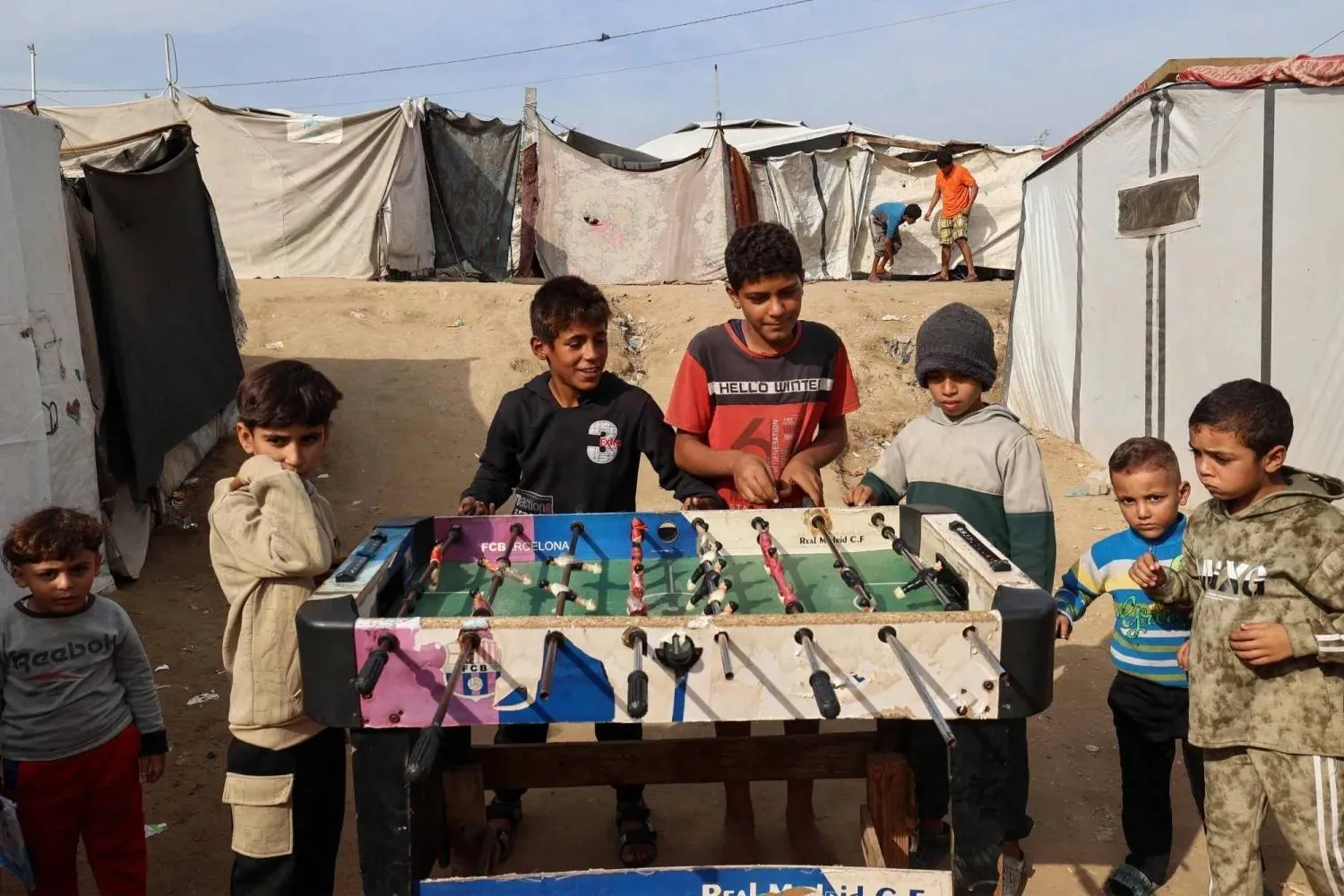
Several commitments under the first phase of the ceasefire were never implemented, including the entry of urgent relief supplies and improvement of humanitarian conditions, which remain dire with only marginal gains.
Hamas Ready for Second Phase, Says Israel Blocking Progress
Hamas informed mediators it has no objection to moving to the second phase of the agreement, the sources said, describing Israel as the main obstacle as it tries to impose conditions linked to the future of Gaza, the fate of armed groups, and who will govern the territory. They said Israel is tying reconstruction to those political demands.
The sources said Hamas wants national consensus on Gaza’s future and the “resistance arena,” proposing a Palestinian meeting involving Fatah, the Palestinian Authority, and all factions. This issue is expected to be revisited soon in Cairo, though it is unclear if Fatah will participate after previously declining.
Israel, meanwhile, refuses to proceed to the next stage before receiving the bodies of two remaining captives held in Gaza. Palestinian sources said recent Israeli assassinations of those responsible for the captives, as well as extensive bombardment and bulldozing, have complicated efforts to locate the remains.
Israel is also linking reconstruction to the captives file and is coordinating with the United States to start rebuilding only in areas under Israeli control, particularly Rafah. Some cabinet ministers oppose the plan, according to Israeli media.
US and Israeli reports in recent days said Washington has already begun clearing rubble in parts of Rafah now under Israeli control, a move the Netanyahu government has neither confirmed nor denied. Hamas and other factions also declined public comment.
Hamas sources told Asharq Al-Awsat that reconstruction is being discussed with mediators and stressed that any unilateral action “has no value,” adding that reconstruction must cover all parts of Gaza and that humanitarian needs cannot be tied to political bargaining.
Escalation on the Ground
Israeli violations continued over the weekend. Two brothers from the Abu Aassi family were killed on Saturday after approaching the yellow line marking an Israeli withdrawal zone under the ceasefire, near Bani Suheila east of Khan Yunis. They were shot by an Israeli drone while collecting firewood. Their father is disabled and their mother is ill.
At least 355 Palestinians have been killed and hundreds injured since the ceasefire began due to Israeli breaches.
Israeli warplanes carried out several strikes in Rafah and Khan Yunis on Saturday, targeting Hamas tunnels and infrastructure, and detonating areas along the yellow line as well as sites east of Gaza City and in the north. Artillery fire and drone attacks continued, along with naval gunfire along parts of the coast.
Hamas spokesperson Hazem Qassem said Israeli forces intensified air, land, and sea bombardment overnight, accusing the military of deliberately killing the two boys and insisting that “the genocide has not stopped, only its pace has changed.”
Humanitarian Conditions Still Desperate
The Palestinian NGO Network said it saw no real improvement in the entry of aid, which remains at minimum levels. Most trucks entering Gaza are commercial shipments sold to residents who can barely afford them, while humanitarian aid barely reaches the enclave.
UNICEF warned that worsening malnutrition and the arrival of winter threaten children’s lives. The agency said tests showed that about 9,300 children under five suffered from acute malnutrition in October, urging all parties to open Gaza’s crossings to humanitarian relief through all possible channels.


