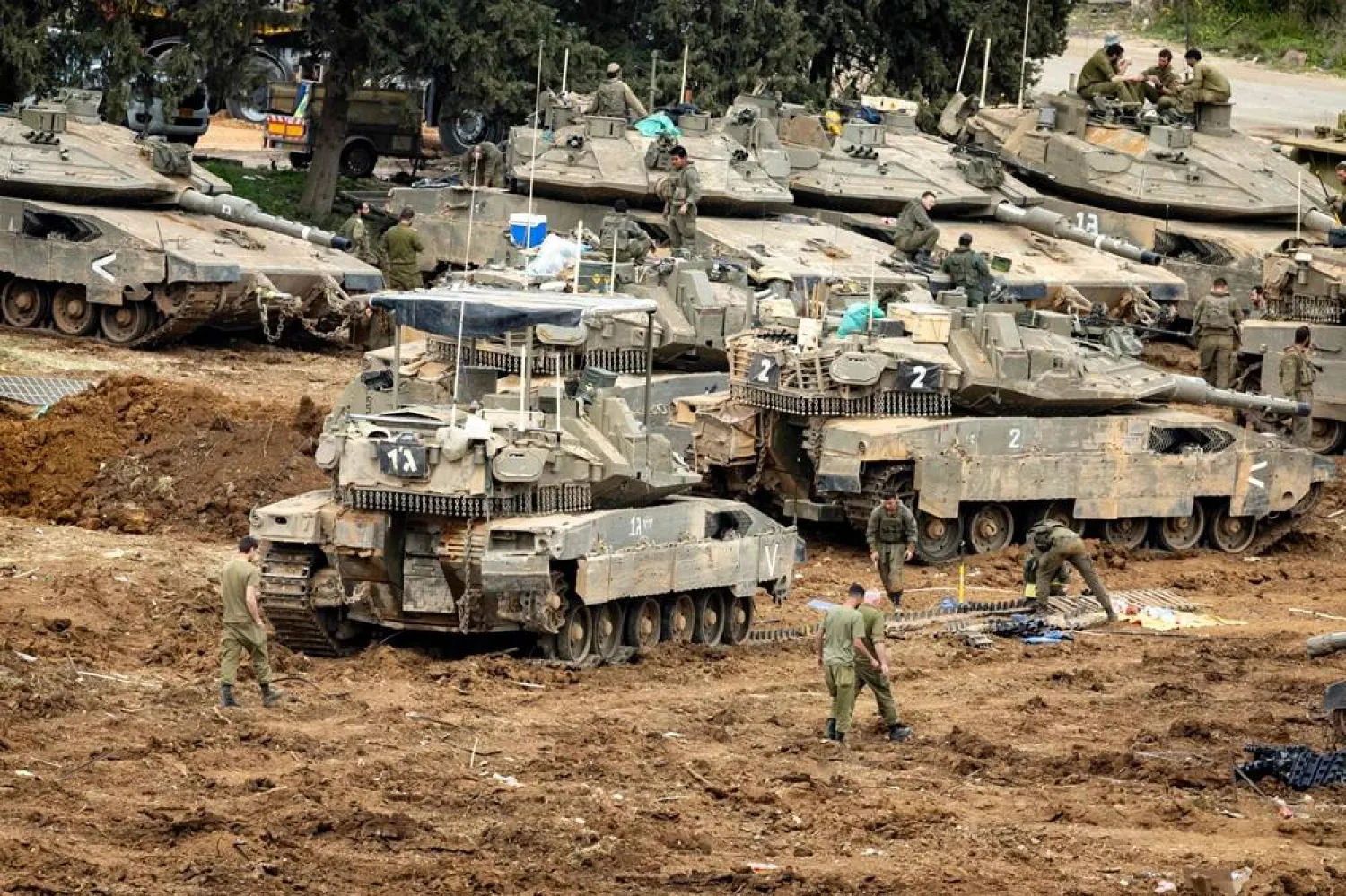

The Israeli defense minister vowed on Friday that Lebanon would pay an "increasing price" in damage to infrastructure in the war with Hezbollah, while the UN urged Israel and Hezbollah to agree to a ceasefire.
Lebanon was drawn into the Middle East war last week when the Tehran-backed group attacked Israel in response to the killing of Iranian supreme leader Ali Khamenei in US-Israeli strikes.
Israel on Friday destroyed a bridge over the Litani River between the towns of Zrariyeh and Tayr Falsay, according to state media. The river bisects southern Lebanon, from east to west.
In a statement, the Israeli army described the bridge as a "key crossing" for Hezbollah "from northern to southern Lebanon, to build up its power and prepare for combat".
The attack was the first on Lebanese public infrastructure to be acknowledged by Israel since the start of the Middle East war.
"This is just the beginning and the Lebanese government and the state of Lebanon will pay an increasing price in damage to Lebanese national infrastructure used by Hezbollah terrorists," the Israeli defense minister said on Friday.
He said Lebanon would suffer "loss of territory -- until it fulfills its central commitment of disarming Hezbollah".
Israeli Prime Minister Benjamin Netanyahu said on Thursday he told the Lebanese government that "you are playing with fire if you continue allowing Hezbollah to operate, in violation of your commitment to disarm it".
- 'Stop the war' -
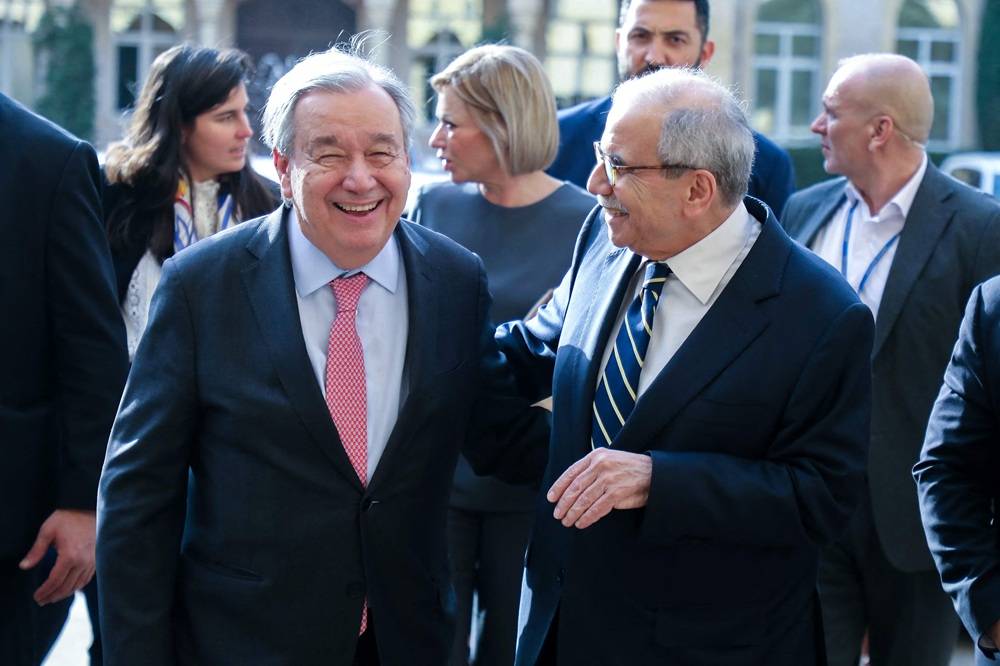
UN chief Antonio Guterres called on Israel and the Iran-backed Hezbollah to "stop the war" at the start of a visit to Beirut on Friday, as Israel expanded its strikes across the country.
"My strong appeal to those parties, to Hezbollah and to Israel, is for a ceasefire to stop the war," Guterres said.
Guterres launched a $308 million humanitarian appeal to support Lebanon as it responds to the displacement of hundreds of thousands of people by the war.
Israeli strikes continued on Friday, including an attack that killed eight people in the south Lebanese village of Mieh w Mieh near the port city of Sidon, according to the health ministry.
In the nearby village of Irkey, Mohammad Taqi buried his four daughters, aged six to 13, who were killed in an Israeli strike on Thursday along with five relatives.
"The Israeli enemy says every day that it is targeting infrastructure," he told AFP at the funeral, his head wrapped in a white bandage and his face covered in wounds.
"Is this the infrastructure? Have you seen it?" he asked, gesturing to his daughters' bodies.
"I've lost four daughters. I don't have any others. Zainab, Zahra, Malika and Yasmina," he said, adding that he had also lost his parents, brother, nephew and brother-in-law in the same strike.
- Propaganda leaflets -
Hezbollah also launched attacks against Israeli forces on Friday, as part of what it said was a Quds Day operation.
Quds Day is an annual demonstration in support of the Palestinian cause in Iran, on the last Friday of the holy month of Ramadan.
Overnight Thursday into Friday, the Israeli army carried out new air raids, targeting an apartment near Bourj Hammoud in Beirut's northern suburbs, an area that had remained untouched by the war.
An AFP photographer saw an upper floor of the building with its facade shattered and walls blackened by the strike.
In the eastern town of Bar Elias, an air strike targeted a local official from the Jamaa Islamiya group, killing his two sons, state media said.
Israel's army also renewed its evacuation warnings, including for Beirut's southern suburbs.
On Thursday, it had issued a similar order to residents across a large area about 20 kilometers (12 miles) north of the Litani River.
The order enlarges the zone in southern Lebanon in which residents have been told to leave to cover more than 40 kilometers from the Lebanon-Israel border.
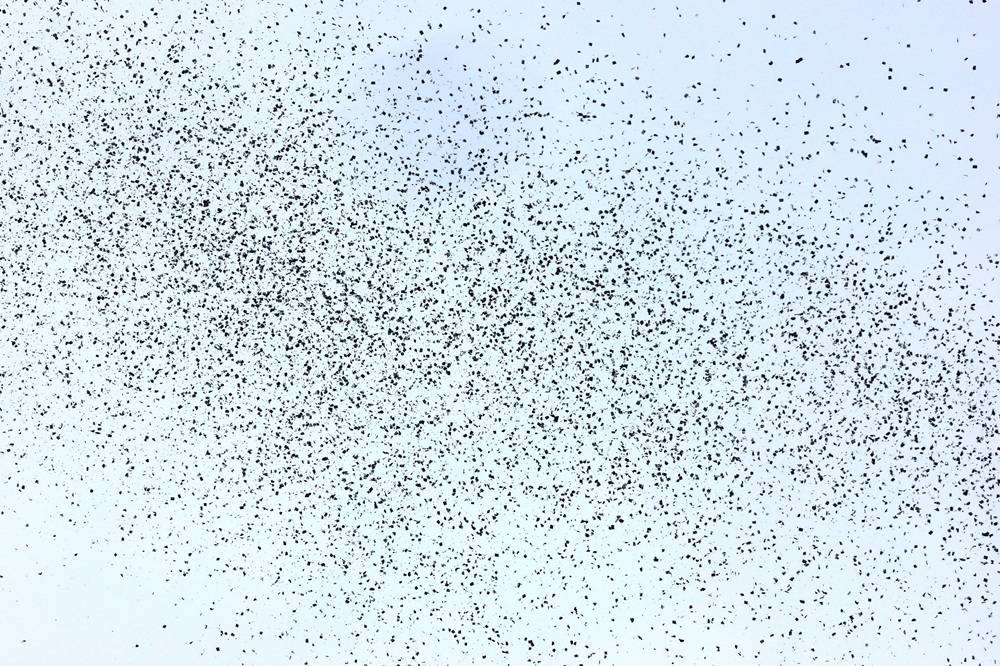
Israeli planes dropped propaganda leaflets over Beirut on Friday, causing loud booms.
One of the leaflets, addressed to the Lebanese people, said: "You must disarm Hezbollah, Iran's shield" and "Lebanon is your decision, not someone else's".