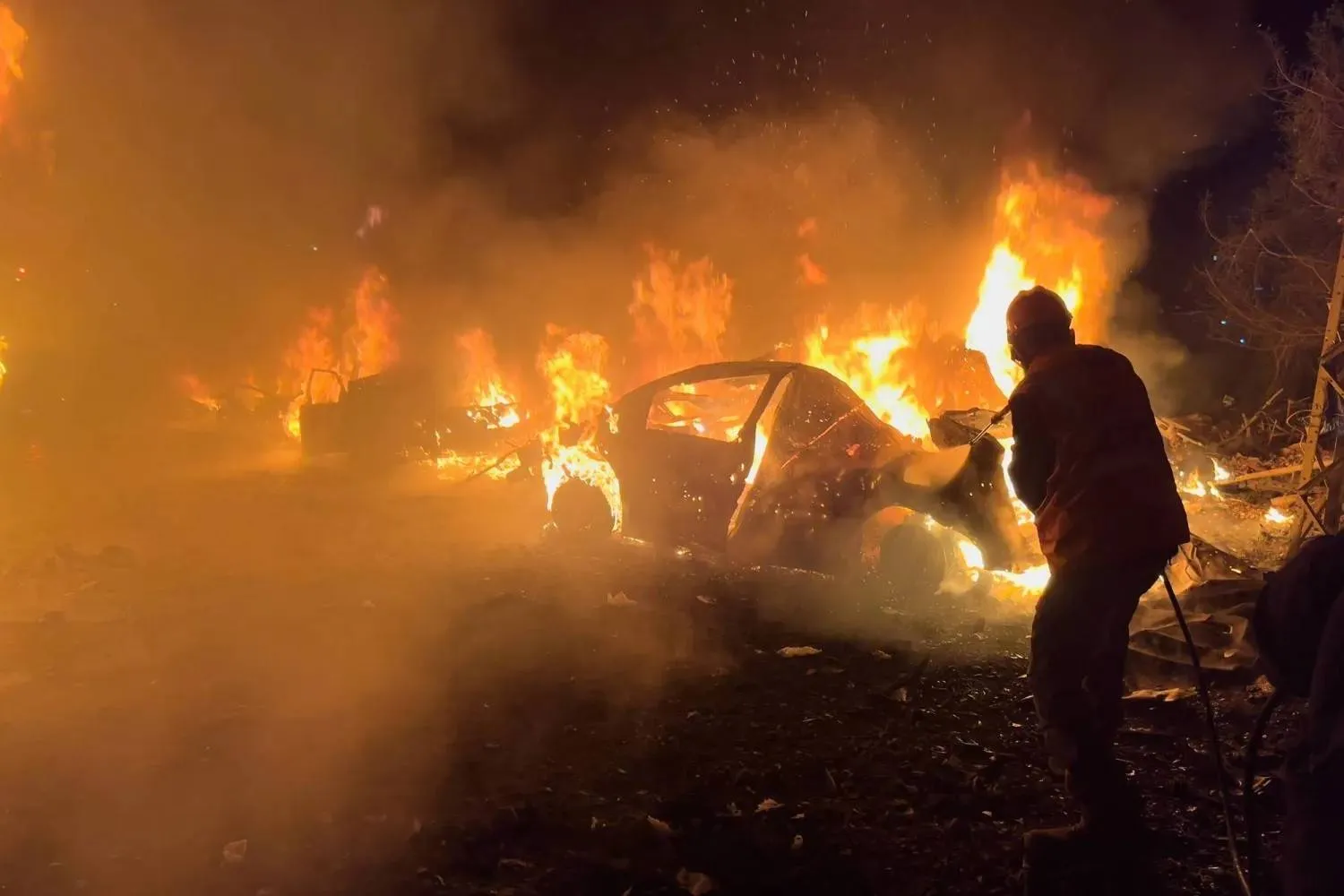

The assassination of senior Hezbollah commander Youssef Hashem at dawn on Wednesday has laid bare signs of security breaches the group had previously said it had resolved before the latest war.
It has also exposed a mix of advanced techniques and what sources describe as Israeli data originating from Iran, alongside the persistent role of human intelligence in tracking targets, security sources and experts told Asharq Al-Awsat.
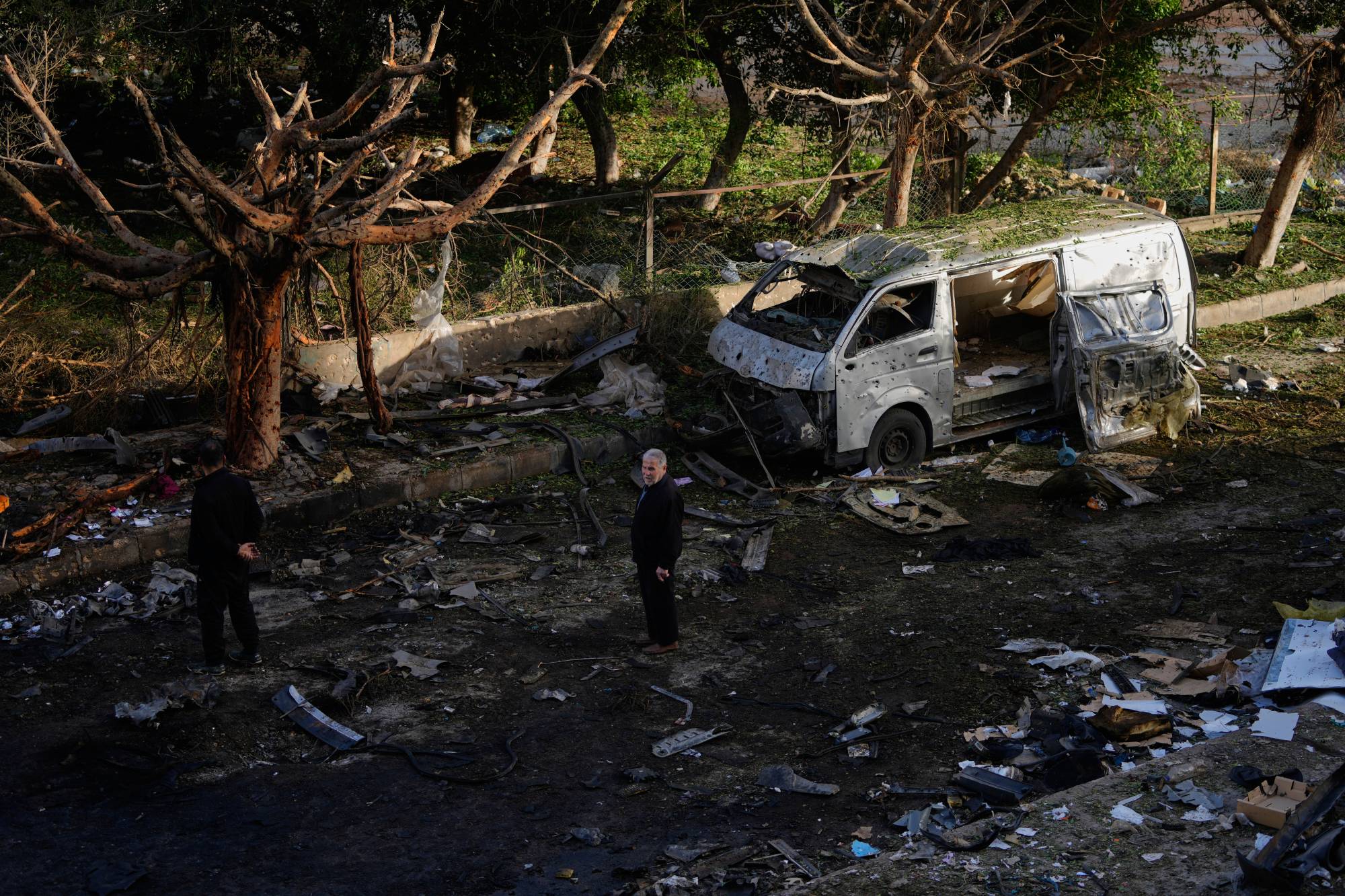
Since the war began on March 2, Israel has carried out a string of assassinations targeting Hezbollah and Revolutionary Guards commanders on Lebanese soil, most notably Hashem, who was killed in a missile strike on a parking garage in the Jnah area on the outskirts of Beirut.
Emerging security factors
Security sources tracking the killings and the pursuit of Hezbollah members said the major breach that existed before the previous war, which erupted in September 2024 and ended in November that year, appeared largely absent at the outset of the current conflict.
They attributed this to a set of changes. Hezbollah tightened security measures, shifted communication methods, evacuated headquarters and apartments, and abandoned communication devices altogether.
Newly appointed figures replacing assassinated leaders were largely unknown. Israel, meanwhile, was unable to rebuild the intelligence database it had compiled over the years in the short window between the two wars. It also diverted attention to gathering intelligence from Iran, reflecting a shift in priorities.
As a result, assassinations declined in Lebanon in the early phase of the war, despite limited breaches that still enabled targeted strikes on senior figures, including Hashem, whom Israel identified as Hezbollah’s southern region commander.
Non-Lebanese data sources
The sources said the most decisive factor in identifying targets lay in non-Lebanese data, pointing to an intelligence bank compiled from Iranian and Palestinian networks.
That pattern is reflected in the profiles and locations of those targeted.
Israel said on Monday it killed Hezbollah commander Ibrahim Rakin in a strike on an apartment in Beirut’s southern suburbs, describing him as the deputy commander of Unit 1800, responsible for supporting Palestinian militants and managing Hezbollah operations in countries neighboring Israel.
Israel also said it killed several Iranian figures in Lebanon, including two central commanders in the Lebanon Corps affiliated with the Quds Force of Iran’s Revolutionary Guards who were operating in Beirut, one of them in the Ramada Hotel in the Raouche area.
On March 11, the Israeli military said it had targeted Hisham Abdel Karim Yassin, describing him as a senior commander in Hezbollah’s communications unit and in the Palestine Corps affiliated with the Quds Force, the external arm of the Revolutionary Guards.
The sources said Israel’s Iran-based intelligence pool helped it track individuals inside Lebanon. Most targets maintained contact with Iranians, making them easier to trace through Iranian movements.
They added that Iranian figures killed early in the war were widely believed to have been carrying mobile phones, making them easier to locate and track, as were individuals linked to those handling the Palestinian file.
The pattern is not new. In the previous war, Hezbollah leaders were killed alongside Iranian figures, including a Revolutionary Guards official killed when Hezbollah Secretary General Hassan Nasrallah was assassinated, and another killed with Radwan force commanders on September 20, 2024, reinforcing indications that Israeli intelligence sources extend into Iran.
Another hypothesis suggests that Iranian, Palestinian, and Lebanese figures coordinating with them are compelled to use communication devices, exposing them to surveillance.
Foreign operatives also tend to move through populated areas with surveillance cameras, making them easier to track through camera infiltration.
The sources did not rule out human intelligence breaches, pointing to operatives working for Israel’s Mossad in Lebanon, Iran, or the Palestinian territories.
Separately, Israel said on Wednesday it killed the head of the engineering branch in the Lebanon Corps of the Quds Force in a strike in the Mahallat area in central Iran.
The Israeli military said its air force targeted engineer Mehdi Vafaei, who had led infrastructure projects in Lebanon and Syria for two decades.