
Disagreements between Lebanese President Joseph Aoun and Parliament Speaker Nabih Berri over negotiations with Israel have come to the surface as violence has continued despite a recently extended ceasefire between Israel and Hezbollah.
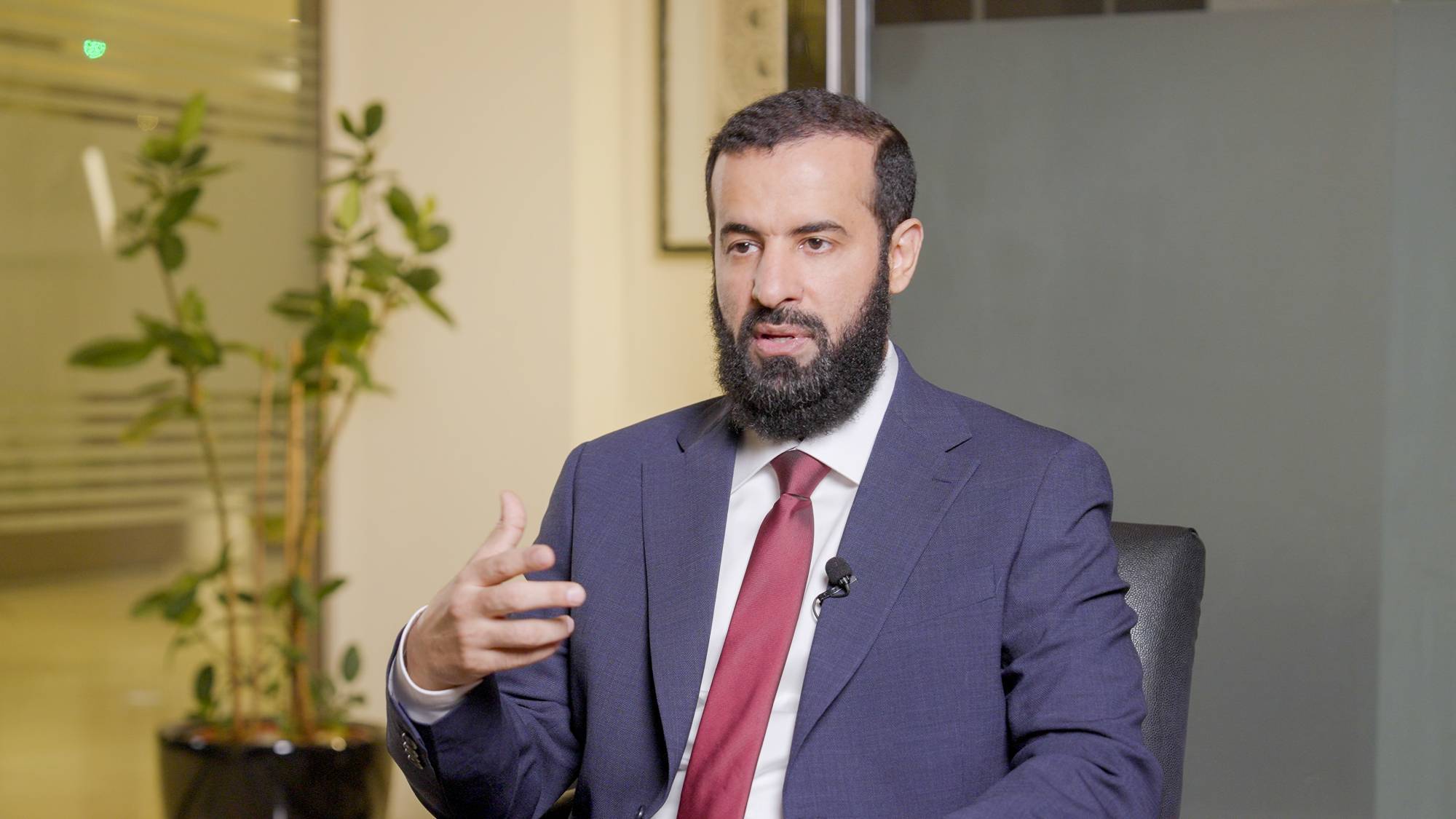
Aoun said Wednesday that he had coordinated all steps with Berri and Prime Minister Nawaf Salam. But Berri responded sharply, saying the president’s remarks were “inaccurate, if not otherwise.”
Aoun had said Israel must “understand that it must first fully implement the ceasefire before moving on to negotiations,” stressing that every step he had taken regarding talks “was coordinated and consulted on with Speaker Nabih Berri and Prime Minister Nawaf Salam, contrary to what is being reported in the media.”
Berri quickly pushed back in a statement: “With all due respect to the presidency and to what His Excellency the president is saying, the remarks attributed to him ... are inaccurate, if not otherwise - particularly regarding the November 2024 arrangement and the issue of negotiations.”
Aoun also said he was “making every possible effort to reach a solution far from violence and the bloodshed in the South,” adding that such a solution could be achieved through negotiations, “which are war without bloodshed.”
Amid mounting criticism over the decision to pursue direct negotiations with Israel, Aoun reiterated: “In every step I have taken, I was in coordination and consultation with Speaker Nabih Berri and Prime Minister Nawaf Salam, contrary to what is being reported in the media.”
He added: “As for the criticism that Lebanon, through the US statement issued after the trilateral talks in Washington, agreed to grant Israel the freedom to continue its attacks on Lebanon, I say that this wording appeared in a statement issued by the US State Department. It is the same text adopted in November 2024 and approved by all parties. It is a statement, not an agreement, because an agreement comes after negotiations are concluded.”
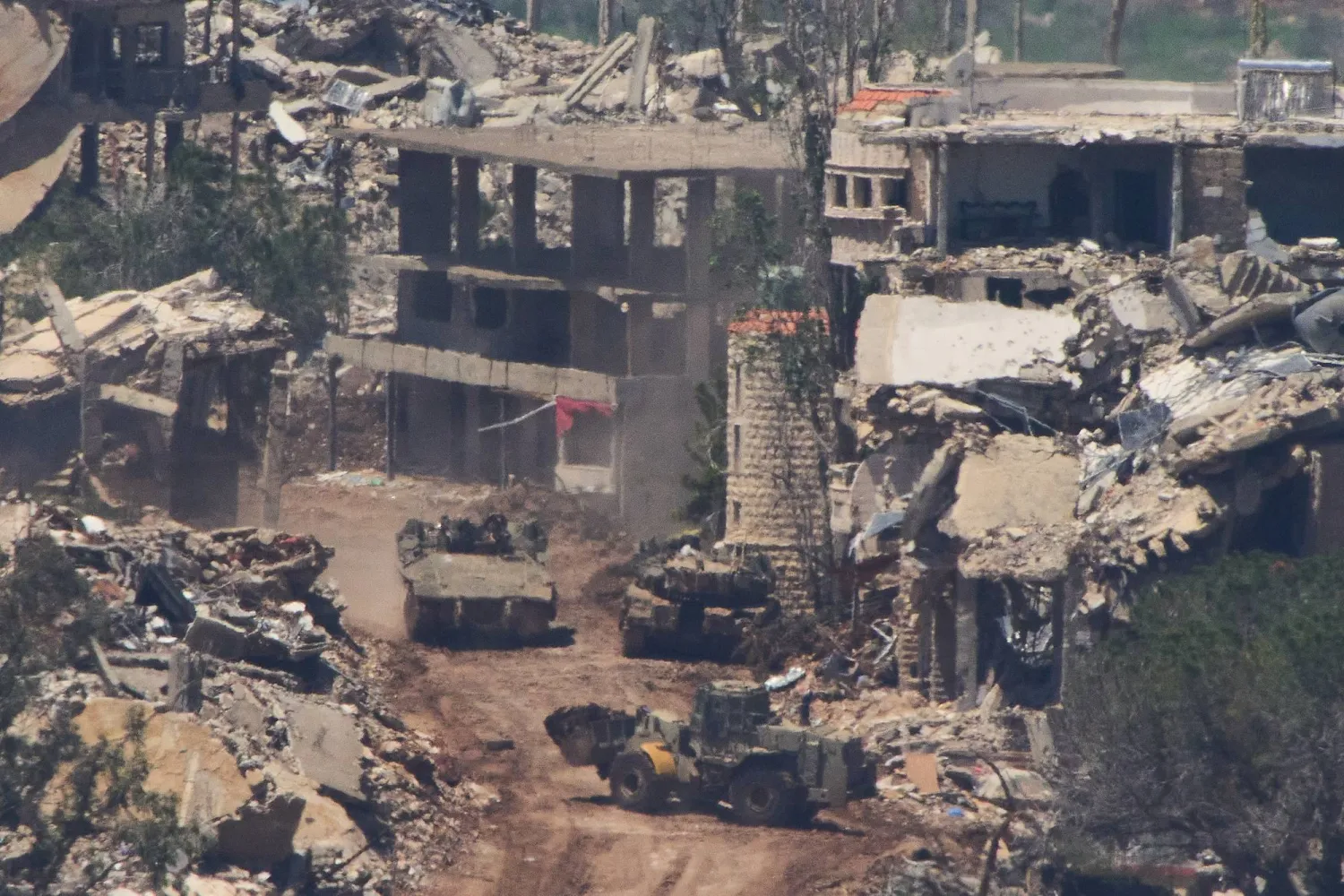
The Lebanese president stressed that if Israel believes it can achieve security through violations and the destruction of border villages, it is mistaken, noting that it has tried this approach before without success.
“The only thing that can protect the borders is when the Lebanese state, in full strength, is present throughout the entire south, up to the international border,” he underlined.
“Israel must definitively understand that the only path to security is through negotiations, but it must first fully implement the ceasefire before moving to negotiations.”
Aoun acknowledged “many difficulties” facing efforts to reach that goal, saying Lebanon is working to mitigate the consequences of Israeli attacks through intensive diplomatic contacts.
“It is unacceptable for Israeli attacks to continue after the ceasefire has been declared,” he said. “We are now awaiting the United States to set a date to begin negotiations. All European Union countries, along with Arab states, have supported our choice of negotiations. There is also broad consensus among the Lebanese people, especially in the south, on the need to end the war,” he added.
The president highlighted a positive development, saying that the Lebanon file is now on the desk of US President Donald Trump. “He holds a special regard for Lebanon and spoke highly, in a very moving way, about Lebanon and its people during our phone call. This is an opportunity we must seize to guide our country toward safety and peace,” Aoun said.
Hezbollah drew Lebanon into the Middle East war on March 2, and Israeli and Lebanese representatives have since met twice in Washington, the first such meetings in decades, for discussions that Hezbollah has categorically rejected.
After the first talks, Trump announced a 10-day ceasefire that began on April 17, and a three-week extension after the second round.
Israel has repeatedly bombed Lebanon, particularly the south, despite the truce, and has carried out demolitions of border villages inside a "Yellow Line" it established in southern Lebanon.
It said on Wednesday that it struck "approximately 20 command centers and military structures used by Hezbollah.”