




By Bahram Abdel-Monem
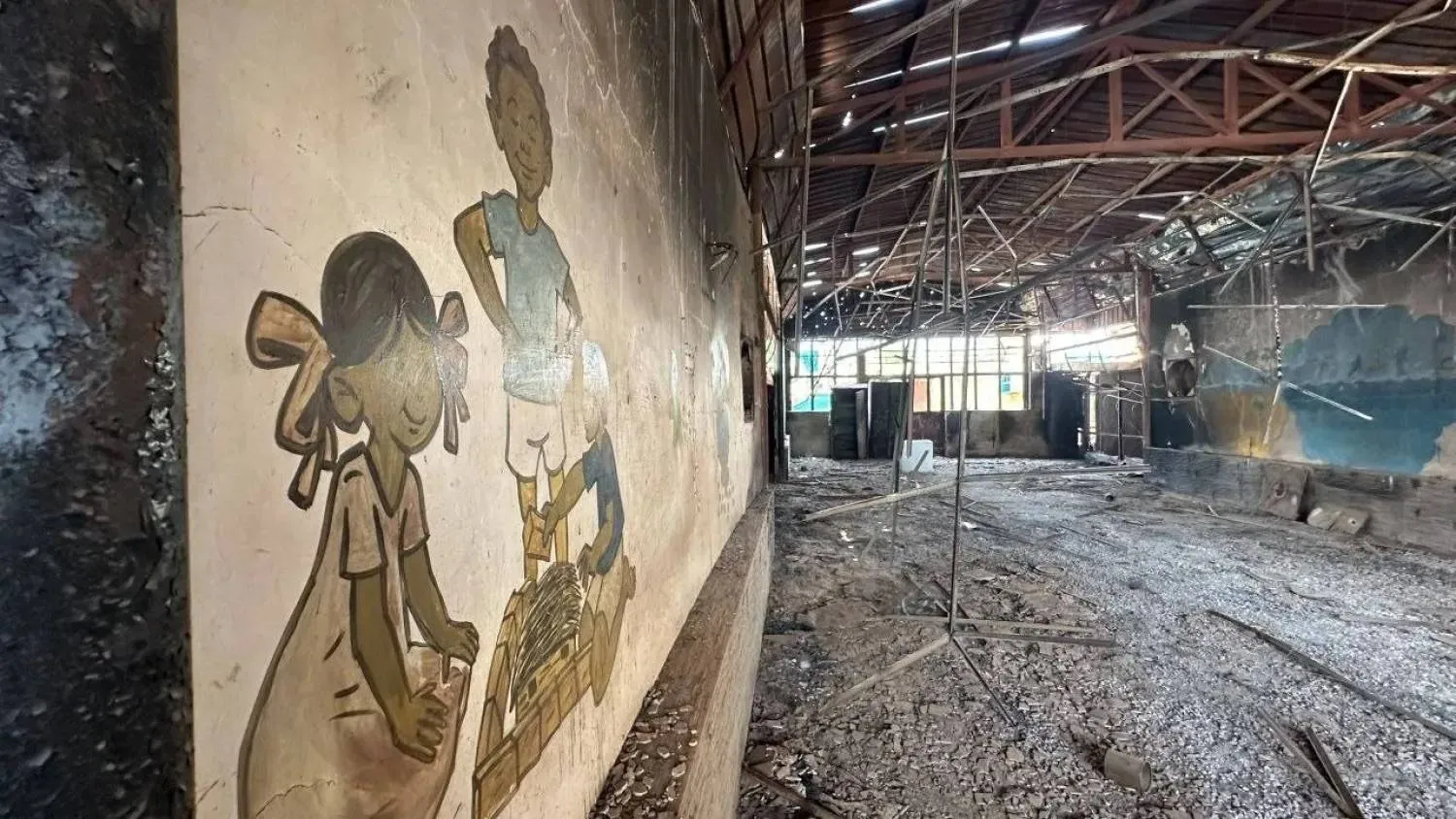
Sudan’s war has crippled basic services in the country and pushed institutions that once sheltered hundreds of children without parental care to the brink, with deaths among some of the country’s most vulnerable children mounting.
Faced with the crisis, the Khartoum state government has moved away from the institutional care model used for years and turned to family-based foster care as a safer, more sustainable alternative.
The closure of residential care facilities has put the foster-family system to a real-world test, raising a fundamental question: Can Sudan build a social protection system in which families, rather than institutions, become the first refuge for children without parental care while ensuring oversight and safeguarding their rights?
Tragic Conditions
Khartoum state Social Development Minister Siddiq Freni described the worsening plight of children without parental care amid the war, which left residential facilities facing dire conditions as hospitals shut down, electricity and fuel became scarce, funding dwindled and meningitis spread.
“At some points, the state was losing around 14 children a day, before the death toll reached 69,” Freni told Asharq Al-Awsat. Authorities evacuated 301 children to Wad Madani, the capital of Gezira state, with one dying en route. Some were subsequently placed with foster families in Gezira and Sennar states, while about 253 were transferred to Kassala state.
“Only 26 children remain today following the success of the family foster-care program,” he said.
Freni attributed the growing number of children without care to weakened oversight, deteriorating economic conditions, families’ declining ability to provide care and the spread of drugs. Residential facilities that once received children from across Sudan were destroyed, prompting the government, in coordination with international organizations, to adopt family-based foster care as an alternative.
He said the government had devoted about 80% of the state budget to caring for these children. Many were found at garbage dumps or abandoned sites, while some had been attacked by animals and required intensive medical and psychological care.
Rebuilding residential institutions under current conditions would amount to “suicide and collective failure,” Freni underlined, adding that foster-care programs in Gezira and Kassala had demonstrated their ability to provide stable family environments and ensure access to education, health care and proper upbringing.
Authorities now plan to designate hospital wards for abandoned children before placing them with foster families, with volunteer surrogate mothers and social workers involved in their care and follow-up.
Between six and seven cases of child abandonment are still recorded each week, Freni noted, adding that authorities continue to work with international partners and draw on UNICEF recommendations to strengthen protection policies.
“The biggest challenge is limited resources, not a lack of will,” he stated.
Birds of Paradise
Ali Jabay, a volunteer with the Social Welfare Ministry and Al Nao Hospital who founded the Birds of Paradise initiative for children without parental care, said Sudan began shifting from temporary residential care toward foster families in 2004.
The war accelerated that transition after facilities for children without parental care ceased operating.
“In the past, a child would remain at a care home for about two months. Now, the child moves to a permanent family within roughly a week, after social assessments and checks on the family’s eligibility are completed,” Jabay told Asharq Al-Awsat.
His initiative provides milk, clothing, diapers and medical treatment, while recommending prospective foster families and arranging volunteer caregivers to look after children until placements are completed.
A Test for Society and the State
Social researcher Randa Hassan said foster care can provide greater stability but stressed that prospective families must undergo rigorous assessments to ensure they can provide a safe environment, education, care and psychological security.
Oversight should continue after placement through regular and unannounced visits, she stressed. Social workers should also interview children separately from foster families to identify potential signs of abuse or neglect.
Some families may meet requirements during the assessment process but later exploit children or fail to provide adequate care, making continued monitoring essential and, when necessary, allowing children to be transferred to another family.
Despite the program’s success, the crisis persists. Children continue to be found each week at garbage dumps and abandoned sites, reflecting the profound collapse of Sudan’s social protection institutions.
The challenge now is to move beyond emergency measures and build a sustainable system guaranteeing every child protection, belonging and a dignified life — a test not only of their future, but of society and the state’s ability to protect their most vulnerable amid one of the gravest humanitarian crises in modern Sudanese history.


