



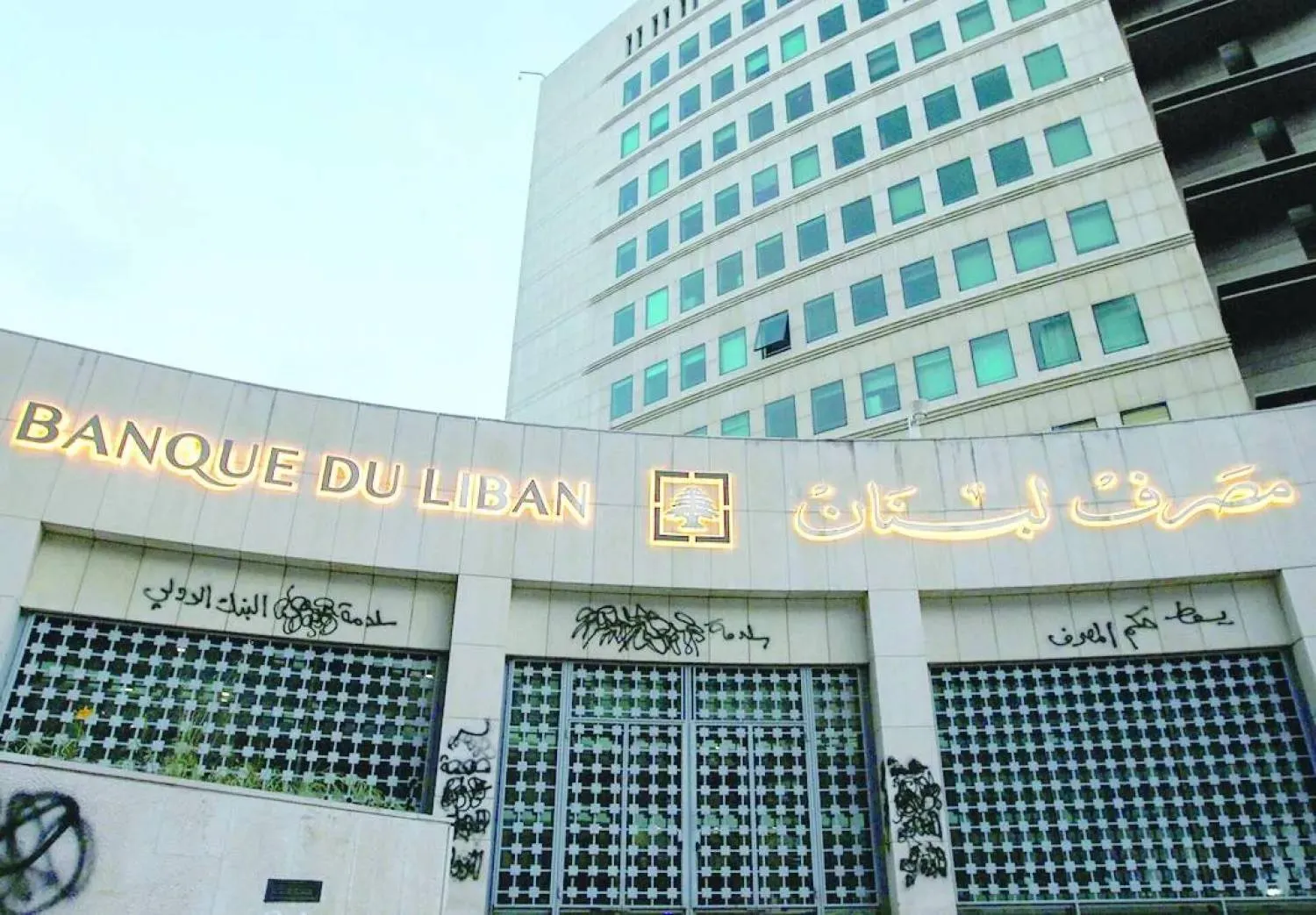

Lebanon’s central bank has revoked the local license of Bank Saderat Iran, one of Iran’s largest banks, as Washington intensifies pressure on countries to sever commercial ties with Tehran.
Banque du Liban Governor Karim Souaid told Bloomberg that the decision, taken this week, was intended to demonstrate Lebanon’s determination to protect its banking sector from institutions that could expose it to financial and regulatory risks.
The move follows tighter restrictions imposed on Iran’s financial system by other regional central banks and coincides with mounting US pressure worldwide, according to the governor.
Bank Saderat is one of Iran’s oldest commercial banks, with several branches overseas. In Lebanon, however, it did not operate as a full-scale commercial bank serving the general public or offer the extensive retail banking services typically provided by major Lebanese lenders.
Its operations were largely confined to facilitating certain transfers and financial activities linked to specific networks or entities.
Sanctions targeting Iranian institutions had effectively isolated the bank from major international banking messaging networks, including SWIFT, and global payment systems.
Washington is pursuing a campaign to isolate Iran economically in an effort to force Tehran to accept US terms for ending the war.
Last month, Britain announced it would reject new license applications from Iranian banks subject to US sanctions, including Bank Saderat, which operates a branch near the Bank of England in London’s financial district.
Avoiding financial risks
Speaking on the sidelines of the International Monetary Fund’s annual meetings in Bangkok, Thailand, Souaid noted that larger economies, including the United Arab Emirates and Türkiye, had complied with similar demands to preserve their banks’ ties to the international financial system".
He stressed that Lebanon could not afford the risks associated with failing to take such measures.
The governor acknowledged that some decisions could be politically sensitive but maintained that protecting Lebanon’s banking sector from foreign sanctions and external pressure must take priority.
Souaid also emphasized the need for Lebanon to secure its removal from the Financial Action Task Force’s (FATF) gray list, where it was placed over shortcomings in combating illicit financial flows.
He called for eliminating illicit funds and money-laundering proceeds from the Lebanese economy.
The central bank has hired a specialized US firm to map Lebanon’s cash economy and identify suspicious financial activity, according to the governor.
For years, Bank Saderat and its operations had faced scrutiny from international financial authorities, particularly the US Treasury Department, which regarded it as a potential financial conduit for regional groups such as Hezbollah.
Despite that pressure, its Lebanese branch maintained a legal presence under a longstanding license issued by Banque du Liban, even as Washington repeatedly called for its closure and the complete severing of its financial channels.
IMF negotiations
Lebanon is seeking to revive its economy after a financial collapse that led it to default on approximately $30 billion in international bonds in 2020.
The country is holding talks with the IMF over a potential loan, seen as a crucial step toward economic recovery.
Souaid described efforts to clean up the financial sector as an important issue in those negotiations.
Although such measures are not among the IMF’s formal conditions for a potential support package, he explained that international lenders and donors participating in any program would nevertheless expect Lebanon to maintain a financial sector free of illicit activity.


