
Report: Multi-Level Partnerships a Safeguard for Gulf Security

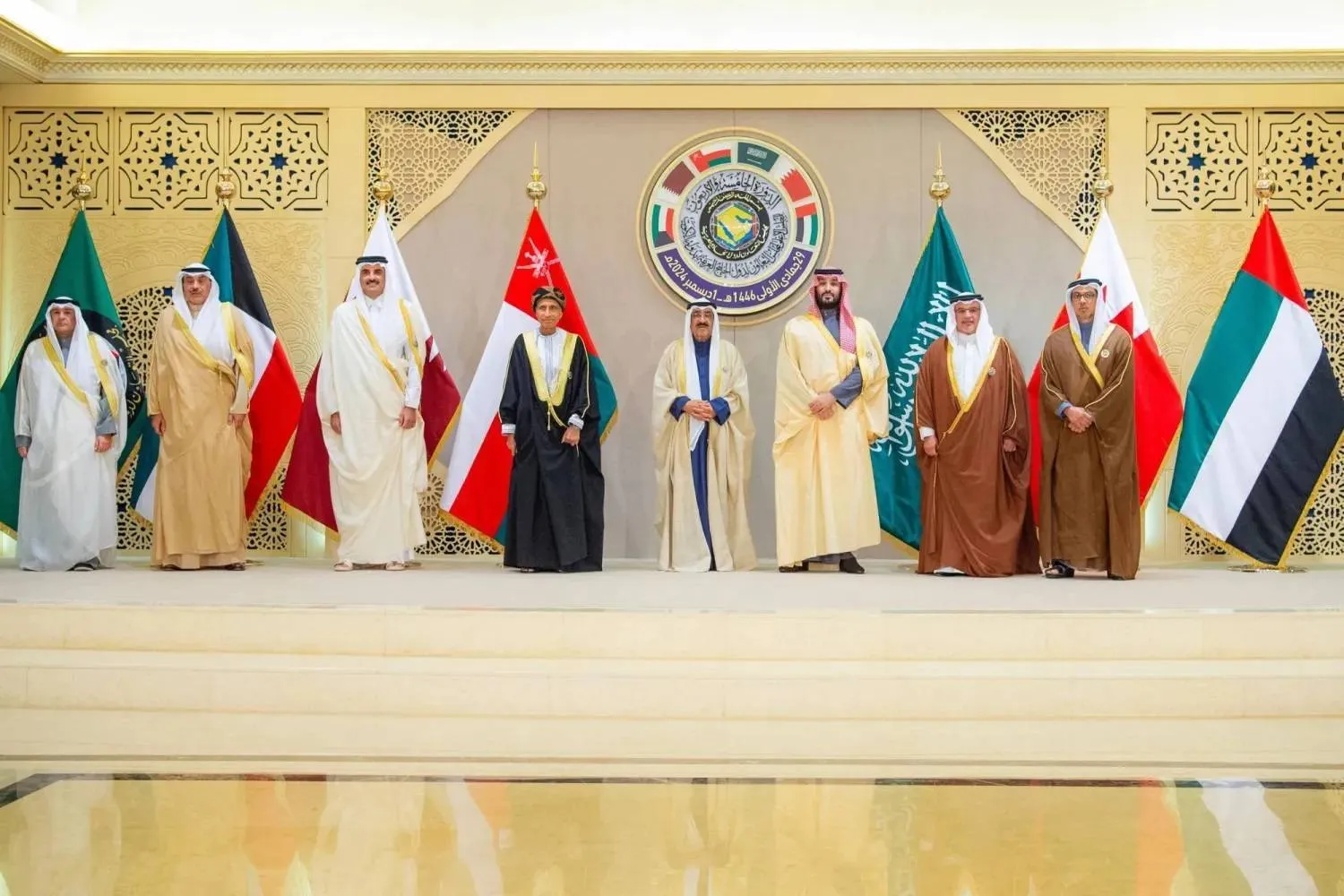
Gulf leaders in a group photo during the Gulf Cooperation Council summit in Kuwait in 2024 (SPA).
TT

Report: Multi-Level Partnerships a Safeguard for Gulf Security

Gulf leaders in a group photo during the Gulf Cooperation Council summit in Kuwait in 2024 (SPA).

A recent analytical report says Gulf states are well positioned to play a larger role in shaping the regional security architecture in the aftermath of the war against Iran by adopting a multi-level security approach that combines greater self-reliance with broader international partnerships.

The report, prepared by Ambassador Alessandro Minuto-Rizzo, President of the NATO Defense College Foundation and former Deputy Secretary General of the North Atlantic Treaty Organization (NATO), was published by the Gulf Research Center in Jeddah. It says partnership with NATO represents an important avenue for developing Gulf defense capabilities, offering opportunities to benefit from the alliance's accumulated military and operational expertise while enhancing strategic dialogue and exchanges in the fields of security and defense.

Multi-Level Approach

Minuto-Rizzo argues that the next phase will require Gulf states to adopt a multi-level security strategy based on diversifying partnerships and strengthening self-reliance, while maintaining strategic ties with the United States and expanding engagement with Europe and NATO.

He says Gulf countries handled the war against Iran with considerable political prudence, seeking to avoid being drawn into military confrontation despite coming under attack and sustaining direct damage. He notes that Gulf states have in recent years continued a policy of diplomatic opening toward Tehran.

The President of the NATO Defense College Foundation points to the restoration of Saudi-Iranian relations through Chinese mediation and notes that Gulf states sought to de-escalate tensions following the outbreak of the war while strengthening contacts with potential security partners such as Pakistan, Egypt and Türkiye.

In his report, published in Views on the Gulf, a journal of the Gulf Research Center, he argues that the Gulf states' decision not to respond directly with military force to Iranian attacks was not a sign of weakness. Rather, it reflected a deep political understanding of the risks of widening the conflict and turning it into a full-scale regional war with consequences that could prove difficult to contain.
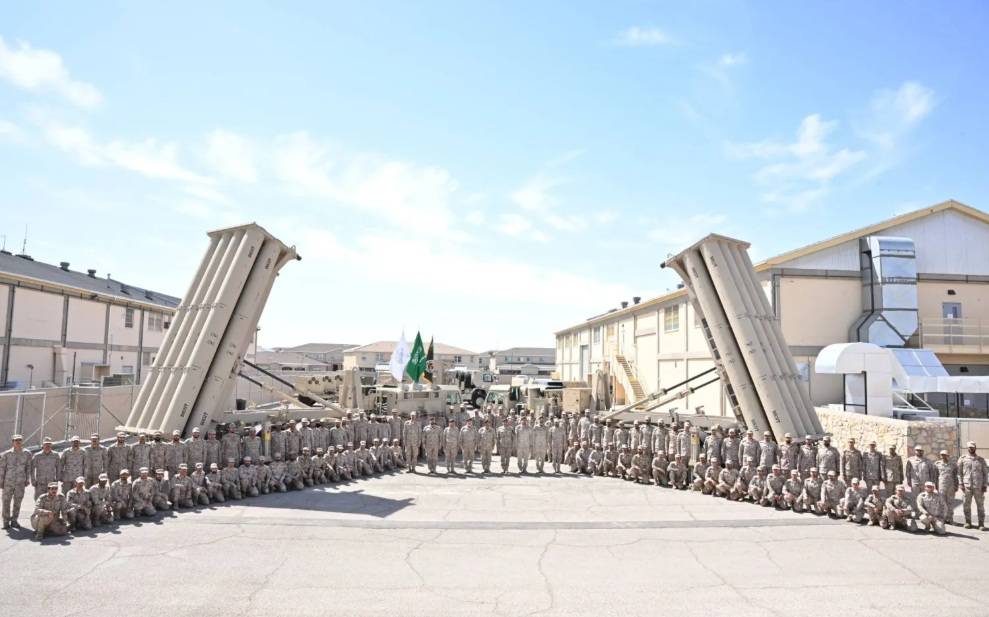
A Saudi Royal Air Defense Forces company during a graduation ceremony at Fort Bliss, United States (Ministry of Defense).

The US Role in the Region

According to Minuto-Rizzo, the United States remains the cornerstone of Gulf security despite growing debate over the past two decades about the nature of Washington's role in the region. In this context, he recalls discussions within NATO at the beginning of the century, in which he participated, regarding the Gulf's importance as a strategic partner, stressing that the region has remained firmly on Washington's security agenda.

At the same time, he says the recent war exposed the limits of some traditional assumptions about deterrence. He argues that one reason for the shortcomings exposed by the crisis was the United States' decision to enter a war against Iran that proved more complex than initially anticipated.

Nevertheless, the ambassador does not expect any significant reduction in the US presence in the Gulf given the region's strategic importance, although US-Israeli relations could see more visible divergences on certain issues in the future.
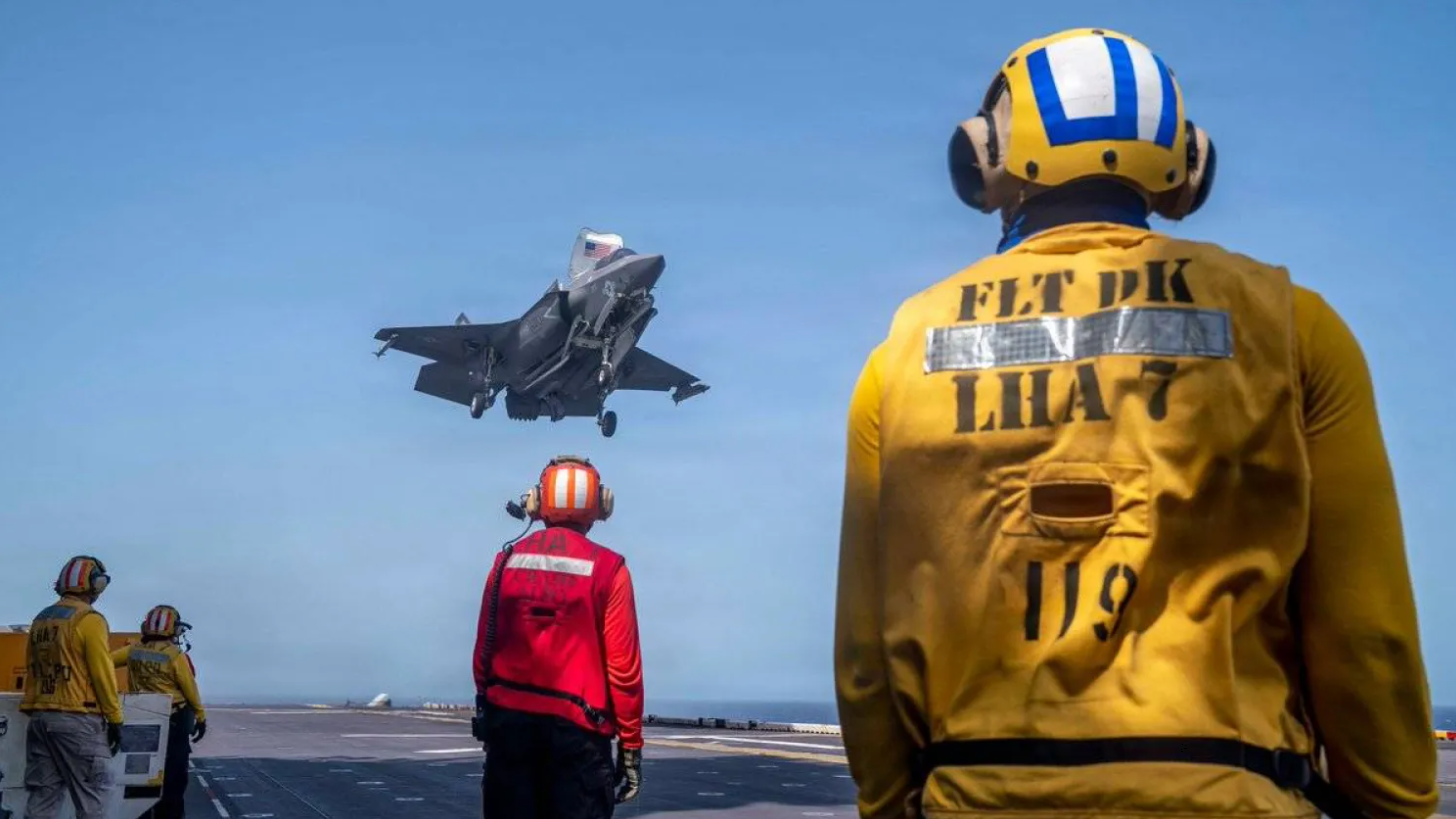
US sailors watch a US Marine Corps F-35B stealth fighter land (CENTCOM).

Lessons Learned

The President of the NATO Defense College Foundation believes one of the key lessons of the war is the need to establish clear political and strategic objectives before engaging in any military confrontation. He warns against underestimating Iran as a regional power that will remain an influential actor regardless of the war's outcome.

As for the future of regional security, the former NATO official argues that a multi-level security approach represents the most realistic option for Gulf states, particularly if members of the Gulf Cooperation Council succeed in strengthening security and military integration.

"Security partnerships do not fully align in terms of objectives and interests, but diversifying them helps build a stronger safety net capable of addressing challenges," he says.
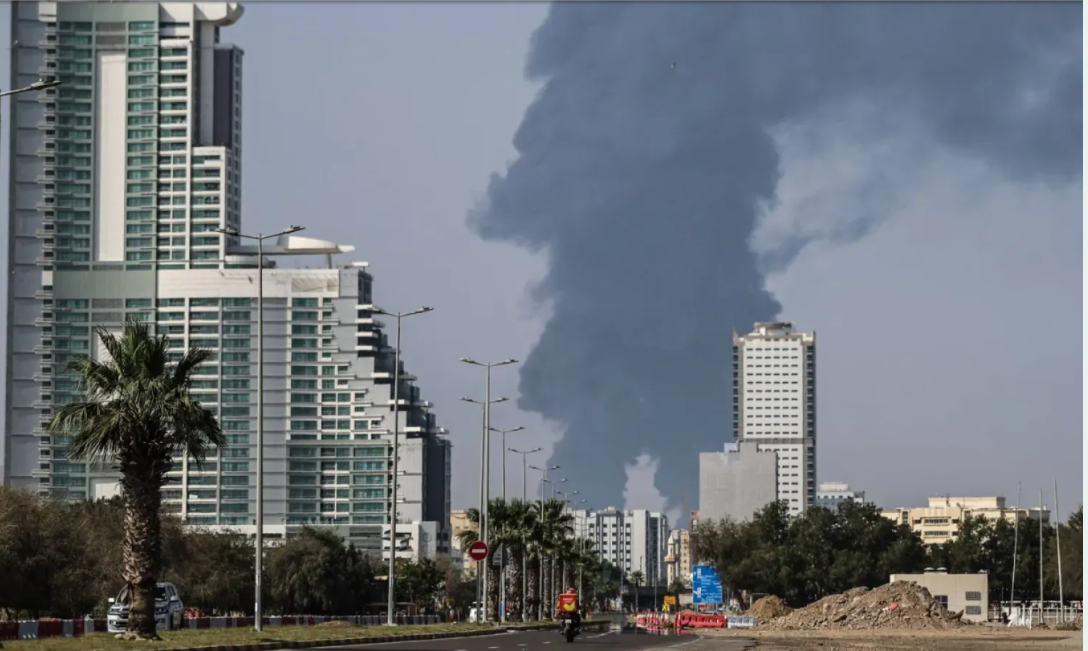
Smoke rises above the UAE emirate of Fujairah after earlier Iranian strikes (AFP).

Minuto-Rizzo argues that NATO provides an advanced institutional framework for security cooperation that goes beyond traditional bilateral relationships, citing the Istanbul Cooperation Initiative as a mechanism that offers broad opportunities for training, coordination and capacity-building between the alliance and Gulf countries.

He says renewing partnership with NATO could open significant opportunities for Gulf states, particularly Saudi Arabia, to benefit from the alliance's accumulated military and operational expertise while also enhancing strategic dialogue and consultation between military and political leaders, helping anticipate crises and prevent their escalation.

Minuto-Rizzo also stresses the importance of strengthening Europe's presence in the Gulf, arguing that Europe can make a meaningful contribution to regional security and stability through balanced partnerships based on shared interests rather than purely military considerations.

The President of the NATO Defense College Foundation concludes that the most important message for Arab states is the need to take control of their strategic decision-making and overcome divisions that have weakened the region for decades. Building a stable security architecture, he says, requires combining self-reliance with diversified international partnerships in a way that ensures balance and stability in a region that continues to face complex and constantly evolving challenges.

Two US AH-64 Apache attack helicopters fly over the Strait of Hormuz (CENTCOM).


Saudi Industry Minister Discusses Mining Investment Opportunities with Kazakh Companies

Saudi Minister of Industry and Mineral Resources Bandar Alkhorayef held a series of bilateral meetings in Astana on Friday with leaders of several Kazakh mining and metals companies. (SPA)
TT

Saudi Industry Minister Discusses Mining Investment Opportunities with Kazakh Companies

Saudi Minister of Industry and Mineral Resources Bandar Alkhorayef held a series of bilateral meetings in Astana on Friday with leaders of several Kazakh mining and metals companies. (SPA)

Saudi Minister of Industry and Mineral Resources Bandar Alkhorayef held a series of bilateral meetings in Astana on Friday with leaders of several Kazakh mining and metals companies, in the presence of Vice Minister for Mining Affairs Eng. Khalid Almudaifer, the Saudi Press Agency reported.

Discussions focused on opportunities for cooperation in the mining sector, particularly in strategic minerals and rare earth elements. The talks also covered mineral exploration, geological surveying, and sustainable mining.

Participants included representatives of Tau-Ken Samruk National Mining Company, KAZ Minerals, and Kazatomprom.

The meetings are part of the Kingdom’s efforts to strengthen international partnerships and attract high-quality investments in the mining and minerals sector, in line with the goals of Saudi Vision 2030.


SpaceX Leveraged Fund Providers Hit by Day-one Launch Setback, Sources Say

The SpaceX logo and a rising stock graph in this illustration, taken June 11, 2026. REUTERS/Dado Ruvic/Illustration
TT

SpaceX Leveraged Fund Providers Hit by Day-one Launch Setback, Sources Say

The SpaceX logo and a rising stock graph in this illustration, taken June 11, 2026. REUTERS/Dado Ruvic/Illustration

Asset managers eager to roll out leveraged exchange-traded funds tied to SpaceX on its first trading day have been told to delay the launch until Monday, four sources familiar with the matter said.

The setback denies speculators and traders a chance to capture what many expect could be a strong first-day pop in the shares of the blockbuster IPO, while managers will have to wait for the influx of capital into their products, Reuters said.

"We had really wanted to be out on Friday," said Matt Markiewicz, head ‌of product and ‌capital markets at Tradr ETFs, declining to comment on the ‌delay. ⁠The firm's 2x ⁠long and 2x short ETFs will now debut Monday on Cboe Global Markets .

"There is a lot at stake; these products could end up holding a total of more than $10 billion" in assets, Markiewicz added.

Asset managers seeking SEC approval to launch the ETFs had hoped to trade in lockstep with SpaceX's market debut, several of the issuers said.

Instead, exchanges told them on Wednesday the listings would need to be pushed to the first trading day following ⁠the IPO, according to four sources. The exchanges cited SEC concerns ‌that coupling the ETF launches with leveraged products could complicate ‌the SpaceX debut, three sources said.

The SEC did not respond to requests for comment. ‌A spokesman for the Nasdaq Stock Market, which will be home to the SpaceX IPO ‌as well as some of the ETFs, declined comment. Cboe Global Markets and the New York Stock Exchange could not immediately be reached for comment.

While there is no precedent for leveraged funds - introduced in the US less than four years ago and surging in number over the past ‌12 months - to launch alongside an underlying stock, asset managers had hoped to gain an edge in what analysts say could be ⁠a multibillion-dollar race ⁠for assets in the first weeks of trading.

"There are billions at stake in the first few weeks alone," said Todd Sohn, an ETF analyst at Strategas.

Major players in the leveraged stock arena, including Direxion, GraniteShares, ProShares and Defiance, plan to roll out 2x leveraged long ETFs as soon as they are permitted to do so, according to their filings and advertisements on investment forums and social media sites.

"Investors will have multiple options; they will be able to get SpaceX exposure because of early entry on the part of passive index providers, or through the stock itself, or through the leveraged (ETF) ecosystem, which adds up to a pretty robust mechanism for price discovery," said Simeon Hyman, global investment strategist at ProShares.

He said his firm had no plans to launch early and was comfortable waiting until Monday. "The intent of everybody is to have this (IPO) work smoothly."


Türkiye Central Bank Commits to Continued Disinflation Path

 A man carries goods on his shoulder on a hot day in Istanbul, Wednesday, June 3, 2026. (AP)
A man carries goods on his shoulder on a hot day in Istanbul, Wednesday, June 3, 2026. (AP)
TT

Türkiye Central Bank Commits to Continued Disinflation Path

 A man carries goods on his shoulder on a hot day in Istanbul, Wednesday, June 3, 2026. (AP)
A man carries goods on his shoulder on a hot day in Istanbul, Wednesday, June 3, 2026. (AP)

Turkish Central Bank Governor Fatih Karahan said on Friday that price stability remains the top priority and that the disinflation process will continue despite recent ‌geopolitical tensions.

The ‌governor said ‌policy ⁠tools and strong ⁠reserves provide the means to sustain disinflation, and that a rebalancing in domestic demand is ⁠expected to continue ‌supporting ‌the process.

Governor said ‌the central bank ‌will continue to monitor all factors affecting the inflation outlook.

Loan ‌growth is moving toward a more ⁠balanced ⁠path, the governor said, citing the latest policy measures.

Strong reserves alongside policy tools act as buffers against geopolitical risks to disinflation.