
Saudi Arabia is leading fundraising in the region, accounting for over 60% of all Middle East-based funds closed since 2015, a sign of the Kingdom's growing role as a destination for private investment, alongside a broader regional shift from being merely a source of capital to becoming a market that attracts investment and redeploys it domestically.
BlackRock's Aladdin released on Tuesday “Market Evolution: The Middle East,” a new report examining the region's shift from a source of global private markets capital to a destination for private capital deployment.
The report says Saudi Arabia’s economic transformation programs, growing infrastructure investments, and advancing institutional capabilities are driving the expansion of the Kingdom’s private capital market. At the same time, investor appetite for technology, infrastructure, and other sectors continues to grow.
Saudi Arabia’s leadership in capital fundraising has been accompanied by an accelerating pace of domestic capital deployment.
According to the report, “Saudi Arabia's Public Investment Fund has accelerated domestic deployment, overtaking rest-of-world direct deal activity in the Middle East deals in 2023 and has extended that lead since.”
This shift reflects a broader trend toward building a local market capable of absorbing a larger share of investment capital. In 2024, Larry Fink, Chairman and CEO of BlackRock, stated that BlackRock Riyadh Investment Management Platform, launched in partnership with PIF, aims to elevate Saudi Arabia’s capital markets and attract greater foreign institutional investment.
He noted that the ambition extends beyond connecting global investors to Saudi Arabia; it also includes “bringing capital back to Saudi Arabia.”
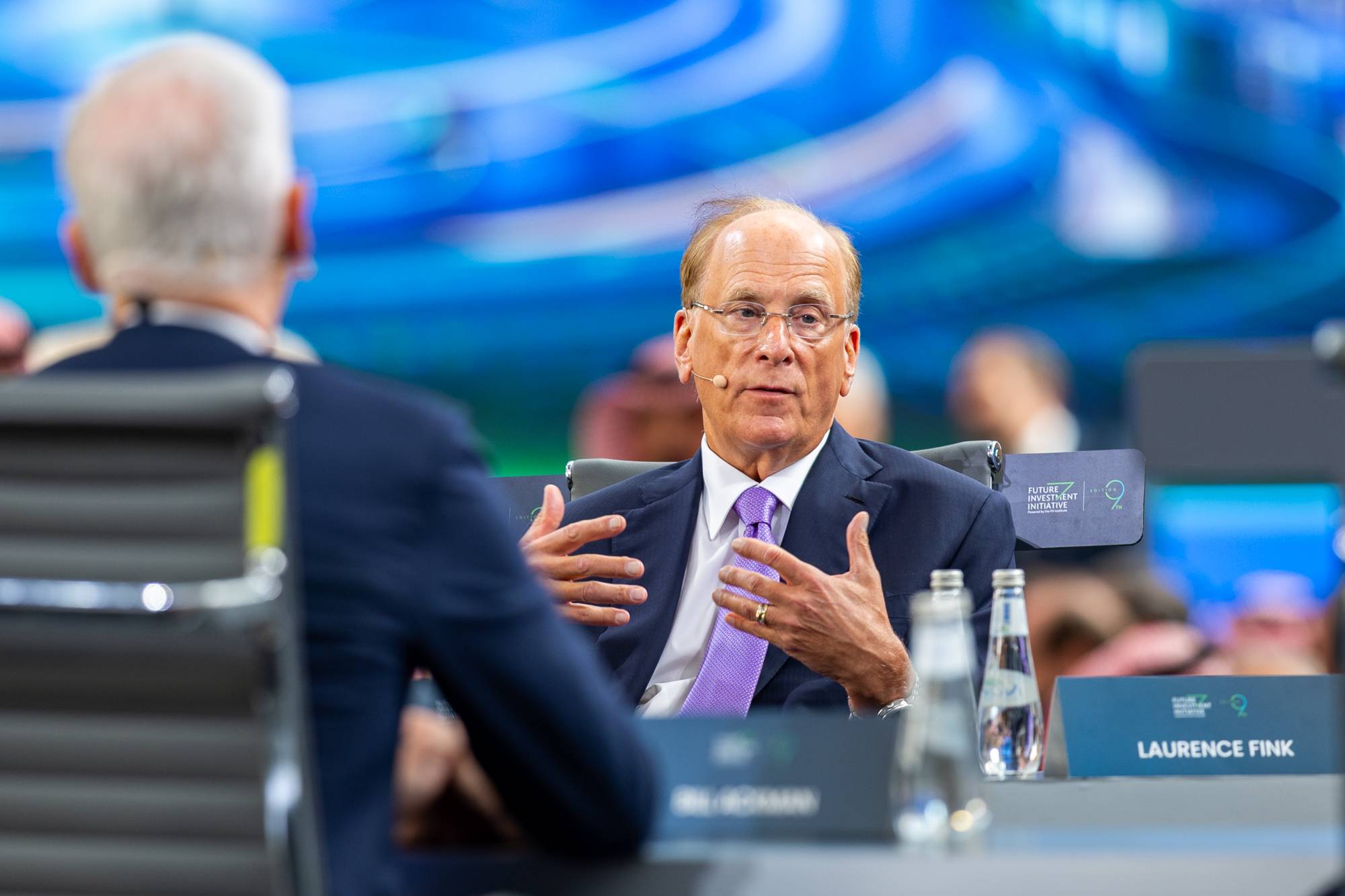
Fink later highlighted the development of local capital markets as a central theme in his discussions with regional leaders. He emphasized that BlackRock’s partnership with PIF was designed to encourage investment and strengthen the Kingdom’s capital markets.
These developments coincide with growing interest among major investors in the region in private assets. “Middle East sovereign wealth funds tracked by Preqin allocate 43% of their exposure to private capital, compared with 35% for their rest-of-world peers, and appetite continues to build,” said the report.
“The share of Middle East LP investors positive on or considering private equity mandates has climbed from 70% in 2019 to 83% in 2026. Among LP investors elsewhere in the world, that figure has moved only marginally over the same period, from 60% to 61%, showing regional conviction is growing well ahead of the global baseline,” it added.
Managing Director and Head of Aladdin Business Development for the Middle East, Central Asia, Africa and India Ayman Daif said: "The direction of travel in the region points to a structural shift: capital is increasingly being deployed at home, and the institutions and ecosystems are being built around it.”
"The next phase of growth will be shaped by continued collaboration between sovereign wealth funds, family offices and global investment managers, alongside broader adoption of technology and data-driven investment approaches,” he stated.
"This comes as BlackRock Investment Institute research suggests GCC countries will invest about $2.1 trillion by 2030, with spending focused on making economies more resilient to disruptions in trade, shipping and energy markets,” Daif added.
The report identifies Saudi Arabia and the UAE as the region's leading private capital markets, supported by economic transformation programs, expanding infrastructure investment and growing institutional sophistication, with centers such as Kuwait also increasing activity.
The report’s findings also highlight the growing importance of infrastructure and digital infrastructure investment. Regional investors cite opportunities across energy, utilities, transport, data centers and artificial intelligence-related infrastructure as key drivers of future growth.
Family offices are also playing an increasingly important role in the region's investment ecosystem. The report finds family offices now account for nearly half of active private capital investors in the Middle East, with private equity representing their largest area of investment interest.
GCC family offices tilt toward private equity at 27% of future search mandates, ahead of real estate at 19%, private credit at 16%, infrastructure at 14%, hedge funds at 13%, and natural resources at 11%.
As an indication of the resilience of the region’s venture capital market amid a more challenging global funding environment, aggregate Middle East VC deal value averaged $2.4 billion per year between 2021 and 2025, holding steady throughout the period.
Add-ons have also risen from 20% of total buyout deal activity in 2020 to 46% in 2025, reflecting the growing use of this strategy to expand companies and existing investment platforms.
“Market Evolution: The Middle East” draws on Preqin Pro data as of June 2026, covering funds closed in the Middle East since 2015 and private capital deal activity since 2020.
The report also draws on preliminary results from Preqin's upcoming Middle East Investor Survey, which had captured responses from 26 regional investors and remained open at the time of publication, alongside interviews with BlackRock leaders across the region.