
US Changes How It Categorizes People by Race and Ethnicity in First Revision in 27 Years

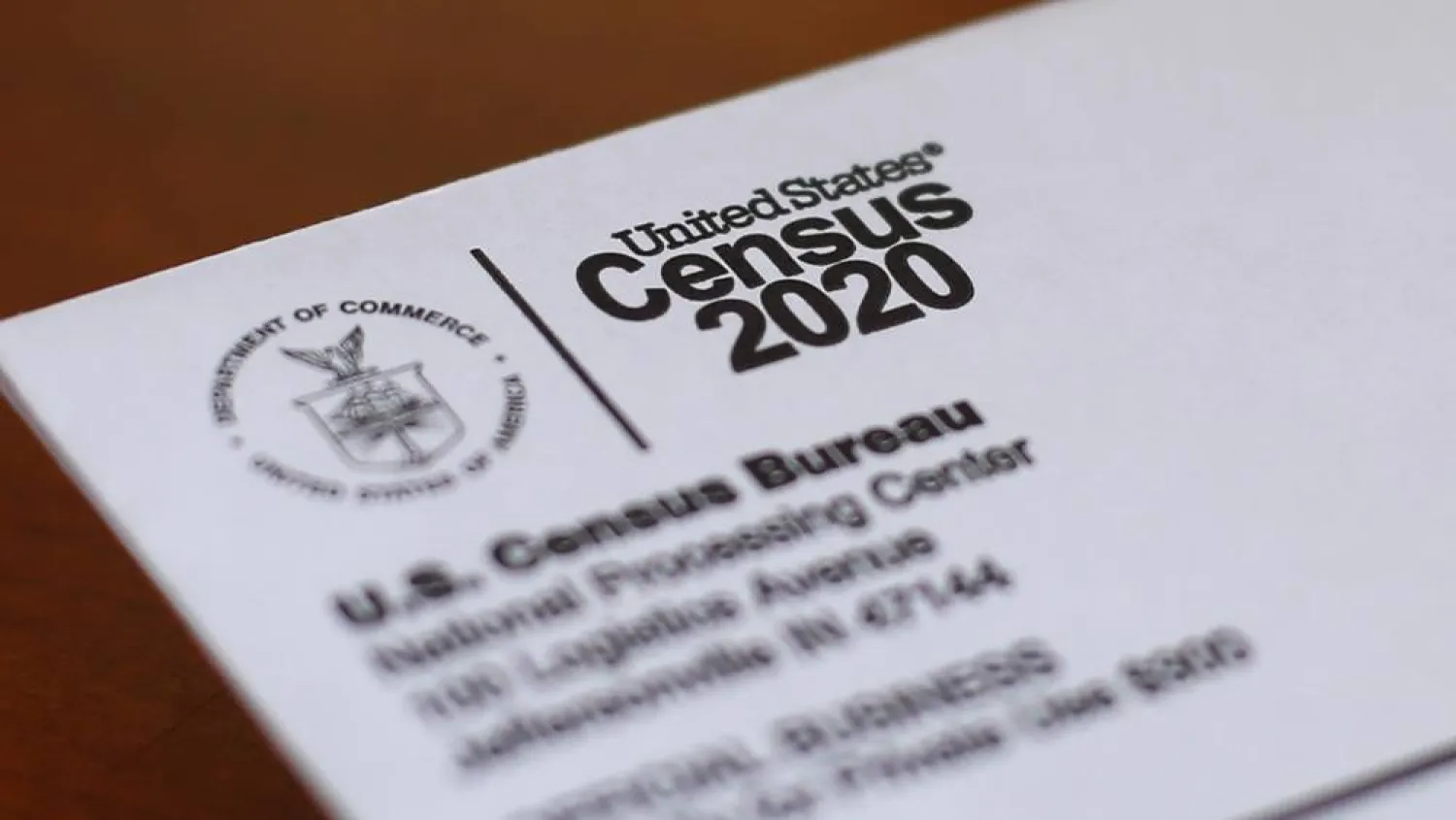
An envelope containing a 2020 census letter mailed to a US resident is seen, April 5, 2020, in Detroit. (AP)
TT

US Changes How It Categorizes People by Race and Ethnicity in First Revision in 27 Years

An envelope containing a 2020 census letter mailed to a US resident is seen, April 5, 2020, in Detroit. (AP)

For the first time in 27 years, the U.S. government is changing how it categorizes people by race and ethnicity, an effort that federal officials believe will more accurately count residents who identify as Hispanic and of Middle Eastern and North African heritage.

The revisions to the minimum categories on race and ethnicity, announced Thursday by the Office of Management and Budget, are the latest effort to label and define the people of the United States. This evolving process often reflects changes in social attitudes and immigration, as well as a wish for people in an increasingly diverse society to see themselves in the numbers produced by the federal government.

"You can’t underestimate the emotional impact this has on people," said Meeta Anand, senior director for Census & Data Equity at The Leadership Conference on Civil and Human Rights. "It’s how we conceive ourselves as a society. ... You are seeing a desire for people to want to self-identify and be reflected in data so they can tell their own stories."

Under the revisions, questions about race and ethnicity that previously were asked separately on forms will be combined into a single question. That will give respondents the option to pick multiple categories at the same time, such as "Black," "American Indian" and "Hispanic." Research has shown that large numbers of Hispanic people aren't sure how to answer the race question when that question is asked separately because they understand race and ethnicity to be similar and they often pick "some other race" or do not answer the question.

A Middle Eastern and North African category will be added to the choices available for questions about race and ethnicity. People descended from places such as Lebanon, Iran, Egypt and Syria had been encouraged to identify as white, but now will have the option of identifying themselves in the new group. Results from the 2020 census, which asked respondents to elaborate on their backgrounds, suggest that 3.5 million residents identify as Middle Eastern and North African.

"It feels good to be seen," said Florida state Rep. Anna Eskamani, a Democrat from Orlando whose parents are from Iran. "Growing up, my family would check the ‘white’ box because we didn’t know what other box reflected our family. Having representation like that, it feels meaningful."

The changes also strike from federal forms the words "Negro" and "Far East," now widely regarded as pejorative, as well as the terms "majority" and "minority," because they fail to reflect the nation’s complex racial and ethnic diversity, some officials say. The revisions also encourage the collection of detailed race and ethnicity data beyond the minimum standards, such as "Haitian" or "Jamaican" for someone who checks "Black."

The changes to the standards were hammered out over two years by a group of federal statisticians and bureaucrats who prefer to stay above the political fray. But the revisions have long-term implications for legislative redistricting, civil rights laws, health statistics, and possibly even politics as the number of people categorized as white is reduced.

Donald Trump, the presumptive GOP nominee for president, recently alluded to arguments made by people who allege Democrats are promoting illegal immigration to weaken the power of white people. As president, Trump unsuccessfully tried to disqualify people who were in the United States illegally from being included in the 2020 census.

Momentum for changing the race and ethnicity categories grew during the Obama administration in the mid-2010s, but was halted after Trump became president in 2017. It was revived after Democratic President Joe Biden took office in 2021.

The changes will be reflected in data collection, forms, surveys and the once-a-decade census questionnaires put out by the federal government, as well as in state governments and the private sector because businesses, universities and other groups usually follow Washington's lead. Federal agencies have 18 months to submit a plan on how they will put the changes in place.

The first federal standards on race and ethnicity were produced in 1977 to provide consistent data across agencies and come up with figures that could help enforce civil rights laws. They were last updated in 1997 when five minimum race categories were delineated — American Indian or Alaska Native, Asian, Black or African American, Native Hawaiian or other Pacific Islander and white; respondents could pick more than one race. The minimum ethnic categories were grouped separately as not Hispanic or Hispanic or Latino.

The interagency group that worked on the latest revisions noted that categories are sociopolitical constructs, and race and ethnicity are not defined biologically or genetically.

Racial and ethnic categories used by the US government reflect their times.

In 1820, the category "Free Colored People" was added to the decennial census to reflect the increase in free Black people. In 1850, the term "Mulatto" was added to the census to capture people of mixed heritage. American Indians were not explicitly counted in the census until 1860. Following years of immigration from China, "Chinese" was included in the 1870 census. There was not a formal question about Hispanic origin until the 1980 census.

Not everyone is on board with the latest revisions.

Some Afro Latinos feel that combining the race and ethnicity question will reduce their numbers and representation in the data, though previous research by the US Census Bureau did not find significant differences among Afro Latino responses when the questions were asked separately or together.

Mozelle Ortiz, for instance, is of mixed Afro Puerto Rican descent. She feels the changes could eliminate that identity, even though people can choose more than one answer once the race and ethnicity questions are combined.

"My entire lineage, that of my Black Puerto Rican grandmother’s and all other non-white Spanish speaking peoples, will be erased," Ortiz wrote the interagency group.

Others are unhappy about how some groups of people such as Armenians or Arabs from Sudan and Somalia were not included in the examples used to define people of Middle Eastern or North African background.

Maya Berry, executive director of the Arab American Institute, said that while she was "incredibly happy" with the new category, that enthusiasm was tempered by the omissions.

"It is not reflective of the racial diversity of our community," Berry said. "And it’s wrong."


Culture Ministry Signs Partnership with the Royal College of Art for the Riyadh University of Arts

The partnership with RCA will be part of a series of partnerships and MOUs between RUA and its colleges and leading international institutions to co-design academic programs - SPA
TT

Culture Ministry Signs Partnership with the Royal College of Art for the Riyadh University of Arts

The partnership with RCA will be part of a series of partnerships and MOUs between RUA and its colleges and leading international institutions to co-design academic programs - SPA

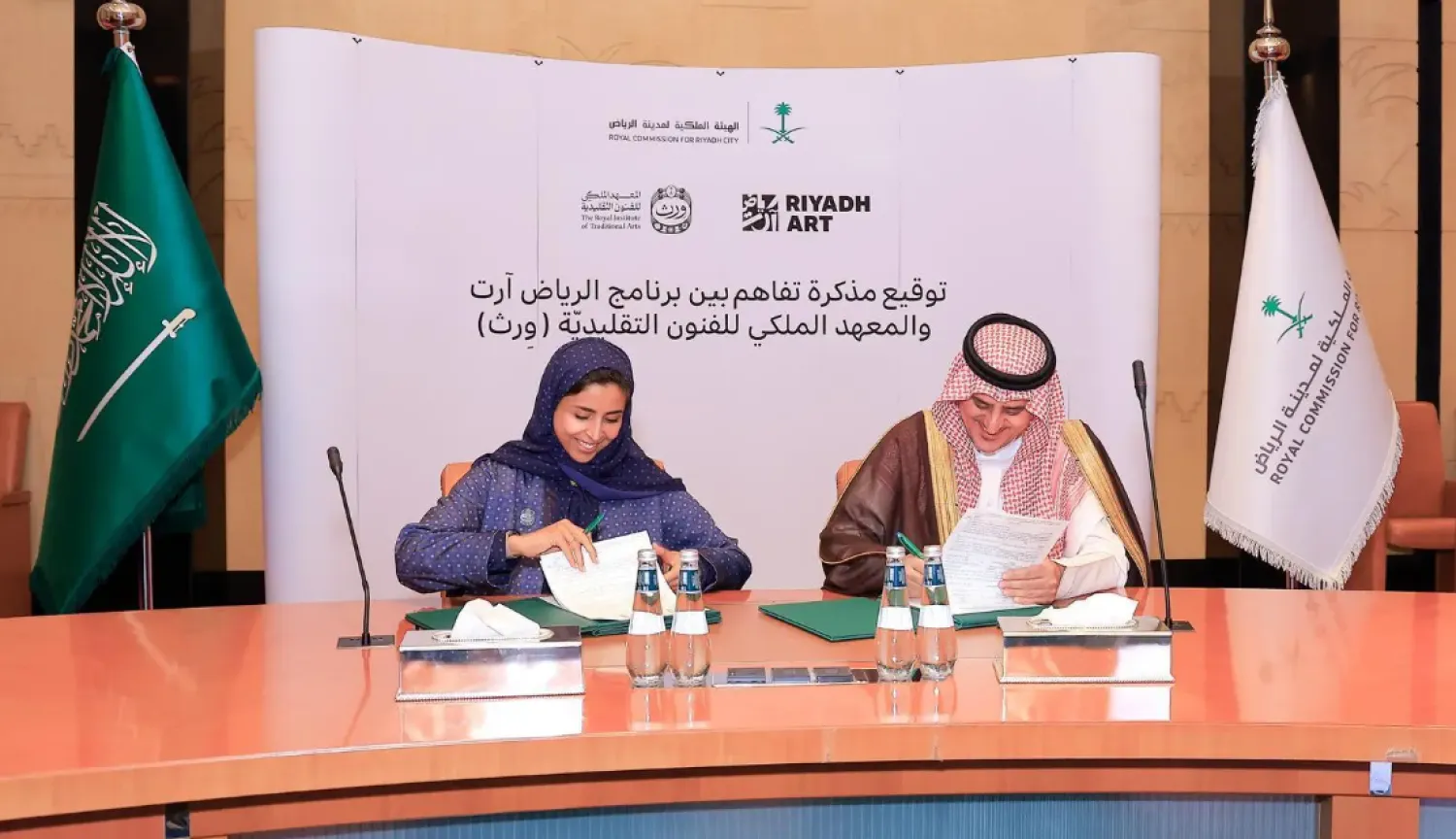
The Ministry of Culture has signed today a partnership with the Royal College of Art (RCA) for Riyadh University of Arts (RUA) 's College of Architecture and Design and College of Visual Arts and Photography. The partnership aims to further develop cultural and artistic talent and to drive cultural exchange.

The signing ceremony took place at the Diriyah Contemporary Art Biennale on the opening day of its third edition, titled "In Interludes and Transitions", one of the Kingdom's most significant art and cultural events, held at JAX district. Deputy Minister of National Partnerships and Talent Development at the Ministry of Culture Noha Kattan signed for RUA on behalf of the ministry, while RCA was represented by President and Vice-Chancellor Professor Christoph Lindner, SPA reported.

Under the terms of the partnership, RCA will work with RUA to co-design and deliver undergraduate and postgraduate programs, as well as foundational programs covering architecture, urban design, and design.

The programs stand as a bridge between heritage and innovation, cultivating Saudi talent to shape the built environments and design, as well as train students across traditional and contemporary visual arts with creativity from a global perspective rooted in the Kingdom's unique cultural identity.

Founded in London in 1837, the Royal College of Art has been ranked the number one art and design university in the world for 11 consecutive years according to the QS World University Rankings by Subject 2015-2025, and is one of the most research-intensive specialist art and design universities in the UK. It offers a wide array of visual arts, design, architecture, communication and humanities programs across its schools, focusing on developing professional competence and pushing the boundaries of practice through teaching, research, and interdisciplinary collaboration.

The partnership with RCA will be part of a series of partnerships and MOUs between RUA and its colleges and leading international institutions to co-design academic programs, collaborate on research, and offer enriching cultural education and development programs.

In December 2025, RUA announced partnerships between RUA's College of Film and the University of Southern California's (USC) School of Cinematic Arts (SCA), between SOAS University of London and RUA's College of Heritage and Civilization Studies, AMDA College of the Performing Arts and RUA's College of Theater and Performing Arts, and between ESSEC Business School and RUA's College of Cultural Management.

Riyadh University of Arts was announced in September 2025 at the Cultural Investment Conference by Minister of Culture Prince Bader bin Abdullah bin Farhan as a cornerstone of creative education and cultural innovation. The university aims to empower students with the knowledge, skills, and vision needed to shape the future of Saudi Arabia's creative economy.

Further details of RUA, its colleges, and partnerships will be announced on its official website when it launches in the first quarter of 2026.


Marvels of Saudi Orchestra Concludes at AlUla's Maraya Hall

The Music Commission emphasized that hosting the Marvels of Saudi Orchestra concerts in AlUla constitutes a qualitative addition to the project's journey - SPA
TT

Marvels of Saudi Orchestra Concludes at AlUla's Maraya Hall

The Music Commission emphasized that hosting the Marvels of Saudi Orchestra concerts in AlUla constitutes a qualitative addition to the project's journey - SPA

The Music Commission organized the Marvels of Saudi Orchestra concerts in AlUla Governorate under the patronage and in the presence of Minister of Culture, Governor of the Royal Commission for AlUla, and Chairman of the Board of the Music Commission Prince Bader bin Abdullah bin Farhan.

The event was held at Maraya Hall, offering an exceptional musical experience that reflected the evolution of Saudi Arabia's music scene and showcased national art at one of the world's most prominent cultural and tourism destinations, SPA reported.

The Music Commission's organization of these concerts continues the journey of the Saudi National Orchestra and Choir in conveying the Kingdom's musical heritage on leading local and international stages. AlUla represents a pivotal stop in this journey due to its prominent position on the global cultural tourism map, its deep historical roots, and its rich civilizational and human heritage, making it a destination for international visitors and a cultural crossroads that embodies the depth of the Kingdom's cultural identity.

The Marvels of Saudi Orchestra concerts featured a selection of diverse musical works that reimagined Saudi melodies through a contemporary orchestral style, blending authenticity with innovation and capturing the Kingdom's rich cultural and artistic diversity. The Saudi National Orchestra and Choir delivered performances marked by high artistic precision, highlighting the development of local musical performance and its ability to engage a broad audience with global taste.

The Music Commission emphasized that hosting the Marvels of Saudi Orchestra concerts in AlUla constitutes a qualitative addition to the project's journey and reflects its ongoing efforts to support national talent, enhance the local and international presence of Saudi music, and demonstrate the Kingdom's cultural and artistic diversity. This aligns with the objectives of Saudi Vision 2030, which positions culture and the arts as key drivers of development and quality of life, and underscores music as a tool for civilizational dialogue and a bridge for cultural interaction among peoples.

AlUla's stop is part of the Marvels of Saudi Orchestra's series of successes across multiple destinations, strengthening the Kingdom's position on the global music scene and raising awareness of local art. It presents Saudi creativity in line with the Kingdom's evolving cultural momentum, affirming the Saudi Orchestra as a leading national project capable of confidently showcasing its artistry on the world's top stages.


Diriyah Contemporary Art Biennale 2026 Opens in JAX District

Diriyah Contemporary Art Biennale 2026 Opens in JAX District
TT

Diriyah Contemporary Art Biennale 2026 Opens in JAX District

Diriyah Contemporary Art Biennale 2026 Opens in JAX District

The third edition of the Diriyah Contemporary Art Biennale opened on Friday in the JAX District and will run until May 2.

The event is featuring 68 artists from 37 countries and more than 25 newly commissioned artworks under the theme "In Interludes and Transitions" near the historic UNESCO World Heritage Site of At-Turaif, according to SPA.

Diriyah Biennale Foundation CEO Aya Al-Bakree noted that this edition marks the foundation’s fifth biennale in five years. She highlighted the event’s role in showcasing global artistic diversity and its emergence as a major international center for creative thought.

By hosting the biennale in the JAX District, the foundation reinforces its position as a leading incubator for cultural exchange and community investment, connecting the Kingdom’s heritage with the global contemporary art scene.