

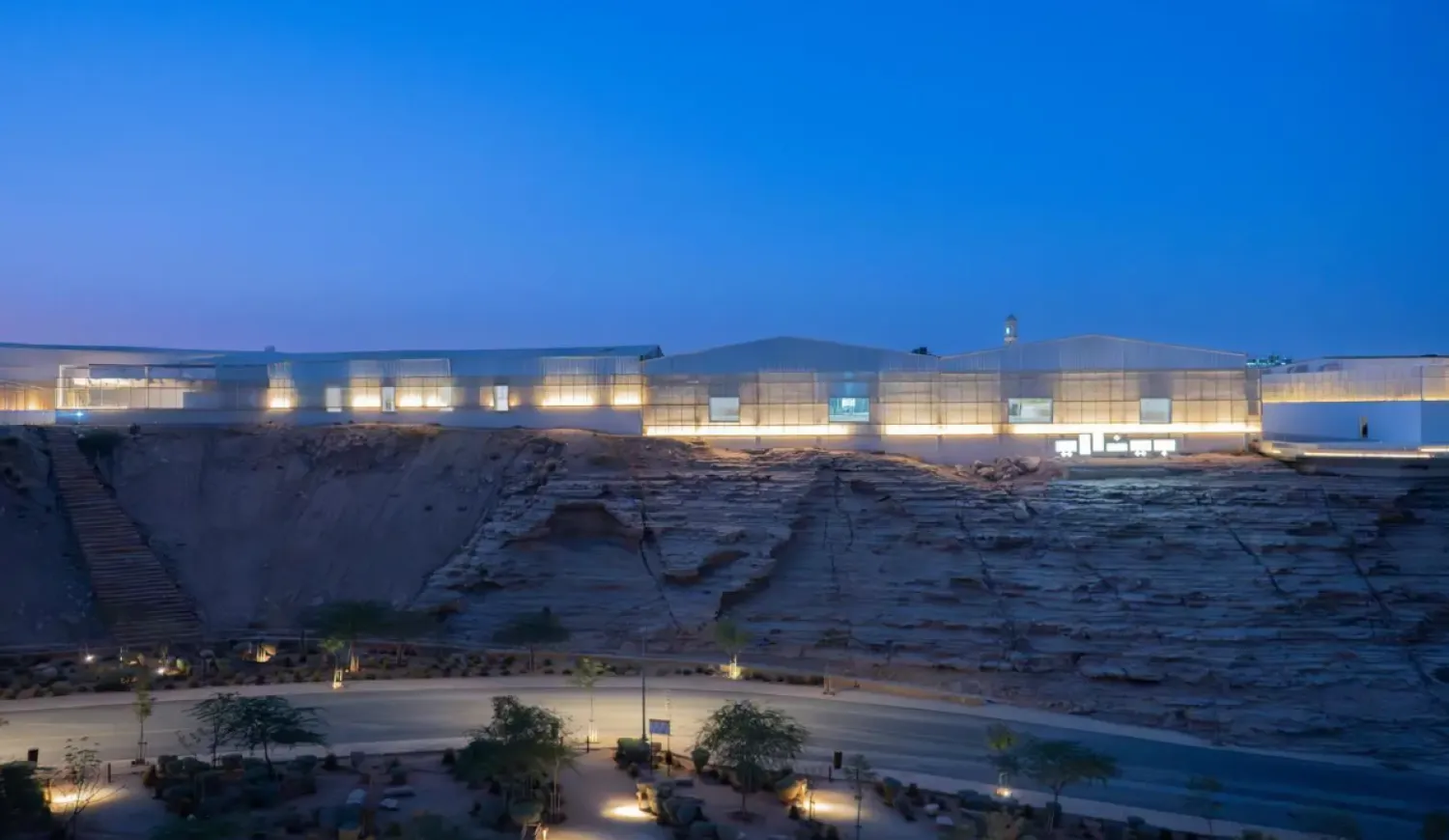

65 Artists from 37 Countries to Participate in Diriyah Contemporary Art Biennale 2026

The Biennale will feature more than 65 artists from 37 countries and will present 22 newly commissioned works by the Diriyah Biennale Foundation - SPA
TT

65 Artists from 37 Countries to Participate in Diriyah Contemporary Art Biennale 2026

The Biennale will feature more than 65 artists from 37 countries and will present 22 newly commissioned works by the Diriyah Biennale Foundation - SPA

The Diriyah Biennale Foundation has announced the list of artists participating in the Diriyah Contemporary Art Biennale 2026, scheduled to open on January 30 in the Jax District of Diriyah.

Titled “In Interludes and Transitions,” this edition draws inspiration from themes of movement, migration, and transformation—forces that have historically shaped pathways of communication and cultural exchange between the Arab region and societies around the world, SPA reported.

The Biennale will feature more than 65 artists from 37 countries and will present 22 newly commissioned works by the Diriyah Biennale Foundation. These original pieces, created by artists, musicians, filmmakers, architects, and writers, explore ideas of continuity, resilience, and collective imagination amid periods of profound change.

Chief Executive Officer of the Diriyah Biennale Foundation Aya Al-Bakree explained that the event brings together artists from multiple generations, regions, and disciplines, offering audiences a rich and diverse artistic experience that reflects Diriyah’s growing role as a global cultural hub.

The artistic directors noted that this edition of the Diriyah Contemporary Art Biennale emphasizes the vital role of art in interpreting contemporary transformations. Over the past year, participating artists and the curatorial team have engaged in in-depth research into the historical contexts of the Arab region, examined the rapid changes reshaping its cultural landscape, and addressed broader intellectual questions with global relevance.



Leading Portraiture Competition Celebrates Saudi Heritage Through Art

Throughout its history, the award has emphasized themes rooted in Saudi heritage and national initiatives - SPA
TT

Leading Portraiture Competition Celebrates Saudi Heritage Through Art

Throughout its history, the award has emphasized themes rooted in Saudi heritage and national initiatives - SPA

The Dia Aziz Dia Award for Portrait, hosted by the Saudi Arabian Society for Culture and Arts in Jeddah, is a leading platform for portraiture and the only competition of its kind in the Middle East. It fosters national identity through contemporary art, connecting veteran and emerging artists.

Throughout its history, the award has emphasized themes rooted in Saudi heritage and national initiatives, including Saudi women, the Arabian horse, the Saudi Green Initiative, and King Abdulaziz.

These themes highlight art's role in reflecting social transformations and contributing to the cultural goals of Saudi Vision 2030, SPA reported.

The current ninth edition, with a theme focused on King Salman, invited artists to depict the leadership and humanity of the Custodian of the Two Holy Mosques. This edition attracted significant participation, with 787 submissions from 42 cities, including international entries.

Of these, 61 works were shortlisted for the final competition, with prizes totaling SAR170,000 awarded to three main winners and seven incentive recipients.


Jazan Cultural House Explores Symbolism of Saudi Flag

The evening featured a critical reading on the symbolism of the Saudi flag and its ties to national identity and core values
TT

Jazan Cultural House Explores Symbolism of Saudi Flag

The evening featured a critical reading on the symbolism of the Saudi flag and its ties to national identity and core values

The Jazan Cultural House hosted a cultural evening on the Saudi flag, in collaboration with the Cultural Café, a literary partner of the Literature, Publishing, and Translation Commission.

The evening featured a critical reading on the symbolism of the Saudi flag and its ties to national identity and core values. Speakers discussed its historical and cultural significance as a symbol of unity and sovereignty, reflecting themes of faith, strength, and national cohesion.

The reading also explored the flag's role in fostering a sense of belonging and national pride, as well as various interpretations of its significance in cultural and intellectual discourse.


Prince Mohammed bin Salman Project Restores Historic Al-Qalaah Mosque in Riyadh Region

The mosque is a prime example of traditional Najdi architecture - SPA
TT

Prince Mohammed bin Salman Project Restores Historic Al-Qalaah Mosque in Riyadh Region

The mosque is a prime example of traditional Najdi architecture - SPA

The Prince Mohammed bin Salman Project for the Development of Historical Mosques continues its mission to preserve the Kingdom’s architectural heritage by restoring Al-Qalaah Mosque in Hawtat Bani Tamim, Riyadh Region. Built in 1250 AH (1834 CE), this historic landmark is situated within the fortress of Second Saudi State founder Imam Turki bin Abdullah.

The mosque is a prime example of traditional Najdi architecture, featuring stone foundations, mud walls constructed using molded brick techniques, and a roof of tamarisk trunks and palm fronds supported by stone-bead cylindrical columns, SPA reported.

Through the current renovation, the mosque’s area has expanded from 608.68 to 625.78 square meters while maintaining a capacity for 180 worshippers. Executed by specialized Saudi firms under expert engineering supervision, the project balances traditional standards with modern sustainability to ensure the mosque remains a living testament to Islamic and national history.

This initiative aligns with Vision 2030 objectives to rehabilitate historical sites for worship, highlight cultural heritage, and preserve the Kingdom’s authentic architectural identity for future generations.