The Ninth Conference of Ministers of Endowments and Islamic Affairs in Islamic Countries concluded in Makkah on Monday with eight recommendations focused on promoting moderation and fighting extremism.
The conference, centered around the theme "The Role of Endowments and Islamic Affairs Ministries in Promoting and Consolidating the Principles and Values of Moderation," brought together ministers, muftis, and heads of Islamic councils from 62 countries.
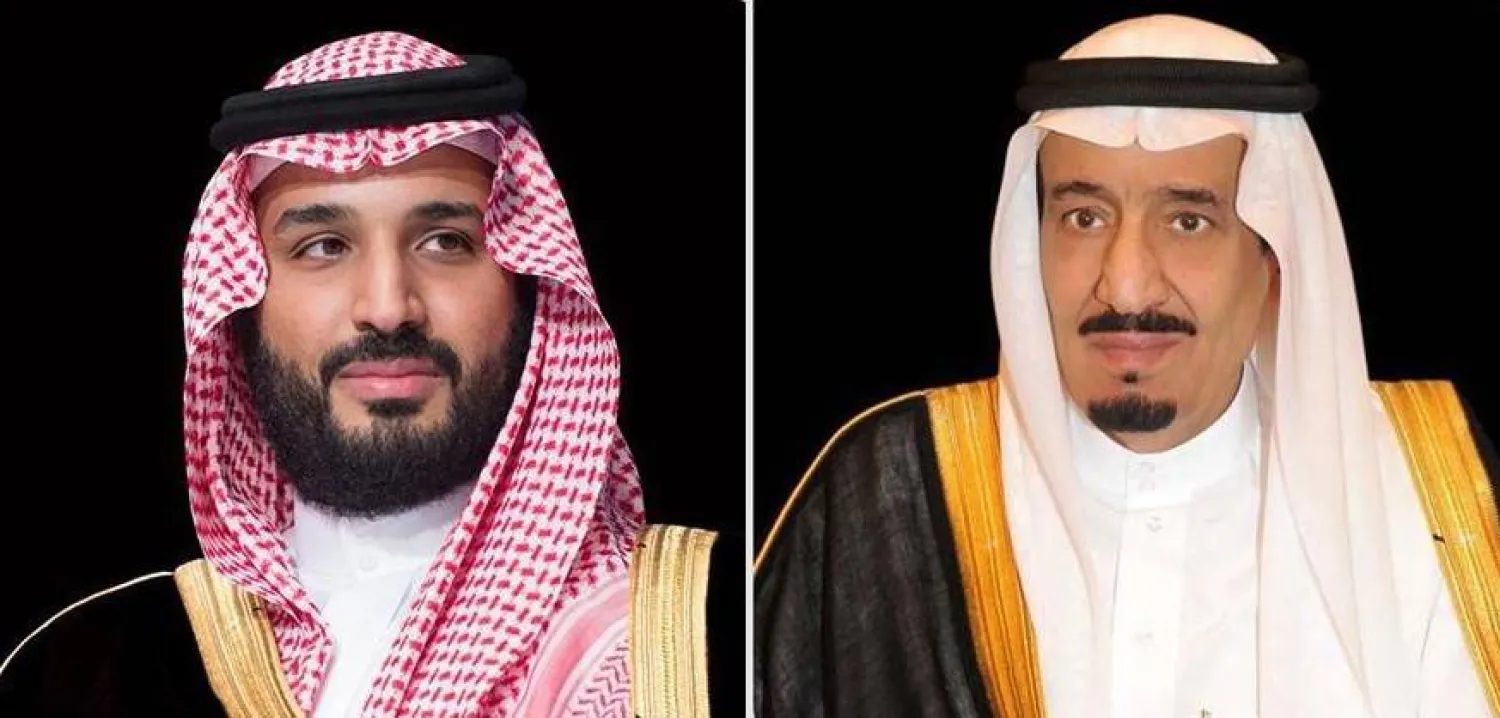
In its final statement, the conference praised the efforts of Saudi Arabia, led by the Custodian of the Two Holy Mosques King Salman bin Abdulaziz and Prince Mohammed bin Salman, Crown Prince and Prime Minister, in serving Islam and Muslims and promoting moderation.
It commended the member states for their efforts in coordinating, cooperating, and exchanging experiences among ministries of endowments and Islamic affairs, fatwa bodies, and Islamic councils, looking forward to further contributions in serving Islamic affairs.
From Makkah, the conference underscored its unwavering stance toward the just Palestinian cause. It called for granting the Palestinian people their legitimate rights, protecting them from brutal assaults, standing with them in their ordeal, and ending their suffering.
Moreover, the conference stressed the need for preserving cohesion, unity, and unified stances, which constitute one of the greatest principles of Islam, in accordance with the Quranic verse: “And hold firmly to the rope of Allah all together and do not become divided. And remember the favor of Allah upon you—when you were enemies and He brought your hearts together and you became, by His favor, brothers. And you were on the edge of a pit of the Fire, and He saved you from it. Thus does Allah make clear to you His verses that you may be guided.”
In this regard, the conference warned against matters that could lead to division and splintering within the Muslim community and its leaders. It underscored the significant harm such division can cause, including bloodshed, misappropriation of funds, violation of sanctities, and fueling sectarianism.
The conference emphasized the protection of ethical and family values in societies, rejecting attempts to impose alien social concepts or any image of the family that contradicts the natural disposition (fitrah) upon which Allah has created people.
It also stressed the need to confront hate speech against Islam and Muslims, develop cultural programs and future visions to combat the distortion of the image of Islam, and prevent incitement to violence based on religion or ethnicity.
The conference welcomed the United Nations General Assembly's adoption of a resolution on "Measures to Combat Islamophobia" and the appointment of a UN special envoy to combat Islamophobia.
The conference issued eight recommendations focusing on promoting a moderate and tolerant approach, correcting religious discourse misinterpretations, combating extremism, radicalism, moral decay, and waves of atheism.
The recommendations centered on underscoring the responsibility of ministries of endowments and Islamic affairs, religious administrations, fatwa bodies, and Islamic institutions in solidifying this approach through the qualification and training of imams and preachers and intensifying related programs.
The statement highlighted the need to regulate fatwas to align with Sharia texts to achieve benefits, avert harm, keep pace with contemporary issues, and consider the needs of societies. It urged caution regarding fatwas on issues of the nation from unofficial sources or non-accredited scholarly bodies.
The participants called for increasing coordination, cooperation, and exchange of visits and experiences among member states in the field of Islamic affairs. They also urged boosting relations with Islamic entities, centers, and institutions.
The recommendations included a call for developing quality programs to promote tolerance and coexistence, based on prevention and treatment, to protect societies from sectarianism and violence based on religion or ethnicity.
The conference underlined the importance of promoting citizenship, unity, and consensus, while rejecting division and differences to achieve stability in Islamic societies.
The participants also recommended continued exchange of experiences among member countries in mosque maintenance and bolstering the efficiency of their staff. They called for utilizing all resources and modern technologies to maximize the noble message of the mosques physically and spiritually.
The seventh recommendation focused on utilizing media and communication channels to serve and disseminate the message of tolerant Islam and its civilizational values.
Eighth, the participants called for cooperation among member countries and the exchange of experiences in the field of endowment to activate its role in achieving sustainable development and raising awareness among individuals and institutions about its importance and positive impact on individuals and society.
At the end of the conference, participants expressed their gratitude and appreciation to the Saudi government for the care and attention it offers to Muslims, acknowledging the Kingdom's blessed efforts in serving Islam and Muslims.
They also thanked the Saudi Ministry of Islamic Affairs, Dawah, and Guidance, represented by the Minister, Sheikh Dr. Abdullatif bin Abdulaziz Al Alsheikh, the Executive Chairman of the conference, on the organization of the event.
The conference included ten sessions attended by several ministers and esteemed scholars, covering topics such as renewing the concept of religious discourse and its role in promoting moderate principles and consolidating values of moderation.